Why is crate training a puppy so frustrating?
Coming home to shredded baseboards and urine-soaked carpets is an entirely overwhelming experience. The anxiety of leaving a destructive dog alone creates intense household tension and fractures the human-canine bond. The ultimate solution is introducing a crate not as an isolating prison, but as a deeply comforting, instinctual den.
The absolute biggest secret to fast crate training is never closing the door on the first day. A crate must be introduced entirely through positive reinforcement, using high-value food and open-door desensitization so the dog views the space strictly as a resting sanctuary. Forcing a terrified dog inside and locking the latch immediately triggers a panic response that takes months of specialized training to undo.
What size dog crate is best for potty training?
Selecting the perfect dimensions is the foundational step of successful housebreaking. If the crate is too massive, a clever Frenchie will simply soil one corner and sleep comfortably in the opposite, clean corner. The space must be just large enough for the dog to stand up, turn around, and lie back down comfortably without restriction.

Many modern wire crates include a movable divider panel specifically for this issue. This allows owners to purchase a large adult-sized crate for a growing Golden Retriever puppy and gradually expand the usable space as the dog matures. This completely eliminates the need to buy multiple, progressively larger crates over the dog's first critical year.
🐾 Snoutbit Pro-Tip: Remove all collars, harnesses, and tags before the dog enters the crate. Dangling metal tags can easily become caught in wire mesh, causing a terrifying choking hazard during an unsupervised nap.
What is the safest bedding for a crate-trained puppy?
Plush, fluffy beds look incredibly comfortable to humans, but they pose a massive, sometimes lethal threat to teething puppies. Bored dogs will easily rip open standard pet store beds and swallow the synthetic polyfill stuffing. This inevitably leads to life-threatening intestinal blockages that require emergency, high-cost veterinary surgery.
For the first six months, line the crate exclusively with heavy-duty, chew-proof mats or old, easily washable towels. Once the dog has completely outgrown the destructive teething phase, upgrading to a premium orthopedic memory foam pad becomes a highly safe investment. Proper joint support is especially critical for heavy-chested breeds like Staffies that put immense pressure on their elbows when resting on hard floors.
Should a water bowl be left inside a dog crate?
Leaving free-standing water bowls inside a wire kennel almost always ends in a massive, soaked disaster. Bored or anxious dogs will inevitably tip the bowl over, leaving them to sit in a cold puddle for hours. This creates a highly unhygienic environment that can lead to severe skin infections or chilled body temperatures.
Instead, utilize a heavy-duty stainless steel bucket that clips securely to the side bars to prevent flipping. Alternatively, a drip-feed water bottle attached to the outside of the crate offers a completely spill-proof hydration solution. For young puppies actively undergoing potty training, veterinary behaviorists strongly recommend removing all water access exactly two hours before bedtime to prevent midnight bladder accidents.
How does climate impact the type of crate to buy?
Environmental temperature strictly dictates which crate style is safest for a specific region. In the sweltering heat of an Australian summer, absolute maximum ventilation is a matter of life and death. A wire crate provides unrestricted airflow, preventing thick-coated breeds like Kelpies or heavy-breathing Bulldogs from suffering dangerous heatstroke.

Conversely, harsh US winters require a completely different approach for temperature regulation. A enclosed plastic airline-style crate naturally retains ambient body heat, keeping short-haired dogs perfectly insulated against freezing drafts. During intense Australian tick seasons, wire crates also offer total visibility to quickly inspect resting dogs for uninvited, dangerous parasites.
🚨 Vet Fact: A dog’s core body temperature naturally drops slightly during deep REM sleep. Providing a draft-free environment supports deep restorative sleep and prevents metabolic stress during the night.
Why do dogs cry in the crate at night?
Whining in the dark is a deeply instinctual survival response, not an act of stubborn canine rebellion. Puppies are biologically hardwired to vocalize when separated from their litter to avoid freezing or predation in the wild. Placing a crate in a completely isolated, silent room instantly triggers this ancient panic button.
Consider the case of an eight-week-old Blue Heeler in Sydney who screamed for three consecutive nights alone in the laundry room. Once the frustrated owners moved the wire crate right next to their own bed, the puppy immediately slept quietly through the night. The mere sound of human breathing and the scent of proximity completely deactivated the puppy's separation anxiety.
What are advanced crate training secrets the pros use?
Most standard advice stops at simply throwing a treat inside and waiting. True behavioral modification requires a much more nuanced, psychological approach to build permanent canine confidence.
- The "Phantom Latch" Protocol: Dogs quickly learn the exact mechanical sound of the crate locking, which triggers immediate anxiety. Continuously rattle the metal latch and open the door throughout the day without ever locking the dog inside to strip the sound of its terrifying meaning.
- The Scatter Feed Method: Stop using standard dog food bowls entirely during the first two weeks of training. Toss the dog's entire breakfast kibble into the far back corners of the crate, forcing them to sniff and forage while building massive value for being inside.
- The "Den-Maker" Blanket Strategy: Dogs are naturally crepuscular den animals that aggressively seek out dark, enclosed spaces to decompress. Draping a breathable, dark sheet over three sides of a wire crate instantly creates a cave-like environment that drastically lowers visual stimulation and calms the nervous system.
How long can a dog stay in a crate during the day?
Crates are effective management tools, not permanent babysitters. As a strict biological rule, puppies can only hold their bladders for one hour per month of age, plus one hour. A three-month-old puppy must be let out to relieve themselves every four hours, absolutely without exception.
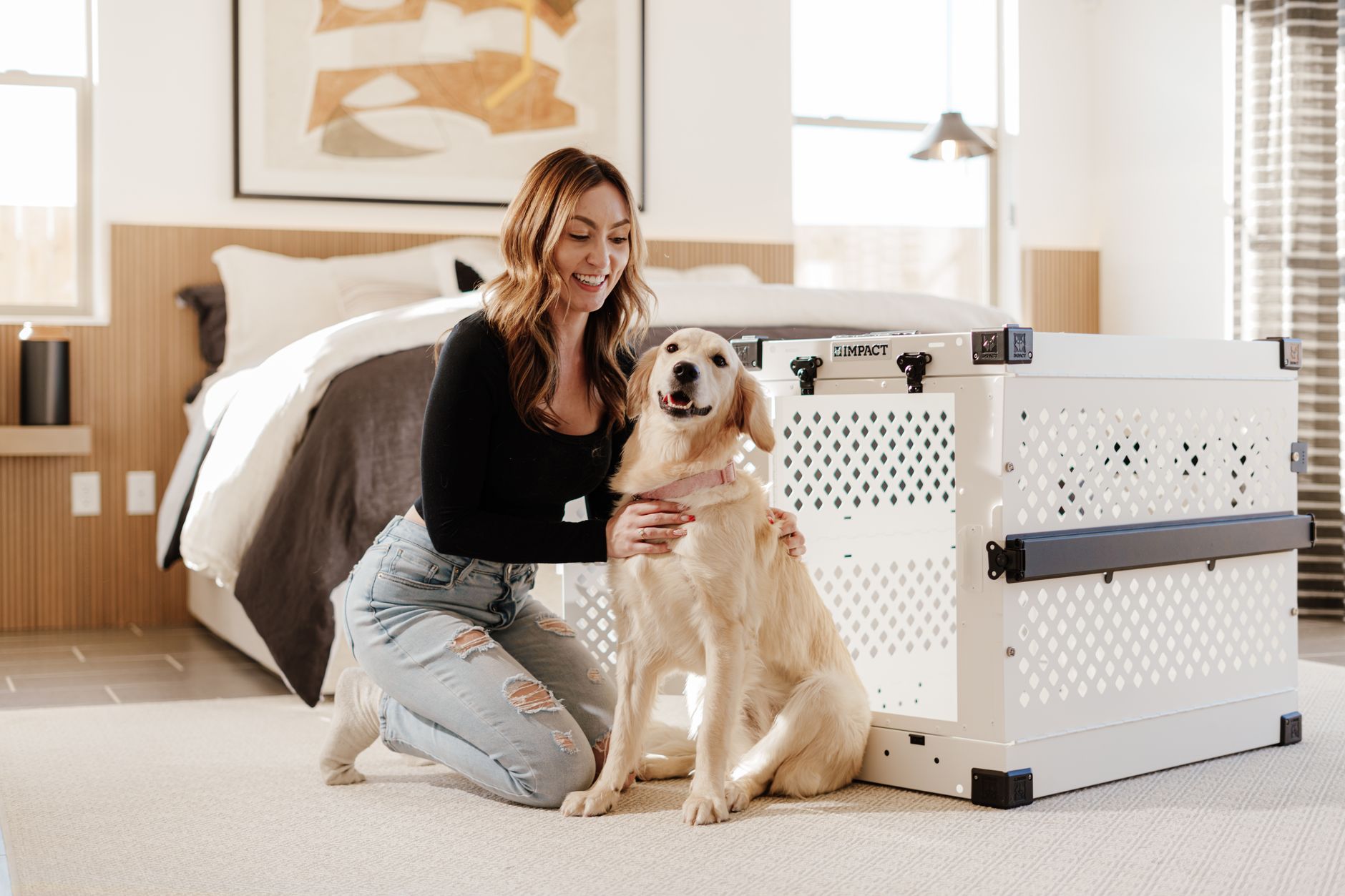
Adult dogs should never be crated for more than six to eight hours maximum during a standard workday. Extended, daily confinement beyond this limit leads directly to severe muscle atrophy, joint stiffness, and major behavioral fallout. High-energy working breeds strictly require exhaustive physical exercise before and after any long crating period to prevent neurotic pacing.
🐾 Snoutbit Pro-Tip: Freeze a tough rubber puzzle toy stuffed with dog-safe peanut butter and plain Greek yogurt. Handing this high-value, frozen treat to the dog right before leaving the house easily distracts them and promotes self-soothing for up to forty minutes.
What are the biggest crate training mistakes to avoid?
Never, under any circumstances, use a crate as a punishment zone or angry "time-out" box. Yelling at a dog and forcefully shoving them inside immediately turns the sanctuary into a terrifying prison cell. This highly emotional reaction completely destroys weeks of positive association training in a matter of seconds.
A family with an adopted adult Golden Retriever in Ohio struggled with severe house destruction whenever they left for work. They had been aggressively forcing the large dog into the crate out of pure frustration, resulting in the panicked dog bending the steel bars to escape. Once they restarted the process using slow, open-door treats and a soft covered den, the dog willingly walked in on its own terms.
How do you handle sudden crate regression?
Sometimes a perfectly crate-trained adult dog will suddenly start protesting, whining, or destroying their bedding. This sudden behavioral regression is incredibly frustrating but usually points to a major environmental shift rather than intentional stubbornness. A recent household move, a massive change in the owner's work schedule, or the introduction of a new baby completely throws off a dog's established security routine.
Treat crate regression by immediately dropping back to kindergarten-level training basics. Start feeding all meals inside the crate again with the door wide open to rebuild the lost value slowly. Never force a regressing dog inside while they are actively showing signs of severe panic, panting, or whole-body trembling.
How do you crate train an older rescue dog?
Adult rescues require a monumental amount of patience because they often arrive with deep traumatic shelter baggage. Many have spent weeks confined in loud, highly stressful, and terrifying pound environments. The absolute key is allowing the rescue dog entirely voluntary access to the space for the first two full weeks.
Leave the crate door tied securely open so it cannot accidentally swing shut and spook a skittish dog. Line the floor with a worn t-shirt that smells heavily of the new family to provide a powerful, comforting olfactory anchor. Only start closing the door for literally five seconds at a time once the dog is actively choosing to nap inside unprompted.
🚨 Vet Fact: Sudden, frantic attempts to escape a previously well-tolerated crate can clearly indicate an urgent medical issue. Always rule out a painful urinary tract infection or sudden gastrointestinal distress before assuming it is a behavioral problem.
What To Do Next
- Perform a Crate Audit: Measure the current crate today to ensure the dog can fully stand up, turn around, and stretch out without hitting the sides. If the dog is an adult and has physically outgrown the space, order an appropriately sized, highly ventilated replacement immediately.
- Start the Latch Desensitization: Tonight, while the dog is relaxing in the same room, calmly jiggle the metal crate latch five times without putting the dog inside. Drop a high-value meat treat on the floor each time to immediately build a positive emotional association with the mechanical sound.
Disclaimer: The content on Snoutbit.com is for informational and educational purposes only and is not intended to replace professional veterinary advice, diagnosis, or treatment. Always consult with your veterinarian before making significant changes to your dog’s diet, exercise routine, or health regimen.