Deaf Great Dane's 'Oscar-Worthy' Pool Tantrum: A Dog Behavior Case Study
Introduction
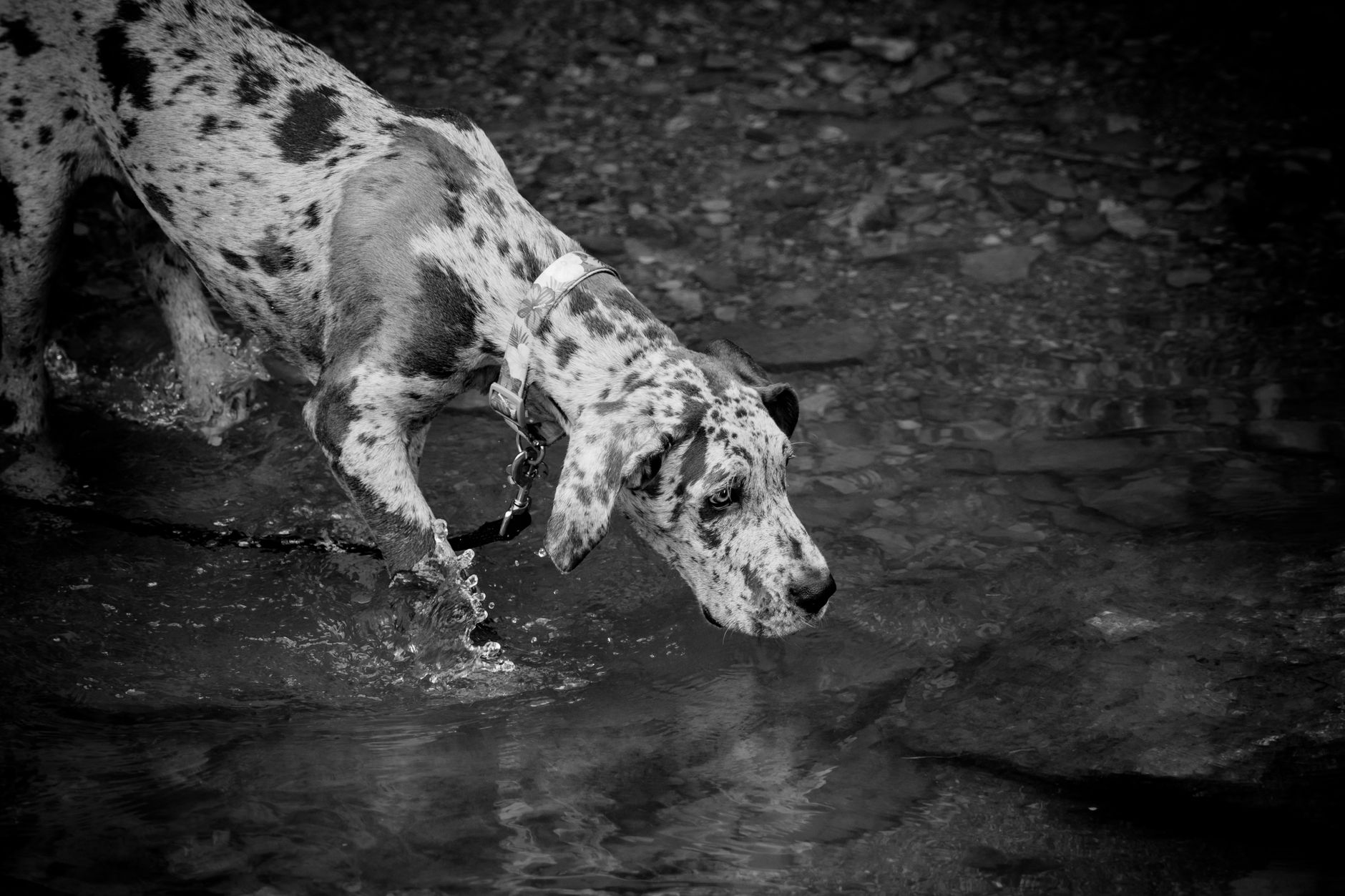
We've all seen a dog sulk when they don't get their way, but one deaf Great Dane named Max took his disappointment to a whole new level. On a sunny day, Max was denied a swim in the pool by his owner, and his reaction was nothing short of dramatic. According to iHeartDogs, Max expressed his desire to swim through whines that increased in intensity, and when that didn't work, he walked to the edge of the pool and dipped one paw into the water as if testing the temperature. The entire episode was captured on video, and it's being called 'Oscar-worthy' for good reason.
This story not only highlights the expressive nature of dogs but also sheds light on how deaf dogs like Max communicate using lip-reading and hand gestures. Max's protest was not a single moment of frustration but a sustained, multi-stage campaign to change his owner's mind. He began with vocal complaints, escalated to a physical demonstration at the water's edge, and never abandoned his goal. The result is a sequence of behavior that feels almost scripted in its comedic timing.
Join us as we dive into Max's poolside protest, his unique communication methods, and what his tantrum teaches us about understanding our canine companions. Whether you share your home with a deaf dog or simply enjoy watching dogs be dogs, Max's story offers both entertainment and genuine insight into the canine mind.
Max's Poolside Protest: A Deaf Dog's Determination
Max, a deaf Great Dane, had his heart set on a swim. According to iHeartDogs, on a sunny day, Max's owner did not allow him to swim in the pool. But Max wasn't about to take no for an answer. He expressed his desire to swim through whines that increased in intensity, making his wishes abundantly clear. When his vocal protests didn't sway his mom, Max took a more strategic approach. He walked to the edge of the pool and dipped one paw into the water as if testing the temperature. This behavior, reported by iHeartDogs, shows just how determined Max was to get into that pool.
What makes Max's protest particularly striking is the deliberateness of his actions. He did not simply bark once and give up. Instead, he built his case step by step. The whining served as his opening argument, a vocal signal that something was wrong and that he wanted it fixed. When that failed to produce the desired result, he moved to a physical demonstration. The paw dip was not random play; it was a pointed gesture at the very thing he was being denied.
Despite his deafness, Max's persistence and clever tactics are a testament to the intelligence and strong will of Great Danes. His poolside protest is both amusing and impressive, demonstrating that a dog's desire for fun can overcome any obstacle—even a human's decision. Max's story reminds us that our pets have minds of their own and will go to great lengths to communicate their needs. In Max's case, those needs were simple: a sunny day, a full pool, and a dog who felt he had every right to enjoy both.
How Max Communicates: Lip-Reading and Hand Gestures
Max's deafness doesn't stop him from understanding his owner. According to iHeartDogs, Max can lip-read and understand hand gestures from his owner. This remarkable ability allows him to follow commands and express himself effectively. When Max wanted to swim, he used whines that increased in intensity to convey his desire. His owner likely used hand gestures to deny him, which Max understood—though he didn't necessarily accept it.
The fact that Max can lip-read means he watches his owner's face closely, picking up visual cues that many dogs might miss. This form of communication is a testament to the adaptability of deaf dogs and the bond they share with their humans. Max's story, as reported by iHeartDogs, highlights the importance of using visual signals and consistent gestures when training deaf dogs. It also shows that deaf dogs are just as capable of learning and communicating as hearing dogs, provided their owners are willing to adapt their methods.
For Max, communication is a two-way street built on visual attention. He must look at his owner to receive information, and his owner must face him to send it. This constant visual connection may explain why Max's protest was so theatrical. When your primary channel of communication is sight, gestures and body language carry enormous weight. Max's paw dip and persistent whining were not just noise; they were visual and vocal signals designed to be seen and heard by the one person who could grant his wish.
The 'Oscar-Worthy' Tantrum: Whining, Paw-Testing, and Persistence
Max's tantrum was a masterclass in dramatic expression. According to iHeartDogs, Max continued whining persistently, showing annoyance with his mom. His whines weren't just random noises; they increased in intensity to convey his growing frustration. When that didn't work, he walked to the edge of the pool and dipped one paw into the water as if testing the temperature—a calculated move that seemed to say, 'See? It's perfect for swimming!'
The entire sequence was captured in a YouTube video, which iHeartDogs included in their article. The video shows Max's persistence and his clear annoyance with his mom's decision. His actions are so expressive that they've been dubbed 'Oscar-worthy.' The label fits because Max's performance had all the elements of a dramatic scene: rising tension, a turning point, and a final plea. He did not simply complain; he committed to the role of a dog wronged by unfair circumstances.
Max's behavior is a reminder that dogs have emotions and can express them in surprisingly human-like ways. His tantrum is both funny and endearing, showcasing the personality of a dog who knows what he wants and isn't afraid to show it. The whining, the paw-testing, and the sheer persistence all point to a canine mind that was fully engaged in the project of getting into that pool. Whether or not his owner eventually relented, Max made sure his position was unmistakable.
why dogs love water: The Appeal of Swimming for Canines
While Max's story is specific to him, it raises the question: why do dogs love water so much? Unfortunately, the verified facts do not provide information on this topic beyond Max's own desire to swim. According to iHeartDogs, Max expressed his desire to swim through whines that increased in intensity, and he walked to the edge of the pool and dipped one paw into the water as if testing the temperature. This suggests that Max, like many dogs, finds swimming appealing.
However, without additional verified facts, we cannot explore the broader reasons why dogs are drawn to water. We can only speculate based on Max's behavior, but we must stick to what we know: Max wanted to swim, and he made that clear. His actions—whining, paw-testing—are common ways dogs communicate their desires. The paw dip in particular is a fascinating detail because it suggests a level of investigation. Max did not just stare at the pool or run around it; he reached out and touched the water, as if gathering evidence to support his case.
So while we can't delve into the science of why dogs love water, we can appreciate Max's enthusiasm and the joy he clearly associates with swimming. His determination to get into the pool, despite being told no, speaks to a strong positive association with the water. For Max, the pool was not just a body of water; it was the destination of a sunny day's desire, and he was willing to argue for it.
Understanding Deaf Dogs: Training and Communication Tips
Max's story offers valuable lessons for anyone living with or considering adopting a deaf dog. According to iHeartDogs, Max can lip-read and understand hand gestures from his owner. This means that deaf dogs can be trained using visual cues rather than verbal commands. Consistency is key: using the same hand gestures and facial expressions will help your dog understand what you're asking.
Max's ability to lip-read shows that deaf dogs are highly observant and can pick up on subtle visual signals. When communicating with a deaf dog, always face them and make sure they can see your hands and face. Use treats and praise to reinforce desired behaviors. And be patient—just like Max, deaf dogs may have strong personalities and will test boundaries. But with clear communication and positive reinforcement, they can learn just as well as hearing dogs.
Max's tantrum, while dramatic, is a reminder that deaf dogs are intelligent, expressive, and fully capable of being wonderful companions. The fact that Max could understand his owner's denial and then choose to protest it shows a sophisticated level of comprehension. He was not confused about what was happening; he simply disagreed with it. For owners of deaf dogs, this is an important insight: your dog may understand you perfectly well and still decide to argue. Clear, consistent visual communication remains the foundation of the relationship, even when your dog has opinions of his own.
Conclusion
Max's 'Oscar-worthy' temper tantrum is more than just a funny video; it's a heartwarming example of how deaf dogs communicate and connect with their owners. Despite being deaf, Max made his desire to swim abundantly clear through persistent whining and clever paw-testing. His ability to lip-read and understand hand gestures highlights the adaptability of deaf dogs and the importance of visual communication.
While we may not know exactly why dogs love water, Max's determination reminds us that our pets have rich emotional lives and unique ways of expressing themselves. His protest was not a breakdown but a performance—one with a clear goal and a series of escalating tactics. So next time your dog throws a tantrum, remember Max—and maybe consider giving in, especially if it's a hot day and the pool is ready.
Source: iHeartDogs