What is the best dog food for Basset Hounds?
Watching a Basset Hound struggle to climb a single step or heave their heavy body onto the couch is absolutely heartbreaking. Owners often unknowingly cause this agonizing joint pain simply by feeding a generic, high-fat commercial kibble. The dense, heavy-set body of this breed requires a highly specialized diet, yet the pet food aisle is overwhelmingly confusing and filled with misleading marketing.

The definitive solution is transitioning the dog to a premium weight-management or breed-specific formula before they even reach middle age. The biggest takeaway for owners is that a Basset Hound’s food must strictly control daily caloric intake while delivering massive doses of chondroitin and glucosamine. Selecting a diet specifically engineered to slow digestion keeps the dog feeling full, completely halting the relentless, guilt-inducing begging.
Basset Hound Nutrition: Overview Mind Map
- Primary Nutritional Goals: Strict weight management, proactive joint preservation, and spinal support.
- Crucial Ingredients: Lean muscle meats (turkey, whitefish), L-carnitine for cellular metabolism, and EPA/DHA from marine oils.
- Dangerous Dietary Threats: High-glycemic carbohydrate fillers (corn syrup), excessive calcium in puppyhood, and irregular kibble shapes that encourage rapid gulping.
- Anatomical Challenges: Achondroplasia (genetic dwarfism), deep-chested bloat risk, and heavy, hanging ears prone to food-bowl contamination.
Why do Basset Hounds gain weight so quickly?
Basset Hounds possess a genetic condition called achondroplasia, which essentially translates to canine dwarfism. They carry the massive, heavy bone density of a much larger working breed, all packed onto incredibly short, stubby legs. This unique anatomy means their baseline metabolic rate is drastically lower than a high-energy working breed like an Australian Kelpie or a Golden Retriever.
Because they burn far fewer calories resting on the living room rug, feeding them standard portion sizes quickly leads to catastrophic weight gain. Even a single pound of excess fat places immense, crushing mechanical stress on their elongated spines. This extra weight directly triggers Intervertebral Disc Disease (IVDD), an agonizing spinal condition that frequently results in permanent paralysis and requires thousands of dollars in neurosurgery.

🚨 Vet Fact: A Basset Hound's stomach ligaments are notoriously loose, making them highly susceptible to Gastric Dilatation-Volvulus (GDV), commonly known as canine bloat. Feeding one massive meal daily heavily increases the risk of the stomach physically flipping, requiring immediate, life-saving emergency surgery.
What ingredients prevent joint pain in Basset Hounds?
Generic pet food brands often boast about adding synthetic glucosamine, but the actual usable amount in the bag is virtually non-existent. For a heavily muscled dwarf breed, owners must look for highly bioavailable, advanced joint supplements sourced directly from natural ingredients. Green-lipped mussel extract is a massive, advanced dietary upgrade that provides profoundly superior anti-inflammatory support compared to standard laboratory-made chondroitin.
Furthermore, a top-tier Basset Hound diet must feature robust levels of Omega-3 fatty acids, specifically EPA and DHA. These marine-sourced lipids actively lubricate the stiff cartilage inside the dog's carpal (wrist) joints and knees. Sourcing food that utilizes wild-caught salmon oil or menhaden fish meal guarantees the dog receives the exact biological tools needed to repair daily cellular joint damage.
How does kibble shape affect Basset Hound digestion?
Most owners completely ignore the physical size and geometric shape of dry dog food, focusing entirely on the flavor profile. However, Basset Hounds are notorious "vacuum eaters" who aggressively inhale their meals without chewing. Swallowing tiny, perfectly round kibbles whole traps massive pockets of air inside the dog's deep chest cavity.
Advanced canine nutritionists design specialized large-breed and breed-specific kibbles with irregular, highly textured shapes. A large, jagged kibble physically forces the dog to crack the food with their molars before swallowing. This mechanical chewing action drastically slows down their eating speed, heavily mitigating the terrifying risk of deadly gastric bloat.
🐾 Snoutbit Pro-Tip: Discard the standard metal food bowl completely and serve all daily meals inside a heavy-duty, grooved slow-feeder puzzle. Forcing the dog to forage for individual kibbles turns a thirty-second frantic meal into a deeply enriching, twenty-minute mental workout that aids safe digestion.
How to manage the notorious Basset Hound begging?
Basset Hounds are absolute masters of psychological manipulation, utilizing their droopy eyes and heavy sighs to extract extra snacks from human family members. Consider a rescued adult Basset in Texas that successfully begged its way to an alarming seventy-five pounds, rendering the dog completely immobile. The owners mistakenly equated feeding extra treats with providing love, completely ignoring the massive damage occurring to the dog's spine.
The ultimate secret to breaking this begging cycle is utilizing low-glycemic, high-fiber dietary fillers. Swapping high-fat commercial treats for raw, crunchy green beans completely satisfies the dog's psychological need to eat. The dense vegetable fiber physically expands inside the stomach, signaling the brain that the dog is entirely full without adding any dangerous calories to their daily limit.
Should Basset Hound puppies eat large breed puppy food?
This is an incredibly common, advanced dietary blind spot for new owners entirely fooled by the breed's short stature. Because a Basset Hound sits low to the ground, owners naturally purchase small or medium-breed puppy kibble. This is a devastating mistake that actively damages the puppy's rapidly developing skeletal structure.
Basset Hounds are actually considered a large breed strictly due to their immense bone weight and density. Standard puppy foods contain excessively high levels of dietary calcium and phosphorus designed to accelerate rapid growth. Pushing a Basset Hound's bones to grow too fast easily causes severe, permanent orthopedic deformities in their front legs and wrists.
A family in the Pacific Northwest learned this the hard way when their six-month-old pup developed severe "knuckling" in the front paws from eating a high-protein, standard puppy diet. Switching immediately to a large-breed puppy formula strictly limited the calcium intake and forced the growth plates to close at a safe, heavily controlled pace.
🚨 Vet Fact: Basset Hounds are genetically predisposed to panosteitis, a highly painful inflammation of the long leg bones during adolescence. Feeding a strictly calorie-controlled, large-breed puppy formula drastically reduces the severity and frequency of these debilitating "growing pains."
What is the best feeding schedule for a Basset Hound?
Adult Basset Hounds must never receive their daily caloric allotment in a single, massive morning feeding. The sheer volume of the food violently stretches the stomach wall, setting the stage for dangerous bloating during evening exercise. Dividing the daily ration into two or three smaller, highly controlled meals keeps the metabolism stable and digestion safe.
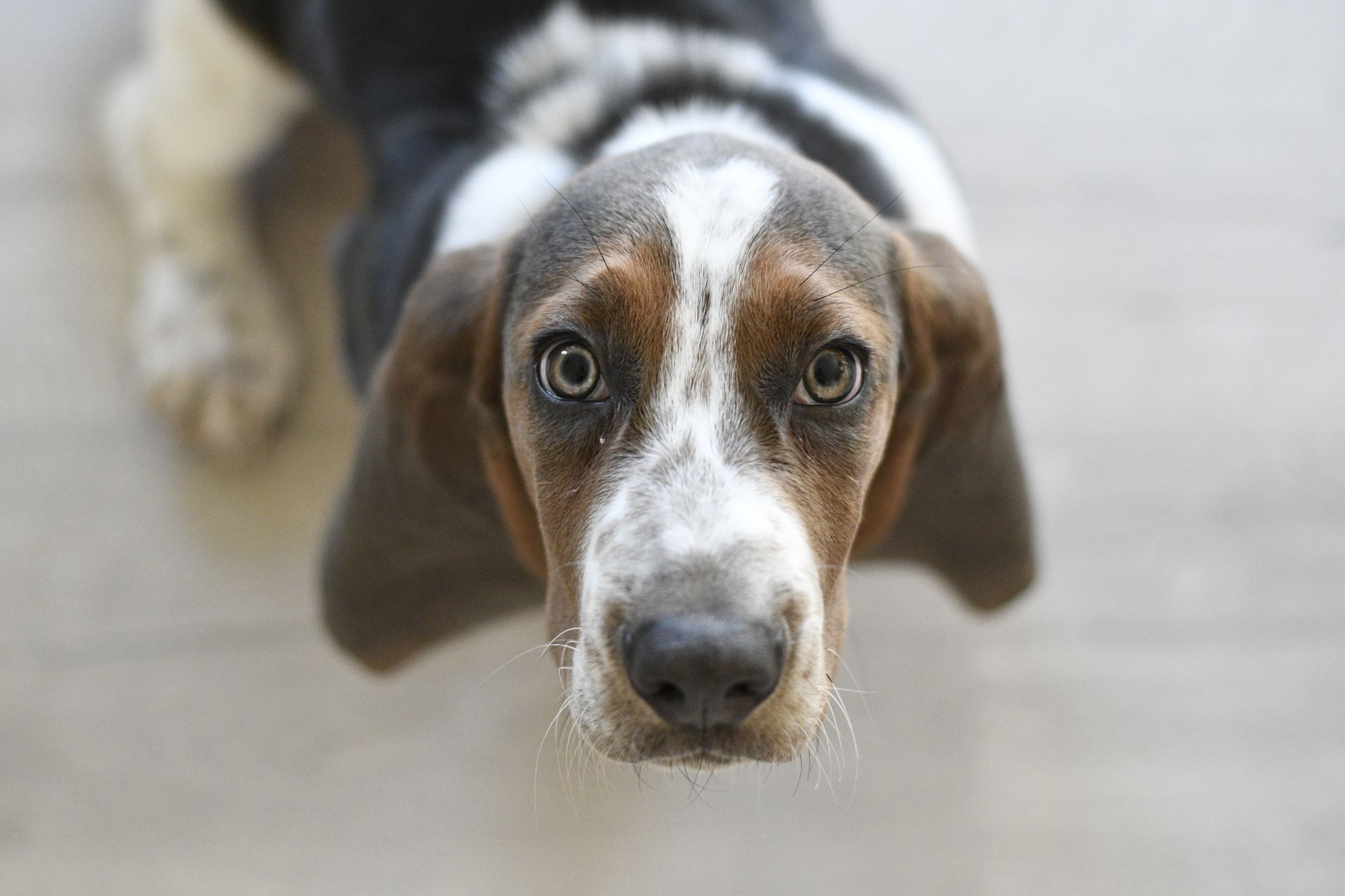
Another highly advanced insight involves the physical mechanics of how the dog accesses the food. A Basset Hound's long, heavy ears naturally drag directly into the food bowl while they eat. If the kibble is heavily coated in fish oils or fat, those oils soak directly into the ear fur, creating a humid, greasy environment perfectly primed for chronic, agonizing yeast infections.
Owners must utilize a specialized, narrow, deep-sided "spaniel bowl" or gently secure the dog's ears back with a soft fabric snood during mealtime. Keeping the ear leather completely dry and free of dietary fats drastically reduces the frequency of expensive veterinary ear flushes.
How do local climates impact Basset Hound feeding?
Environmental extremes dictate a dog's daily physical activity, which directly alters their caloric requirements. During a sweltering summer heatwave in the American South, a Basset Hound's heavy body makes them highly susceptible to fatal heatstroke. Because they cannot safely exercise outside during the blazing afternoon, their daily caloric burn rate completely plummets.
Owners must proactively reduce the dog's daily kibble portion by ten percent during these inactive, heavily air-conditioned summer months. Conversely, during a brutal Midwestern winter, the dog's body burns massive amounts of calories simply trying to stay warm during brisk, snowy walks. Continuously adjusting the measuring cup to match the seasonal weather ensures the dog never accumulates hidden layers of winter fat.
🐾 Snoutbit Pro-Tip: Never rely on the vague feeding guidelines printed on the back of the kibble bag, as these charts are heavily inflated to sell more product. Use a digital kitchen scale to weigh the dog's food down to the exact gram, providing flawless, hyper-accurate portion control.
Are grain-free diets safe for Basset Hounds?
The marketing push toward completely grain-free canine diets has created massive anxiety and severe medical complications across the pet industry. The FDA continues to investigate a terrifying link between boutique grain-free diets—specifically those heavily relying on peas and lentils—and Dilated Cardiomyopathy (DCM). This fatal, silent heart disease causes the cardiac muscle to weaken and fail prematurely.
Unless a board-certified veterinary dermatologist explicitly diagnoses a true allergy to grains, a Basset Hound should absolutely consume a grain-inclusive diet. Ancient, low-glycemic grains like steel-cut oats, pearled barley, and brown rice provide incredible, slow-burning energy. These specific complex carbohydrates keep the dog's blood sugar perfectly stable, effectively crushing mid-afternoon hunger pangs and lethargy.
What To Do Next
- Execute a Body Condition Score Check: Have the dog stand completely still on a flat surface and run hands firmly along their ribcage right now. If the ribs cannot be easily felt beneath a thin layer of fat, or if the dog lacks a visibly tucked waistline from the side, immediately reduce their daily food intake by ten percent.
- Purchase a Digital Kitchen Scale: Throw away the inaccurate plastic measuring cups currently sitting inside the dog food bin. Order a digital scale today and begin weighing the dog's daily kibble allotment in grams to completely eliminate accidental, heavy-handed overfeeding.
Disclaimer: The content on Snoutbit.com is for informational and educational purposes only and is not intended to replace professional veterinary advice, diagnosis, or treatment. Always consult with your veterinarian before making significant changes to your dog’s diet, exercise routine, or health regimen.