What is Slow-Baked Dog Food? The Ultimate Guide to the Kibble Alternative
You are standing in the pet store aisle, completely overwhelmed. Your dog has a chronically sensitive stomach, they flat-out refuse to eat standard dry food, and you do not have the freezer space for a full raw meat diet.
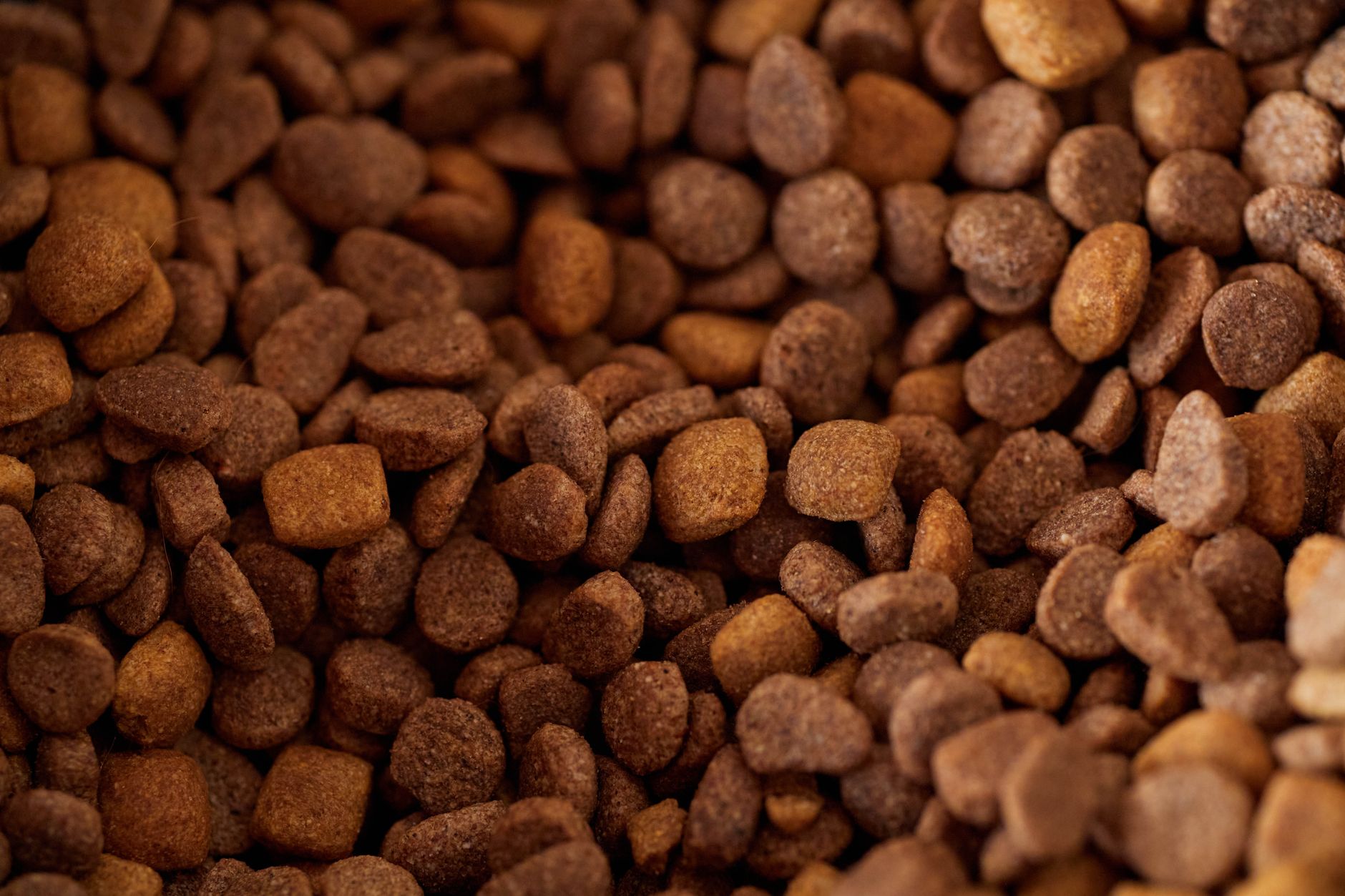
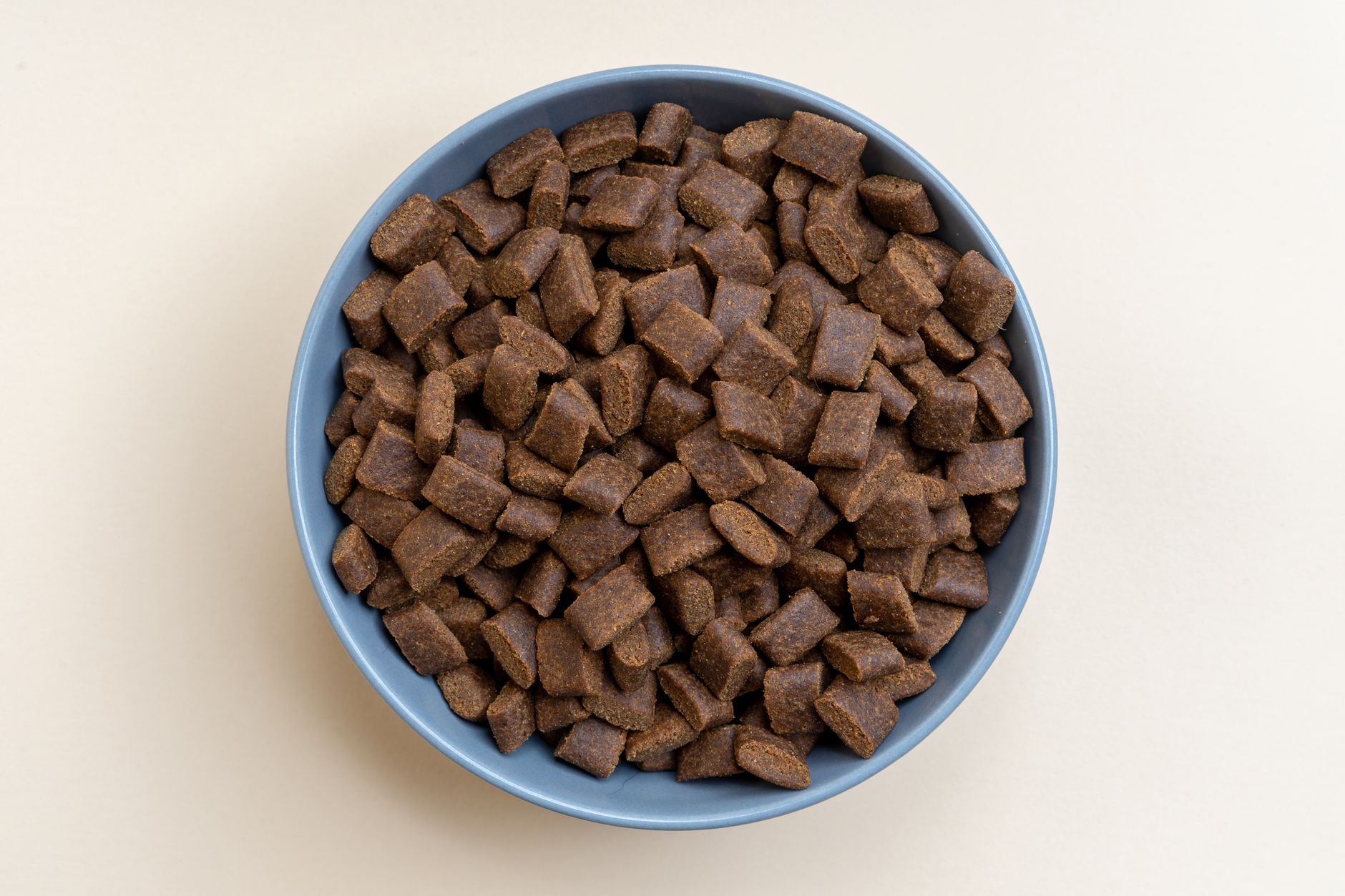
What exactly is slow-baked dog food? Slow-baked kibble is a highly digestible dog food cooked in an oven at low temperatures (around 170°F), rather than being blasted with extreme heat and high-pressure steam like traditional extruded kibble. This gentle baking process preserves the native vitamins in the meat, eliminates the need for heavy starchy carbohydrate binders, and creates a highly palatable, biscuit-like texture that picky eaters love.
If you want to upgrade your dog's nutrition without losing the convenience of a dry scoop, slow-baked kibble is your answer.
Overview Mind Map: Slow-Baked vs. Extruded Kibble
- The Cooking Method: Oven-baked at low heat vs. High-pressure steam blasted.
- Nutrient Retention: Preserves native amino acids vs. Relies on synthetic vitamin sprays.
- The Texture: Soft, crumbly, and highly absorbent vs. Hard, greasy, and teeth-shattering.
- Digestion Speed: Fast biological breakdown vs. Slow, gas-producing gut fermentation.
- Fat Application: Fats are baked directly inside vs. Rancid fats sprayed on the exterior.

The Hidden Problem with Traditional Extruded Kibble
To understand the baked dog food revolution, you must understand the enemy: the "extruder." Almost 95% of commercial dog food globally is made via extrusion.
Manufacturers take giant vats of meat meals and heavy starches, forcing them through a machine using extreme heat (up to 400°F) and massive physical pressure. This violent process effectively destroys up to 40% of the natural vitamins and amino acids present in the raw ingredients.
To compensate for this nutritional destruction, companies must heavily spray the baked, lifeless pellets with synthetic vitamin packs and rendered animal fats just to make them biologically viable and appetizing.
Pro-Tip: The "Fat Spray" Spoilage Trap
Because traditional extruded kibble has fat sprayed directly onto its exterior, it is highly susceptible to rapid lipid oxidation. The second oxygen hits those exterior fats, they begin to go rancid. Slow-baked kibble folds the healthy fats directly into the dough before baking. This means the exterior of a baked kibble is completely dry to the touch, drastically slowing down the rate of spoilage once the bag is opened.
Why Do People Also Ask If Extruded Food Causes Bloat?
Standard kibble requires a massive amount of starch (like corn, wheat, or potatoes) just to hold its round shape under pressure. Dogs naturally lack the high levels of amylase enzymes required to easily break down these heavy carbohydrates.

Consequently, standard kibble digests incredibly slowly. It sits in the warm environment of the stomach for hours, fermenting and producing excess gas. This chronic low-grade bloating often causes behavioral pacing and lethargy following mealtimes.
What Exactly Are Slow Baked Dog Foods?
The baking process looks much more like a human bakery than an industrial chemical plant. Fresh meats, vegetables, and minimal complex carbohydrates are slowly mixed into a thick dough.
This dough is pressed into bite-sized pieces and slowly baked in traditional ovens at low temperatures for an extended period. Because the food is not subjected to massive atmospheric pressure, it does not require heavy, cheap starches to act as a glue.
The result is a nutrient-dense, highly digestible nugget that more closely mimics a dog's ancestral diet while retaining the shelf-stable convenience of dry kibble.
Are Baked Kibbles Better for Digestion?
Yes, the difference in digestibility is staggering. Because slow-baked kibbles are less dense and less starchy, they break down rapidly in your dog's highly acidic stomach.
In my behavioral practice, I frequently transition anxious, hyperactive dogs onto baked diets. When you remove the slow, painful fermentation process of extruded starch, the dog's physical anxiety instantly vanishes. They digest their meal quickly, efficiently absorb the nutrients, and settle down calmly on their bed.

Pro-Tip: The Kitchen Scale Mandate
Here is a crucial piece of Information Gain that most owners miss: you cannot use your old plastic measuring cup for baked food. Because slow-baked kibble is not puffed up with high-pressure air, it is significantly denser and heavier than standard kibble. If you feed one cup of baked kibble, you are accidentally feeding nearly double the calories. You must weigh their daily portions using a digital kitchen scale to prevent rapid obesity.
Why Australian and US Owners are Making the Switch
Climate plays a massive, often ignored role in your dog's dietary health. A dog living through a humid US summer in Florida faces entirely different environmental stressors than a dog enduring a dry heatwave in Perth, Australia.
Slow-baked kibble offers unique advantages for extreme climates. Because the food is inherently lower in carbohydrates, it creates far less internal metabolic heat during the digestive process.
A dog eating a low-carb baked diet will physically feel cooler and pant less after eating than a dog laboring to digest a bowl of heavy, starchy extruded kibble.
Does Baked Kibble Stop Picky Eaters?
If you have a stubborn dog that turns their nose up at expensive commercial diets, slow-baking is the ultimate behavioral hack. This comes down to a chemical reaction known as the Maillard reaction.
The Maillard reaction is the same biological process that makes a seared steak or a toasted piece of bread taste incredible. Because the dog food is gently roasted in an oven, the natural sugars and amino acids in the meat caramelize beautifully.
It naturally smells like roasted meat, not burnt cardboard. You no longer have to beg your dog to eat or continuously bribe them with expensive wet food toppers.
Pro-Tip: The "Crumb Broth" Hydration Hack
Extruded kibble is coated in grease, making it naturally repel water when you try to soak it. Baked kibble, however, has a porous, biscuit-like texture. If you live in a hot climate and struggle to keep your dog hydrated, pour warm bone broth over a bowl of baked kibble. It acts like a biological sponge, instantly soaking up the moisture and creating a hydrating, incredibly aromatic meal.
The Hidden Behavioral Benefits of Texture
We frequently underestimate how important physical texture is to a dog's psychological satisfaction. Dogs are predators; they want to chew, crunch, and destroy their food.
Standard kibble is baked so incredibly hard that it frequently shatters into sharp fragments when bitten, causing micro-trauma to the gums. Many dogs simply swallow traditional kibble whole to avoid the discomfort of chewing it.
Do Dogs Prefer the Texture of Baked Food?
Slow-baked kibble possesses a softer, crumblier texture. It offers a deeply satisfying crunch that is incredibly gentle on the teeth and jaw.
For senior dogs with missing dentition, or brachycephalic breeds (like French Bulldogs and Pugs) who struggle to pick up hard pellets, this texture is a game-changer. They can easily grasp and masticate the baked nuggets, making mealtime a highly rewarding, stress-free experience.
What to Do Next to Upgrade Your Dog's Diet
You now possess the insider, biological knowledge to completely overhaul how your dog approaches their food. Stop treating mealtime as an afterthought, and stop settling for highly processed, steam-blasted fast food.
Your Actionable Next Steps:
- Read the Label Tonight: Look at your current bag of kibble. If the first three ingredients are corn, wheat, or unnamed "meat meals," your dog is eating a highly extruded, starchy diet that is likely causing silent gut inflammation.
- Purchase a Digital Scale: Before you buy a bag of slow-baked food, order a cheap digital kitchen scale. You must commit to weighing their food in grams to account for the heavier, nutrient-dense profile of baked kibble.
- Implement a Slow Transition: Never switch from an extruded diet to a baked diet overnight. Use a strict 10-day transition schedule. Start with 75% old food and 25% new food, slowly adjusting the ratio to give their gut microbiome time to adapt to the richer nutrient profile.
By respecting their biological need for highly digestible, gently cooked proteins, you will soothe their anxious stomachs and finally end the daily mealtime standoff.
Disclaimer: This article is for informational purposes only and does not constitute veterinary medical advice. Always consult with a licensed veterinarian or a certified canine nutritionist before altering your pet's diet, starting a new supplement regimen, or addressing sudden health or behavioral concerns.