
Types of Dog Leashes: How to Choose the Right One for Your Pet
Mind Map Overview: Choosing the Right Walking Gear
- The Core Goal: Safety, control, and absolute anatomical protection.
- The Medical Risk: Neck collars cause tracheal collapse and cervical spine trauma.
- The Best Setup: A six-foot static leash paired with a Y-shaped front-clip harness.
- The Gear to Trash: Retractable leashes, choke chains, and prong collars.
The Walking Crisis: Why Your Current Gear Is Failing
Are you tired of being violently dragged down the sidewalk every time you walk your dog? Yes, the best type of leash for your dog is a standard six-foot static leash paired with a well-fitted, Y-shaped front-clip harness. This specific combination maximizes handler control, eliminates dangerous neck pressure, and immediately discourages severe pulling behaviors.
You likely walk into a pet store and feel completely overwhelmed by entire aisles dedicated to walking equipment. It is incredibly frustrating to spend money on heavily marketed gear, only to find yourself still wrestling a choking, gasping animal. If you choose the wrong equipment, you are not just making your walk difficult; you are actively risking your dog's long-term skeletal and respiratory health.
The Problem: The Hidden Dangers of Traditional Collars
The Anatomy of a Choking Dog
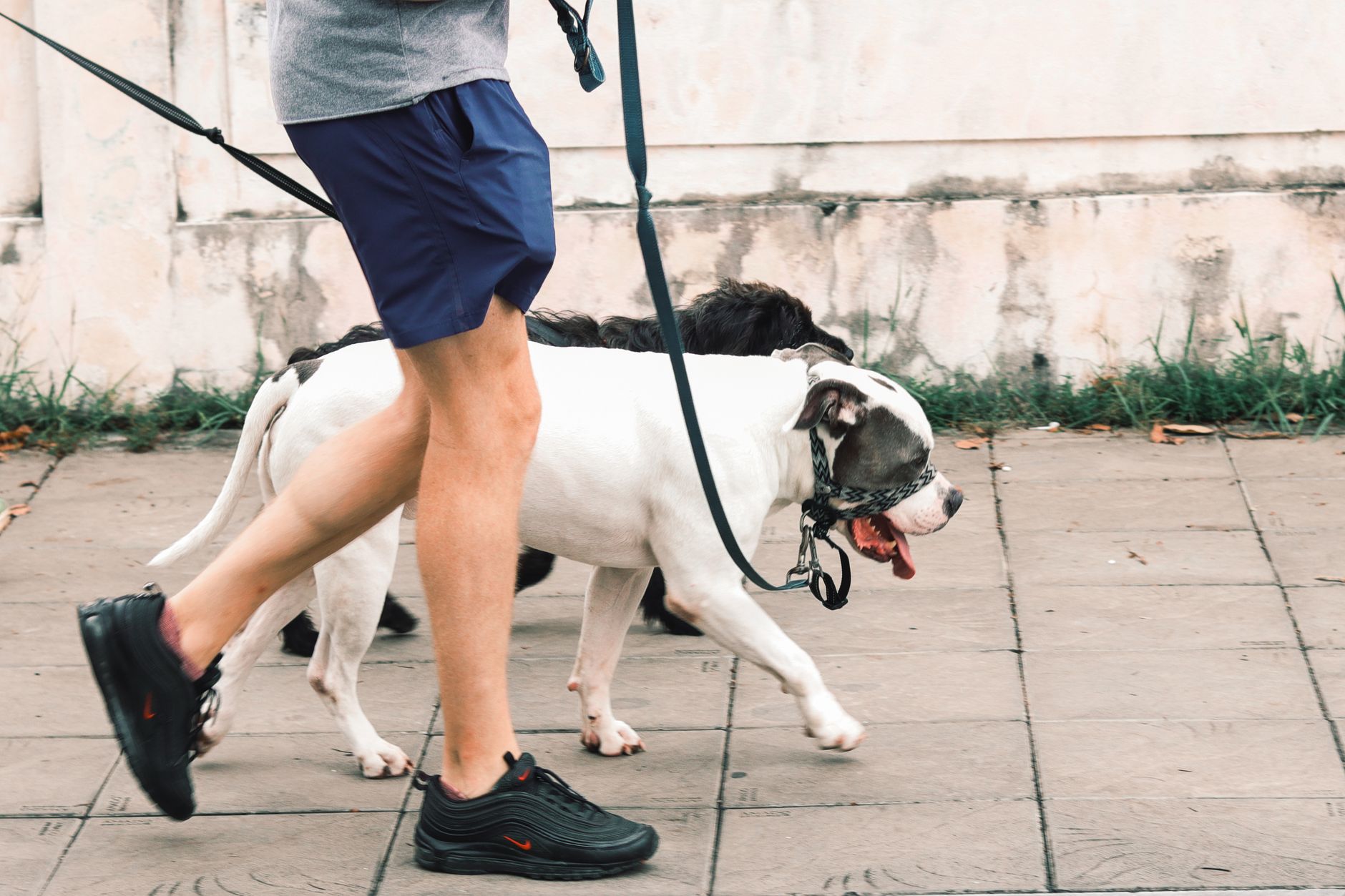
Your dog's windpipe is an incredibly fragile biological structure protected only by soft, C-shaped rings of cartilage. When you attach a leash directly to a flat neck collar, all of their kinetic energy concentrates directly onto this vulnerable airway. This intense, localized pressure physically flattens the cartilage, causing severe tracheal collapseand a terrifying, honking cough.
The Opposition Reflex
You might assume your dog pulls against their collar to establish dominance, but the truth is entirely rooted in canine biology. Dogs possess an innate biological response called the opposition reflex, which automatically triggers their muscles to lean heavily against physical pressure. When the collar tightens around their throat, their brain literally forces them to push forward even harder, creating an endless cycle of tension.
Agitating the Struggle: The Worst Leashes on the Market
The Retractable Leash Nightmare
Retractable leashes are the absolute worst, most dangerous tool ever invented for teaching a dog proper walking manners. These spring-loaded plastic devices maintain constant, low-level tension on the dog's body, explicitly teaching them that pulling actively rewards them with more freedom. Furthermore, the thin cord frequently causes severe friction burns or even finger amputations if it rapidly wraps around a human hand.
Choke Chains and Prong Collars
You cannot permanently fix a behavioral problem using tools that rely entirely on inflicting physical pain and fear. Metal choke chains and sharp prong collars operate by restricting airflow and pinching the delicate skin around the cervical spine. Protecting their skeletal structure is your primary responsibility, meaning you must immediately stop relying on pain compliance to control their body weight.
The Solution: The Best Leash and Harness Combinations
The Standard Six-Foot Static Leash
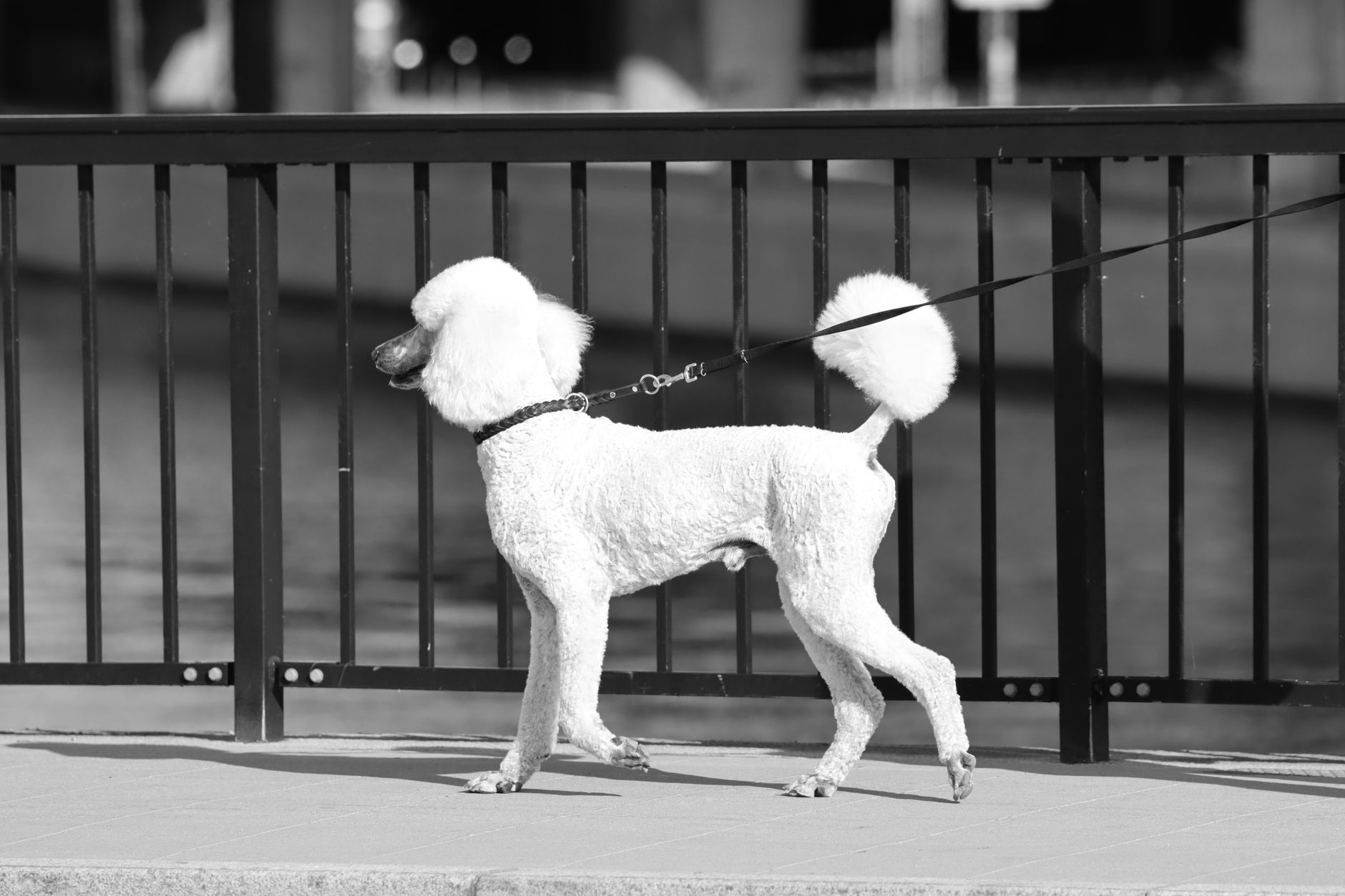
The absolute gold standard for everyday walking is a simple, non-elastic six-foot leash made from high-quality nylon or genuine leather. This specific length provides enough slack for your dog to comfortably sniff the grass while keeping them close enough to manage sudden environmental hazards. A static leash establishes clear, highly predictable physical boundaries that your dog can easily understand and respect.
When selecting your primary static leash, prioritize these specific construction features:
- Heavy-duty stitching: Ensure the seams near the handle and the clip are reinforced to withstand sudden, explosive lunges.
- A secure metal carabiner: Avoid cheap plastic clips that easily shatter in cold weather; opt for solid brass or stainless steel hardware.
- Appropriate width: Use a thick one-inch leash for large, powerful breeds, and a lighter half-inch leash for small toy breeds.
The Game-Changing Front-Clip Harness
You must completely abandon the neck collar and transition your dog to a heavy-duty, Y-shaped front-clip harness. Unlike standard back-clipping harnesses that activate their sled-pulling instincts, a front-clip design rests directly across their chest and connects in the very front. The absolute second they attempt to lunge forward, the leash tension gently redirects their shoulders backward toward your body.
Protecting the Joints with a Y-Shape
Not all harnesses are created medically equal; you must strictly avoid horizontal chest straps that pin the dog's shoulders down. A proper Y-shaped harness allows for total, unrestricted extension of the front limbs during a walk or run. This specific design actively prevents unnatural joint friction, heavily reducing their long-term risk of developing arthritis or hip dysplasia secondary to gait compensation.
Specialized Gear for Specific Canine Behaviors
Martingale Collars for Escape Artists
Certain breeds, like Greyhounds and Whippets, possess heads that are physically narrower than their muscular necks. If these specific sighthounds suddenly panic and pull backward, they will instantly slip out of a standard flat collar and escape into traffic. A martingale collar utilizes a specialized dual-loop design that gently tightens just enough to prevent escape without violently choking the airway.
Martingales are highly recommended by veterinarians and rescue organizations exclusively for their safety benefits. They are absolutely not designed to be used as corrective training tools or choke collars. You must ensure the collar is adjusted so the two metal rings never actually touch when fully tightened.
Head Halters for Giant Breeds
If you weigh 120 pounds and own a 150-pound Mastiff, a front-clip harness may still not provide enough physical leverage in an emergency. A head halter operates exactly like a horse's bridle, wrapping gently around the dog's muzzle to control the exact direction of their head. Where the dog's head goes, their heavy body must biologically follow, granting you effortless physical control over massive animals.
You must meticulously desensitize your dog to wearing a head halter using heavy food rewards before ever taking them outside. If you simply strap it on and drag them outside, they will spend the entire walk violently pawing at their own face. Never forcefully yank a leash attached to a head halter, as this can cause severe whiplash and catastrophic cervical spine trauma.
Long Lines for Recall and Retrieving
When you are transitioning from indoor obedience to an open, unfenced park, a standard six-foot leash is too restrictive. A 30-to-50-foot training long line allows your dog to safely practice emergency recall, deep sniffing, and distance retrieving while legally remaining under your control. This specialized tool bridges the critical gap between leash confinement and total off-leash freedom.
To safely utilize a long line in an open field, you must follow these strict safety protocols:
- Never attach it to a neck collar: The massive momentum generated over 30 feet will snap their neck if they hit the end; always clip it to a sturdy back-attachment harness.
- Avoid crowded areas: Do not use long lines on busy sidewalks or public hiking trails where the slack can easily trip other pedestrians or cyclists.
- Manage the slack manually: Actively coil and uncoil the line in your hands to prevent the dog from becoming dangerously tangled in the excess cord.

The Bottom Line on Walking Equipment
The equipment you choose directly dictates the safety, health, and behavioral success of your daily walking routine. Ditching the outdated neck collars and retractable lines immediately eliminates the massive medical risks to their fragile respiratory system. By investing in a high-quality static leash and a front-clip harness, you instantly establish the physical foundation required to build a highly responsive, polite canine companion.
Disclaimer: This article is for informational purposes only and does not constitute veterinary medical advice. Always consult with a licensed veterinarian before altering your pet's diet, starting a new training regimen, or addressing health concerns.


