Three-Legged Shelter Dog Saves Suicidal Veteran: Jim & Amora
Introduction
Sometimes the most unlikely heroes have four legs—or, in this case, three. Jim Brakewood Jr., a 6'2" veteran who served two tours in Iraq, found himself at the lowest point of his life after returning home. Shot in the head in Mosul during his second tour, Jim survived against the odds, earning a Purple Heart and a diagnosis of PTSD. But the invisible wounds of war proved harder to heal. Jim turned to drinking, and suicidal thoughts became a constant companion. He felt lost, purposeless, and alone.
Then he met Amora—a three-legged Staffordshire Bull Terrier recovering from a car accident that cost her a back leg. She was fresh out of surgery, wearing a cone and bandages, when Jim walked into a humane society looking for a puppy. He walked out with something far more valuable: a reason to live. This is the story of how a broken dog and a broken soldier saved each other, and why their bond continues to inspire rescue efforts today.
Jim Brakewood Jr.: A Veteran's Story
Jim Brakewood Jr. is not a man who blends into a crowd. At 6'2", he has a commanding presence, but his journey since returning from war has been anything but easy. He served two tours in Iraq, and during his second tour in Mosul, he was shot in the head. Miraculously, he survived. For his service and sacrifice, Jim earned a Purple Heart. But the physical wound was only part of the battle. He was also diagnosed with PTSD, a condition that would come to define his daily life.
The transition from combat to civilian life was brutal. Jim found himself struggling with the invisible scars of war—the memories, the hypervigilance, the feeling of being disconnected from the world around him. According to iHeartDogs, he turned to drinking as a way to cope. The alcohol numbed the pain temporarily, but it also deepened his despair. Suicidal thoughts crept in, and Jim felt himself slipping further into darkness. He was a decorated veteran, a survivor of a gunshot wound to the head, yet he couldn't find a reason to keep going. The war had ended, but his personal battle was just beginning.
It's a story that resonates with far too many veterans. The transition to civilian life can be isolating, and the stigma around mental health can prevent people from seeking help. Jim's experience is a stark reminder that survival isn't just about making it home—it's about finding a way to live once you're there. For Jim, that way came in the form of a three-legged dog who needed him as much as he needed her.
Meeting Amora at the Shelter
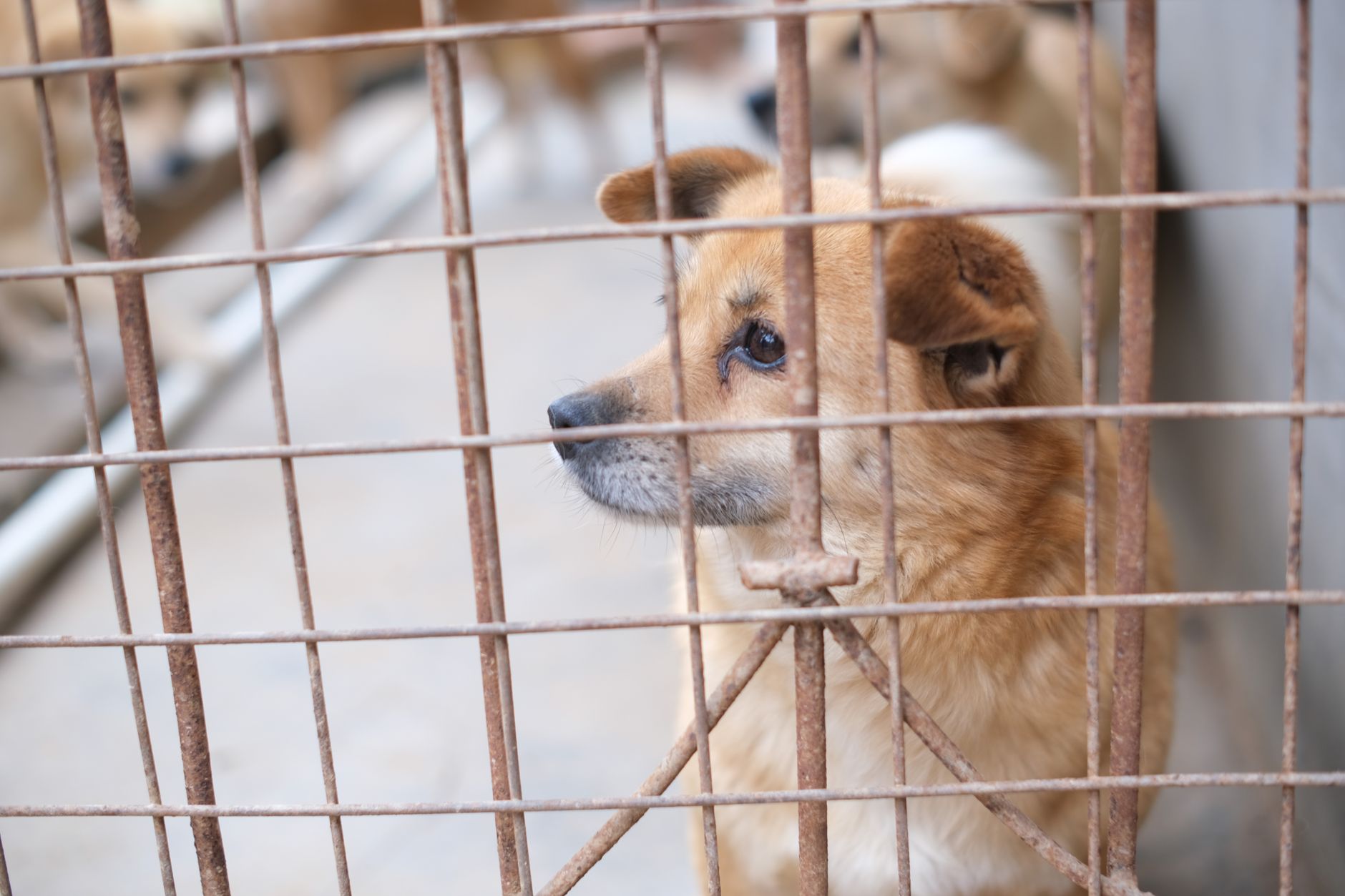
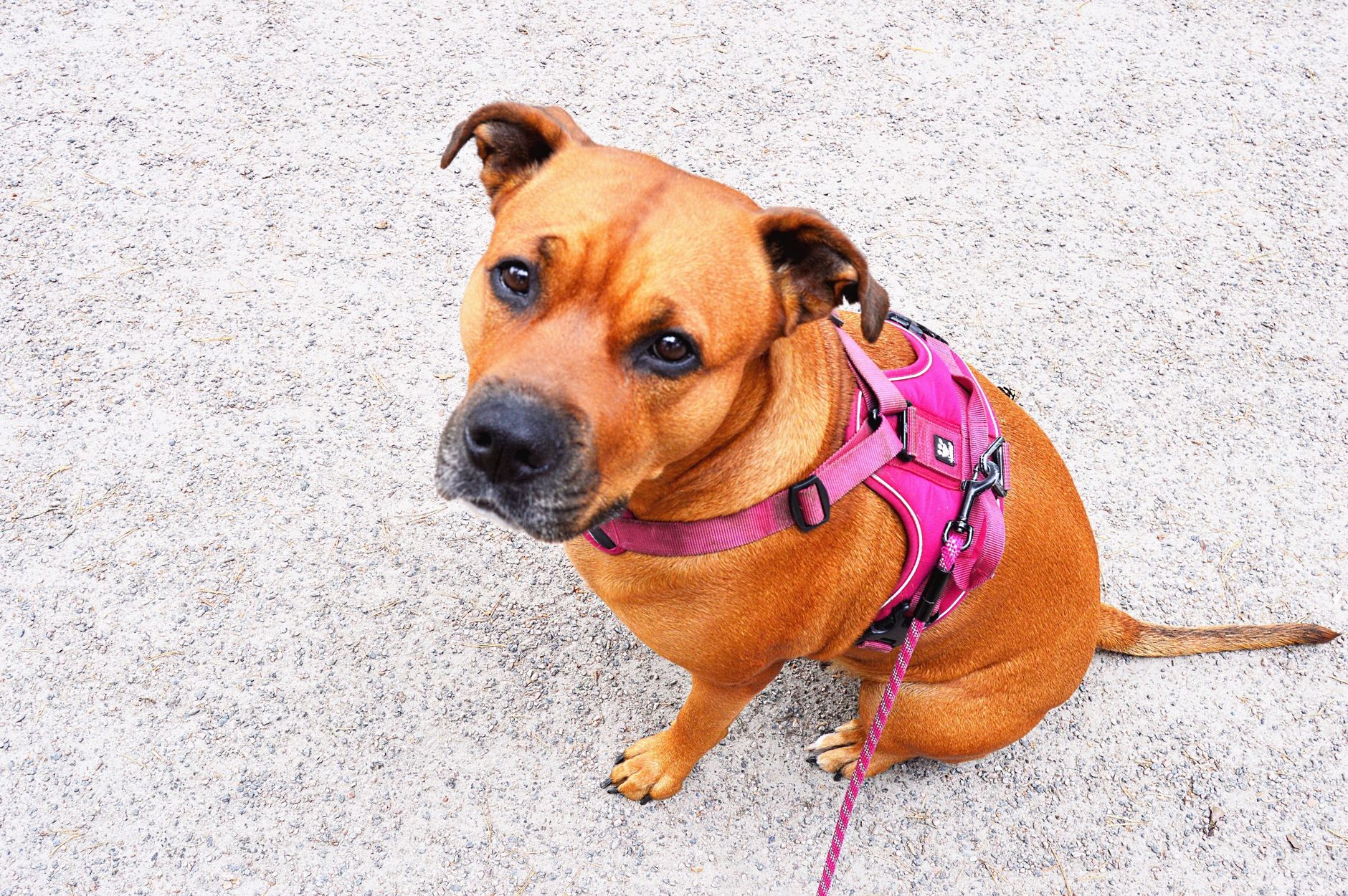
Jim's decision to visit a humane society was born from a simple desire: he wanted a puppy. Something about the idea of raising a dog from scratch appealed to him, perhaps a chance to nurture something innocent and untouched by the world's cruelties. But fate had other plans. Instead of a playful puppy, Jim's eyes fell on Amora—a Staffordshire Bull Terrier who had recently had her back right leg amputated after a car accident. Her surgery was fresh, and she wore a cone around her neck, with bandages and stitches still visible. She was not the picture of vitality, but there was something in her eyes that spoke to Jim.
Amora was a three-legged dog in a shelter, a combination that often makes dogs overlooked by potential adopters. But Jim saw past her missing limb and the medical gear. He saw a survivor. According to iHeartDogs, Jim said of that moment: "I knew my life had changed. I couldn't kill myself anymore. I knew I had to stay alive to protect her and make sure she was ok. She needed me. I needed her." It was a profound realization—one that instantly shifted his perspective. In Amora, Jim found a being who was vulnerable, dependent, and in need of care. For a man who had felt useless and adrift, that responsibility was a lifeline.
The shelter setting itself may have played a role. Humane societies are full of animals waiting for a second chance, and Jim was there to give one. But he ended up receiving one instead. Amora's condition—fresh from surgery, bandaged, and wearing a cone—made her especially fragile. Yet her spirit, though unseen in the moment, was undeniable. Jim didn't need a perfect dog; he needed a dog who needed him. And Amora needed someone who understood pain and survival. Their meeting was not just an adoption—it was a mutual rescue.
How Amora Changed Jim's Life
The transformation in Jim's life after adopting Amora was nothing short of remarkable. In a single moment at the shelter, the fog of despair began to lift. He went from contemplating suicide to understanding that he had a purpose: to protect and care for this three-legged dog. That sense of responsibility became a cornerstone of his recovery. According to iHeartDogs, Jim said that Amora "gives my life purpose and direction" and "gave me the will to live." These are not casual statements; they are the words of a man who had stared into the abyss and found a reason to step back.
What makes Jim and Amora's bond even more striking is its simplicity. Amora is not officially a "service animal" or a "therapy dog." Jim trained her "in almost no way" beyond coming when called. There are no elaborate tasks or trained responses. Their connection is built on something more fundamental: love, need, and mutual dependence. Amora's presence alone was enough to anchor Jim. She didn't need to perform; she just needed to be there. And in being there, she gave Jim a reason to get up each day, to stay sober, and to keep fighting.
The practicalities of caring for a three-legged dog also played a role. Amora required extra attention, especially as she recovered from surgery. Jim had to ensure her bandages were clean, her cone stayed on, and her mobility was supported. These tasks, though mundane, provided structure and meaning. They filled his days with purpose and kept his mind occupied. The act of caring for another creature can be profoundly healing, and for Jim, it was a form of therapy that no prescription could match. Amora didn't judge him for his past or his struggles; she simply loved him. And that unconditional love was the medicine he needed.
The Pit Bull Stigma and Shelter Dogs
Amora's story also shines a light on the broader issue of shelter dogs, particularly Pit Bulls and similar breeds. According to iHeartDogs, Pit Bulls make up 40% of the 1.5 million dogs euthanized in shelters each year. This staggering statistic reflects a widespread stigma that often condemns these dogs based on breed stereotypes rather than individual behavior. Amora, a Staffordshire Bull Terrier, is a prime example of how a dog labeled as "dangerous" or "unadoptable" can actually be a source of immense healing and love.
When Jim met Amora, she was not only a Pit Bull-type dog but also a three-legged one. Both characteristics made her less likely to be adopted. Many potential adopters overlook dogs with disabilities, fearing extra care costs or limited mobility. Similarly, breed-specific legislation and societal prejudices often keep Pit Bulls in shelters longer, if they make it out at all. Jim's choice to adopt Amora challenged both stigmas. He saw her not as a burden but as a blessing. Her missing leg didn't define her, and her breed didn't determine her worth. What mattered was her heart.
Amora's story serves as a powerful argument against breed discrimination. It's a reminder that every dog is an individual, capable of forming deep bonds and providing comfort. The fact that Amora was a three-legged Pit Bull mix makes her adoption even more special. She was the underdog in every sense of the word, and yet she became a hero. By sharing their story, Jim and Amora helped raise awareness about the plight of shelter dogs, especially those with disabilities or breed labels. Their bond proves that love knows no breed and that second chances are possible for both dogs and humans.
Amora's Legacy and Jim's Continued Rescue Work
Tragically, Amora's story does not have a fairy-tale ending. According to iHeartDogs, Amora died in a tragic accident shortly after Jim shared their story. The loss was devastating, but it did not undo the transformation she had sparked in Jim's life. Her legacy lived on in the man she had saved. Jim later rescued a dog named Logan, continuing the cycle of rescue and love that Amora had started. This decision speaks volumes about the impact Amora had on him. He didn't retreat into grief or despair; instead, he honored her memory by giving another dog a chance.
Amora's story touched many lives, and the photos by Joseph Gianetti of @photographingstrength helped capture the essence of their bond. Those images, and the story they tell, continue to inspire people to consider adoption and to look beyond a dog's imperfections. Amora may have only had three legs, but she stood tall as a symbol of hope. She showed that even a dog with fresh stitches and a cone could heal a broken soldier. And Jim, by opening his heart to another dog after losing her, showed that healing is not a one-time event but a continuous journey.
Jim's continued rescue work is a testament to the power of second chances. He could have easily given up after losing Amora, but instead, he chose to rescue again. That choice reflects the lessons Amora taught him: that life is precious, that purpose can be found in caring for others, and that love is worth the risk of loss. Amora's legacy is not just in the story she and Jim shared, but in the ongoing rescue efforts that Jim continues. She gave him the will to live, and he uses that will to give other dogs a chance at a happy life. It's a beautiful cycle of salvation that began with a three-legged dog and a suicidal veteran.
What Jim and Amora Teach Us About Rescue Dogs and Mental Health
Their story is more than a heartwarming anecdote—it's a case study in how rescue dogs can transform lives. For veterans and others struggling with mental health, adopting a dog can provide structure, companionship, and a sense of purpose. Amora wasn't a trained therapy dog, but she offered something equally powerful: unconditional love and a reason to get up each morning. If you're considering adoption, be prepared for the challenges—such as helping a rescue dog adjust to a new home. Our guide on how to stop separation anxiety in dogs offers practical steps. Also, understanding the first few weeks is crucial; read 7 Brutal Truths: What to Expect First 30 Days After Adopting a Dog to set realistic expectations. And before you adopt, ask the right questions—see Stop the Heartbreak: 11 Mandatory Questions to Ask Foster Before Adopting a Dog.
Special-needs dogs like Amora often get overlooked, but they can be incredibly rewarding. If you're worried about costs, our article on 5 Hidden Truths: The Average Adoption Fee for a Dog at Local Shelter Explained breaks down what to expect. And if you want to help shelters without adopting, consider donating supplies—but make sure it's what they actually need: Stop Donating Junk: The Truth About What Supplies Are Needed Most By Animal Shelters.
Amora's story also highlights the resilience of three-legged dogs. Just like the Three-Legged Husky Shot and Left to Die Shows the World What She Didn't Lose, Amora didn't let her missing limb define her. These dogs adapt remarkably well and live full, happy lives. For more inspiring stories of overlooked dogs, read The Rescue Called Him ‘Unadoptable’—Then He Felt Grass for the Very First Time and The War Hero Nobody Wanted to Touch—Until a Broken Veteran Opened His Door.
Conclusion
Jim and Amora's story is a powerful reminder that healing can come from the most unexpected places. A three-legged shelter dog and a suicidal veteran found in each other a reason to live. Amora's legacy continues through Jim's rescue work and through the countless lives they've inspired. If you're considering adding a dog to your family, remember that every dog—regardless of breed, age, or disability—has the potential to change your life. Visit your local shelter and see for yourself.
Source: iHeartDogs