101 Dogs Evacuated: How Local Heroes Saved a Shelter
When historic floodwaters threatened the Animal Protection League (APL) in Anderson, Indiana, in mid-August 2026, the shelter was caring for more than 300 animals. Among them were 101 dogs whose lives hung in the balance as Central Indiana endured repeated thunderstorms and heavy rain from August 11–17, 2026. In some areas, more than a foot of rain fell, and the White River at Anderson reached a record crest that exceeded the previous record set in 1913. With the shelter located next to the city’s water pollution control plant, APL had to treat the floodwater as potentially contaminated by raw sewage. As water rose, staff and volunteers faced an urgent mission: evacuate every animal to safety. Thanks to swift action, community support, and the generosity of iHeartDogs Hero VIP Club members, all approximately 300 pets were evacuated and found emergency foster placement or were pulled or housed by a partner rescue. This is the story of how local heroes—and dog lovers everywhere—turned a potential tragedy into a heartwarming triumph.
The Flood Threat and Emergency Evacuation
The Animal Protection League in Anderson, Indiana, is no stranger to caring for animals in need, but nothing could have prepared the staff for the historic flooding that struck in mid-August 2026. From August 11–17, Central Indiana was pounded by repeated thunderstorms and heavy rain. In some areas, more than a foot of rain fell, causing the White River at Anderson to reach a record crest that exceeded the previous record set in 1913. The shelter, which was caring for more than 300 animals at the time, suddenly found itself in the path of rising, dangerous waters.
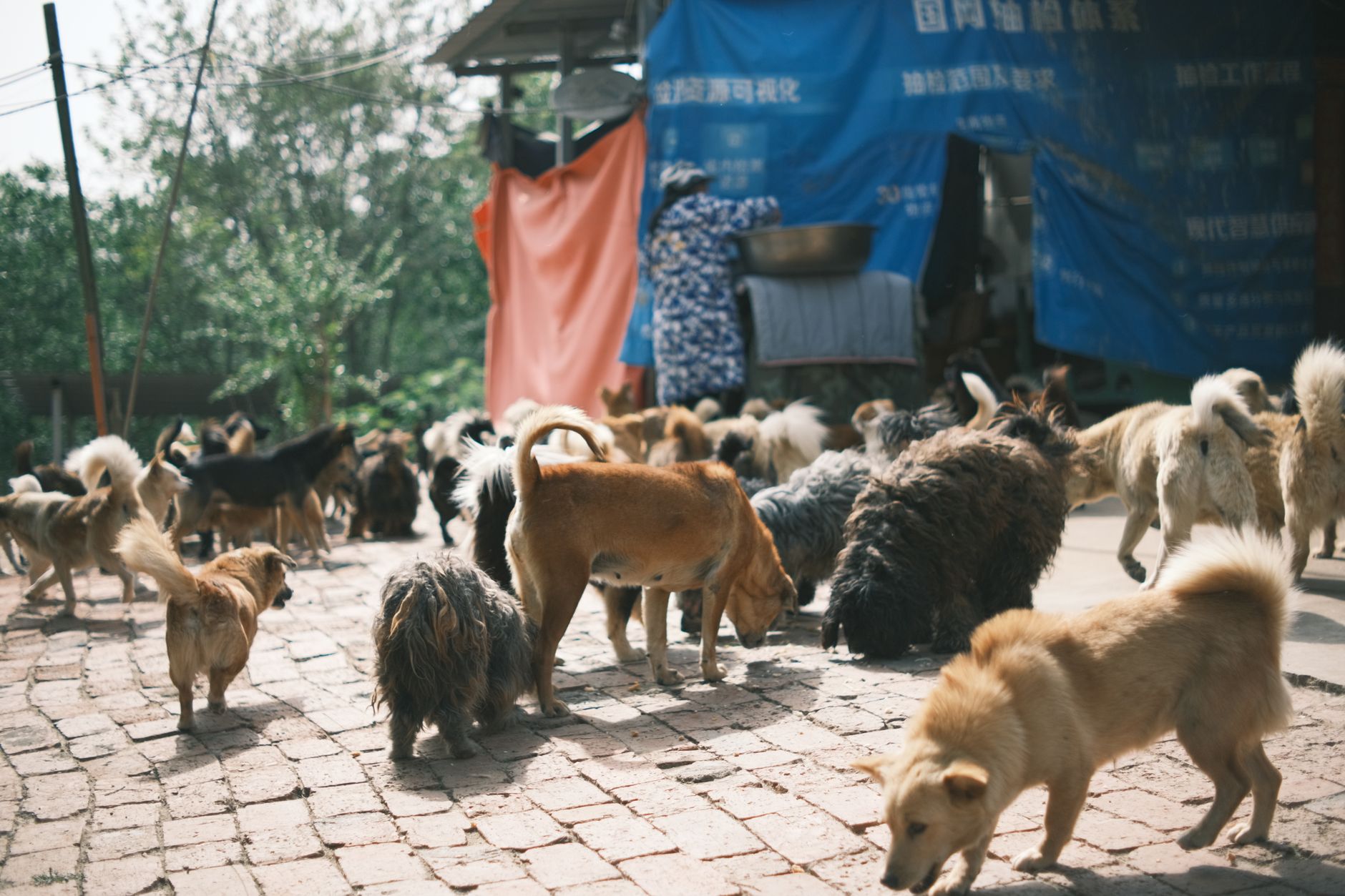
Because APL sits next to the city’s water pollution control plant, the floodwater was considered potentially contaminated by raw sewage. That meant every minute counted—not just for the animals’ safety, but for the health of everyone involved. Staff and volunteers sprang into action, working tirelessly to evacuate 101 dogs along with the other animals in their care. The evacuation was a massive undertaking, but the team refused to leave anyone behind.
Evacuated dogs were taken to temporary placements, including a local fairground barn, where they could stay dry and safe. The shelter itself was left with approximately two feet of water inside for around 48 hours. The damage was extensive, but the immediate priority was clear: get every animal out. Thanks to the dedication of APL’s team and the community’s quick response, all approximately 300 pets were successfully evacuated and placed in emergency foster homes or with a partner rescue. It was a remarkable feat that set the stage for an even more inspiring recovery.
Community Rallies to Rescue 101 Dogs
As word spread about the flooding at APL, the local community and beyond rallied to help. The shelter’s staff and volunteers had already accomplished the incredible task of evacuating 101 dogs, but the animals needed ongoing care. Volunteers traveled to Middletown Animal Hospital to walk dogs that were boarded there, ensuring they received exercise and attention during their temporary stay. Others stepped up to help with the many logistical challenges of housing hundreds of displaced pets.
APL also obtained outdoor kennels for its veterinary technician’s farm, creating emergency space for up to 10 dogs. This creative solution provided a safe, temporary home for dogs who needed a place to land while the shelter was underwater. Meanwhile, the shelter’s adoption team held meet-and-greets in the dog park to facilitate connections between available dogs and potential adopters. These events gave dogs a chance to socialize and helped them find loving homes despite the chaotic circumstances.
But APL’s compassion didn’t stop at its own doors. The shelter also helped neighboring pet owners and another rescue that suffered greater flood damage. In a time of crisis, APL chose to extend a helping hand to others, embodying the spirit of community that defines the animal welfare world. Every action, from walking dogs at a partner hospital to setting up temporary kennels, was powered by volunteers and supporters who refused to let the flood win. Their efforts ensured that the 101 dogs evacuated from APL—and the many other animals in their care—were safe, cared for, and loved until they could find their next chapter.
If you’ve ever wanted to volunteer at a local animal shelter, this story shows how even small acts of kindness can make a huge difference during a crisis.
From 101 Dogs to 23: Adoption and Foster Success
In the weeks following the flood, the Animal Protection League’s shelter underwent a remarkable transformation. A restoration company cleaned and sanitized the building before animals and staff could return, ensuring the space was safe after being inundated with potentially sewage-contaminated water. APL staff then repaired damaged areas, replaced flooring, installed a new sink and cabinets, sorted supplies, and kept administrative work moving. Volunteers helped refresh the shelter with new paint, giving the building a fresh, welcoming feel for the animals and visitors alike.
The results of these efforts are nothing short of inspiring. By September 5, only 23 dogs were at the shelter, compared with 101 on the night of the flood. That dramatic drop reflects the incredible success of the adoption and foster programs. Some dogs were adopted, others stayed in temporary foster care, and some foster families could not bear to say goodbye—a testament to the deep bonds formed during the crisis. The adoption team’s meet-and-greets in the dog park played a key role in facilitating these connections, helping dogs find their forever homes or loving foster families.
The journey from 101 dogs to 23 is a powerful reminder of what a community can achieve when it comes together. Every adoption, every foster placement, and every volunteer hour contributed to this success. The shelter’s director perhaps said it best: “Beautiful things come from tragedy.” In the midst of historic flooding, APL and its supporters proved that even the darkest moments can lead to bright new beginnings for the animals in their care.
If you’re considering adopting a dog from a shelter, it’s helpful to know the questions to ask a foster before adopting and to understand the first 30 days after adopting a dog. These resources can help you prepare for a smooth transition.
Hero VIP Club Support Helps APL Rebuild
As the Animal Protection League worked to recover from the flood, iHeartDogs Hero VIP Club members stepped up in a big way. These dedicated dog lovers supported APL through donations and dog care packages packed with collars, slip leads, toys, and treats. These supplies were more than just material goods—they were lifelines for dogs who had lost their routines and comfort. The care packages provided enrichment and joy during a stressful time, while the donations helped APL cover the costs of evacuation, temporary housing, and rebuilding.
The support from Hero VIP Club members came at a critical moment. With the shelter left with approximately two feet of water inside for around 48 hours, and with floodwater potentially contaminated by raw sewage, the cleanup and restoration process was extensive. Donations helped APL obtain outdoor kennels for its veterinary technician’s farm, creating emergency space for up to 10 dogs. They also contributed to the repair of damaged areas, replacement of flooring, and installation of a new sink and cabinets. Every dollar and every care package made a difference.
But the impact went beyond physical repairs. The knowledge that people across the country cared about their mission lifted the spirits of APL’s staff and volunteers. The Hero VIP Club’s support was a reminder that they were not alone in their fight to save animals. As APL continued to help neighboring pet owners and another rescue that suffered greater flood damage, the generosity of Hero VIP Club members helped make that outreach possible. It was a beautiful example of how a community of dog lovers can come together to support one another in times of need.
If you’re wondering what supplies are needed most by animal shelters, the care packages APL received—collars, slip leads, toys, and treats—are a great example of items that truly help.
A Community’s Compassion Shines Through Tragedy
The story of the Animal Protection League’s flood evacuation and recovery is one of overwhelming compassion. When historic floodwaters threatened the shelter in mid-August 2026, the team faced a daunting challenge: evacuate more than 300 animals, including 101 dogs, as the White River at Anderson reached a record crest that exceeded the previous record set in 1913. With the shelter located next to the city’s water pollution control plant, the floodwater was treated as potentially contaminated by raw sewage, adding urgency and danger to every step.
Yet in the face of this crisis, local heroes emerged. Staff and volunteers worked around the clock to move animals to safety, including temporary placements at a local fairground barn. Volunteers traveled to Middletown Animal Hospital to walk dogs boarded there, and APL obtained outdoor kennels for its veterinary technician’s farm, creating emergency space for up to 10 dogs. The adoption team held meet-and-greets in the dog park, helping dogs connect with new families. And when the waters receded, a restoration company cleaned and sanitized the building, staff repaired damaged areas and replaced flooring, and volunteers refreshed the shelter with new paint.
The support from iHeartDogs Hero VIP Club members—through donations and dog care packages packed with collars, slip leads, toys, and treats—helped APL rebuild and continue its mission. The shelter even extended a hand to neighboring pet owners and another rescue that suffered greater flood damage. As APL’s director said, “Beautiful things come from tragedy.” By September 5, only 23 dogs remained at the shelter, compared with 101 on the night of the flood. Some dogs were adopted, others stayed in temporary foster care, and some foster families could not bear to say goodbye. It’s a heartwarming testament to what happens when a community refuses to give up on its animals.
How You Can Help After a Shelter Disaster
Inspired by APL’s story? Here are practical ways you can support animal shelters during emergencies:
- Donate money or supplies. Shelters often need cash for emergency boarding, medical care, and repairs. Check the shelter’s wish list for specific items like collars, slip leads, toys, and treats. Understanding the average adoption fee for a dog at a local shelter can also help you decide how to give.
- Foster or adopt. Emergency foster homes are critical during disasters. If you’re considering adopting, learn the signs a stray dog is friendly and how to avoid transitioning a stray dog to living indoors.
- Volunteer your time. Whether you walk dogs, help with cleanup, or assist at adoption events, your time is invaluable. If you’re under 18, there are still ways to help—see our guide on how to volunteer at a local animal shelter.
- Prepare for anxiety. Displaced dogs may suffer from stress. Our step-by-step guide to stop separation anxiety in dogs can help foster families create a calm environment.
Frequently Asked Questions
How many dogs were evacuated from the Animal Protection League? 101 dogs were evacuated, along with approximately 300 total animals.
What caused the flooding? Repeated thunderstorms and heavy rain from August 11–17, 2026, caused the White River at Anderson to reach a record crest exceeding the 1913 record.
How did iHeartDogs Hero VIP Club members help? They donated money and sent care packages with collars, slip leads, toys, and treats, which helped with evacuation, temporary housing, and rebuilding.
What happened to the dogs after the flood? By September 5, only 23 dogs remained at the shelter. Many were adopted or placed in foster care, and some foster families chose to keep them permanently.
How can I help my local shelter during a disaster? You can donate, foster, adopt, or volunteer. Even small contributions make a big difference.
Source: iHeartDogs


