iHeartDogs Rescue Road Trips: How One Little Black Dog Saved 533 Dogs
Introduction
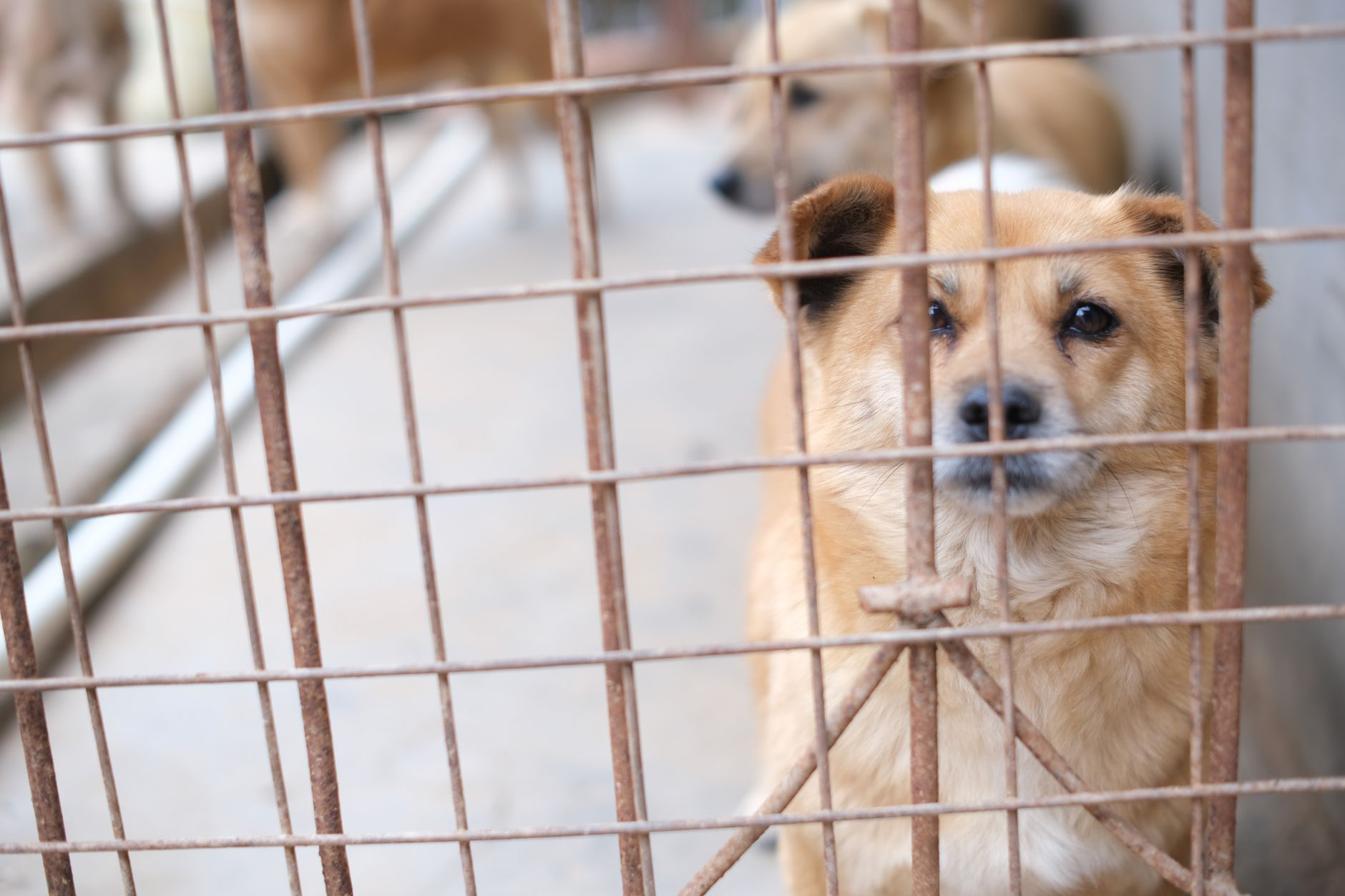
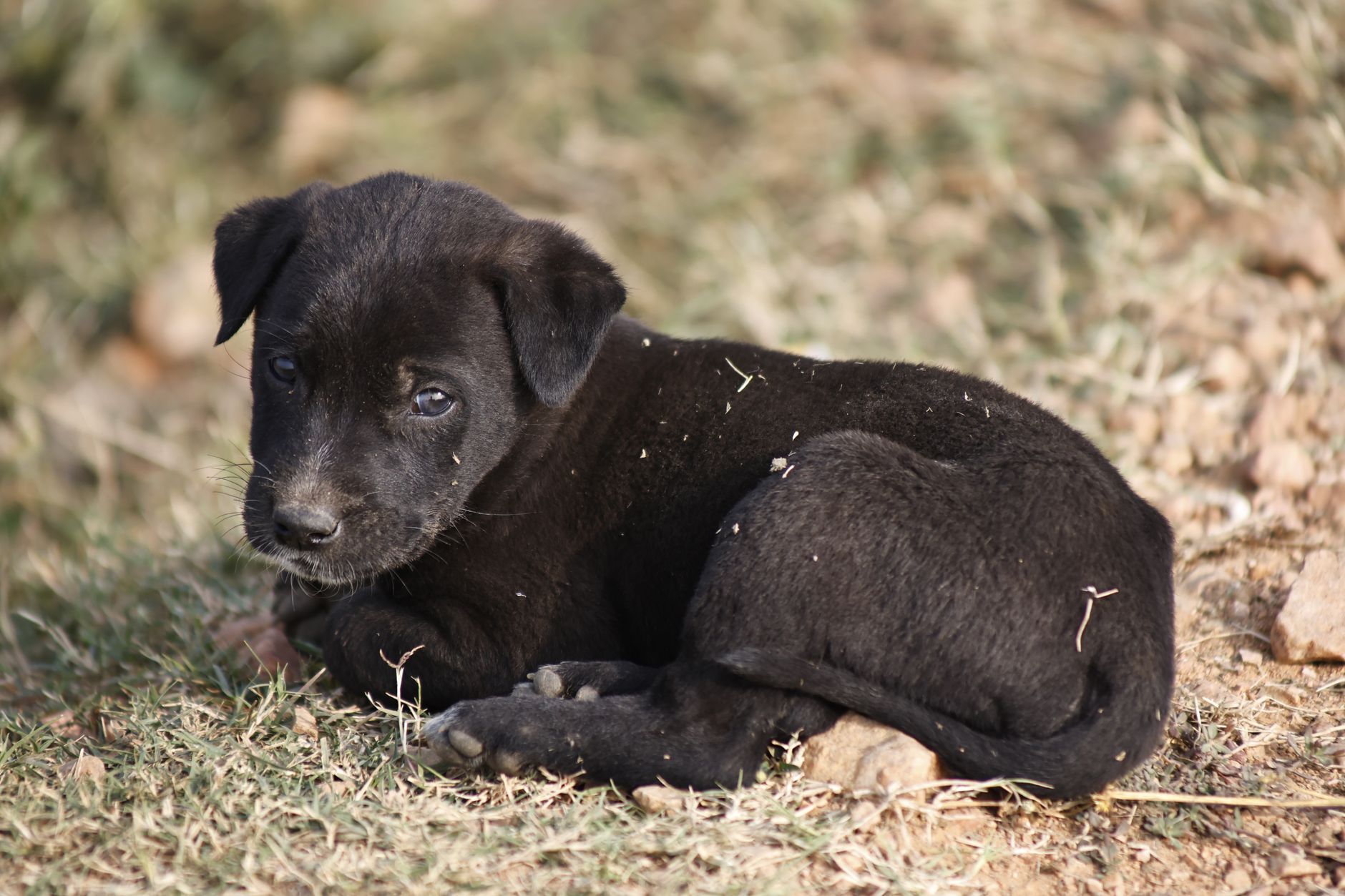
In rural Bosque County, Texas, there is no animal control and no open intake shelter. Dogs in need rely entirely on volunteers, fosters, and rescue groups. One of those rescuers is Alexis Sibila, president of BARK Rescue. Her journey began with two dogs living under a bridge—dogs she named Black Dog and Brown Dog.
What started as a simple act of kindness—feeding them twice a day for five months—grew into a mission that has saved hundreds of dogs and sparked a national movement. Today, Alexis works a full-time job while running BARK Rescue with her friend Chelsea. Her story is one of heartbreak, hope, and the power of community. It's also the story behind iHeartDogs Rescue Road Trips, which officially began in August 2025 with support from the iHeartDogs community.
From Bridge to Rescue: The Story of Black Dog and Brown Dog
Alexis first spotted Black Dog and Brown Dog living under a bridge in rural Bosque County. With no animal control or open intake shelter to call, she took matters into her own hands. She fed the two dogs twice a day for five months, building trust and keeping them from going hungry.
Then came news that changed everything: both dogs were pregnant. A veterinarian estimated they were carrying about 23 puppies total. Alexis spent $567 of her $600 credit card limit to spay both dogs, preventing an explosion of litters that would have been impossible to care for in an area with so few resources.
Brown Dog is still with Alexis today. Black Dog, however, died in a tragic accident. The loss hit hard—but it ignited something powerful. After Black Dog's death, 10 to 15 friends gave Alexis a card with money to save dogs in Black Dog's honor. That gift helped BARK Rescue start its transport program, and another organization donated a transport van. What began as a tribute to one little black dog would go on to save hundreds more.
Alexis's lifelong love for animals started early. She grew up with a Texas game warden father and often cared for injured or orphaned wild animals. Her first horse, Cindy, taught her responsibility for another life. That foundation of compassion and duty now drives everything she does at BARK Rescue.
Building BARK Rescue's Transport Program
BARK Rescue's transport program began after Bosque County lost its previous transport resource. Without that lifeline, dogs had even fewer ways to reach safety. The gift in Black Dog's honor, combined with the donated transport van, gave Alexis and her team the tools to move dogs out of overcrowded rural areas and into regions where adopters were waiting.
In its first year, BARK's transport program saved 533 dogs—more than one dog saved every single day. The program requires immense coordination. During Rescue Road Trip weeks, Alexis prepares paperwork, veterinary records, health certificates, and transport binders. She does all of this while working a full-time job, running BARK Rescue with Chelsea, and caring for her own animals at home.
The challenges of rural rescue are constant. There are more dogs needing help than there are foster homes, and affordable veterinary care—especially spay and neuter services—is a major challenge. BARK Rescue has driven as far as six hours to access free spay and neuter services. That's a 12-hour round trip just to ensure dogs are fixed and healthy before transport.
Alexis started with BARK as an outside volunteer helping with fundraising and became president a couple of years ago. Her hands-on experience under the bridge shaped her understanding of what rural dogs truly need: not just rescue, but prevention, transport, and community support.
How iHeartDogs Rescue Road Trips Began
Alexis connected with iHeartDogs after BARK paired a dog with a veteran through the Hope Lives Here program. That connection blossomed when Alexis sent a video of a trip to Karl's Canine Krew in Colorado to Catherine at iHeartDogs, who shared it with Marshall, iHeartDogs' CEO. Marshall was so inspired that he suggested the name "Rescue Road Trip."
The iHeartDogs Rescue Road Trips officially began in August 2025 with support from the iHeartDogs community. These trips are a collaborative effort to transport at-risk dogs from areas like Bosque County to safety, often covering long distances and involving multiple rescue partners.
iHeartDogs has a long history of supporting animal welfare. The organization has helped fly 1,201 at-risk dogs to safety and funded 50 million meals for shelter dogs. It has also funded $66,782 for domestic violence survivors and their pets, and $1,881,595 for service dogs for veterans.
For Alexis, partnering with iHeartDogs has been a game-changer. The visibility and resources that come with the Rescue Road Trips allow BARK Rescue to do more than it ever could alone. Every road trip is a rolling testament to what happens when a community comes together for animals in need.
The Impact: 533 Dogs Saved in the First Year
The numbers tell a powerful story. In its first year, BARK's transport program saved 533 dogs—lives that might otherwise have ended in neglect, abandonment, or euthanasia in a county with no animal control or open intake shelter. Each represents a story like Black Dog's and Brown Dog's.
Behind every number is a network of volunteers, fosters, and rescue partners. Alexis and Chelsea coordinate with receiving shelters and rescues in other states, ensuring dogs have a place to go when they arrive. The donated transport van makes the trips possible, but it's the people who make it happen.
The impact extends beyond the dogs themselves. By transporting dogs out of Bosque County, BARK Rescue reduces pressure on local volunteers and fosters, freeing up space and resources for the next dog in need. And by spaying and neutering before transport—sometimes driving six hours to access free services—BARK Rescue prevents future litters and addresses the root cause of overpopulation.
Alexis's work has not gone unnoticed. The partnership with iHeartDogs has amplified her efforts, bringing national attention to the plight of rural dogs and the heroes who save them.
Challenges of Rural Rescue in Texas
Rural rescue in Texas comes with unique and daunting challenges. In Bosque County, there is no animal control or open intake shelter. When a dog is abandoned or injured, there is no government agency to call. It's up to people like Alexis to step in.
One of the biggest challenges is the sheer number of dogs needing help. There are more dogs needing help than there are foster homes, which means rescues often have to make difficult decisions about which dogs they can take in. Community education and prevention—especially spay and neuter—are critical.
Affordable veterinary care is another hurdle. BARK Rescue has driven as far as six hours to access free spay and neuter services. The $567 Alexis spent to spay Black Dog and Brown Dog was a huge portion of her $600 credit card limit—a stark reminder of how expensive basic veterinary care can be for rural rescuers.
Despite these challenges, Alexis remains undeterred. She lives on ten acres with her husband, four dogs, two cats, two Watusi cows, and a horse. She works a full-time job while running BARK Rescue with Chelsea, and she still finds time to prepare paperwork, veterinary records, health certificates, and transport binders for every Rescue Road Trip.
How You Can Help Dogs Like Black Dog
Alexis's story proves that one person's compassion can spark a movement. Here's how readers can turn inspiration into action:
- Volunteer locally. Alexis started as an outside volunteer helping with fundraising. If you're young, learn how to volunteer at a local animal shelter.
- Donate smart. Before you box up old towels, check what supplies are needed most by animal shelters.
- Foster or adopt a transport dog. Transported dogs often arrive stressed and undersocialized. Learn the signs a stray dog is friendly and approachable and avoid the transitioning a stray dog to living indoors mistakes.
- Prepare for adoption. Ask the right questions to ask a foster before adopting a dog, and know what to expect in the first 30 days after adopting a dog.
- Understand the costs. Adoption fees fund spay/neuter and transport. See the average adoption fee for a dog at a local shelter.
Stories That Prove Transport Saves Lives
Black Dog's legacy lives on in every dog that rides to safety. Consider the stray dog on his last day saved by a 14-hour drive—a reminder that distance is no excuse. Or the dog who waited 1,502 days for a home, proof that visibility and transport change outcomes. And then there's the rescue called him 'unadoptable'—a dog who, like Black Dog, was overlooked until someone refused to give up.
Conclusion
The story of Black Dog and Brown Dog is a reminder that even in the most difficult circumstances, one person's compassion can spark a movement. Alexis Sibila turned her heartbreak into hope, and in doing so, she's saved hundreds of dogs and inspired countless others. The little black dog under the bridge may be gone, but her legacy lives on in every dog that rides to safety on an iHeartDogs Rescue Road Trip.
Source: iHeartDogs