How to Clean a Dog's Ears Safely at Home: Step-by-Step Guide
Keeping your dog's ears clean is an essential part of their overall health and hygiene. However, not all dogs require the same level of ear care. Some dogs naturally have healthy, clean ears and may almost never need cleaning, while others require regular cleaning to prevent dirt buildup that can lead to ear infections. Understanding your dog's individual needs is the first step to ensuring their ears stay in top condition. Healthy dog ears are pink, odorless, and not dirty or inflamed. By learning how to clean your dog's ears properly, you can help prevent common issues and keep your canine companion comfortable and happy. In this guide, we'll explore how often to clean, signs that your dog's ears need attention, what supplies you'll need, and step-by-step instructions for safe ear cleaning at home.
Why Ear Cleaning Matters
Ear infections are one of the most common reasons dogs visit the vet. According to the American Kennel Club, ear infections can be caused by bacteria, yeast, or allergies, and they can be painful and difficult to treat if left unchecked. Regular ear cleaning can help prevent these infections by removing excess wax, dirt, and moisture that create a breeding ground for pathogens. However, it's crucial to clean correctly—over-cleaning or using improper methods can actually increase the risk of infection by irritating the delicate skin inside the ear.
How Often to Clean Your Dog's Ears
The frequency of ear cleaning depends on your dog's breed and individual tendencies. Some dogs naturally produce less wax and have self-cleaning ears, meaning they may require almost no intervention. Others, particularly those with long, floppy ears, are more prone to dirt and moisture buildup, which can lead to infections. Dog breeds with long ears, such as Basset Hounds and Cocker Spaniels, are among those with the highest risk of ear infections, but all breeds can develop them. For these dogs, regular cleaning might be necessary to prevent problems. However, there's no one-size-fits-all schedule. Instead, monitor your dog's ears and clean them when you notice signs of dirt or odor. Over-cleaning can actually irritate the skin, so it's best to err on the side of caution and only clean when needed. If you're unsure about your dog's specific needs, consult your veterinarian for personalized advice.
Signs Your Dog's Ears Need Cleaning
Recognizing when your dog's ears require cleaning is crucial to maintaining their ear health. Common indicators that your dog's ears need attention include a mild odor or more frequent head shaking. These signs suggest that wax or dirt has accumulated and might benefit from cleaning. However, it's important to distinguish between normal cleaning needs and potential health issues. If you notice red, inflamed ears, a yeasty smell, or signs of pain, these may indicate an ear infection, fleas, ear mites, or allergies, and require veterinary attention. In such cases, cleaning at home could worsen the condition or delay proper treatment. Always inspect your dog's ears regularly to determine if cleaning is appropriate or if a visit to the vet is needed.
Supplies You'll Need
Before you begin cleaning your dog's ears, gather the necessary supplies to ensure a safe and effective process. Essential items include a cotton ball or gauze, a dog ear-cleaning solution, and a clean, dry towel. It's vital to use a veterinary-formulated ear cleaner, as these are specifically designed to be safe and effective for dogs. Homemade solutions may contain harmful ingredients that can irritate your dog's ears or cause further damage. Avoid using hydrogen peroxide on a dog's ears; it can irritate healthy skin cells and damage the ear with extended use. Also, never use cotton-tipped swabs or pointed tools, as they can push debris deeper into the ear canal and cause trauma. Having the right supplies on hand makes the cleaning process smoother and minimizes risks.
Step-by-Step Ear Cleaning Instructions
Cleaning your dog's ears at home can be done safely with the correct technique. First, fill the ear canal with the cleaning solution, but avoid touching the tip of the bottle to the ear to prevent contamination. Gently massage the base of the ear for about 30 seconds. This helps loosen dirt and wax. Then, let your dog shake its head to dislodge any debris, which is a natural response. Afterward, gently wipe the outer ear and the opening of the ear canal with a cotton ball or gauze, going no deeper than one knuckle. This prevents pushing debris further down. Never insert anything deep into the ear, as this can cause injury. Throughout the process, keep a clean, dry towel handy to dry your dog's ears and clean up any excess solution. Regular ear examinations help catch problems like ear mites early and condition dogs to tolerate ear handling, making the cleaning process easier over time.
Common Mistakes to Avoid
Many well-meaning pet owners make mistakes when cleaning their dog's ears, which can lead to irritation or more serious issues. Three common pitfalls include not using enough ear cleaner, cleaning ears that may be infected, and over-cleaning. Using too little solution may not effectively flush out debris, while cleaning an infected ear can worsen the condition and cause pain. Over-cleaning can irritate the skin or cause further complications. Additionally, avoid cotton-tipped swabs and pointed tools, as they push debris deeper and can damage the ear. Never use hydrogen peroxide, as it harms healthy skin cells. Always use veterinary-formulated cleaners and follow the recommended technique. By steering clear of these mistakes, you'll keep your dog's ears healthy and avoid unnecessary discomfort. Regular inspections allow you to catch issues early and ensure your dog stays comfortable and happy.
Additional Tips for Ear Health
Beyond cleaning, there are several practices to maintain your dog's ear health. After swimming or bathing, thoroughly dry your dog's ears with a towel to prevent moisture buildup, which can lead to infections. For dogs prone to ear issues, consider using a drying ear solution after water exposure. Regularly check your dog's ears for signs of redness, swelling, or discharge, and consult your vet if you notice anything unusual. Additionally, maintain a healthy diet and manage allergies, as these can contribute to ear problems. By incorporating these habits, you can reduce the risk of ear infections and keep your dog's ears in optimal condition.
When to See a Veterinarian
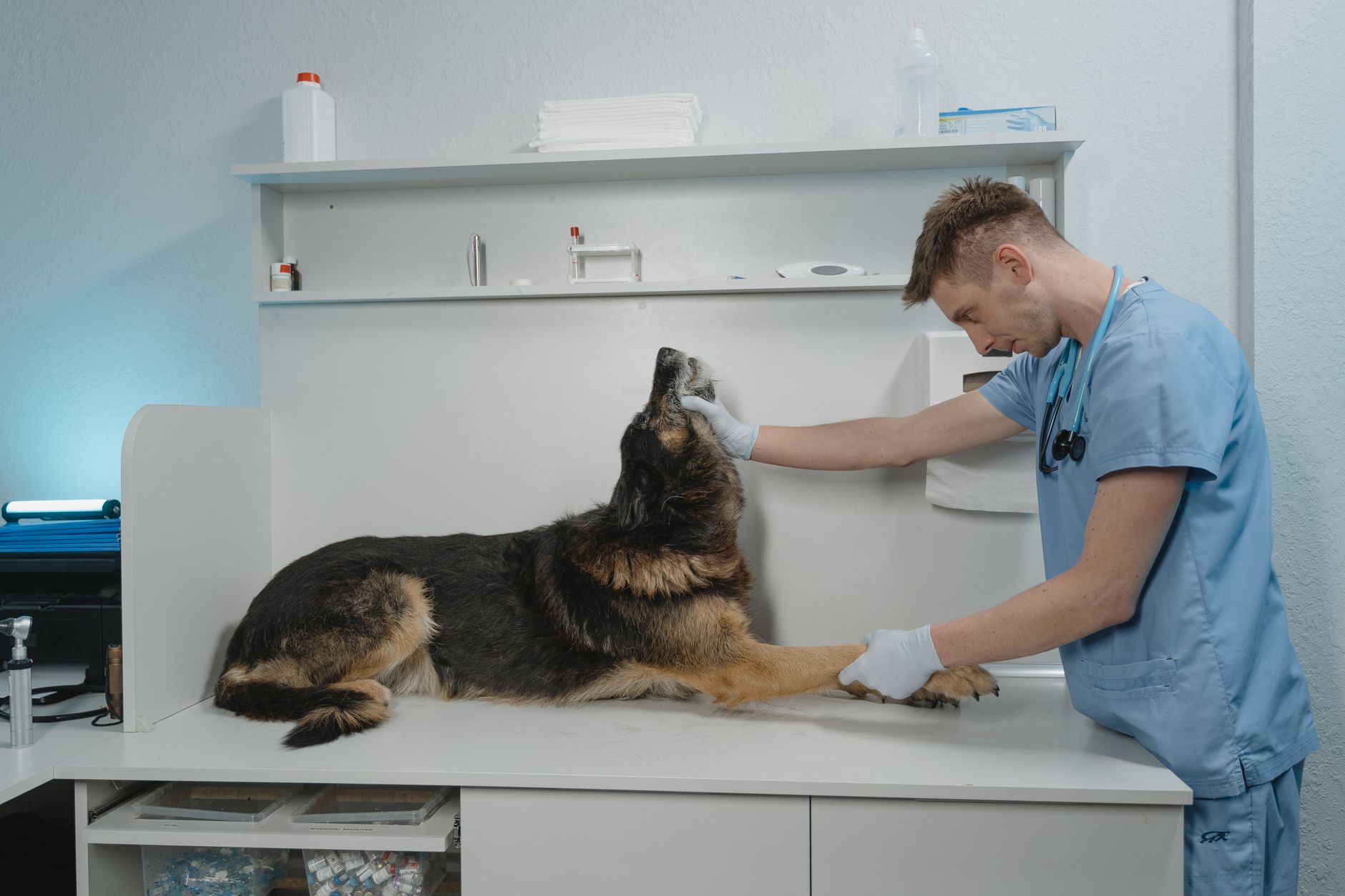
While regular cleaning can prevent many ear issues, some situations require professional care. If your dog exhibits persistent head shaking, scratching at ears, or shows signs of pain when you touch their ears, it's time to see a vet. Other red flags include a strong, unpleasant odor, discharge that is yellow, green, or bloody, or visible swelling or redness. These symptoms may indicate an infection, ear mites, or a foreign object lodged in the ear. A veterinarian can properly diagnose the issue and prescribe appropriate treatment, such as medicated ear drops or oral medications. Never attempt to treat an ear infection at home without veterinary guidance, as incorrect treatment can worsen the condition.
Frequently Asked Questions
Q: Can I use baby wipes to clean my dog's ears? A: No, baby wipes are not formulated for canine ear care and may contain ingredients that irritate your dog's ears. Always use a veterinary-approved ear cleaner.
Q: How can I tell if my dog has ear mites? A: Ear mites often cause intense itching, dark, crumbly discharge that resembles coffee grounds, and a strong odor. If you suspect ear mites, consult your vet for proper diagnosis and treatment.
Q: Is it safe to clean my dog's ears with vinegar and water? A: While some home remedies suggest vinegar and water, they can disrupt the natural pH balance of your dog's ears and may cause irritation. It's safer to use a commercial ear cleaner designed for dogs.
Q: My dog hates having their ears cleaned. What can I do? A: Start by getting your dog accustomed to having their ears touched. Offer treats and praise during handling. Gradually introduce the cleaning process, ensuring a calm environment. If your dog remains anxious, consult a professional trainer or your vet for advice.
Summary Table: Ear Cleaning Essentials
| Aspect | Recommendation |
|---|---|
| Cleaning frequency | As needed, based on dirt or odor |
| Supplies | Cotton balls/gauze, vet-approved ear cleaner, towel |
| Technique | Fill canal, massage, let shake, wipe outer ear |
| Avoid | Cotton swabs, hydrogen peroxide, over-cleaning |
| When to see vet | Signs of infection, pain, or persistent issues |
By following these guidelines, you can ensure your dog's ears remain clean and healthy, preventing discomfort and potential infections. Remember, when in doubt, always consult your veterinarian for personalized advice tailored to your dog's needs.
For more information on related topics, check out our guide on ear infections and how allergies can affect your dog's ears. If your dog is scratching at ears frequently, it might be a sign of an underlying issue.
Source: AKC