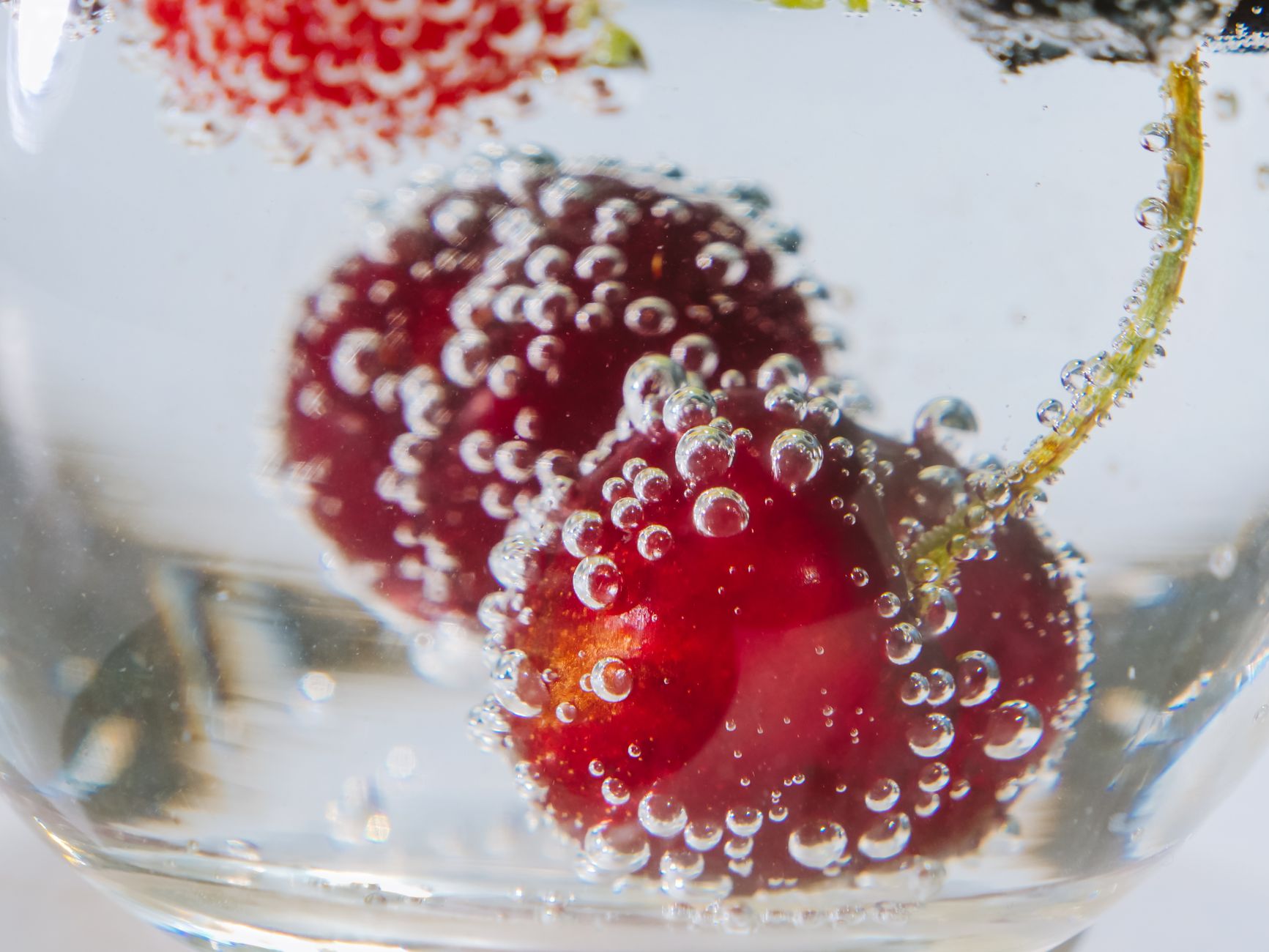
Can Dogs Eat Cherries? The Cyanide Danger and Safe Alternatives Explained
The bowl of fresh Bing cherries sits unattended on the kitchen island. A single piece rolls off, hits the floor, and a counter-surfing Golden Retriever inhales it whole before anyone can intervene. Panic sets in immediately.
Are cherries toxic to pets? Will that one swallowed pit cause a fatal blockage, or is an emergency vet visit required today?
Here is the definitive answer: Dogs should never eat cherries. While the juicy fruit flesh itself is safe, the pits, stems, and leaves contain amygdalin, a chemical that converts to lethal cyanide during digestion. Even a single swallowed pit can cause a devastating intestinal obstruction in smaller breeds like Frenchies or Pugs.
To visualize the risk instantly, here is a quick overview mind map of cherry safety.
🍒 Overview Mind Map: The Cherry Threat Matrix
- Toxic Danger: Pits, stems, leaves, tree bark (contain cyanide-producing amygdalin).
- High Risk: Whole cherries (choking hazard, intestinal blockage).
- Health Hazard: Maraschino/Glacé cherries (extreme sugar, artificial dyes, xylitol risk).
- Technically Safe (But Not Recommended): Pitted, plain cherry flesh (too tedious, high risk of missing a pit).
The Triple Threat of Cherries
Most fruit safety guides focus solely on toxicity. With cherries, the danger is multi-faceted, threatening a dog's digestive tract, cellular health, and dental integrity all at once.
1. The Cyanide Factor The pits and foliage contain toxic compounds that disrupt cellular oxygen transport. Without oxygen, vital organs begin shutting down rapidly.
2. The Blockage Risk Cherry pits are hard and completely indigestible. A fast-eating Staffy might swallow one whole, causing it to lodge in the narrow pathways of the intestines.
3. Dental Fractures Dogs lack the dexterity to spit out seeds like humans do. Biting down on a rock-hard pit can easily shatter a canine tooth, resulting in severe pain and expensive extractions.

🐾 Snoutbit Pro-Tip: Never attempt to induce vomiting at home if a dog swallows a cherry pit unless explicitly instructed by a veterinary poison control center. The abrasive, jagged edges of the pit can cause severe damage to the delicate lining of the esophagus on the way back up.
The Hidden Threat in the Kitchen
Consider a busy Fourth of July weekend in the US. A family was prepping a cherry pie, and a few stray pits missed the garbage can. Their curious French Bulldog eagerly vacuumed them up from the tile floor.
Because the dog was small, those two pits acted like corks in the dog's digestive tract. Within 24 hours, the dog was lethargic, refusing water, and exhibiting signs of severe abdominal pain. The resulting emergency abdominal surgery cost thousands of dollars, all stemming from a seemingly harmless kitchen slip-up.
Advanced Insight #1: The Wilting Leaf Hazard
Generic guides simply warn against eating the pits. However, seasoned botanists and pet behaviorists know that the foliage is significantly more dangerous, especially when it begins to die off.
As cherry tree leaves wilt in the late summer heat or fall to the ground, the concentration of cyanogenic glycosides actually spikes. A bored dog chewing on dead leaves in the yard is ingesting a much higher dose of toxins than a dog eating fresh, green leaves right off the branch.
Advanced Insight #2: The Cumulative Toxin Trap
Cyanide poisoning is not always a sudden, dramatic event. The liver can process tiny amounts of toxins, but the danger of amygdalin is highly cumulative.
If a dog grazes on fallen cherries from a backyard tree over the course of a week, the toxins build up in the bloodstream faster than the body can filter them out. Owners often miss the slow onset of lethargy, attributing it to hot weather rather than a creeping, life-threatening poison.
🚨 Vet Fact: The clinical signs of acute cyanide poisoning include bright brick-red gums, dilated pupils, and heavy panting. The red gums occur because oxygen is trapped in the blood and cannot be released into the body's tissues.
The Wild Cherry Danger
During the peak of tick season in New South Wales, an energetic Kelpie was spending extra time confined to the backyard while the owners treated the local brush. Boredom quickly led to destructive behavior near the garden.

The dog discovered a cluster of native ornamental cherries that had dropped near the fence line. Rather than eating the fruit, the dog chewed up the highly toxic stems and branches. The sudden onset of tremors and heavy panting required immediate, life-saving oxygen therapy at the local veterinary clinic.
Advanced Insight #3: The "Pit Spit" Mimicry
Why do dogs eat such dangerous items when they offer little nutritional value? It comes down to mimicking high-value behaviors. Dogs observe their humans eagerly eating cherries and assume the fruit is a prized resource.
Humans have the anatomical ability to separate the flesh and spit the pit. Dogs do not possess this oral dexterity. When they mimic the eating behavior, they are forced to swallow the fruit whole, making the risk of ingestion entirely unavoidable without human intervention.
Are Processed Cherries Any Safer?
Walk down any grocery aisle, and the shelves are lined with bright red maraschino cherries and sugary glacé variations. Since the pits are removed, many owners assume these are a safe, sweet reward.
They are absolutely not safe for canine consumption. These processed fruits are soaked in heavy corn syrups and artificial preservatives. A massive spike in sugar can trigger acute pancreatitis, a painful inflammation of the pancreas that requires immediate hospitalization.
Some "sugar-free" cherry products are sweetened with xylitol, which is often labeled as birch sugar. Xylitol is profoundly toxic to canines, causing a fatal drop in blood sugar within minutes of ingestion.
🐾 Snoutbit Pro-Tip: Keep a bag of dog-safe fruits in the freezer. When the family is enjoying a bowl of fresh cherries, offer the dog a frozen blueberry or a slice of chilled cucumber. This satisfies their desire to be included in the snack session without risking their health.
Superior Fruit Alternatives for Dogs
Instead of risking a veterinary emergency, swap the stone fruits for these highly nutritious, canine-approved alternatives. Always serve fruit in moderation to prevent stomach upset.
- Blueberries: An antioxidant powerhouse. Serve them frozen during scorching summer afternoons to help regulate body temperature.
- Watermelon: Excellent for hydration. Always remove the rind and pick out every single black seed to prevent gastrointestinal blockages.
- Apples: A fantastic source of Vitamin C and fiber. Never feed the core, as apple seeds also contain trace amounts of cyanide.
- Cucumbers: Low in calories and high in water content. Perfect for overweight dogs needing a crunchy, satisfying snack.
Securing the Backyard Environment
For homeowners with fruit-bearing trees, yard management is a non-negotiable part of pet ownership. From the sprawling properties of Queensland to suburban backyards in Michigan, daily vigilance is required.

Routinely rake up fallen fruit, especially after a heavy rainstorm. Fermenting cherries on the lawn can cause secondary issues, including alcohol toxicity if consumed in large quantities. Install sturdy physical barriers around the base of stone fruit trees to prevent access during the dropping season.
Most importantly, master the "Leave It" command. A dog that reliably ignores dropped food or interesting yard debris is significantly safer than a dog driven purely by impulse.
🚨 Vet Fact: Puppies and senior dogs are at the highest risk for both blockages and toxicity. Their immune systems and digestive tracts are simply not robust enough to handle the stress of foreign bodies or low-level poisons.
What To Do Next
- Enforce the "No Stone Fruit" Rule: Educate everyone in the household, especially children, that sharing cherries, peaches, or plums with the dog is strictly off-limits.
- Audit Your Property: Do a thorough walk-through of the yard today. Identify any cherry trees, ornamental nightshades, or toxic plants, and set up a physical barrier to restrict access immediately.
Disclaimer: The content on Snoutbit.com is for informational and educational purposes only and is not intended to replace professional veterinary advice, diagnosis, or treatment. Always consult with your veterinarian before making significant changes to your dog’s diet, exercise routine, or health regimen.