How Can I Stop a Golden Retriever from Jumping on Guests or Kids?
Stop your Golden Retriever from jumping on guests and kids. Discover expert veterinary tips, proven training steps, and the secret to calm greetings today.
The Greeting Crisis: When Love Becomes a Safety Hazard

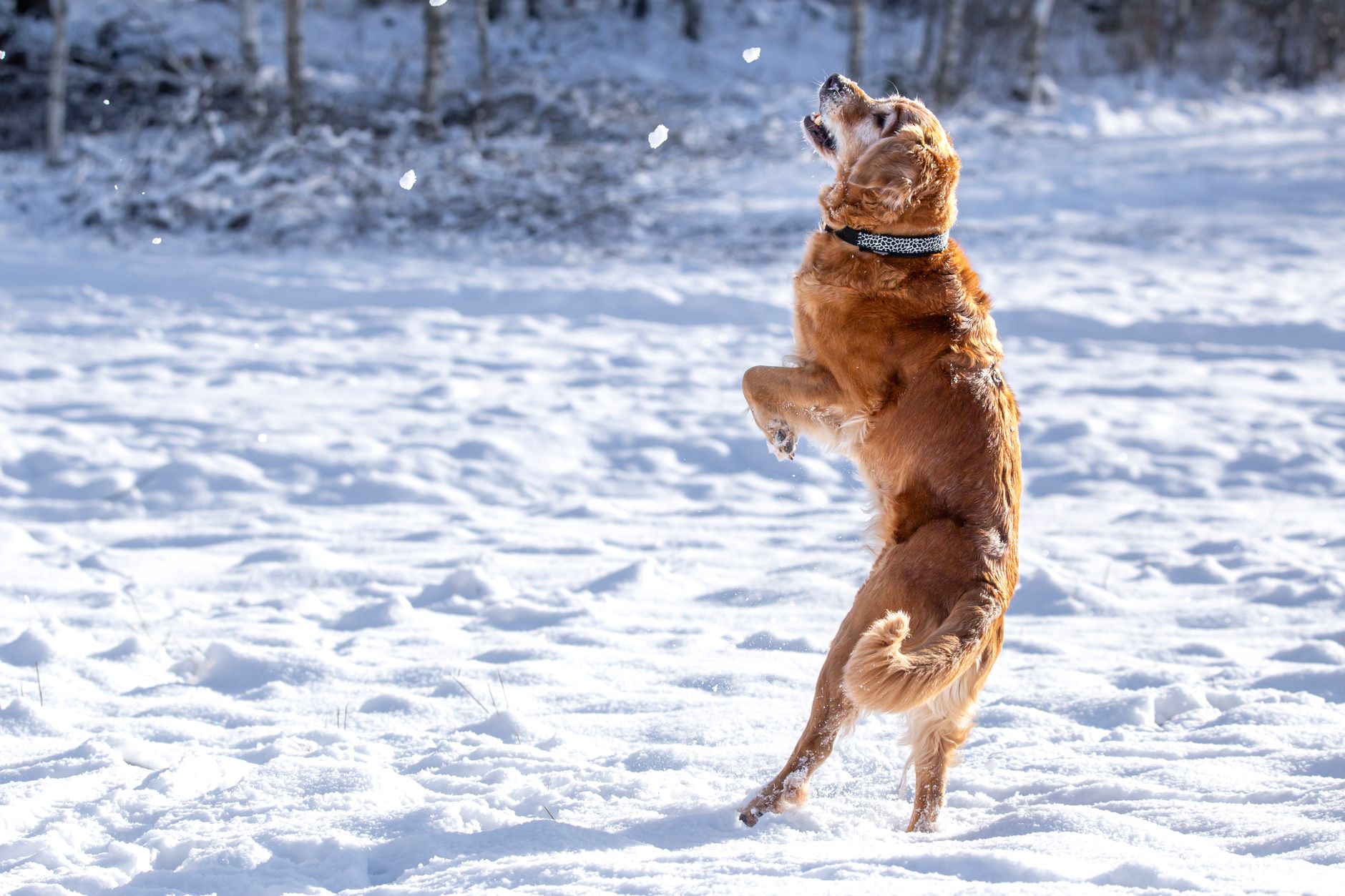
It starts innocent: a fluffy puppy paws at your leg, and everyone smiles. But quickly, that behavior transforms into a 75-pound missile launching itself at your frail grandmother or your best friend’s toddler. Yes, you can stop a Golden Retriever from jumping on guests or kids. The secret requires a dual approach: absolute management and reinforcing an incompatible behavior.
The Problem is immediate and dangerous. You dread the doorbell because you know your well-meaning but hyperactive retriever will turn the entryway into a wrestling ring, leaving scratches, bruises, or worse. This isn’t just about bad manners; it’s a critical safety issue that can end in injury. If you ignore this behavior, your dog becomes a liability, isolating your family from social gatherings.
Understanding the Golden Retriever's Urge to Fly
The Genetics of Face-to-Face Greetings
Golden Retrievers were historically bred for tireless retrieving in the field. This instinct translates into high endurance and a massive social drive. When they see someone new, they possess an overwhelming urge to get eye-level to greet them face-to-face, which, unfortunately, requires leaping.
How Our "Corrections" Accidentally Reward Them
The most common mistake owners make when trying to solve jumping is their reaction. Shouting "No!", pushing the dog down, or grabbing their paws is interpreted by an excited Golden as reciprocal play. Negative attention is still attention, and pushing them simply teaches them that jumping leads to physical contact, fueling the cycle.

The Silent Threat: Impact on Joint Health
Beyond the social embarrassment, chronic jumping forces immense stress onto your dog's rear skeletal structure. Golden Retrievers are genetically prone to hip dysplasia and osteoarthritis. Allowing a large-breed dog to repeatedly launch and crash back down accelerates joint wear and tear, predisposing them to agonizing pain later in life.

The PAS Framework: Your 48-Hour Plan to Restore Calm
1. Identify the Trigger and Manage the Environment
Agitate: The problem isn't the guest; it's the anticipation. You must accept that every successful jump sets your training back by weeks. If you cannot actively train during a greeting, you must manage. Use heavy-duty baby gates to completely prevent access to the entryway during initial arrivals, or keep your dog secured on a short, 4-foot leash before opening the door.
2. Introduce the Incompatible Behavior: "Four on the Floor"
Solution: The definitive solution is teaching the dog that they physically cannot get attention while vertical. They must learn that their rear end MUST be touching the ground for greetings to occur. Start training this "sit" command in low-distraction moments, rewarding heavily with high-value treats like freeze-dried liver when they comply quickly.
3. Step-by-Step Execution for Guests
- Secure the Dog: When the guest arrives, secure your dog on a leash or behind a gate.
- Instruct Your Guest: Advise them before they enter to completely ignore the dog—no eye contact, no speaking, no petting—if the dog is standing or jumping.
- The Approach: Once the initial frantic excitement has faded, let the dog approach on a loose leash. Instruct the guest to turn their back if the dog attempts to jump.
- The Reward: The instant the dog sits, the guest should immediately offer calm petting and praise.
Building Consistency and Long-Term Success
The Importance of Exercise Prior to Socializing
A physically exhausted dog lacks the explosive, manic energy required to launch themselves at visitors. Golden Retrievers boast a dense, waterproof coat that enables rigorous activity like swimming or lengthy retrieving sessions. You must guarantee at least 60-90 minutes of intensive cardiovascular exercise daily to burn off this destructive enthusiasm.
Mental Stimulation as a Deflection Tactic
Physical exercise is only half the battle. Use puzzle toys, frozen stuffed KONGS, or scent work to tire their highly intelligent minds before the doorbell rings. Mentally fatiguing your dog helps them make better decisions when faced with a high-arousal environment, like greeting a neighbor or a hyperactive child
When to Bring in Professional Help
If you have implemented these protocols consistently for over two months with zero progress, or if your dog displays reactivity alongside the jumping, you must consult a certified veterinary behaviorist or professional positive-reinforcement trainer. Persistent jumping may be rooted in anxiety that requires targeted behavioral therapy or medical intervention to resolve safely.
Final Takeaway: Trust the Process, Not the Scolding
The road to a polite greeting is paved with consistency, not corrections. By removing the accidental rewards and fiercely managing the environment, you transform a risky interaction into a bonding opportunity. Patience, positive reinforcement, and preventing joint impact now will ensure a safer, healthier future for your Golden Retriever.
Disclaimer: This article is for informational purposes only and does not constitute veterinary medical advice. Always consult with a licensed veterinarian before altering your pet's diet, starting a new training regimen, or addressing health concerns.