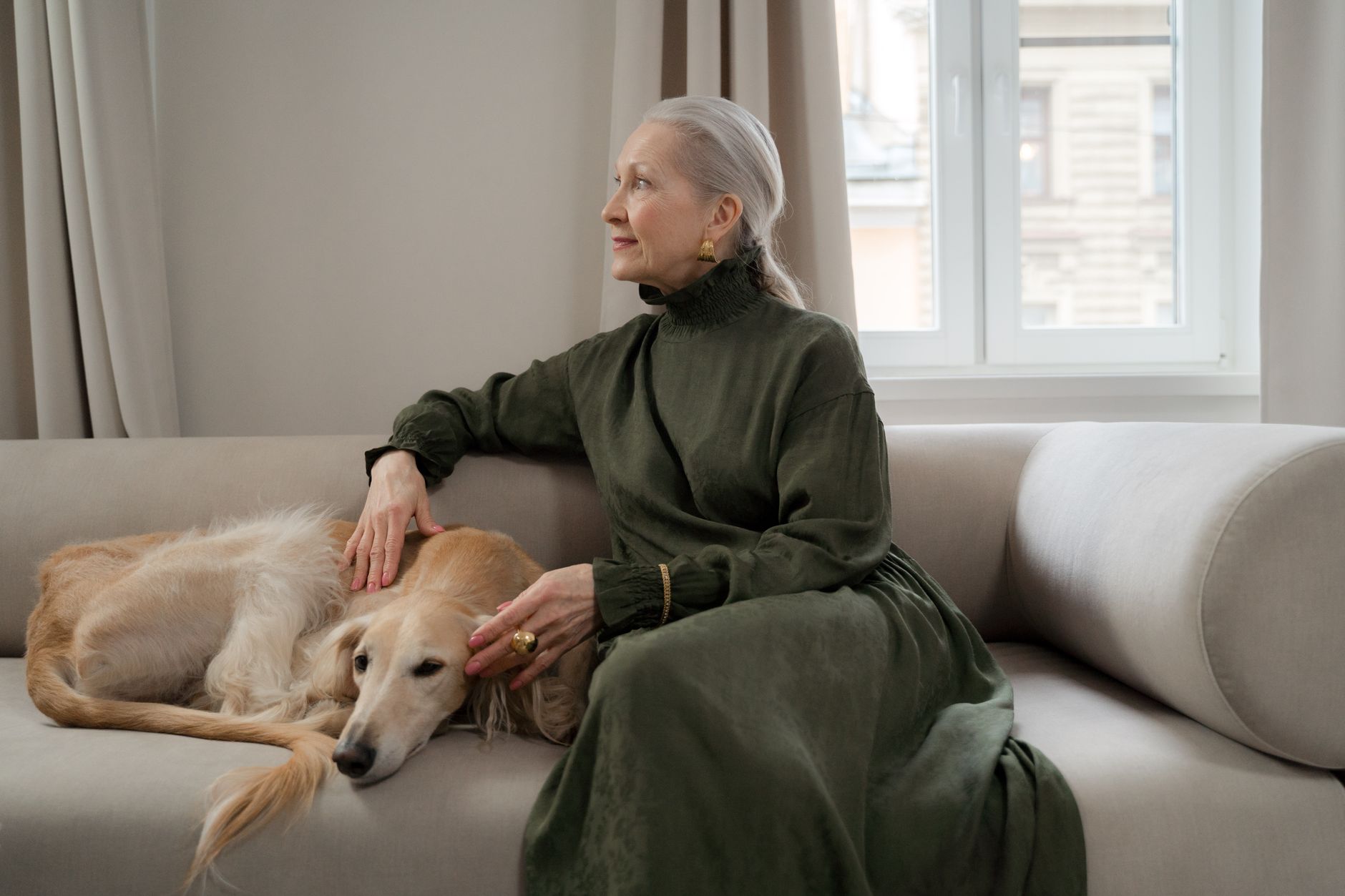
20 Healthiest Dog Breeds for Seniors: The Ultimate Guide
Introduction
Choosing a dog in your senior years is a big decision—and a deeply rewarding one. The right companion can bring structure, affection, and daily purpose, while the wrong match can strain your time, finances, and peace of mind. That's why Canine Journal built its list of the 20 healthiest dog breeds for seniors around six practical criteria: health and longevity, physical manageability, realistic daily needs, companionship, cost of care, and future fit—whether the dog still suits your life in five to ten years.
There's no single healthiest breed for every senior. As Canine Journal notes, the best match depends on your activity level, how much daily care you want to provide, and your preferred size and personality. That's why the list is grouped into five lifestyle categories, from easy-living companions to athletic dogs for active seniors, and includes a comparison table of all 20 breeds at a glance.
In this guide, we'll walk through what makes a breed senior-friendly, highlight standout easy-living and lively small breeds, touch on healthy large breeds, and explain why age—puppy versus adult—matters more than you might think. Plus, we'll answer common questions to help you make an informed choice.
What Makes a Dog Healthy and Senior-Friendly: Key Selection Criteria
A healthy dog isn't just one that rarely visits the vet. For seniors, health and longevity must be weighed alongside physical manageability—can you comfortably walk, lift, or groom this dog?—and realistic daily needs, including exercise, training, and coat care. Companionship matters too: you want a breed whose personality fits your household and social life. Cost of care is another practical filter, from routine vet bills to grooming. And future fit asks whether the breed will still suit your life in five to ten years, when your own needs may change.
Canine Journal applies these six criteria across its list of 20 breeds, then organizes them into five lifestyle categories, from easy-living companions to athletic dogs for active seniors. That structure is useful because it acknowledges that two seniors can have very different needs: one may want a low-energy lap dog, while another wants a sporty partner for agility or long walks.
The list also includes a comparison table of all 20 healthy dog breeds at a glance, so you can compare size, energy, and lifespan side by side. And because health is never guaranteed, Canine Journal addresses whether mixed-breed dogs are healthier than purebred dogs in its FAQ section—a worthwhile read before you assume any breed is risk-free.
Ultimately, the healthiest breed for you is the one whose needs you can meet consistently. A breed with a long lifespan and low inherited disease risk is only a good fit if its exercise, grooming, and companionship requirements match your daily reality.
Easy-Living Dog Breeds for Seniors
If you want a calm, manageable companion, this group is a strong starting point. The Tibetan Spaniel is small—just 9–15 pounds—with moderate energy and a 12–15 year lifespan. Canine Journal notes it can develop patellar luxation and progressive retinal atrophy (PRA), and it's one of the few flat-faced (brachycephalic) breeds on the healthiest-breeds list.
The Whippet is medium-sized (25–40 pounds) with moderate energy, a short low-maintenance coat, and a 12–15 year lifespan. Whippets are generally healthy, though heart and eye conditions can occur. Their thin coat and low body fat make them cold-sensitive, so plan for a cozy coat in winter. Despite being fast runners, they're famously calm and quiet at home—a lovely combination for many seniors.
The Bolognese is a tiny (6–10 pounds), low-energy breed with a long, fluffy wavy coat and a 12–14 year lifespan. Canine Journal highlights its relatively low incidence of inherited disease, though luxating patellas and eye disorders can develop. The coat means regular grooming, so factor that into your daily care budget.
The Italian Greyhound is small (7–14 pounds) with moderate energy, a short smooth coat, and one of the longest lifespans on the list at 14–15 years. Its fine bones make it susceptible to leg fractures, and patellar, thyroid, and eye problems can occur—so handle with care and supervise play.
Beyond these four, Canine Journal also mentions easy-living breeds like the Shiba Inu (independent, manageable exercise, strong longevity), the Lhasa Apso (affectionate but independent, robust health and longevity), and the Miniature Dachshund (affectionate, adaptable, impressive longevity, but requires extra attention to back health). For more on the Shiba Inu's suitability, see Shiba Inu.
Lively 'Get Up & Go' Breeds: Papillon and Other Active Small Dogs
Not every senior wants a lap dog. If you're still active and enjoy training, the Papillon is a standout. Named for its butterfly-like feathered ears, this tiny breed is described by Canine Journal as sporty, intelligent, confident, and athletic—excelling in agility and obedience. That makes it a wonderful choice if you want a dog that can join you for walks and learning games, while still being small enough to manage easily.
The Papillon's small size and moderate exercise needs fit well with the senior-friendly criteria of physical manageability and realistic daily needs. Its intelligence means it needs mental stimulation, so short training sessions and puzzle toys are important. For seniors who enjoy an engaged, interactive relationship with their dog, the Papillon offers plenty of personality in a compact package.
This category also includes other active small dogs, though the verified facts focus on the Papillon as the example. The key is matching energy to your own: a lively breed can be a joyful companion if you're able to provide daily activity, but it may be frustrating if your mobility is limited. Canine Journal's five lifestyle categories help you see where each breed fits, from easy-living companions to athletic dogs for active seniors.
If you're considering a lively small breed, think about future fit: will you still want to keep up with daily training and play in five to ten years? If the answer is yes, an active small dog can keep you moving and engaged. If not, an easy-living breed may be the wiser choice. Either way, the Papillon proves that small doesn't mean sedentary.
Healthy Large Breeds and Athletic Dogs for Active Seniors
Large dogs can be wonderful companions, but they come with special considerations for seniors. Canine Journal includes a dedicated section on healthy large breeds and additional healthy large dogs to consider, acknowledging that some seniors prefer a bigger dog for walking, security, or simply because they love the breed type. The key is to weigh physical manageability—can you handle a strong dog on leash?—and realistic daily needs, including exercise and space.
While the verified facts don't name specific large breeds, the article's structure makes clear that healthy large breeds are part of the 20-breed list. If you're an active senior who enjoys long walks or hiking, a healthy large breed may suit you well, provided you can meet its exercise and training needs. Cost of care and future fit are especially important here: large dogs can be more expensive to feed and medicate, and you'll want to be confident you can manage a big dog in five to ten years. For allergy sufferers, consider hypoallergenic large dog breeds.
For athletic seniors, the article also groups breeds into a category for active seniors, which includes dogs that need more exercise and mental engagement. The Papillon, described as tiny but sporty and athletic, is one example of a small dog that fits an active lifestyle. The Whippet, meanwhile, is a moderate-energy breed that is calm at home but enjoys a good run—a nice balance for seniors who want occasional activity without constant intensity.
When considering a large or athletic breed, use Canine Journal's comparison table of all 20 breeds to compare size, energy, and lifespan. And remember the six selection criteria: health and longevity, physical manageability, realistic daily needs, companionship, cost of care, and future fit. A large dog can be a great fit if those boxes are ticked.
Puppy vs. Adult Dog: Why Age Matters, and Planning for Your Dog in 5–10 Years
One of the most practical sections of Canine Journal's article is its discussion of puppy versus adult dog, noting that age matters more than you might think. A puppy brings joy but also demands housetraining, socialization, and constant supervision—needs that can be challenging for seniors with limited energy or mobility. An adult dog, by contrast, may already be house-trained and calmer, making the transition easier. If you're considering a puppy, check out tips on how to potty train effectively.
This ties directly into the future-fit criterion. When you choose a dog, you're not just choosing for today; you're choosing for the next five to ten years. A breed with a 12–15 year lifespan, like the Tibetan Spaniel or Whippet, is a long-term commitment. Will you still be able to meet its exercise and grooming needs in a decade? Will your living situation remain suitable? These are the questions Canine Journal encourages you to ask. For a deeper look at long-term planning, read our 15-Year Reality Check.
The article also addresses whether mixed-breed dogs are healthier than purebred dogs in its FAQ section—a useful reminder that health outcomes depend on many factors, not just breed. And the comparison table of all 20 healthy dog breeds at a glance helps you evaluate size, energy, and lifespan together, so you can plan realistically.
Ultimately, the healthiest dog for you is the one whose needs you can meet for its whole life. Whether you choose an easy-living companion like the Bolognese or a lively Papillon, an adult dog may offer a smoother start—but a puppy can be rewarding if you have the time and support. Plan for the future, and you'll find a companion who fits your life today and tomorrow.
Frequently Asked Questions
Are mixed-breed dogs healthier than purebred dogs? Canine Journal addresses this in its FAQ section. While mixed breeds may benefit from hybrid vigor, health depends on genetics, care, and environment. Always research the breed or mix and consult a vet.
What is the best dog breed for a senior with limited mobility? Low-energy, small breeds like the Bolognese or Tibetan Spaniel are manageable. Consider an adult dog that is already trained. For more options, see our guide to emotional support dogs for therapeutic benefits.
How long do these breeds live? Lifespans range from 12–15 years for many small breeds. For example, the average lifespan of a Mini Dachshund is 12–16 years. Plan for a long-term commitment.
What about popular breeds like the French Bulldog or Cavoodle? While not on the healthiest list, they have devoted fans. Learn about French Bulldog and Cavoodle before deciding.
Are there hypoallergenic options? Yes, some breeds like the Chinese Crested Dog are low-shedding. Read everything you need to know about the Chinese Crested Dog for details.
Conclusion
Selecting the healthiest dog breed for your senior years is about matching your lifestyle with the right companion. Use the six criteria and the 20-breed list from Canine Journal as your guide. Whether you choose an easy-living Tibetan Spaniel or a lively Papillon, prioritize health, manageability, and future fit. With careful planning, you'll find a loving companion for years to come.
Source: Canine Journal