15 Sensitive Dog Breeds With Tough Reputations: What Owners Must Know
Introduction
Some dogs look like they could handle anything—broad chests, confident strides, and reputations built on strength or independence. But according to Canine Journal, sensitivity in dogs isn't about being fearful, anxious, timid, or fragile. It's about how strongly a dog notices and responds to their surroundings. Sensitive dogs can be bold, athletic, protective, outgoing, or highly driven. That means the muscular dog guarding your front door might also be the one who notices when your tone shifts or when dinner is five minutes late.
In this article, we'll explore 15 sensitive dog breeds whose tough exteriors often hide a more responsive, emotionally aware interior. We'll also break down the four types of sensitivity, explain why harsh training methods backfire, and share practical ways to support a sensitive dog without shrinking their world. If you want even more breed examples after this, see 15 Dog Breeds More Sensitive Than You Think.
What Does 'Sensitive' Actually Mean in Dogs?
When we call a dog "sensitive," we're not saying they're weak or easily spooked. According to Canine Journal, sensitivity is about how strongly a dog notices and responds to their surroundings. It's a measure of awareness and reactivity, not fearfulness or fragility. In fact, sensitive dogs can be bold, athletic, protective, outgoing, or highly driven. Their sensitivity often shows up as intense attention to detail rather than shyness.
Canine Journal identifies four distinct types of sensitivity:
| Type | What it looks like |
|---|---|
| Emotional | Notices changes in voice, posture, facial expression, and mood |
| Environmental | Overwhelmed by noise, crowds, unfamiliar places, rough handling, or chaos |
| Routine | Takes predictability seriously; notices changes in dinner time, walks, or household members |
| Social | Intense bonds; affected by separation, less attention, or changes in who is home |
It's important to note that breed doesn't determine personality. However, genetics and original jobs influence how dogs monitor people and handle change. A herding breed bred to watch movement may be more attuned to subtle cues, while a guarding breed may be more alert to social dynamics. Understanding these four types helps you see your dog's behavior through a more accurate lens—one that replaces "overreacting" with "highly perceptive."
15 Dog Breeds That Are More Sensitive Than People Realize
1. Doberman Pinscher
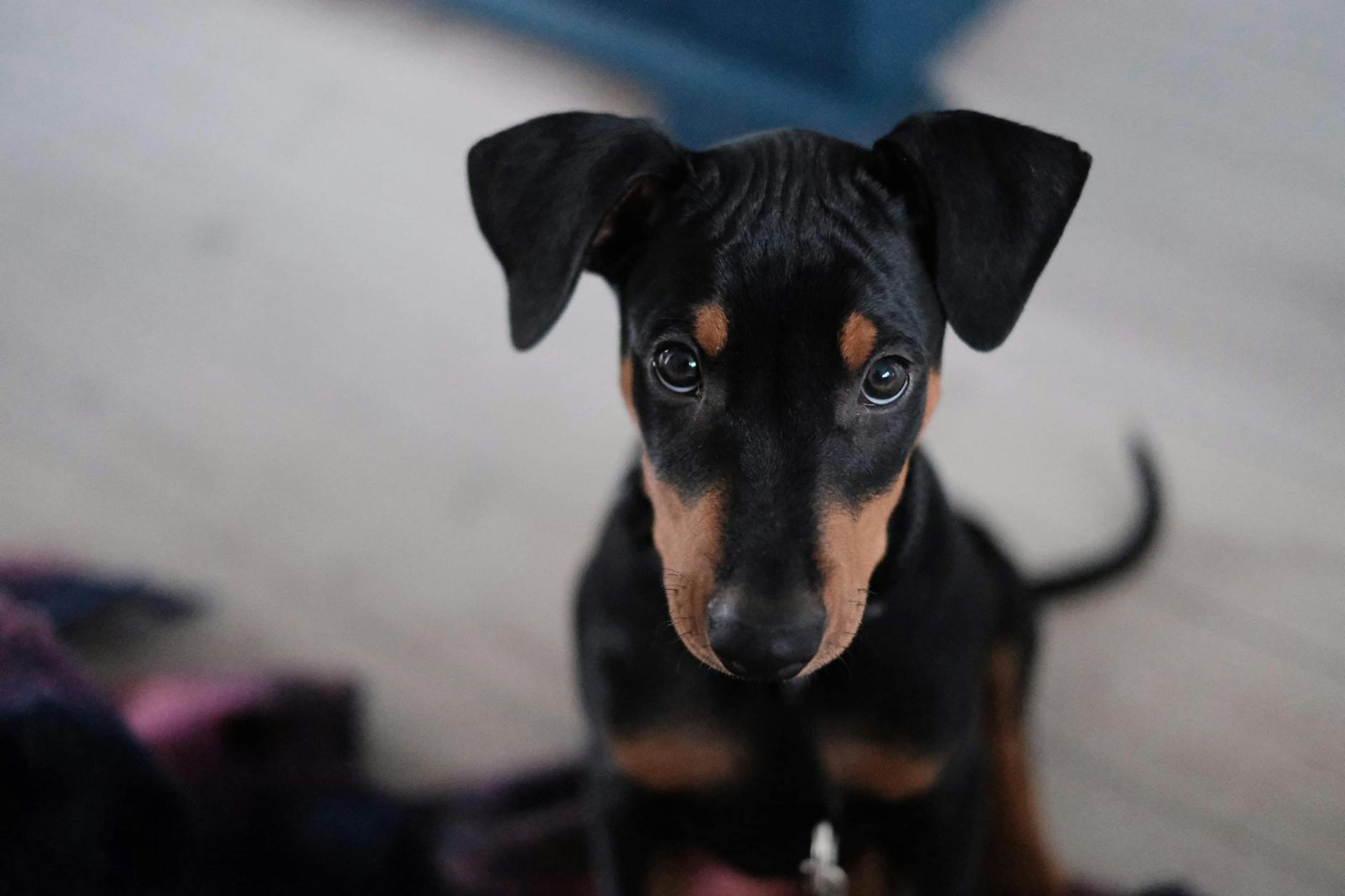
Dobermans are often seen as intimidating guardians, but Canine Journal describes them as "Velcro dogs"—intensely attached, highly attentive, and sensitive to yelling or unpredictable corrections. A Doberman can look intimidating but may still be processing a slightly sharper tone from five minutes ago. If you love this level of attachment, you'll recognize the pattern in 18 Surprisingly Clingy Dog Breeds: Velcro Dogs You Wouldn't Expect.
2. American Staffordshire Terrier
Despite their tough reputation, American Staffordshire Terriers are highly people-oriented and affectionate. Canine Journal notes that physical toughness does not equal emotional toughness. They may look capable of bench-pressing a coffee table but can be total softies behind those cheek muscles.
3. Chihuahua
Chihuahuas may use big reactions—barking, growling, retreating—to create space when feeling overwhelmed by their small size in a big world. As Canine Journal puts it: six pounds of dog, but an emotional force field that's considerably larger.
4. Border Collie
Bred to watch movement and respond to subtle cues, Border Collies are exceptionally aware of small changes—but also prone to overload in chaotic environments. Canine Journal says they notice everything, including the things you'd rather they didn't.
5. Boxer
Boxers are deeply people-oriented dogs that pay close attention, despite their exuberant, physical comedy reputation. Canine Journal reminds us that the class clown has feelings, too.
6. Greyhound
Greyhounds are built for speed, not chaos, and are more sensitive than their athletic build suggests.
7. German Shepherd
German Shepherds have a social radar and are more sensitive than their tough appearance implies. Owners of guarding breeds often need realistic management strategies; see 7 Low-Maintenance Guard Dogs for Families.
8. Labrador Retriever
Despite being happy-go-lucky, Labrador Retrievers are not thick-skinned. For long-term care, see The Brutal Truth About the Average Lifespan of a Laborador (And How to Add Years to Their Life).
9. Rottweiler
Rottweilers have a soft center that few people expect.
10. Poodle
Poodles are brilliant, which means they notice everything—and that can make them sensitive. They're also a top choice for allergy-conscious homes; compare options in 7 Hypoallergenic Large Dog Breeds That Don't Shed (And Protect Your Allergies).
11. Australian Shepherd
Australian Shepherds can experience awareness becoming overload, leading to sensitivity.
12. Great Dane
Great Danes, weighing around 150 pounds, are described by Canine Journal as "150 pounds of feelings." A supportive resting spot matters for giant breeds—see Bedsure Orthopedic Dog Bed Review: Memory Foam for Large Dogs.
13. English Springer Spaniel
English Springer Spaniels are happy dogs who take things to heart.
14. Shetland Sheepdog
Shetland Sheepdogs act as household mood detectors.
15. Whippet
Whippets are quiet but not unaffected by their environment or emotions. As Canine Journal says, quiet doesn't mean unaffected.
Why Sensitive Dogs Often Struggle With 'Tough' Training
If you've ever raised your voice at a sensitive dog and watched them shut down, you've seen this principle in action. According to Canine Journal, sensitive dogs often struggle with "tough" training methods because volume isn't information and pressure can change the problem. In other words, yelling doesn't teach your dog what you want—it just adds emotional noise. A harsh correction might stop a behavior in the moment, but it can also create confusion, erode trust, and make your dog more vigilant rather than more cooperative.
Canine Journal emphasizes that consistency beats intensity when training sensitive dogs. This means clear, predictable cues, calm repetition, and rewards for the behavior you want—rather than escalating pressure when things go wrong. Sensitive dogs are often highly attuned to their handler's body language and tone, so they pick up on frustration long before you say a word. That awareness is a strength, but it also means your training approach matters more than it might with a less perceptive dog.
For example, a Doberman Pinscher can look intimidating but may still be processing a slightly sharper tone from five minutes ago. A Border Collie might notice every detail of your posture, including the tension in your shoulders. When training relies on volume or force, these dogs don't learn faster—they just learn to be more careful. By switching to consistency and clarity, you work with your dog's sensitivity instead of against it. The result is a dog who trusts you, understands what's expected, and can relax because the rules are predictable.
Sensitive or Anxious? They're Not the Same Thing
It's easy to confuse sensitivity with anxiety, but Canine Journal makes a clear distinction: sensitivity and anxiety are not the same thing. Sensitivity is about how strongly a dog notices and responds to their surroundings. Anxiety, by contrast, involves persistent worry or fear that can interfere with daily life. A sensitive dog might startle at a loud noise or notice when you're sad, but that doesn't mean they're anxious. They're simply more aware.
This distinction matters because it changes how you respond. If you assume your dog is anxious, you might focus on reducing exposure to everything that triggers a reaction—which can shrink their world. But if you recognize sensitivity as a trait, you can help your dog build tolerance gradually while respecting their comfort zone. Canine Journal notes that sensitive dogs can be bold, athletic, protective, outgoing, or highly driven. Their sensitivity doesn't make them fragile; it makes them perceptive.
Understanding the difference also helps you avoid labeling your dog unfairly. A Chihuahua who barks at strangers isn't necessarily anxious—they may be using big reactions to create space when feeling overwhelmed by their small size in a big world. A German Shepherd with a social radar isn't neurotic; they're doing what their genetics and original job prepared them for. If you're considering an emotional support role, see Are Emotional Support Dogs Legitimate? 5 Reasons Why Their Healing Power is True.
How to Support a Sensitive Dog Without Making Their World Smaller
Living with a sensitive dog doesn't mean bubble-wrapping them or avoiding every challenge. According to Canine Journal, you can support a sensitive dog by creating predictability, giving choices, building tolerance gradually, and learning what happens before a big reaction. These four strategies help your dog feel secure while still experiencing the world.
- Create predictability. Keep routines consistent—meals, walks, and household rhythms. Routine-sensitive dogs take predictability seriously and notice changes in dinner time, walks, or household members. A stable schedule reduces background stress and frees your dog to be more relaxed.
- Give choices. Offer your dog some control. Let them approach a new object at their own pace or choose between two walking routes. This builds confidence and reduces the feeling of being overwhelmed.
- Build tolerance gradually. Expose your dog to new experiences in small, manageable doses. Environmental sensitivity can make noise, crowds, or unfamiliar places overwhelming, so gradual exposure helps them adapt without flooding.
- Learn what happens before a big reaction. Emotional sensitivity means your dog notices changes in your voice, posture, facial expression, and mood. By observing early signals—lip licking, turning away, slowing down—you can intervene before they escalate.
A predictable home base helps. If your dog struggles to settle, a calming bed can support relaxation; see Bedsure Calming Dog Bed Review: Is It Worth It?.
Quick Tips for First-Time Owners of Sensitive Breeds
- Plan for the long haul. Sensitive breeds often need years of patient, consistent handling. Before choosing any dog, read What To Know Before Getting A Dog: The Brutal 15-Year Reality Check.
- Keep training low-pressure. Short sessions, clear cues, and reward-based repetition work best.
- Watch the environment. Noise, crowds, and chaos can overwhelm environmental sensitivity.
- Protect routines. Predictable meals, walks, and rest times reduce background stress.
- Apartment living? Routine-friendly breeds can still thrive with the right plan; see 5 Easiest Dog Breeds To Potty Train For Apartments (And High-Rise Hacks).
Conclusion
Sensitivity in dogs is not a flaw—it's a form of awareness. The 15 breeds above may look tough, independent, or unshakeable, but many are deeply attuned to their people and their surroundings. By understanding the four types of sensitivity, avoiding harsh training methods, and distinguishing sensitivity from anxiety, you can build a relationship based on trust rather than pressure. Support your dog with predictability, choices, gradual exposure, and close observation—and you'll give them a full life without making their world smaller.
Source: Canine Journal