11 Dog Breeds That Always Seem Deep in Thought (2026 Guide)
Have you ever caught your dog staring into the middle distance and wondered what profound thoughts are passing behind those eyes? You're not alone. Certain breeds seem perpetually lost in contemplation, their expressions so serious and soulful that we can't help but project complex inner lives onto them. According to iHeartDogs, however, dogs' expressions cannot reveal exactly what they are thinking—but that hasn't stopped us from wondering.
What we do know is that many of these "deep thinkers" were bred for jobs that required intense focus, problem-solving, and independent decision-making. From herding livestock across rugged terrain to tracking scents over long distances, the breeds on this list have histories that explain their thoughtful demeanors.
In this article, we'll explore 11 dog breeds that seem deep in thought: the Border Collie, Poodle, German Shepherd, Siberian Husky, Great Dane, Shiba Inu, Australian Shepherd, Basset Hound, Afghan Hound, Shetland Sheepdog, and Belgian Malinois. We'll also dig into the science behind those serious stares and offer tips for meeting their mental needs.
Why Do Some Dog Breeds Look Deep in Thought? The Science of Serious Expressions
When a dog gazes at you with a furrowed brow or a faraway look, it's tempting to assume they're pondering the meaning of life. But according to iHeartDogs, dogs' expressions cannot reveal exactly what they are thinking. So why do some breeds seem so perpetually pensive?
The answer lies partly in their breeding history. Many of the breeds on this list were developed for complex jobs that demanded concentration, quick decision-making, and the ability to work independently or with minimal direction. Over generations, selection for these traits may have shaped not only their behavior but also their resting expressions—often described as intense, watchful, or serious.
For example, the Border Collie has a reputation for exceptional intelligence, concentration, and an ability to anticipate what might happen next (iHeartDogs). That anticipatory focus can easily read as deep thought. Similarly, breeds like the German Shepherd and Belgian Malinois are frequently trained for demanding roles that require unwavering attention, which may contribute to their thoughtful looks.
Of course, we must be careful not to over-interpret. A serious expression might simply be a moment of rest or alertness. Still, the connection between a breed's historical purpose and its perceived thoughtfulness is compelling. In the following sections, we'll meet the breeds behind the stares and explore what makes them tick.
The Herding Geniuses: Border Collies, German Shepherds, Australian Shepherds, Shetland Sheepdogs, and Belgian Malinois
Herding breeds are often considered the intellectuals of the dog world, and for good reason. Their jobs required them to process complex information, make split-second decisions, and work closely with humans—or sometimes entirely on their own.
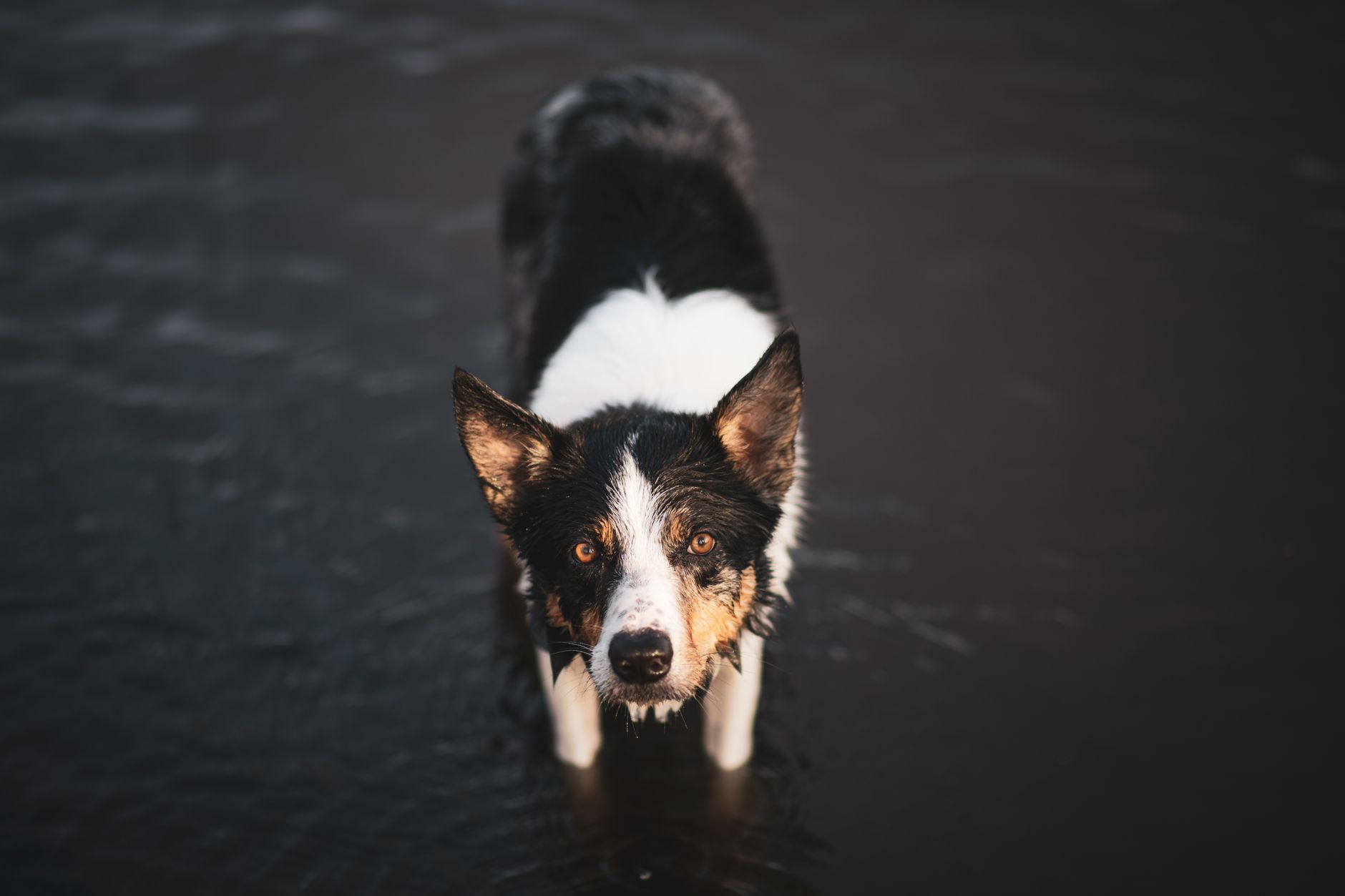
Take the Border Collie. Developed to herd livestock, they excel at interpreting movement and responding to subtle signals (iHeartDogs). This ability to read a situation and anticipate the next move gives them an almost psychic quality, and their intense focus can make them appear deep in thought. Without adequate stimulation, Border Collies may invent their own entertainment, including reorganizing the household according to a personal herding strategy (iHeartDogs). That's a dog with a plan! If you admire this level of canine intelligence, you may enjoy learning about 10 Dog Breeds Similar to Border Collies: 2026 Guide.
German Shepherds are frequently trained for search and rescue, assistance work, and detection (iHeartDogs), roles that demand concentration and problem-solving. Australian Shepherds were developed in the United States, not Australia, and were valued for working with livestock (iHeartDogs). Shetland Sheepdogs were developed to help manage livestock in the Shetland Islands of Scotland (iHeartDogs), and their alert, observant nature reflects that heritage. Belgian Malinois were developed in Belgium as a herding dog and are now associated with demanding roles requiring concentration and agility (iHeartDogs).
These breeds need regular mental challenges and purposeful activity, and may become restless without enough stimulation (iHeartDogs). When they stare off into space, they might be sizing up a situation, planning their next move, or simply waiting for a job to do.
Independent Thinkers: Siberian Huskies, Shiba Inus, and Afghan Hounds
Not all thoughtful dogs are eager to please. Some breeds have an independent streak that can make them seem aloof or contemplative.
The Siberian Husky was developed to pull sleds across demanding Arctic terrain and is known for independence and self-direction (iHeartDogs). That self-direction means they often make their own decisions—sometimes to the frustration of their owners—and their faraway gaze might be a sign of them assessing the world on their own terms.
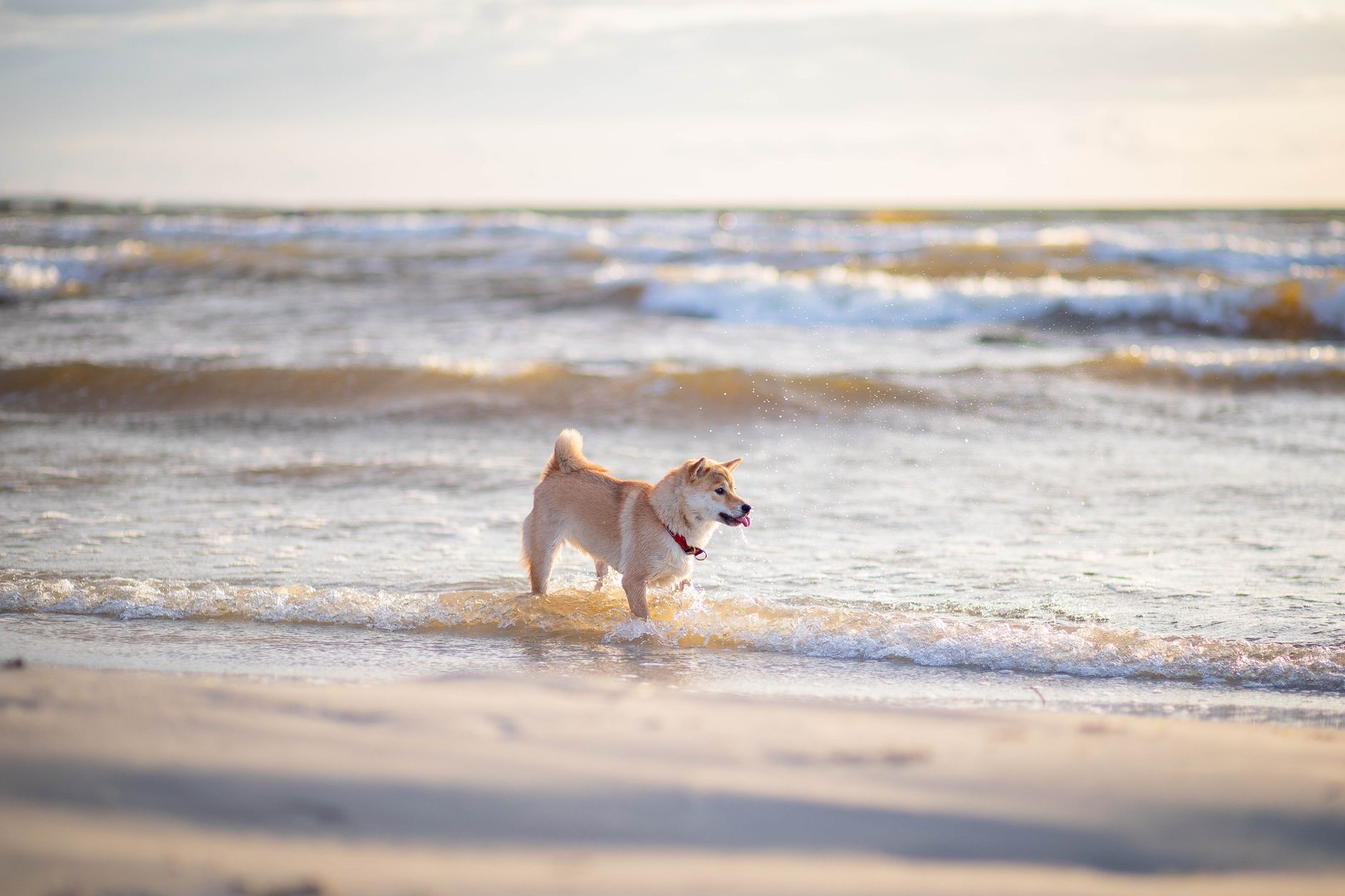
Shiba Inus were originally bred in Japan for hunting small game and are known for independence and confident personality (iHeartDogs). They frequently appear to assess situations on their own terms and may not always be motivated to cooperate simply because someone asks (iHeartDogs). That confident self-assessment can look like deep thought, as if they're weighing whether your request is worth their time. If you're considering one, read Are Shiba Inus Good Pets? 7 Truths You Must Know before you commit.
Afghan Hounds were developed for hunting in the mountainous regions of Afghanistan (iHeartDogs), and their independence can make training more challenging, so patient methods and rewarding activities are especially useful (iHeartDogs).
These breeds remind us that thoughtfulness isn't always about obedience; sometimes it's about a dog's rich inner life and their own agenda. When they stare into the distance, they might be contemplating their next adventure—or simply ignoring you with great dignity.
The Gentle Philosophers: Great Danes, Basset Hounds, and Poodles
Some breeds combine a thoughtful demeanor with a gentle soul.
The Great Dane was historically developed for hunting large game despite their modern reputation as gentle companions (iHeartDogs). That history of facing formidable prey may explain their calm, contemplative air—they've seen it all. For more on keeping big dogs healthy, see 18 Large Dog Breeds Built to Last: Healthy, Long-Lived & Fewer Vet Visits.
Basset Hounds were developed for scent hunting and have powerful noses that help them follow trails with persistence (iHeartDogs). Their scent-driven instincts can make recall training challenging (iHeartDogs), and their tendency to follow their nose can give them a faraway, focused look as if they're lost in a world of smells.
Poodles come in Standard, Miniature, and Toy varieties and were historically associated with retrieving work in water (iHeartDogs). Their intelligence and trainability make them quick learners, and their thoughtful expressions often reflect their active minds.
These gentle philosophers may not be as intense as herding breeds, but they have their own quiet depth. A Great Dane lounging on the couch might look like they're pondering the universe, while a Basset Hound with its nose to the ground is deep in olfactory thought. Poodles, with their elegant bearing, often seem to be calculating their next move—especially if treats are involved.
Meeting Their Mental Needs: Training and Enrichment for Thoughtful Breeds
If you share your life with one of these thoughtful breeds, you know that their serious stares are often a sign of an active mind that needs stimulation.
Breeds like Border Collies, Australian Shepherds, and Belgian Malinois need regular mental challenges and purposeful activity, and may become restless without enough stimulation (iHeartDogs). Without adequate stimulation, Border Collies may invent their own entertainment, including reorganizing the household according to a personal herding strategy (iHeartDogs). That's why it's crucial to provide outlets for their energy and intelligence.
For independent thinkers like the Shiba Inu, patience is key. They frequently appear to assess situations on their own terms and may not always be motivated to cooperate simply because someone asks (iHeartDogs). Training should be rewarding and respectful of their autonomy. Afghan Hounds' independence can make training more challenging, so patient methods and rewarding activities are especially useful (iHeartDogs). Basset Hounds' scent-driven instincts can make recall training challenging (iHeartDogs), so a secure fence and long-line work are wise.
Regardless of breed, the key is to engage their minds. Puzzle toys, scent games, obedience training, and interactive play can all help satisfy their need to think. Structured routines also help—see 5 Easiest Dog Breeds To Potty Train For Apartments (And High-Rise Hacks) for training ideas that suit intelligent dogs in smaller spaces.
Remember that dogs' expressions cannot reveal exactly what they are thinking (iHeartDogs), but by providing appropriate mental stimulation, you can ensure their thoughts are happy ones. After all, a tired dog is a good dog—and a mentally satisfied one is even better.
Quick Comparison: The 11 Deep-Thinking Breeds at a Glance
| Breed | Original Job | Why They Look Thoughtful |
|---|---|---|
| Border Collie | Herding livestock | Anticipates movement; intense focus |
| Poodle | Water retrieving | Highly trainable; active mind |
| German Shepherd | Search, rescue, detection | Demanding roles require concentration |
| Siberian Husky | Sled pulling | Independent, self-directed |
| Great Dane | Hunting large game | Calm, seen-it-all demeanor |
| Shiba Inu | Hunting small game | Confident self-assessment |
| Australian Shepherd | Working livestock | Problem-solving herder |
| Basset Hound | Scent hunting | Lost in a world of smells |
| Afghan Hound | Mountain hunting | Independent and aloof |
| Shetland Sheepdog | Managing livestock | Alert and observant |
| Belgian Malinois | Herding; demanding roles | Unwavering attention and agility |
Frequently Asked Questions
Do serious expressions mean a dog is actually thinking deeply? Not necessarily. According to iHeartDogs, dogs' expressions cannot reveal exactly what they are thinking. A serious look may reflect rest, alertness, or breed-typical focus.
Are these breeds harder to train? It depends on the breed. Herding breeds are often highly trainable but need purpose. Independent breeds like the Shiba Inu and Afghan Hound may require patient, reward-based methods (iHeartDogs).
How much mental stimulation do thoughtful breeds need? Breeds like Border Collies, Australian Shepherds, and Belgian Malinois need regular mental challenges and purposeful activity and may become restless without enough stimulation (iHeartDogs). Daily puzzle toys, training, and scent games help.
Can these breeds live in apartments? Some can, with enough exercise and mental work. High-energy herding breeds need more than a short walk. Consider your lifestyle carefully—see What To Know Before Getting A Dog: The Brutal 15-Year Reality Check.
Why do some of these breeds seem aloof? Independence is bred in. Siberian Huskies are known for independence and self-direction, and Shiba Inus for confident personality (iHeartDogs). It's not lack of affection—it's autonomy.
Final Thoughts
The next time your dog stares into the distance, enjoy the mystery. Whether they're a herding genius, an independent thinker, or a gentle philosopher, their soulful stare is part of what makes them special. Meet their mental needs with training, enrichment, and patience—and you'll have a happy, fulfilled companion. For more on the human-dog bond, read Are Emotional Support Dogs Legitimate? 5 Reasons Why Their Healing Power is True. And if you're drawn to mischievous expressions instead, explore 11 Dog Breeds With a Naturally Mischievous Look (2026 Guide).
Source: iHeartDogs