Can Dogs Eat Strawberries? The Hidden Risks
Staring down a begging, drooling dog while holding a fresh piece of fruit creates an immediate wave of anxiety. Feeding the wrong human food can trigger sudden, catastrophic veterinary emergencies, leaving owners paralyzed by the fear of making a fatal dietary mistake. The immediate relief is knowing the answer is yes: dogs can safely consume fresh, properly prepared strawberries in strict moderation.
Strawberries are not toxic to canines, but tossing a whole, unwashed berry to a eager pup is highly irresponsible. The canine digestive tract processes fruit sugars and plant fibers completely differently than the human stomach. Without proper preparation, a seemingly harmless summer treat can quickly cause explosive diarrhea or present a terrifying choking hazard.
Why are strawberries actually good for a dog's health?
Dogs naturally synthesize their own Vitamin C within their livers, meaning they do not require external sources the way humans do. However, extreme physical exertion or intense stress rapidly depletes a dog's natural Vitamin C reserves. Offering a few slices of fresh strawberry provides a massive, immediate antioxidant boost that helps rebuild their compromised immune system.

Furthermore, these berries are composed of approximately ninety percent water. This makes them a brilliant, low-calorie hydration tool for dogs who refuse to drink enough from their water bowls. They also provide a healthy dose of dietary fiber, which regulates digestion and firm up loose stools when fed in precise moderation.
🚨 Vet Fact: Strawberries contain incredibly high levels of antioxidants called anthocyanins. These specific compounds actively hunt down and destroy free radicals, significantly reducing cellular inflammation in aging senior dogs.
What happens if a dog eats the strawberry tops and leaves?
Many owners lazily toss the entire strawberry, including the green leafy crown, directly to their dog. While the leaves and stems are not technically poisonous, they are highly astringent and incredibly fibrous. A dog's short digestive tract struggles immensely to break down this tough plant material.
Consuming the green tops almost always leads to intense stomach cramping, loud gurgling, and eventual vomiting as the body attempts to reject the undigested matter. Always take the extra five seconds to slice off the top and hull the core of the berry completely. Treating a dog to fruit should never involve feeding them the scraps humans throw in the garbage.
How do US and Australian climates impact safe feeding?
Environmental heat plays a massive role in how treats should be utilized for canine health. In the scorching, humid depths of an Australian summer, dogs are at a severe, constant risk of heatstroke. Freezing strawberry slices creates a perfect, slow-release "canine popsicle" that safely lowers the core body temperature of an active Blue Heeler or working Kelpie after a run.
Conversely, freezing winter drafts in the northern US keep dogs cooped up inside, drastically lowering their daily caloric burn rate. For a dense, heavy-chested Frenchie spending winter on the couch, swapping high-fat commercial treats for low-calorie fresh strawberries prevents dangerous winter weight gain. The temperature dictates the preparation method, ensuring the treat perfectly matches the dog's seasonal needs.
Are canned or syrupy strawberries safe for dogs?
Never, under any circumstances, allow a dog to consume canned strawberries or berries soaking in human-grade fruit syrup. These heavily processed products are absolutely saturated with artificial sugars and preservatives that act like toxic sludge in a canine pancreas. The intense sugar spike will cause immediate gastrointestinal distress and long-term metabolic issues.
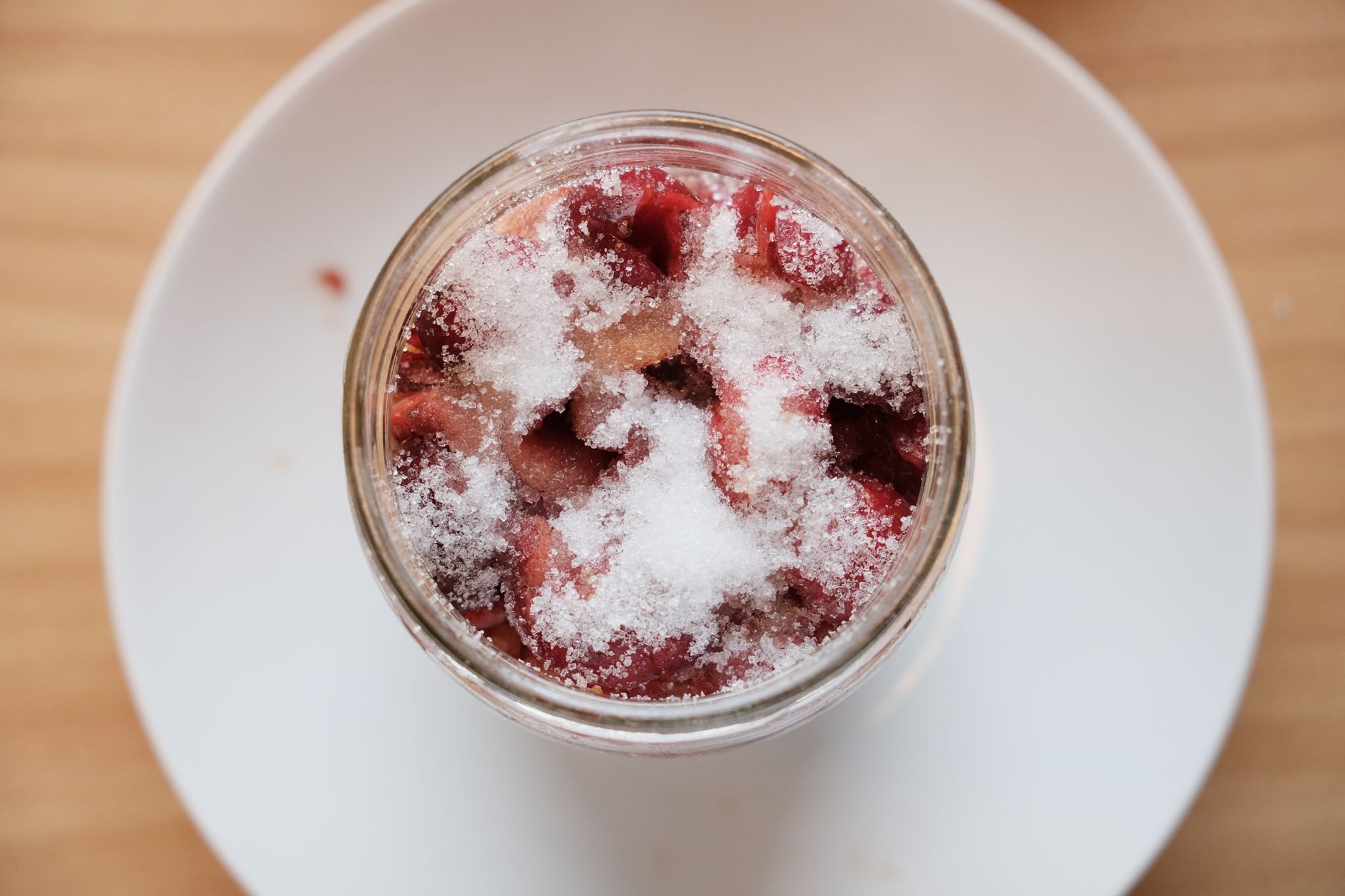
Worse yet, many "sugar-free" strawberry syrups utilize a common artificial sweetener called xylitol. Xylitol is profoundly toxic to canines; even microscopic amounts trigger a massive insulin release that causes fatal hypoglycemia and irreversible liver failure. Always stick entirely to fresh or plain, unsweetened frozen berries from the produce aisle.
🐾 Snoutbit Pro-Tip: If buying frozen strawberries from the grocery store, check the ingredient list meticulously. The only ingredient listed on the back of the bag should be "strawberries," with absolutely zero added sweeteners or fruit juices.
How many strawberries should a dog eat daily?
Fruit should never make up more than ten percent of a dog's total daily caloric intake. Because strawberries are naturally high in fructose (fruit sugar), overfeeding them will completely disrupt the delicate bacteria balance in the dog's gut microbiome. Portion control is the only difference between a healthy snack and a messy carpet disaster.
- Extra Small Breeds (e.g., Chihuahuas): One-half of a medium strawberry, finely diced.
- Medium Breeds (e.g., Frenchies, Staffies): One to two whole strawberries, sliced thinly.
- Large Breeds (e.g., Golden Retrievers, German Shepherds): Three to four medium strawberries, chopped safely.
What are the hidden dangers of an entire strawberry punnet?
Consider a common, disastrous scenario involving a food-motivated Staffy living in Sydney. The owners accidentally left a full, unwashed punnet of strawberries sitting too close to the edge of the kitchen counter. The dog counter-surfed, inhaled the entire plastic container in seconds, and spent the next two days enduring severe, painful diarrhea from the massive sugar overload.
Dogs do not possess an "off switch" when it comes to sweet, high-value foods. A massive influx of natural fruit sugar pulls excess water directly into the large intestine, turning solid stools into absolute liquid. If a dog accidentally steals a large quantity of fruit, immediately withhold their next meal to rest the digestive tract and monitor closely for dehydration.
What are three advanced, expert-level tips for feeding berries?
Generic advice often stops at "cut them up," but elite pet care requires a much deeper understanding of canine health optimization. Implementing these three specific strategies drastically elevates the benefits of this simple fruit.
- The Malic Acid Dental Hack: Strawberries contain a naturally occurring compound called malic acid, which safely and gently whitens tooth enamel. Mashing a single fresh strawberry into a paste and letting the dog lick it off a silicone mat acts as a natural, chemical-free canine tooth-whitening treatment.
- The Baking Soda Purge: Strawberries consistently rank at the absolute top of the agricultural "Dirty Dozen" list for severe pesticide retention. Rinsing them under the tap is useless; instead, soak the berries in a solution of water and a tablespoon of baking soda for twelve minutes to thoroughly strip the toxic chemical residue before feeding.
- The Senior Dog Puree: Older dogs with advanced dental disease or missing teeth often swallow fruit whole out of excitement, leading to severe intestinal blockages. Always puree the strawberries into a smooth liquid and freeze them inside a hollow rubber toy to ensure completely safe, choke-free consumption for geriatric pets.
🚨 Vet Fact: Choking on perfectly round, slippery foods is a leading cause of emergency airway obstructions in dogs. Never feed a whole, intact strawberry; always slice it vertically to break the round, throat-blocking shape.
How do strawberries trigger allergic reactions in dogs?
While incredibly rare, severe canine food allergies to specific proteins within strawberries do exist. When introducing this fruit for the very first time, start with a tiny piece no larger than a thumbnail and wait twenty-four hours. Watch the dog meticulously for any subtle signs of an adverse biological response.

A true allergic reaction will not always manifest as stomach upset. Owners should look for sudden, obsessive scratching at the ears, bright red inflammation between the paw pads, or facial swelling. If a dog begins breaking out in hives or exhibiting a hacking cough after eating a berry, discontinue the treat immediately and contact a veterinary professional.
Can puppies safely eat strawberries during teething?
Puppies possess highly sensitive, rapidly developing gastrointestinal systems that are easily upset by novel foods. Introducing fruit too early can cause intense diarrhea, which quickly leads to life-threatening dehydration in small pups. Wait until the puppy is at least twelve weeks old and fully stabilized on their core kibble diet before introducing any fruit.
Once they reach the intense teething phase, frozen strawberry slices become an absolute lifesaver. The rock-hard, icy texture safely numbs the puppy's inflamed, bleeding gums as their adult teeth push through the jawline. This provides massive, natural pain relief and successfully redirects their destructive chewing urges away from the household furniture.
🐾 Snoutbit Pro-Tip: Mix finely diced strawberries with a dollop of plain, unsweetened Greek yogurt and freeze the mixture in an ice cube tray. The probiotics in the yogurt perfectly balance the fruit sugar, creating a highly digestible, gut-healing super-treat.
What To Do Next
- Execute the Baking Soda Wash Today: Go to the refrigerator, pull out any fresh strawberries meant for the dog, and soak them in a bowl of water mixed with one teaspoon of baking soda for ten minutes. Rinse them thoroughly to guarantee all agricultural pesticides are completely removed before the next snack time.
- Conduct the Slicing Audit: Review how treats are physically handed to the dog. Ensure every single strawberry is actively hulled (removing the green stem completely) and sliced vertically down the middle to entirely eliminate the risk of a slippery airway obstruction.
Disclaimer: The content on Snoutbit.com is for informational and educational purposes only and is not intended to replace professional veterinary advice, diagnosis, or treatment. Always consult with your veterinarian before making significant changes to your dog’s diet, exercise routine, or health regimen.