Can Dogs Eat Onions? The Hidden Kitchen Hazard Explained
Watching a beloved dog successfully snatch a piece of dropped food off the kitchen floor usually elicits a simple sigh of frustration. However, when that dropped morsel contains onions, the situation instantly escalates from a minor annoyance to a massive, terrifying medical emergency. The intense anxiety of watching a dog consume a known toxin creates crippling stress for any dedicated pet parent.
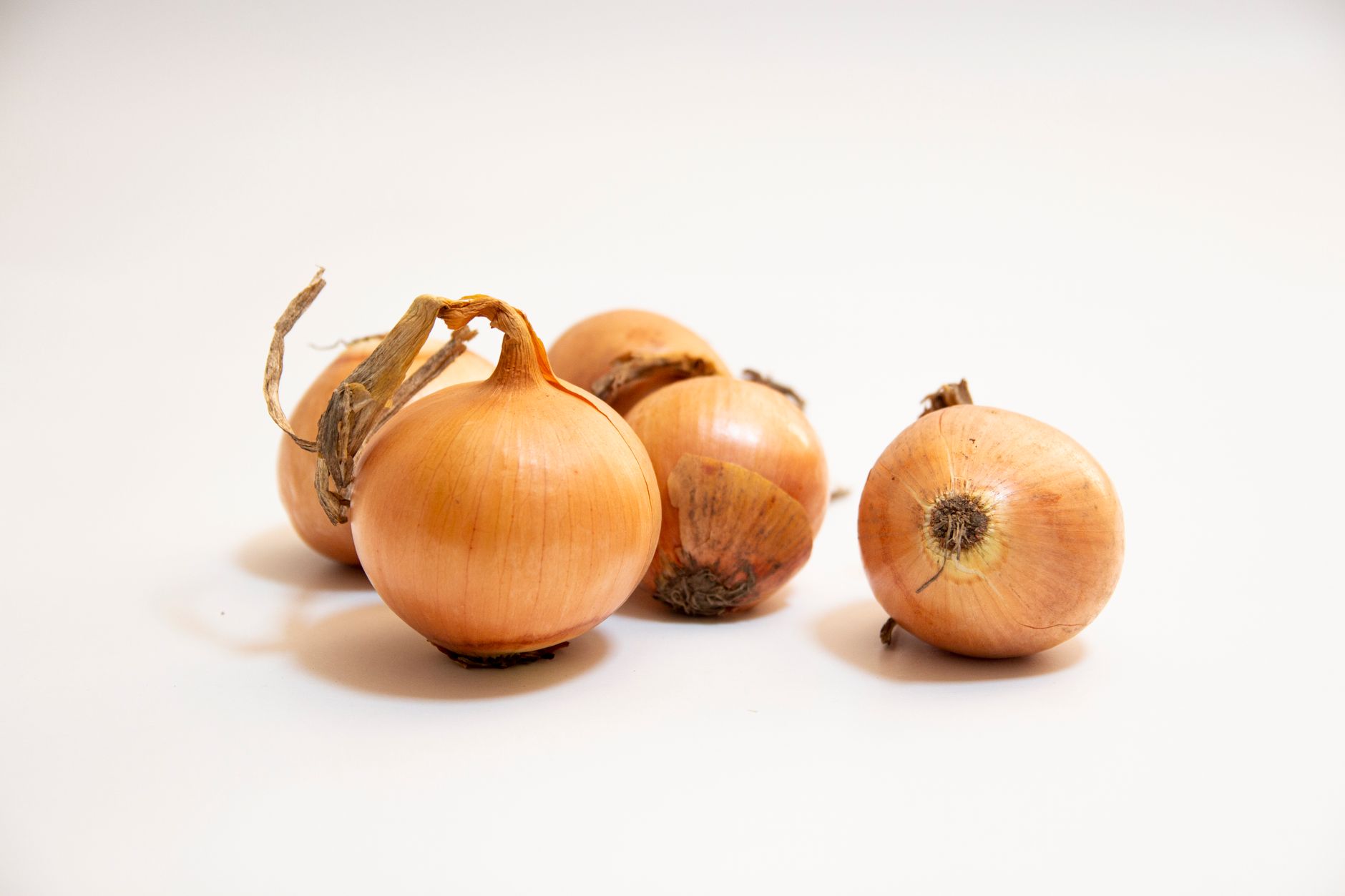
The absolute, non-negotiable solution is keeping all members of the allium family entirely out of a dog’s reach. The most critical takeaway is that dogs cannot eat onions under any circumstances; even tiny amounts cause catastrophic damage to their red blood cells. Preventing exposure and knowing exactly how to react saves canine lives and avoids emotionally devastating veterinary bills.
Why are onions so toxic to a dog's body?
The danger lies in a specific, highly destructive chemical compound known as N-propyl disulfide. Canine digestive systems completely lack the specific biological enzymes required to safely break down and process this compound. When an onion enters the dog’s stomach, this toxin absorbs rapidly into the bloodstream and immediately targets healthy red blood cells.
Once attached, the toxin causes severe oxidative damage to the oxygen-carrying haemoglobin protein inside the cell. This oxidative stress physically alters the shape of the cell, creating fragile, deformed clumps known scientifically as Heinz bodies. The dog’s own immune system then recognises these deformed cells as foreign invaders and systematically destroys them.
This rapid, internal destruction of red blood cells completely starves the dog’s vital organs of essential oxygen. As the cellular destruction outpaces the bone marrow's ability to create new blood cells, the dog slips into a state of severe, life-threatening anaemia.
🚨 Vet Fact: Onion toxicity is fiercely cumulative. A dog sneaking a tiny onion ring every weekend will slowly build up catastrophic levels of oxidative damage, eventually resulting in a sudden, unexplained collapse weeks later.
Does cooking the onion remove the deadly toxins?
A massive, dangerous misconception is that cooking or boiling vegetables neutralises their inherent toxicity. While high heat successfully destroys harmful bacteria, it does absolutely nothing to alter the chemical structure of N-propyl disulfide. Raw onions, caramelised onions, and deep-fried onion rings all deliver the exact same lethal payload to a dog’s bloodstream.
Consider a highly food-motivated Staffy attending a classic weekend backyard barbie in Melbourne. The dog eagerly inhaled a dropped snag absolutely covered in rich, caramelised onions meant for the human guests. By the next evening, the Staffy was exhibiting severe lethargy and required a terrifying three-day hospital stay for emergency blood transfusions.
Powdered onion and dehydrated onion flakes are arguably the most dangerous forms available in modern pantries. Because all the water weight is entirely removed, the toxic compounds in onion powder are massively concentrated. A single dropped teaspoon of commercial onion powder is powerful enough to severely poison a medium-sized dog.
What are the exact symptoms of onion poisoning?
Because the cellular damage happens microscopically within the bloodstream, external symptoms are rarely immediate. The dog will likely act perfectly normal for the first twenty-four hours after consuming the toxic vegetable. Owners must watch meticulously for these undeniable, physical red flags that signal a rapidly declining red blood cell count:
- Extreme Lethargy: A previously high-energy dog will suddenly refuse to get off the bed or stand up for a walk.
- Pale Mucous Membranes: Lifting the dog's lip will reveal gums that are stark white or bluish-grey, rather than a healthy, vibrant pink.
- Tachycardia: An abnormally fast, racing heart rate as the body desperately attempts to pump what little oxygen remains through the system.
- Haematuria: Passing urine that is darkly coloured, ranging from deep rust to bright red, indicating the kidneys are filtering out destroyed blood cells.
🐾 Snoutbit Pro-Tip: Perform a "capillary refill test" at home by pressing firmly on the dog's upper gum until it turns white, then release. In a healthy dog, the pink colour returns within two seconds; a delay longer than three seconds demands an immediate emergency vet visit.
How much onion does it take to harm a dog?
Veterinary toxicologists state that consuming just 15 to 30 grams of onion per kilogram of body weight causes clinically significant haematological changes. To put that math into practical perspective, a single medium-sized brown onion can easily hospitalise a robust, twenty-kilogram dog. For toy breeds, the toxic threshold is horrifyingly low.
A tiny Chihuahua or a miniature Dachshund can suffer fatal consequences from eating just a single dropped onion ring. Larger breeds, like Golden Retrievers, possess a slightly higher threshold, but playing a guessing game with a pet's organ health is never an acceptable strategy. Any known ingestion warrants an immediate phone call to a local veterinary professional.
What are three advanced, hidden dangers of allium toxicity?
Generic pet care advice often stops at simply locking up the pantry, but elite canine management requires a much deeper understanding of hidden environmental threats. Implementing these three highly specific, advanced insights prevents accidental poisonings that catch most owners entirely off guard.
- The "Sick Dog" Baby Food Trap: When a dog suffers from a mild stomach upset, owners frequently purchase human meat-based baby food to encourage eating. However, many commercial baby food brands secretly use onion powder as a primary flavour enhancer. Feeding this to a dog with an already compromised immune system triggers a devastating, entirely preventable toxic crisis.
- The Delayed Onset Deception: Onion toxicity does not act like traditional stomach poisons; it is a slow, silent killer. The most severe, life-threatening symptoms of Heinz body anaemia often do not physically manifest until three to five full days after the initial ingestion. Owners incorrectly assume the dog is safe after a day of normal behaviour, only to be blindsided by a sudden collapse later in the week.
- The Cross-Pollination Garden Threat: Suburban backyards often hide dangerous botanical secrets. Wild onions and wild garlic sprout aggressively across Australian lawns following heavy spring rains. These wild variants carry the exact same toxic payload as grocery store onions, making curious, foraging dogs highly susceptible to backyard poisoning.
How do local environments impact foraging behaviours?
Geography heavily dictates how and when a dog might encounter toxic plants. During the blazing heat of an Australian summer, dogs naturally seek out cool, damp earth to lie on, often digging up shaded garden beds. This digging behaviour frequently unearths dormant onion or garlic bulbs buried by previous homeowners.

A young, high-drive Blue Heeler on a rural property in New South Wales discovered a massive patch of wild onions growing near a fence line. Driven by intense boredom, the dog shredded and consumed several raw bulbs. The rural location meant the owners faced a terrifying, two-hour emergency drive to the nearest clinic once the dog's urine turned a dark, rusty red.
During heavy tick seasons, dogs are often restricted to smaller, fenced areas to avoid tall grass. This spatial restriction drastically increases the likelihood of a bored dog chewing on decorative garden plants out of sheer frustration. Meticulously auditing the designated outdoor space for any members of the allium family is absolutely mandatory.
🚨 Vet Fact: The entire allium botanical family shares the exact same toxic profile. This means garlic, leeks, shallots, and chives are all strictly forbidden for canine consumption and will trigger identical, massive red blood cell destruction.
What is the exact veterinary treatment for onion poisoning?
If an ingestion occurs, absolutely no home remedies exist to reverse oxidative blood damage. The medical response depends entirely on how quickly the owner gets the dog into a clinical setting. If the onion was consumed within the last two hours, the veterinarian will immediately administer a specialized emetic drug to force violent vomiting.
Expelling the stomach contents prevents the toxic compounds from ever reaching the small intestine for absorption. Following the vomiting, the dog is typically given activated charcoal, a highly porous medical substance that actively binds to any lingering toxins inside the digestive tract.
If the owner arrives days after the ingestion and severe anaemia is already present, the treatment plan shifts to intensive, critical care. The dog will require massive volumes of intravenous fluids to flush the damaged cellular debris out of the kidneys. In the most severe cases, whole blood transfusions and supplemental oxygen therapy are the only ways to keep the dog's organs functioning while the bone marrow slowly recovers.
Are there any human foods safe to share?
Dogs frequently beg intensely when onions are sizzling in a frying pan because the rich, savoury smell is incredibly highly appealing to their senses. Redirecting that begging behaviour requires offering a biologically appropriate, high-value vegetable alternative. Swapping dangerous alliums for safe, low-calorie produce entirely satisfies the dog's desire to participate in family mealtime.
- Fresh Green Beans: An excellent, highly crunchy snack that provides satisfying texture and essential vitamins without adding any fat.
- Sliced Cucumbers: Composed almost entirely of water, making them the ultimate hydrating treat during intense heatwaves.
- Steamed Carrots: A fantastic source of beta-carotene and dietary fibre that safely supports canine digestive health.
🐾 Snoutbit Pro-Tip: Keep a dedicated, sealed container of pre-chopped, dog-safe vegetables in the refrigerator. When cooking dinner with dangerous ingredients, toss the dog a safe carrot stick to completely redirect their attention away from the hazardous kitchen floor.
What To Do Next
- Conduct a Pantry and Garden Audit: Immediately check all human spice blends, gravies, and stock powders for hidden onion or garlic powder. Move these toxic items to a high, secure shelf. Walk the backyard perimeter tomorrow morning to identify and aggressively uproot any wild allium weeds before a bored dog finds them.
- Save the Emergency Number: Program the phone number and address of the nearest 24-hour emergency veterinary hospital directly into a smartphone right now. During the intense panic of a toxic ingestion, having immediate, one-tap access to a veterinary toxicologist saves critical, life-altering minutes.
Disclaimer: The content on Snoutbit.com is for informational and educational purposes only and is not intended to replace professional veterinary advice, diagnosis, or treatment. Always consult with your veterinarian before making significant changes to your dog’s diet, exercise routine, or health regimen.