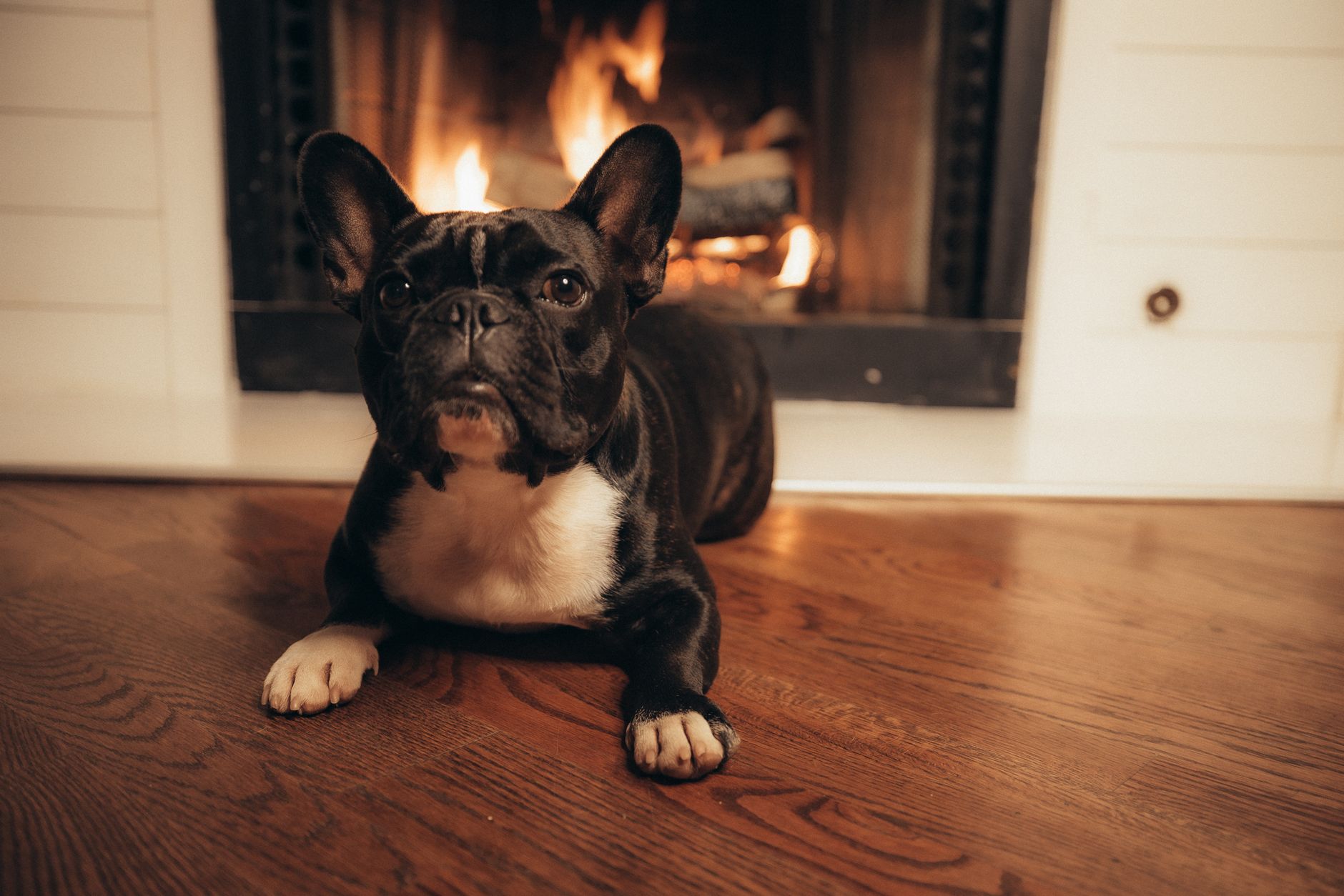
Why Is My French Bulldog Snorting So Much? The Hidden Breathing Crisis
Did you know over 80% of French Bulldogs suffer from significant respiratory deformities? That adorable snorting sound your Frenchie makes while sleeping is actually a desperate struggle for oxygen. Is it normal for a French Bulldog to snort and choke? No, heavy snorting and gasping indicate Brachycephalic Obstructive Airway Syndrome (BOAS), a serious medical condition requiring immediate veterinary intervention and weight management. While common in the breed, these breathing sounds are never biologically healthy.
As a certified veterinarian, I see devastated American pet owners facing massive surgical bills because they mistook a medical crisis for a "cute breed quirk." This guide breaks down exactly what is happening inside your dog's airway and how to fix it safely.
Overview Mind Map: Frenchie Breathing Action Plan
- Core Problem: Crushed skull anatomy (stenotic nares, elongated soft palate).
- The Agitation: Heatstroke, exercise intolerance, and terrifying choking episodes.
- Diagnostics: Sedated airway exams and BOAS grading.
- Medical Solutions: Soft palate resection and nostril widening surgery.
- Home Management: Strict weight control, harness use, and climate control.
The Problem: Understanding Your Frenchie's Crushed Anatomy
You cannot fix your French Bulldog's breathing without understanding their unique brachycephalic skull structure. Years of selective breeding for a flat face have severely compacted their internal airways. The tissue that normally fits inside a wolf-like snout is now crammed into a space a fraction of the size.
This anatomical traffic jam creates a vacuum effect every time they inhale. The harder they try to breathe, the more their airway collapses inward. It is the biological equivalent of trying to breathe while someone pinches your nose closed.
Stenotic Nares and Pinched Nostrils
The first roadblock for oxygen occurs right at the nose. Many Frenchies are born with stenotic nares, meaning their nostril openings are little more than tiny slits. Trying to pull air through these pinched openings requires massive respiratory effort from the dog.
Over time, this constant forceful suction damages the cartilage deep within the trachea. The cartilage rings begin to weaken and collapse, permanently narrowing the windpipe.

The Elongated Soft Palate Issue
The most dangerous part of BOAS is completely hidden from view. Almost all flat-faced dogs suffer from an elongated soft palate, where the tissue at the roof of the mouth extends too far back.
When your dog breathes in, this excess tissue gets sucked into the windpipe, physically blocking the airway. That famous "pig snort" is the sound of this tissue violently vibrating and obstructing their oxygen supply.
The Agitation: Why "Cute" Snorting Leads to Medical Crises
Ignoring these breathing struggles is a fatal mistake that causes immense suffering. The agitation occurs when owners normalize the choking, assuming all Frenchies simply breathe loudly. This ignorance allows the underlying inflammation to worsen daily, slowly suffocating the dog from the inside out.
Eventually, the respiratory system simply gives up. The dog collapses, turning a terrifying shade of blue as their heart fails from lack of oxygen.
The Lethal Threat of Summer Heatstroke
Dogs do not sweat through their skin; they regulate their core body temperature almost entirely by panting. Because a Frenchie's airway is obstructed, they are completely incapable of cooling themselves down effectively.
In the hot US summer, a French Bulldog can easily die from heatstroke during a mild 15-minute walk. Their internal temperature spikes rapidly, leading to organ failure and irreversible brain damage before you even reach the emergency clinic.
Early warning signs of Frenchie respiratory distress:
- Excessive drooling with thick, rope-like saliva.
- Gums and tongue turning a blue, purple, or dark gray color.
- Chest severely heaving while the dog refuses to sit or lie down.
- Regurgitating white foam during or immediately after exercise.
Sleep Apnea and Silent Gastrointestinal Issues
The airway struggle does not stop when your dog falls asleep. Severe BOAS frequently causes canine sleep apnea, forcing the dog to wake up hundreds of times a night just to catch their breath. You will often see a Frenchie sleeping with their chin propped up on a toy or pillow to keep their airway manually open.
Furthermore, the constant vacuum effect in their chest pulls stomach acid upward. This leads to chronic hiatal hernias, daily vomiting, and severe acid reflux that damages their esophagus.

The Solution: Veterinary Interventions and Lifesaving Surgery
You cannot train or medicate a physical airway obstruction away. The solution requires direct veterinary intervention to surgically correct the deformed anatomy. While surgery sounds terrifying, it dramatically transforms your dog's quality of life and adds years to their lifespan.
You are fundamentally fixing the plumbing of their respiratory system. Once the airway is opened, the dog can finally run, play, and sleep without fighting for their life.
What to Expect During BOAS Surgery
Your veterinarian will need to perform a fully sedated airway exam to accurately grade the severity of the obstruction. The standard corrective procedure involves widening the stenotic nares using a surgical laser or scalpel to increase nasal airflow.
Concurrently, the surgeon performs a soft palate resection, carefully trimming away the excess tissue blocking the throat. Finally, they may remove everted laryngeal saccules, which are small pockets of tissue that have been sucked inside out by the vacuum pressure.
Bottom-line takeaway: Schedule BOAS evaluation between 10 to 14 months of age, before the cartilage in their throat permanently collapses.
Financial Realities for American Owners
Make no mistake, specialized brachycephalic surgery is a major financial undertaking. In the US, a comprehensive BOAS surgery performed by a board-certified veterinary surgeon typically costs between $2,500 and $5,500.
This is exactly why acquiring comprehensive pet insurance the exact day you bring your Frenchie puppy home is an absolute necessity. If you wait until they are choking to buy insurance, the condition will be flagged as pre-existing and completely denied.
Critical At-Home Management for Brachycephalic Dogs
While surgery corrects the primary anatomy, your daily management dictates their long-term survival. You must permanently alter your lifestyle to accommodate their fragile respiratory system. A Frenchie is an indoor, climate-controlled companion, not an outdoor jogging partner.
Managing their environment strictly prevents surgical relapses and keeps inflammation at bay. Every decision you make, from the gear you use to the temperature of your home, impacts their breathing.
Strict Weight Control and Obesity Prevention
Obesity is a death sentence for a French Bulldog. Every single ounce of extra fat on their body creates internal pressure that pushes directly against their already narrow windpipe.
Keeping your dog extremely lean is the single most effective home remedy for managing BOAS symptoms. You should easily be able to feel their ribs without pressing hard, and they should have a clearly defined waistline when viewed from above.
Essential daily habits for Frenchie respiratory health:
- Throw away all neck collars; walk your dog exclusively on a well-fitted, Y-shaped chest harness to protect the trachea.
- Keep your home air-conditioned strictly below 72°F (22°C) during the warm summer months.
- Limit all outdoor exercise to brief, slow walks before 8:00 AM or after sundown.
- Use elevated, slow-feeder bowls to reduce the amount of air they swallow while aggressively eating.

Knowing When to Visit the Emergency Vet
You must learn to differentiate between normal Frenchie grunting and a fatal respiratory crisis. If your dog collapses, struggles to stand, or their breathing sounds like harsh, wet rasps, do not wait for a regular appointment.
Transport them to a 24-hour emergency hospital immediately in an air-conditioned car. Keep them as calm as possible, as stress and panic only increase their immediate demand for oxygen.
By taking BOAS seriously, investing in early veterinary diagnostics, and heavily managing their weight, you can save your Frenchie from a life of quiet suffocation.
Disclaimer: This article is for informational purposes only and does not constitute veterinary medical advice. Always consult with a licensed veterinarian before altering your pet's diet, starting a new training regimen, or addressing health concerns.