13 Fearless Dog Breeds Built to Navigate Rugged Terrain
Introduction: Dogs Shaped by Rugged Landscapes
Dogs have long been indispensable partners to humans in some of the world's most unforgiving environments. From snow-covered mountain passes to vast open plains, certain breeds were developed to work alongside people in conditions that would challenge any animal. These dogs are not just tough; they are intelligent, resourceful, and deeply loyal, with instincts honed over generations.
In this article, we explore 13 fearless dog breeds built to navigate rugged terrain. Whether they guarded livestock, pulled carts, rescued travelers, or herded cattle, each breed has a unique history that reflects the demands of its native landscape. According to iHeartDogs, these dogs were shaped by the environments they worked in, developing physical and mental traits that make them exceptional outdoor companions. Understanding their origins helps us appreciate their needs and ensures we can provide them with fulfilling lives.
Quick Comparison: The 13 Breeds at a Glance
| Breed | Origin | Original Job | Key Terrain Adaptation |
|---|---|---|---|
| Bernese Mountain Dog | Switzerland | Draft, guarding, cattle driving | Strength and endurance on mountain farms |
| Great Pyrenees | Pyrenees Mountains | Livestock guardian | Double dewclaws for traction |
| Saint Bernard | Swiss Alps | Mountain rescue | Cold resistance, keen scent |
| Tibetan Mastiff | Himalayas | Guardian | Heavy bones, thick coat |
| Anatolian Shepherd Dog | Türkiye | Livestock guardian | Athletic, independent decisions |
| Australian Cattle Dog | Australia | Cattle herding | Heat and rough outback stamina |
| Border Collie | Scotland/England border | Sheepherding | Intelligence on uneven hills |
| Caucasian Shepherd Dog | Caucasus region | Livestock/property guardian | Thick coat, predator deterrent |
| Siberian Husky | Siberia (Chukchi) | Endurance sled dog | Double coat, efficient gait |
| Alaskan Malamute | Alaska | Freighting heavy loads | Power in Arctic conditions |
| Norwegian Elkhound | Scandinavia | Moose hunting | Cold-forest hardiness |
| Border Collie (versatility) | Scotland/England border | Dog sports, farm work | Trainability and work ethic |
| Australian Cattle Dog (versatility) | Australia | Search and rescue, sports | Mental and physical drive |
Mountain Guardians and Rescue Dogs
Mountain ranges are among the most challenging environments for any creature, with steep slopes, unpredictable weather, and limited resources. Several breeds were developed specifically to work in these harsh conditions.
Bernese Mountain Dog
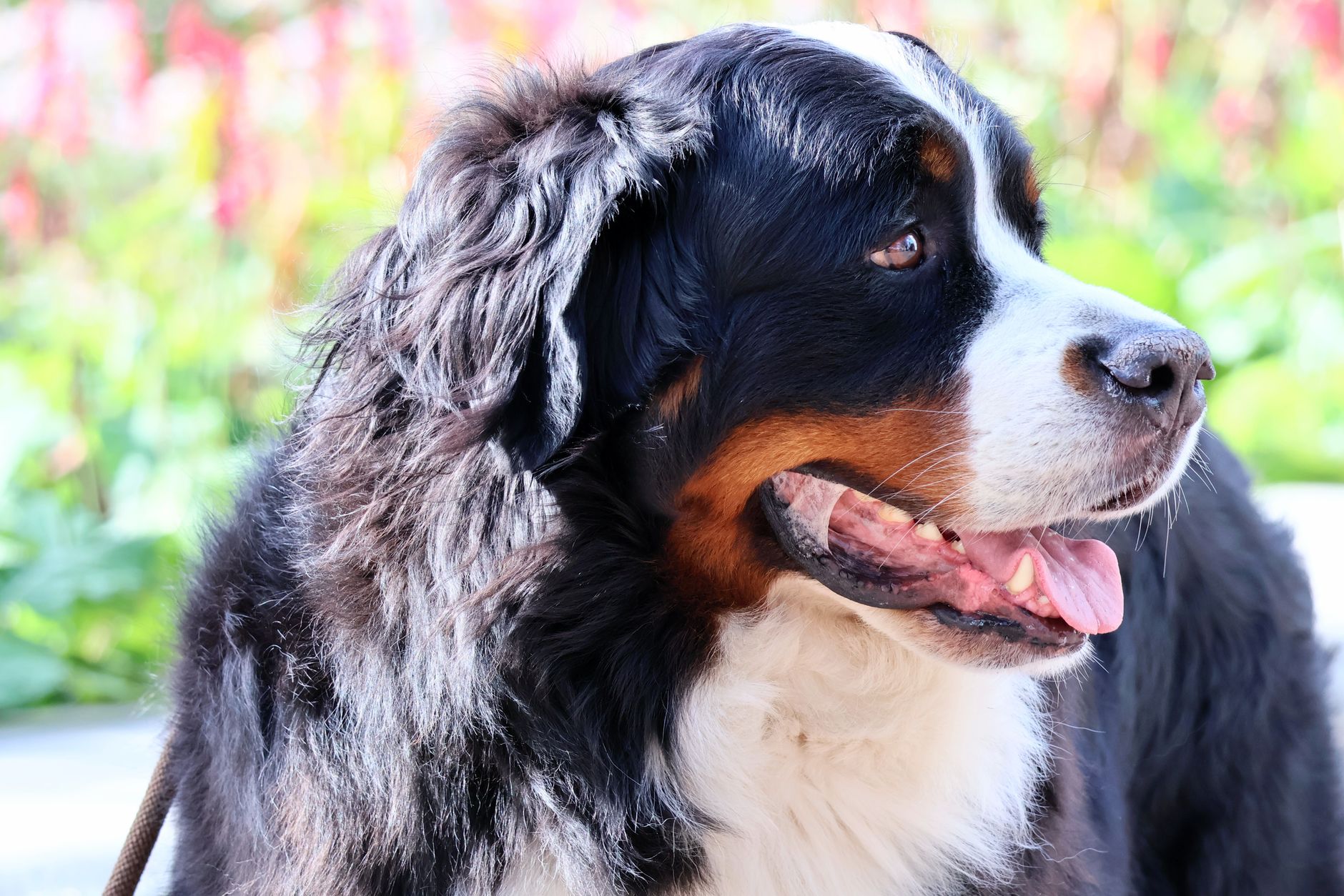
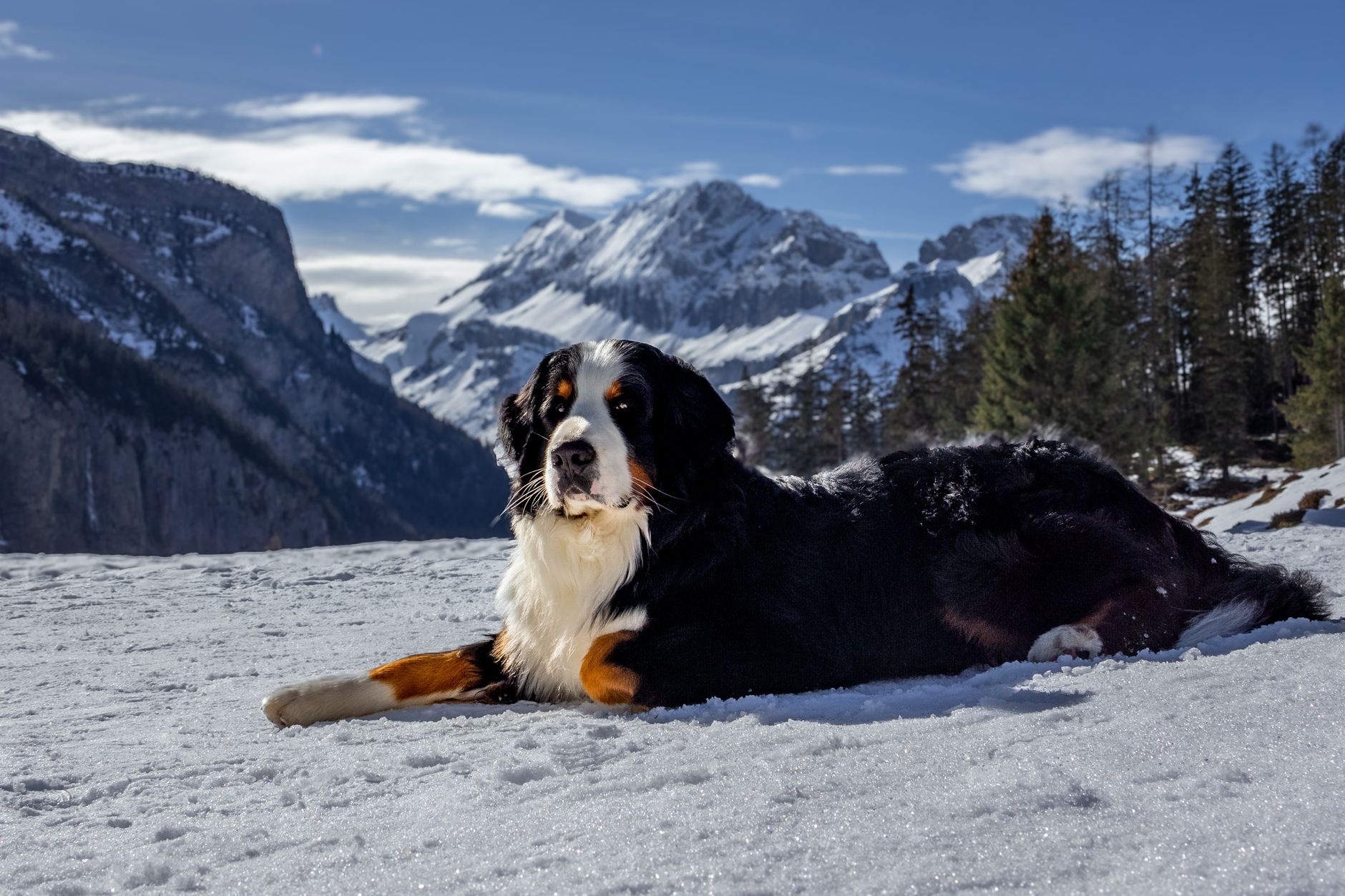
Originating in Switzerland, the Bernese Mountain Dog was used for driving cattle, guarding farms, and pulling carts in mountainous terrain (iHeartDogs). Their strength and endurance made them invaluable on Swiss farms, where they also historically pulled carts in the Swiss mountains (iHeartDogs). Today, they remain gentle giants with a love for outdoor activities.
Great Pyrenees
Developed to protect livestock in the Pyrenees Mountains, the Great Pyrenees is a dedicated guardian (iHeartDogs). One of their most distinctive features is the double dewclaws on their hind limbs, which provide extra traction on rough terrain (iHeartDogs). This adaptation helps them navigate steep, rocky slopes while keeping a watchful eye on their flock. Their paw structure is part of a broader story of 15 Dog Breeds With Giant Paws: The Functional Truth.
Saint Bernard
Saint Bernards are famously associated with the Swiss Alps and the Great St. Bernard Pass, where they assisted in rescue efforts (iHeartDogs). Their keen sense of smell and resistance to cold made them ideal for locating travelers trapped in snow. They became famous for mountain rescue at the Great St. Bernard Pass (iHeartDogs), and their legacy as lifesavers endures.
Tibetan Mastiff
From the Himalayas, the Tibetan Mastiff possesses heavy bones, thick coats, and independent guardian temperaments suited to Himalayan environments (iHeartDogs). These dogs are natural protectors, capable of enduring extreme cold and deterring predators. Their imposing presence and deep bark make them effective guardians for homes and livestock.
These mountain breeds share a common heritage of resilience and service. They were not bred for comfort but for survival and protection in some of the most rugged places on Earth. Owning one requires understanding their working roots and meeting their physical and mental needs. For families seeking calmer guardian options, see 7 Low-Maintenance Guard Dogs for Families.
Herding and Livestock Protection Breeds
Herding and livestock protection are two distinct but equally demanding jobs that require intelligence, stamina, and independent thinking.
Anatolian Shepherd Dog
Hailing from Türkiye, the Anatolian Shepherd Dog is a livestock guardian known for its athletic build and independent decision-making (iHeartDogs). These dogs can make split-second choices to protect their flock from predators, often working alone for long periods. Their loyalty and protective instincts are unmatched.
Australian Cattle Dog
Developed to move cattle across vast Australian properties, the Australian Cattle Dog requires stamina, intelligence, and toughness (iHeartDogs). These dogs are relentless workers, able to handle the heat and rough terrain of the Australian outback. Their herding style is often described as "heeling," where they nip at the heels of cattle to keep them moving.
Border Collie
The Border Collie originated along the borderlands of Scotland and England, where they were used for working sheep across hills and uneven countryside (iHeartDogs). Renowned for their intelligence and trainability, they are considered by many to be the premier sheepherding breed. Their ability to read livestock and respond to subtle commands makes them invaluable on farms.
Caucasian Shepherd Dog
From the Caucasus region, the Caucasian Shepherd Dog developed as a formidable livestock and property guardian, facing harsh weather and serious predators (iHeartDogs). These dogs are massive and courageous, with a thick coat that protects them from the elements. They are wary of strangers and deeply devoted to their families and flocks.
These breeds are not just workers; they are partners. They require owners who can provide a job and plenty of mental stimulation. Without such outlets, their intelligence and energy can lead to boredom and destructive behavior. Their sensitivity to inconsistent leadership is why they appear in guides like 15 Dog Breeds More Sensitive Than You Think.
Arctic Sled Dogs and Cold-Weather Workers
In the frozen north, survival depends on endurance, strength, and a thick coat.
Siberian Husky
Developed by the Chukchi people as endurance sled dogs for severe northern conditions (iHeartDogs), the Siberian Husky is built to run for miles in freezing temperatures. Their compact build, efficient gait, and insulating double coat make them perfectly adapted to pulling sleds across vast, snowy expanses. They were bred by the Chukchi people for endurance sledding (iHeartDogs), and their friendly, outgoing nature has made them popular family pets, though they still require plenty of exercise.
Alaskan Malamute
Alaskan Malamutes were developed as powerful Arctic working dogs capable of hauling substantial loads (iHeartDogs). They are built for hauling heavy loads in Arctic conditions (iHeartDogs), often used for freighting rather than speed. Their strength and resilience are legendary, and they possess a strong pack drive, making them excellent team dogs. Like Huskies, they need vigorous daily activity to stay happy and healthy.
Norwegian Elkhound
The Norwegian Elkhound has a long history as a hardy Scandinavian hunting dog, traditionally used for pursuing large game such as moose (iHeartDogs). They were traditionally used to hunt moose in Scandinavia (iHeartDogs), and their thick coat and robust build allow them to work in cold, rugged forests. They are known for their courage and tenacity when tracking game.
These Arctic and cold-weather breeds are not for the faint of heart. They are energetic, independent, and require owners who can commit to their exercise and training needs. Their coats need proper grooming to maintain protective qualities. In return, they offer unwavering loyalty and a zest for life that is contagious.
Hunting and Versatile Outdoor Breeds
Beyond herding and sledding, some breeds were developed for hunting and other versatile outdoor tasks.
Norwegian Elkhound (Hunting Role)
As mentioned, the Norwegian Elkhound was traditionally used to hunt moose in Scandinavia (iHeartDogs). Their hunting style involves tracking and holding large game at bay until the hunter arrives. This requires physical stamina and a bold, independent spirit. They are well-suited to rural or semi-rural environments where they can exercise their natural instincts.
Border Collie (Versatility)
While primarily known for herding, the Border Collie's intelligence and trainability make them versatile outdoor companions. They excel in dog sports such as agility, flyball, and obedience, and they can adapt to various activities as long as they are challenged. Their origins along the borderlands of Scotland and England for working sheep across hills and uneven countryside (iHeartDogs) have given them a remarkable work ethic.
Australian Cattle Dog (Versatility)
Similarly, the Australian Cattle Dog's stamina, intelligence, and toughness (iHeartDogs) make them capable of many tasks beyond herding. They are often seen in dog sports, search and rescue, and as active companions for outdoor enthusiasts. Their need for mental and physical stimulation is high, so they thrive with owners who lead an active lifestyle.
These versatile breeds demonstrate that working dogs can excel in multiple roles when given proper training and outlets. They are not content to be couch potatoes; they need jobs to do and challenges to overcome.
Modern Ownership and Responsible Care
Bringing one of these rugged breeds into your home is a serious commitment. They are not just pets; they are working dogs with deep-rooted instincts and needs that must be met. Before choosing any breed, it helps to read What To Know Before Getting A Dog: The Brutal 15-Year Reality Check.
Exercise and Mental Stimulation
All the breeds discussed require ample exercise and mental stimulation. Arctic sled dogs like Siberian Huskies and Alaskan Malamutes need vigorous daily activity to prevent boredom and destructive behavior. Herding breeds like Border Collies and Australian Cattle Dogs need jobs to do, whether it's herding, agility, or advanced training. Mountain guardians like Great Pyrenees and Tibetan Mastiffs, while more laid-back indoors, still need regular exercise and a sense of purpose. After hard activity, large breeds often benefit from supportive rest, such as a Bedsure Orthopedic Dog Bed Review: Memory Foam for Large Dogs.
Training and Socialization
Early socialization and obedience training are crucial, especially for breeds with independent or protective temperaments. Anatolian Shepherds and Caucasian Shepherds, for example, are natural guardians and may be wary of strangers. Proper training helps them distinguish between friend and foe. Positive reinforcement methods work best, as these dogs are intelligent and respond well to clear, consistent leadership.
Grooming and Health
Many of these breeds have thick double coats that require regular grooming to prevent matting and maintain insulation. Great Pyrenees and Tibetan Mastiffs, for instance, shed heavily and need frequent brushing. If shedding is a concern, compare options in 7 Hypoallergenic Large Dog Breeds That Don't Shed (And Protect Your Allergies). Regular veterinary care is also essential, as some breeds are prone to specific health issues.
Finding the Right Breed
Before choosing one of these breeds, assess your lifestyle, living situation, and ability to meet their needs. If you live in an apartment and work long hours, a high-energy herding breed may not be the best fit—see 5 Easiest Dog Breeds To Potty Train For Apartments (And High-Rise Hacks) for a different starting point. Conversely, if you are an active outdoor enthusiast, a sled dog or herding breed could be a wonderful companion. Research breeders and consider adoption from rescue organizations that specialize in these breeds.
Frequently Asked Questions
Are these breeds good for first-time owners? Most are not ideal for beginners. Their independence, strength, and exercise needs require experienced, committed owners.
Do they need a large yard? A yard helps, but it is not a substitute for daily exercise, training, and mental work.
Can they live in apartments? Some can with rigorous daily activity, but high-energy sled and herding breeds usually struggle in small spaces.
How much grooming do they need? Double-coated breeds need frequent brushing, especially during seasonal shedding.
Conclusion
The 13 fearless breeds we've explored are a testament to the enduring partnership between humans and dogs. They were built to navigate rugged terrain, and they continue to inspire us with their courage, loyalty, and work ethic. By providing proper care, we honor their heritage and ensure they live fulfilling lives. The bond between these dogs and their people is a powerful reminder of why emotional support dogs are legitimate in so many lives.
Source: iHeartDogs