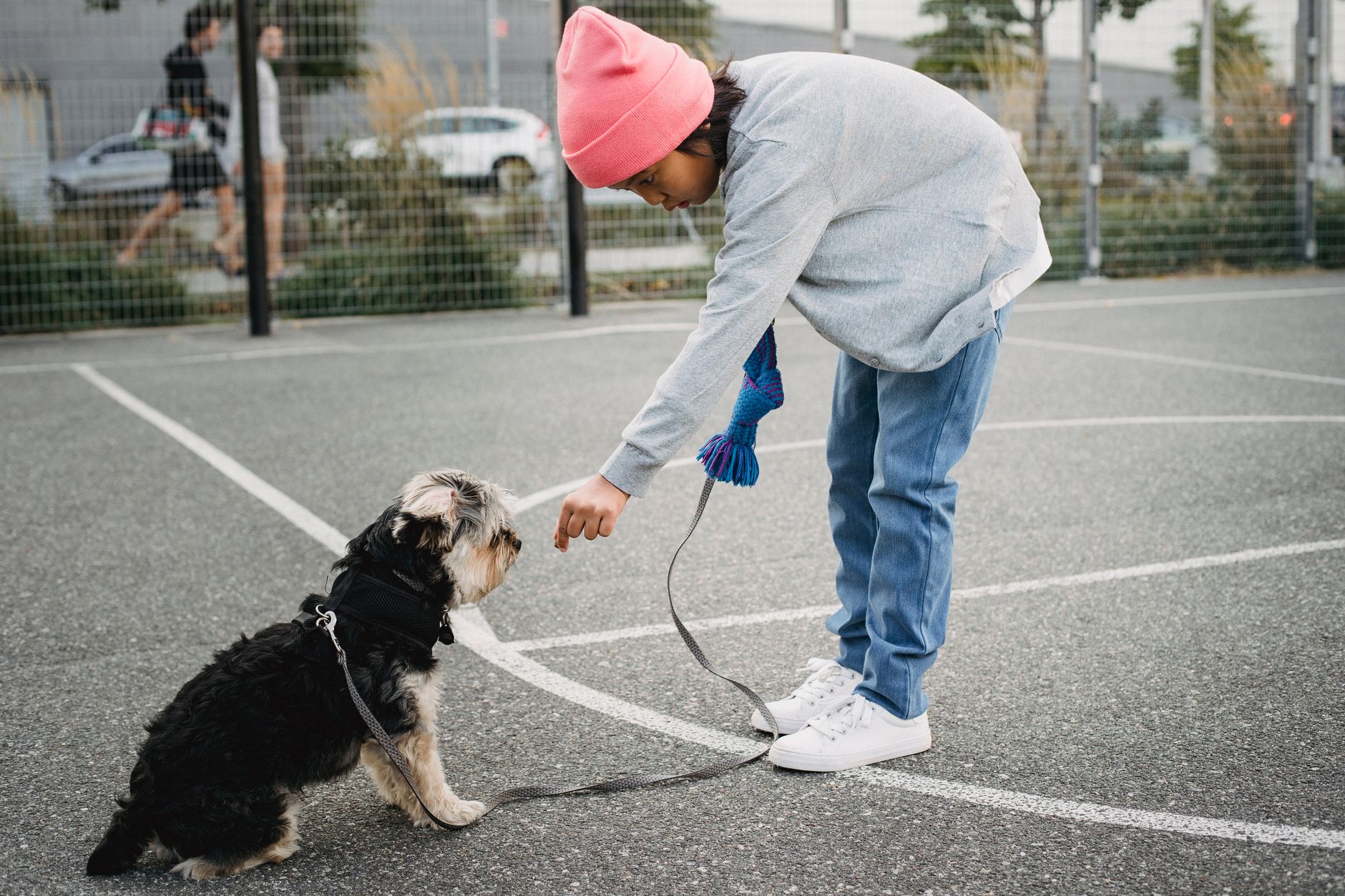
11 Elite Dog Training Tips: How To Fix Stubborn Behavior Fast
Living with a dog that completely ignores commands, aggressively pulls on the leash, or violently lunges at guests creates an exhausting daily nightmare. This constant lack of control breeds massive household resentment, turning simple neighborhood walks into highly stressful, deeply embarrassing physical battles. The absolute fastest way to restore peace is completely abandoning punitive corrections and mastering modern, science-based behavioral modification.

The biggest takeaway for any frustrated pet parent is that successful training requires managing the physical environment before attempting to train the actual dog. Immediate obedience requires keeping training sessions strictly under five minutes, paying the dog with high-value biological currency, and abandoning visible food bribes entirely. Establishing this heavily structured, reward-based foundation drastically reduces canine anxiety and builds explosive, highly reliable handler focus.
Why do traditional dog training methods fail so often?
Decades of outdated canine advice relied heavily on the debunked theory of "alpha dominance" and harsh physical corrections. Forcing a dog into a submissive position or utilizing painful prong collars only suppresses the unwanted behavior temporarily through sheer physical terror. The underlying canine anxiety remains completely unresolved, creating a highly unpredictable ticking time bomb.
Dogs are entirely opportunistic learners driven by the promise of immediate reinforcement. If training constantly involves yelling, harsh leash pops, or sheer frustration, the dog quickly learns to actively avoid the human handler. A frightened dog completely loses the biological ability to process new information, bringing the entire learning phase to a grinding halt.
🚨 Vet Fact: Utilizing heavy, restrictive slip leads or harsh physical corrections heavily damages the delicate tracheal rings in a dog's throat. Chronic pulling against these punitive tools leads directly to collapsing tracheas and permanent, severe respiratory distress in later life.
Advanced Insight 1: Mastering The Premack Principle
Generic pet advice simply tells owners to hand out a piece of cheese every single time the dog sits. Elite behavioral consultants utilize a highly advanced psychological concept called the Premack Principle, often referred to as "Grandma's Law." This principle dictates that a highly probable behavior can be successfully used to reinforce a much less probable behavior.
Instead of relying strictly on food, handlers use the surrounding environment as the ultimate training reward. If a dog desperately wants to sprint through the front door to chase a squirrel, the handler demands a flawless, calm "sit" first. The reward for the boring "sit" command is the immediate release to sprint outside and investigate the yard.
A family in Florida adopted a highly reactive German Shepherd mix that constantly dragged them down the sidewalk to sniff fire hydrants. The dog completely ignored expensive meat treats, rendering standard training useless. By demanding a few seconds of calm eye contact before allowing the dog to physically approach the fire hydrant, the owners successfully weaponized the dog's own environmental desires to build perfect leash manners.
How does micro-training build permanent behavioral habits?
Most owners make the catastrophic mistake of attempting to train a new puppy for an entire hour on a Saturday afternoon. Canine brains, particularly young ones, possess incredibly short attention spans and suffer rapidly from intense cognitive fatigue. Pushing a dog past their mental threshold guarantees sloppy mechanics, deep frustration, and a completely ruined training session.

The absolute best training happens in hyper-focused, three-minute micro-sessions seamlessly integrated throughout the normal daily routine.
- The Doorway Drill: Demand strict impulse control and a quiet "wait" at every single threshold inside the home.
- The Mealtime Sit: Force the dog to maintain a calm position while the food bowl is slowly lowered to the kitchen floor.
- The Commercial Break Recall: Practice highly enthusiastic recall commands during television commercial breaks, rewarding with intense physical play.
🐾 Snoutbit Pro-Tip: Always end every single training session on a massive, highly successful win. If the dog struggles heavily with a new trick, immediately ask for a simple, heavily known command like "touch" or "sit," heavily reward it, and put the leash away.
Advanced Insight 2: The 72-Hour Cortisol Detox
When a dog experiences a highly terrifying event, like a loose neighborhood dog charging them, their bloodstream instantly floods with cortisol. This powerful stress hormone actively triggers the biological "fight or flight" survival response. Generic training articles entirely fail to mention that this cortisol buildup takes a full seventy-two hours to completely leave the canine body.
If an owner attempts to train a dog or walk them through a busy park the day after a highly stressful event, the dog will act completely unhinged. This is known clinically as trigger stacking, where minor daily stressors pile up until the dog violently explodes in a reactive frenzy. The dog is not acting stubborn; their nervous system is entirely hijacked by lingering stress hormones.
Following any massive behavioral meltdown, immediately implement a strict, three-day cortisol detox protocol.
- Completely halt all stressful neighborhood walks.
- Provide all daily meals entirely through frozen puzzle toys or calming lick mats.
- Allow the dog to rest in a dark, quiet room to help their nervous system fully reset.
Advanced Insight 3: Surviving The Extinction Burst
Owners frequently attempt to train out nuisance behaviors, like demand barking for dinner, by simply ignoring the noise. Initially, the dog responds to being ignored by barking significantly louder, jumping higher, and acting completely out of control. This sudden, terrifying escalation causes most owners to immediately give in, incorrectly assuming the training method completely failed.
This massive escalation is a scientifically documented behavioral phenomenon known strictly as an extinction burst. The dog's brain realizes that the old behavior is no longer paying out, so it throws a massive tantrum in a desperate attempt to force the original outcome. Surviving this temporary, chaotic burst is the absolute most critical phase of canine behavior modification.
Consider the reality of a frustrated Golden Retriever owner in Ohio dealing with severe attention-seeking jumping. When the owner finally started turning their back instead of petting the jumping dog, the dog began aggressively nipping at their clothing. By staying completely silent and waiting out the fierce extinction burst, the dog eventually offered a frustrated "sit," which was instantly rewarded, permanently breaking the jumping habit.
🚨 Vet Fact: Highly anxious dogs frequently exhibit intense, destructive chewing behavior specifically targeted at home furnishings or their own paws. The repetitive physical act of chewing instantly releases natural, highly calming endorphins directly into the canine bloodstream, acting as a biological self-soothing mechanism.
How to transition away from continuous food treats
Relying entirely on visual bribes creates a dog that absolutely refuses to obey unless the human's hands are visibly full of food. To stop this infuriating "show me the money" syndrome, handlers must immediately transition from luring to a variable reinforcement schedule. The food must stay entirely hidden within a dedicated training pouch until the exact second the dog successfully executes the requested command.
Once the dog fully understands the command, rewarding them with a treat every single time actually weakens the behavior over time. Creating a gambling addiction inside the canine brain is the ultimate secret to flawless, permanent obedience. Handlers must heavily randomize when and how the dog gets paid.
Sometimes a perfect recall earns absolutely nothing but enthusiastic verbal praise and a quick ear scratch. The very next recall might randomly earn a massive "jackpot" of five rapid-fire meat treats. This highly unpredictable payout system keeps the dog intensely focused, constantly working hard in hopes of hitting the ultimate food lottery.
Why mechanical timing dictates complete training success
A high-value treat is entirely useless if the handler's mechanical timing is sloppy, rushed, or severely delayed. Dogs live entirely in the immediate present; if a treat arrives three seconds after they sit, they have no idea what behavior actually earned the payment. Utilizing a sharp, distinct marker word perfectly bridges that dangerous gap in time.

The exact second the dog's rear end hits the grass, the handler must immediately say a crisp, enthusiastic "Yes!" or click a mechanical training clicker. This specific, sharp sound takes a psychological snapshot of the exact behavior occurring in that specific millisecond. The marker word explicitly promises the dog that the physical treat is actively on the way, buying the handler crucial time to reach into their pocket.
🐾 Snoutbit Pro-Tip: If a dog suddenly begins spitting out highly valued meat treats during an outdoor training session, consider it a massive, glowing red flag. Refusing premium food instantly indicates the dog is heavily over the threshold and entirely overwhelmed by environmental fear, meaning all active cognitive learning has completely stopped.
What To Do Next
- Ditch The Metal Food Bowl: Stop feeding the dog their daily meals out of a standard kitchen bowl entirely starting today. Measure out their exact morning kibble ration, place it inside a wearable silicone training pouch, and use every single piece exclusively to heavily reward calm, polite behavior around the house.
- Establish A Clear Marker Word: Pick a short, highly distinct word like "Yes" or "Nice" to serve as the official training marker. Stand in the kitchen tonight and practice saying the word, immediately followed by dropping a high-value treat, ten times in a row to effectively "load" the sound directly into the canine brain.
Disclaimer: The content on Snoutbit.com is for informational and educational purposes only and is not intended to replace professional veterinary advice, diagnosis, or treatment. Always consult with your veterinarian before making significant changes to your dog’s diet, exercise routine, or health regimen.