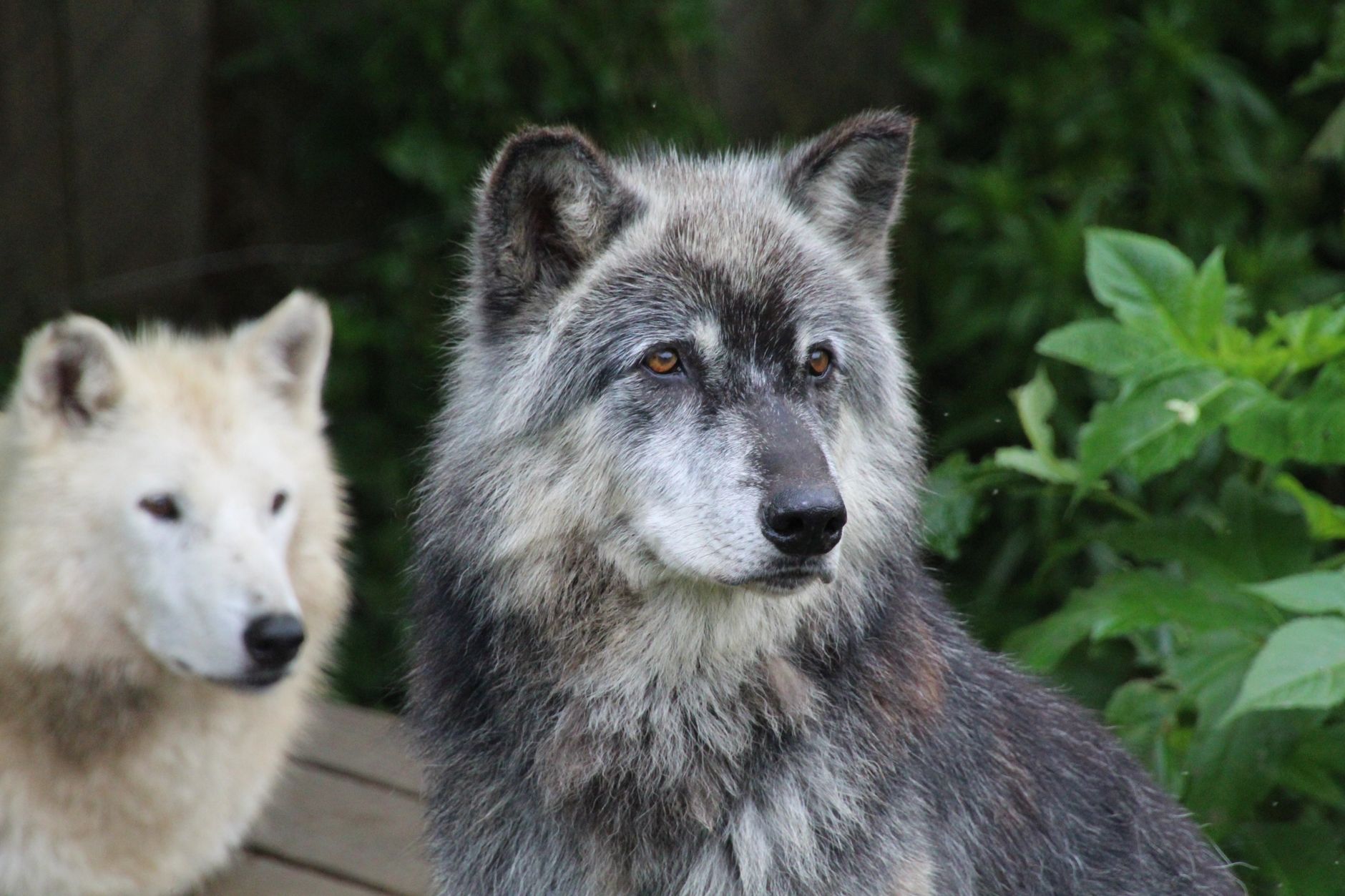
Wolves Help Veterans with PTSD: A Heartwarming Story of Healing
Introduction
For many veterans, the transition from military service to civilian life is a battle that continues long after the uniform is hung up. Post-Traumatic Stress Disorder (PTSD) can feel like an invisible enemy, one that traditional therapies and medications sometimes fail to conquer. According to iHeartDogs.com, some veterans reach a point where they feel they have nowhere left to turn. But at a sanctuary in California, an extraordinary program is offering a different kind of healing—one that comes on four legs and a whole lot of intuition.
Lockwood Animal Rescue Center, founded in 2011, is not your typical rescue. It is a place where wolves and wolf-dog hybrids, themselves survivors of abuse and exploitation, are given a second chance. In a beautiful twist of fate, these intuitive animals are also giving veterans a reason to keep fighting. This is the story of how a wolf walked up to a veteran on the brink of giving up and offered a hug that changed everything. It is a tale of mutual rescue, where the wounded heal the wounded, and where the power of connection transcends species.
The Crisis of PTSD Among Veterans
Post-Traumatic Stress Disorder is a mental health condition that can develop after experiencing or witnessing a life-threatening event. For veterans, the horrors of war often leave deep emotional scars that are difficult to heal. According to iHeartDogs.com, many veterans struggle with PTSD and find little relief from traditional therapy, medications, or counseling. These conventional approaches, while valuable for some, do not work for everyone. When weeks, months, or even years of treatment fail to provide solace, despair can set in. Veterans may feel isolated, misunderstood, and hopeless. The suicide rate among veterans is a stark reminder of the urgency to find alternative solutions.
It is within this context of unmet need that programs like the one at Lockwood Animal Rescue Center become beacons of hope. The sanctuary specifically serves veterans dealing with PTSD who have not been helped by traditional therapy, medications, or counseling. By offering a non-traditional path to healing, Lockwood addresses a critical gap in mental health care for those who have served. The program recognizes that healing is not one-size-fits-all and that sometimes, the most profound therapy comes from unexpected sources.
For veterans who have tried everything else, the sanctuary offers a last resort that is anything but conventional. It is a place where the focus is not on reliving trauma but on building trust, responsibility, and connection with another living being. This approach, while unconventional, is rooted in the understanding that PTSD is a complex condition that often requires innovative solutions. The crisis is real, but so is the hope.
Inside Lockwood Animal Rescue Center
Nestled in California, Lockwood Animal Rescue Center was founded in 2011 with a mission to rescue wolves and wolf-dog hybrids from abuse, exploitation through illegal breeding, and other low-welfare situations. According to iHeartDogs.com, the sanctuary spans 20 acres, providing a spacious and natural environment for these majestic animals to recover and thrive.
The center is not open to public visits, a deliberate choice to maintain the sanctity of the therapeutic program. This closure ensures that the wolves and veterans can work together without distraction or intrusion, fostering a safe and private space for healing. The sanctuary is home to wolves and wolf-dog hybrids that have often endured significant trauma themselves. Many come from situations of neglect, illegal breeding operations, or other forms of exploitation. At Lockwood, they find refuge, proper care, and a chance to live out their lives in peace.
But the sanctuary does more than just rescue animals; it also rescues veterans. The program pairs each wolf with a veteran who becomes their primary caretaker. The wolves are not assigned; they choose. This unique approach empowers the animals and ensures a genuine connection. The 20-acre property provides ample room for the wolves to roam and for veterans to engage in meaningful work outdoors. The environment itself is therapeutic, offering tranquility and purpose.
The sanctuary's closed-door policy might seem unusual for a rescue center, but it is essential to the program's success. By keeping the public out, Lockwood preserves the integrity of the relationships that form between wolves and veterans. It is a sanctuary in the truest sense—a protected space where healing happens away from prying eyes. The center's founders and staff are dedicated to this dual mission of animal rescue and veteran support, creating a community where both species can find solace and strength.
How Wolves Choose Their Veterans
One of the most remarkable aspects of the Lockwood program is that the wolves themselves select the veterans they want to work with. According to iHeartDogs.com, each wolf at the sanctuary voluntarily picks a troubled veteran to work as their primary caretaker. This is not a process dictated by humans; it is driven by the wolves' intuition. Wolves are described as highly intuitive beings with a capacity to embrace hurting humans. They seem to sense vulnerability and pain, and they respond with remarkable gentleness.
The selection process is organic and deeply personal. A wolf may approach a veteran, initiate contact, and through subtle cues, indicate a desire to bond. The veteran, in turn, accepts the responsibility of caring for the wolf. This mutual choice is at the heart of the program's success. It gives veterans a sense of agency and purpose—they are not just receiving therapy; they are actively participating in a relationship. For the wolves, choosing their caretaker may be a way of reclaiming control over their own lives after experiencing trauma.
The fact that wolves are intuitive enough to identify and embrace hurting humans is a testament to their emotional intelligence. This natural instinct is what makes the program so powerful. Veterans who may feel unworthy of love or incapable of trust find that an animal has chosen them. This validation can be profoundly healing. The wolves do not judge; they simply offer companionship and acceptance.
The story of the veteran who wanted to give up, only to have a wolf walk up and give him a hug, is a perfect example of this phenomenon. The wolf's spontaneous act of affection broke through the veteran's despair, offering a lifeline when he needed it most. Such moments are not scripted; they arise from the wolves' innate ability to connect with those who are hurting.
Mutual Healing: The Wolf-Veteran Bond
The relationship between the wolves and veterans at Lockwood is one of mutual healing. Both have experienced trauma and both benefit from the connection. According to iHeartDogs.com, the program serves veterans dealing with PTSD who have not been helped by traditional therapy, medications, or counseling. For these veterans, the bond with a wolf can be transformative.
Caring for a wolf provides structure, purpose, and a sense of responsibility. Veterans learn to trust again, both themselves and others. The wolves, in turn, receive consistent care and affection from someone who understands trauma. This shared experience creates a deep empathy between species. The wolves are described as highly intuitive beings with a capacity to embrace hurting humans. They offer unconditional acceptance, something many veterans have not felt since returning home.
The physical act of hugging a wolf, as in the story that inspired this article, can be a powerful emotional release. Wolves are not typically thought of as cuddly, but at Lockwood, they are known to show affection in ways that are deeply meaningful to veterans. The sanctuary's closed environment allows these bonds to develop naturally, without interference. Veterans spend time with their wolves daily, feeding, grooming, and simply being present. This routine can be meditative and grounding. The 20-acre property offers space for walks and quiet moments together.
Over time, the veteran and wolf become partners in healing. The veteran may start to open up about their experiences, finding a non-judgmental listener in their wolf. The wolf, in turn, may become more relaxed and trusting. This reciprocal relationship is at the core of the program's success. It is not just about veterans helping wolves or wolves helping veterans; it is about two wounded souls finding solace in each other. The story of the veteran who wanted to give up is a testament to the power of this bond. When a wolf walked up and gave him a hug, it was a moment of connection that transcended words. It reminded him that he was not alone, that he was worthy of love, and that there was still hope. Such moments are the essence of the Lockwood program.
Why the Sanctuary Remains Closed to the Public
Lockwood Animal Rescue Center is closed to public visits, and this is a deliberate and crucial aspect of its mission. According to iHeartDogs.com, the sanctuary maintains this closure to preserve the sanctity of the therapeutic program. By keeping the public out, Lockwood ensures that the wolves and veterans can interact without distraction, intrusion, or the pressure of being observed. This privacy is essential for building trust and fostering deep connections.
Veterans with PTSD often struggle with hypervigilance and anxiety, and the presence of strangers could undermine their sense of safety. Similarly, wolves that have experienced trauma need a calm, predictable environment to feel secure. The closed sanctuary provides a controlled setting where both can let their guard down. This does not mean the sanctuary is secretive; rather, it is protective. The focus is entirely on the healing process, not on public education or entertainment.
The 20-acre property is a haven where veterans can engage in their caretaking duties without feeling like they are on display. The absence of visitors also allows the wolves to roam freely and behave naturally, which is vital for their well-being. The program's success relies on the authenticity of the relationships formed, and these relationships flourish in a private, undisturbed environment.
The sanctuary's closure also respects the veterans' privacy. Many veterans are dealing with sensitive issues and may not want their struggles to be public. At Lockwood, they can focus on their recovery without the added stress of public scrutiny. The decision to remain closed is a testament to the sanctuary's commitment to putting the needs of its residents—both human and animal—first. It is a rare approach in a world where many animal attractions are open to visitors, but it is precisely this approach that makes Lockwood so effective. The sanctuary is not a zoo or a tourist destination; it is a place of healing, and that healing requires a protected space. The story of the veteran and the wolf is a reminder that sometimes the most powerful transformations happen away from the spotlight, in the quiet corners of the world where trust is built one moment at a time.
The Power of Animal-Assisted Therapy
The Lockwood program is a powerful example of animal-assisted therapy, a field that is gaining recognition for its ability to help people with mental health conditions. While traditional therapy and medication are essential for many, interacting with animals can provide unique benefits. Animals offer unconditional support, reduce stress, and help people feel connected. For veterans with PTSD, who often feel isolated and misunderstood, this connection can be life-changing.
Research has shown that spending time with animals can lower cortisol levels, reduce anxiety, and increase feelings of well-being. At Lockwood, the wolves serve as partners in healing, providing veterans with a sense of purpose and a reason to get up each day. The program's success lies in its authenticity—the wolves are not trained therapy animals; they are rescued wolves who choose to bond with veterans. This genuine connection is what makes the healing so profound.
Other organizations also use animal-assisted therapy to help veterans. For example, the Warrior Dog Foundation works with retired police and military dogs to help them transition to civilian life, and sometimes these dogs also help veterans. Stories like The War Hero Nobody Wanted to Touch—Until a Broken Veteran Opened His Door and They Said the Police K9 Was Too Dangerous to Live—Then the Warrior Dog Foundation Stepped In highlight the powerful bond between veterans and animals. Similarly, Deaf Dog Adopted as 'Broken' Becomes Full-Time Therapy Dog shows how animals labeled as 'broken' can become healers themselves.
Conclusion
The story of the veteran who wanted to give up, only to be hugged by a wolf, is a heartwarming reminder of the power of connection. At Lockwood Animal Rescue Center, wounded veterans and traumatized wolves are healing together, proving that sometimes the best medicine comes from unexpected places. This program is a beacon of hope for veterans who have struggled with traditional therapies, offering a new path to recovery.
If you're inspired by this story, consider supporting animal rescue organizations or learning more about how animals can help veterans. Every act of kindness, whether towards a human or an animal, can create ripples of healing. The wolves at Lockwood are not just survivors; they are healers, and their story is a testament to the resilience of the human-animal bond.
Source: iHeartDogs.com


