Toxic or Tonic? The Truth About Natural Flea Remedies and Tick Prevention
The 2026 Parasite Protocol
- The ultimate strategy: The best tick prevention for dogs 2026 involves a "layered defense," combining a vet-prescribed systemic chewable with topical natural flea remedies for outdoor excursions.
- The natural reality: Natural remedies like cedarwood oil and beneficial nematodes excel at repelling bugs and treating the yard, but they cannot cure an active infestation.
- The daily habit: Chemical prevention is never 100% foolproof; daily physical "snout-to-tail" tick checks remain the most critical habit for dog owners globally.
The Parasite Problem We All Hate
Finding a fully engorged tick on a beloved dog brings an instant feeling of dread. The frantic searching through fur, the constant sound of scratching in the middle of the night, and the terrifying risk of vector-borne diseases are enough to ruin any hiking trip. Many pet owners feel stuck in a frustrating loop, bouncing between harsh chemical treatments that cause skin irritation and natural sprays that seem to do absolutely nothing.

The parasites are evolving, and the outdated prevention methods from a decade ago simply do not cut it anymore. The best tick prevention for dogs 2026 requires a completely updated approach. By understanding exactly how these pests operate, owners can build a bulletproof shield around their pets. This guide breaks down the exact protocol needed to keep dogs safe, whether navigating the humid woods of the American Northeast or trekking through the rugged Australian bush.
Understanding the 2026 Threat Landscape
Climate shifts have dramatically altered parasite behavior across the globe. We no longer have the luxury of a definitive "off-season" for fleas and ticks. Warmer winters mean these pests remain active practically year-round.
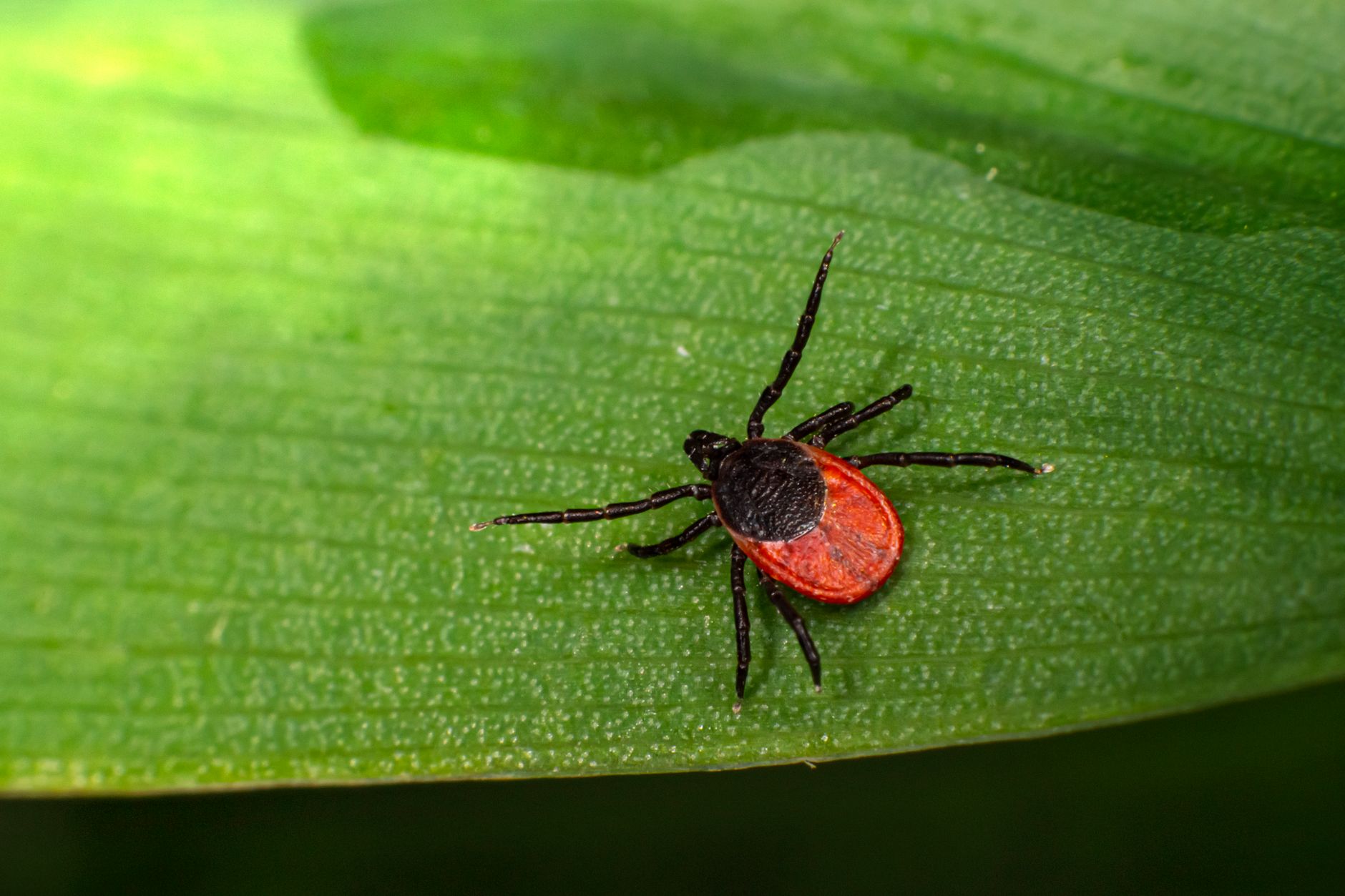
In the United States, the Deer Tick continues to spread Lyme disease to suburban Golden Retrievers and Frenchies right in their own backyards. Meanwhile, Australian owners face the terrifying reality of the Paralysis Tick (Ixodes holocyclus). This highly venomous species routinely threatens local favorites like Kelpies, Staffies, and Blue Heelers, making rigorous prevention a matter of life and death.
To combat these evolving threats, the veterinary community is shifting toward highly targeted, modern prevention methods. Relying solely on outdated over-the-counter collars or generic spot-on treatments leaves massive vulnerabilities in a dog's defense system.
🚨 Vet Fact: Fleas and ticks are increasingly showing signs of resistance to older chemical compounds like fipronil, which dominated the market in the early 2000s. This is why rotating prevention methods or upgrading to newer formulas is highly recommended.
What is the Best Tick Prevention for Dogs 2026?
When evaluating the market for the best tick prevention for dogs 2026, the clear frontrunners are oral Isoxazolines. These prescription chewables provide rapid, systemic protection that lasts for 30 to 90 days, depending on the specific brand.
Because the medication resides in the dog's bloodstream, a tick must bite the dog to ingest the compound, which then attacks the parasite's nervous system. This method is incredibly reliable, ensuring that even if a dog swims every day or gets caught in a torrential downpour, their protection does not wash off.
However, systemic chewables do not repel bugs. Ticks will still hitch a ride on the dog's coat and enter the home. This is exactly where the strategic application of natural remedies comes into play.
The "Layered Defense" Strategy
In our years of observing working dogs navigating heavy brush, we have noticed one major mistake owners consistently make: relying on a single point of failure. The most advanced parasite strategy involves layering chemical and natural barriers.
- The Core Foundation: A vet-approved oral chewable to act as the ultimate safety net against disease transmission.
- The Active Repellent: A natural, dog-safe botanical spray applied to the legs, belly, and tail before heading into high-risk areas like tall grass or wooded trails.
- The Environmental Sweep: Managing the home and yard to eradicate breeding grounds before pests ever reach the dog.
This three-pronged approach dramatically reduces the total number of bites a dog sustains while minimizing the chemical load they carry.
🐾 Snoutbit Pro-Tip: When applying a natural repellent spray before a walk, pay special attention to the dog's "undercarriage"—the armpits, groin, and between the toes. These warm, hidden areas are prime real estate for ticks looking to latch on unnoticed.
Do Natural Flea Remedies Actually Work?
The internet is flooded with DIY pest control recipes, but separating the facts from the fiction is crucial for canine safety. Natural flea remedies are highly effective when used correctly, but they are often entirely misunderstood by well-meaning owners.
Natural options are repellents, not eradicators. They will mask a dog's scent and make them less appealing to a passing tick, but they will not stop a severe, active flea infestation already occurring inside a home.
Top-Performing Natural Repellents
- Cedarwood Oil: This is the gold standard for natural tick deterrence. High-quality, properly diluted cedarwood oil blocks the pheromone receptors of insects, disorienting them and forcing them to flee.
- Apple Cider Vinegar (ACV): While feeding ACV to dogs for flea control is largely a myth, creating a 50/50 water and ACV spray slightly alters the pH of the dog's coat. This creates a slightly acidic environment that pests prefer to avoid.
- Rosemary Washes: Steaming fresh rosemary leaves in boiling water, letting it cool, and using it as a final rinse after a bath provides a mild, chemical-free deterrent that leaves the coat smelling fantastic.

The Diatomaceous Earth Mistake
One of the most common errors we see involves Food Grade Diatomaceous Earth (DE). DE is a brilliant natural remedy that destroys the exoskeletons of insects. However, owners frequently dust this powder directly onto their dog's fur.
This is a massive mistake. DE is highly abrasive and aggressively dries out a dog's skin, leading to severe itching that mimics a flea bite. Furthermore, inhaling the fine dust can cause respiratory distress. DE should strictly be used as an environmental treatment—swept into floorboards, carpets, and pet bedding, then thoroughly vacuumed up.
🚨 Vet Fact: Never use essential oils like tea tree, pennyroyal, or clove on dogs. Even highly diluted, these specific oils are highly toxic to canine livers and can cause severe neurological issues. Always stick to pet-formulated botanical sprays.
Conquering the Yard: The Hidden Battlefield
Over 90% of a flea population does not live on the dog; they live in the environment as eggs, larvae, and pupae. Treating the dog without treating the yard guarantees endless re-infestation.
For owners seeking natural flea remedies, yard management is the most powerful tool available. The goal is to make the outdoor space completely inhospitable to parasite lifecycles.
Biological Warfare with Nematodes
For advanced natural prevention, introduce Beneficial Nematodes to the garden. These microscopic, soil-dwelling worms are completely harmless to pets, humans, and plants. However, they aggressively hunt and consume flea larvae and tick nymphs lurking in the dirt. Spraying a batch of nematodes across the lawn in the early spring acts as a silent, chemical-free security system.
Environmental Adjustments
- Mow Frequently: Ticks despise direct sunlight and dry environments. Keeping grass short removes the shady, humid microclimates they need to survive the summer heat.
- The Mulch Moat: Ticks migrate into yards from adjacent wooded areas. Create a three-foot-wide barrier of dry cedar wood chips between the lawn and the tree line to physically block their path.
- Remove Debris: Clear out leaf piles, decaying brush, and stacked firewood where mice and rodents—the primary carriers of ticks—like to build their nests.
🐾 Snoutbit Pro-Tip: In Australia, native wildlife like bandicoots and possums frequently drop paralysis ticks into suburban backyards. Ensure fencing is secure to keep these native carriers out of the dog's primary play area.
The Non-Negotiable Snout-to-Tail Check
No pill, collar, or natural spray is flawless. The ultimate defense mechanism is the owner's hands. Developing a strict routine of physically inspecting the dog after every major outdoor outing is non-negotiable.
Start at the nose and work methodically backward. Run fingers against the grain of the fur, feeling for any small, hard bumps. Pay meticulous attention to the inside of the ears, under the collar line, the armpits, and deep between the paw pads. In thick-coated breeds, use a high-velocity dog dryer on a cool setting to part the hair and inspect the skin visually.
If a tick is located, do not panic. Use fine-tipped tweezers or a specialized tick-removal hook. Grasp the tick as close to the dog's skin as possible and pull straight upward with steady, even pressure. Never twist, burn, or smother the tick in oil, as this causes the parasite to regurgitate its stomach contents—and potentially dangerous bacteria—directly into the dog's bloodstream.
What To Do Next
Stop waiting for the scratching to begin before taking action. Protecting a dog requires a proactive, consistent routine. Here are two steps to take right now:
- Audit the Prevention Plan: Check the expiration dates on all current parasite preventatives. Schedule a quick call with the local clinic to ensure the chosen product covers the specific regional threats (like Lyme in the US or Paralysis Ticks in AU).
- Prep a "Tick Kit": Build a small kit to keep near the front door or in the hiking backpack. Include fine-tipped tweezers, a small jar of rubbing alcohol (to drop removed ticks into), pet-safe antiseptic wipes, and a bottle of natural cedarwood repellent spray.
Disclaimer: The content on Snoutbit.com is for informational and educational purposes only and is not intended to replace professional veterinary advice, diagnosis, or treatment. Always consult with your veterinarian before making significant changes to your dog’s diet, exercise routine, or health regimen.


