The Secret To A 15-Year Lab: What Is The Best Food For Labradors To Live Longer?
Owning a Labrador Retriever frequently means living with a bottomless vacuum cleaner that will enthusiastically eat absolutely anything, leading straight to severe obesity and crippling joint pain. Seeing a once-vibrant, water-loving Lab struggle to climb the porch stairs or facing a devastating early cancer diagnosis shatters families and forces difficult veterinary decisions. The absolute best food for a Labrador to maximize lifespan is a strictly portion-controlled, low-glycemic diet heavily enriched with marine Omega-3s and cancer-fighting phytonutrients.
Slashing daily calories by twenty-five percent and replacing highly processed, cheap carbohydrates with fresh, whole foods actively protects their heavy joints and wards off dangerous genetic diseases. Keeping them razor-thin changes their biological aging trajectory, frequently extending their vibrant, active lifespan by up to two full years.
Why Do Labradors Suffer From Constant Hunger?
The endless begging beside the dinner table is not just stubborn canine behavior; it is very often a hardwired, undeniable genetic reality. Advanced veterinary science reveals that up to twenty-five percent of all Labradors possess a specific, inherited mutation in the POMC gene. This specific genetic anomaly entirely prevents their brain from recognizing when their stomach is actually full, leaving them feeling perpetually starving regardless of how much they just ate.

Because their brain never properly signals satiety, feeding a Labrador freely from a bottomless bowl is a guaranteed recipe for morbid, life-shortening obesity. Canine fat is not just harmless, inactive padding designed to keep them warm during cold winter swims. Fat is actually a highly active endocrine organ that constantly pumps damaging inflammatory hormones directly into the bloodstream.
This chronic, low-grade inflammation aggressively attacks healthy joint cartilage twenty-four hours a day, causing early-onset osteoarthritis. Eliminating this toxic adipose tissue through strict dietary management is the ultimate, free preventative medicine available to every single pet household.
🚨 Vet Fact: A landmark, twenty-year veterinary study focusing exclusively on Labrador Retrievers proved that maintaining an exceptionally lean body condition extends their lifespan by an average of 1.8 years. The restricted-calorie dogs also delayed the onset of chronic joint diseases significantly compared to their heavier counterparts.
How To Implement Safe Caloric Restriction?
Rather than obsessing over the exact number on a veterinary scale, focus entirely on maintaining a razor-thin Body Condition Score (BCS). A perfectly healthy Labrador should possess a clearly defined waistline when viewed from above and a sharp abdominal tuck from the side. Their ribs should be easily felt with very light pressure, feeling exactly like the bones on the back of a human hand.
Canine behaviorists frequently encounter households completely overwhelmed by a Lab's relentless counter-surfing and intense begging. Consider a realistic case involving a beautiful chocolate Lab carrying twenty pounds of excess fat, barely able to walk down the family driveway. Once the family implemented a strict, calorie-controlled diet utilizing high-fiber vegetables to substitute empty calories, the dog shed the weight and successfully reclaimed five years of active mobility.
What Are Safe Dietary Fillers For Hungry Labs?
To combat the POMC gene mutation without adding fat-inducing calories, the daily bowl requires massive amounts of safe, low-calorie volume. Substituting up to ten percent of a Labrador's daily kibble allowance with frozen, plain green beans is a phenomenal nutritional trick. This provides the physical stomach distension the dog desperately craves without spiking their blood sugar or expanding their waistline.

🐾 Snoutbit Pro-Tip: Never use canned green beans that contain added sodium, as excess dietary salt is highly dangerous for aging canine kidneys. Always purchase frozen, plain cut green beans and thaw them briefly under warm water before adding them directly to the dinner bowl.
What Joint-Supporting Foods Do Labradors Need?
Preventing severe joint degradation is critical for a robust, heavy-boned sporting breed that thrives on intense physical activity, fetching, and swimming. Standard commercial foods boast heavily about added glucosamine, but the microscopic amounts baked into dry kibble are biologically useless after high-heat extrusion processing. Elite canine nutrition requires highly targeted, structural support to keep heavy cartilage pads perfectly lubricated and entirely shock-absorbent.
Advanced nutritional science points directly toward New Zealand Green-Lipped Mussel (GLM) extract for unparalleled joint preservation. GLM contains a rare, highly potent marine fatty acid called ETA, which aggressively targets and shuts down deep tissue inflammation. Adding pure GLM powder directly to the daily bowl works exponentially better than standard, highly processed fish oil at preventing early-onset osteoarthritis.
To actively rebuild broken-down collagen within the joints, another powerful compound called Methylsulfonylmethane (MSM) is highly recommended. MSM acts as a natural pain blocker, but it requires the direct biological presence of Vitamin C to function effectively. Pairing MSM with Vitamin C-rich foods ensures the aging Labrador receives maximum structural rebuilding benefits rather than just temporary pain masking.
Why Is The Omega-3 Ratio Critical For Labs?
Commercial dog foods are traditionally overloaded with Omega-6 fatty acids sourced from cheap vegetable oils and factory-farmed animal fats. While dogs need some Omega-6 for basic cellular function, an unbalanced surplus actively promotes chronic, body-wide inflammation. For a Labrador already genetically prone to severe joint dysplasia, this dietary imbalance is incredibly dangerous and highly degenerative.
Balancing this vital ratio requires intentionally flooding the bowl with high-quality, marine-based Omega-3s. These specific fatty acids act as microscopic biological firefighters, actively cooling down the inflammatory response before it destroys healthy joint tissue.
🚨 Vet Fact: Canine cognitive dysfunction (dementia) affects over sixty percent of senior dogs as they age. Flooding the aging brain with medium-chain triglycerides (MCTs), found abundantly in unrefined coconut oil, provides an alternative fuel source that dramatically slows cognitive decline in senior Labs.
Can Specific Foods Fight Labrador Cancer?
Labradors face terrifyingly high cancer rates, making anti-angiogenic foods an absolute necessity for anyone seeking to maximize their dog's lifespan. These specific functional foods contain powerful compounds that literally starve microscopic cancer cells by preventing them from growing new blood vessels. Relying exclusively on ultra-processed, brown kibble pellets provides zero cellular defense against these aggressive, deadly mutations.
Cruciferous vegetables are the ultimate, elite weapon in the dietary fight against canine cancer. Lightly steamed broccoli sprouts contain massive amounts of sulforaphane, a biological compound clinically proven to fight cellular degradation and target precancerous cells. Adding a small handful of these sprouts to the dinner bowl creates a powerful, daily shield against systemic oxidative stress.
Does Climate Affect A Labrador's Dietary Needs?
Local environmental extremes place massive, hidden stress on a dense-coated Labrador's cardiovascular and respiratory systems. During the brutal, sweltering heat of an Australian outback summer or a highly humid US August, digesting heavy kibble elevates their core temperature dangerously high. To combat extreme thermal stress, smart pet parents switch to smaller, moisture-rich meals heavily diluted with cooling, unsalted bone broth.

While rugged Aussie breeds like Kelpies and Blue Heelers handle extreme heat relatively efficiently, a heavy-coated Labrador requires strategic, hydrating meals to survive peak summer months safely. Even flat-faced companions like Frenchies struggle with summer digestion, but a Lab's massive caloric intake makes summer feeding particularly challenging. Offering frozen puzzle feeders stuffed with hydrating, pureed vegetables exhausts their active brains indoors while perfectly managing their core temperature.
Furthermore, notorious regional tick seasons across coastal areas expose dogs to severe, vector-borne diseases. Providing a diet rich in natural prebiotics, like chicory root, keeps the gut flora totally stabilized while the immune system processes necessary seasonal tick preventatives. A highly stabilized gut microbiome successfully blocks toxins from entering the bloodstream, actively reducing the cellular wear-and-tear that causes visible aging.
Should Labradors Eat Grain-Free Food?
The massive marketing push behind grain-free diets convinced thousands of well-intentioned owners that all carbohydrates were inherently toxic. However, veterinary cardiologists have exposed a terrifying link between boutique grain-free diets—heavy in peas and legumes—and fatal canine dilated cardiomyopathy (DCM). Labradors are already genetically susceptible to this silent heart condition, making boutique grain-free diets a massive, unnecessary risk.
Unless a dog possesses a highly specific, vet-diagnosed gluten allergy, entirely eliminating wholesome grains is a deeply dangerous biological gamble. Ancient grains like steel-cut oats, sorghum, and brown rice provide fantastic, highly digestible soluble fiber that stabilizes blood sugar naturally. These complex carbohydrates actively nourish beneficial gut bacteria without causing the massive insulin spikes associated with cheap, processed potatoes.
🐾 Snoutbit Pro-Tip: Labradors possess a deep, barrel-shaped chest cavity that places them at exceptionally high risk for Gastric Dilatation-Volvulus (bloat). Utilizing a heavy-duty slow-feeder bowl completely eliminates their dangerous "vacuuming" behavior, forcing them to eat slowly and preventing fatal stomach torsion.
How Can Training Affect A Labrador's Diet?
Labradors are highly trainable, eager-to-please workers, which frequently means they receive an astronomical amount of treats throughout the day. Owners often forget to deduct these training rewards from the dog's total daily caloric allowance, leading straight to rapid weight gain. Every single piece of cheese, hotdog, or training biscuit must be mathematically accounted for to protect their joints.
Professional trainers frequently see Labradors suffering from severe gastrointestinal upset simply because their daily training treats are entirely too rich. A recent evaluation involved a young Lab failing agility class due to explosive diarrhea caused by heavy, freeze-dried liver treats. Swapping the rich liver for the dog's own daily kibble allowance instantly resolved the digestive distress while maintaining perfect, laser-focused training engagement.
What To Do Next
Transforming a Labrador's health trajectory requires immediate, proactive changes to their daily nutritional intake. By strictly managing their weight and introducing cancer-fighting whole foods, households can effortlessly add vibrant, comfortable years to their dog's life. Eliminating systemic inflammation is the ultimate key to a longer, happier journey together.
Here are two simple, immediate steps to take today to upgrade the food bowl:
- Conduct The Rib Test: Perform a physical body condition touch test tonight before serving dinner. If the ribs are difficult to feel under a layer of soft padding, reduce the total daily kibble volume by ten percent immediately.
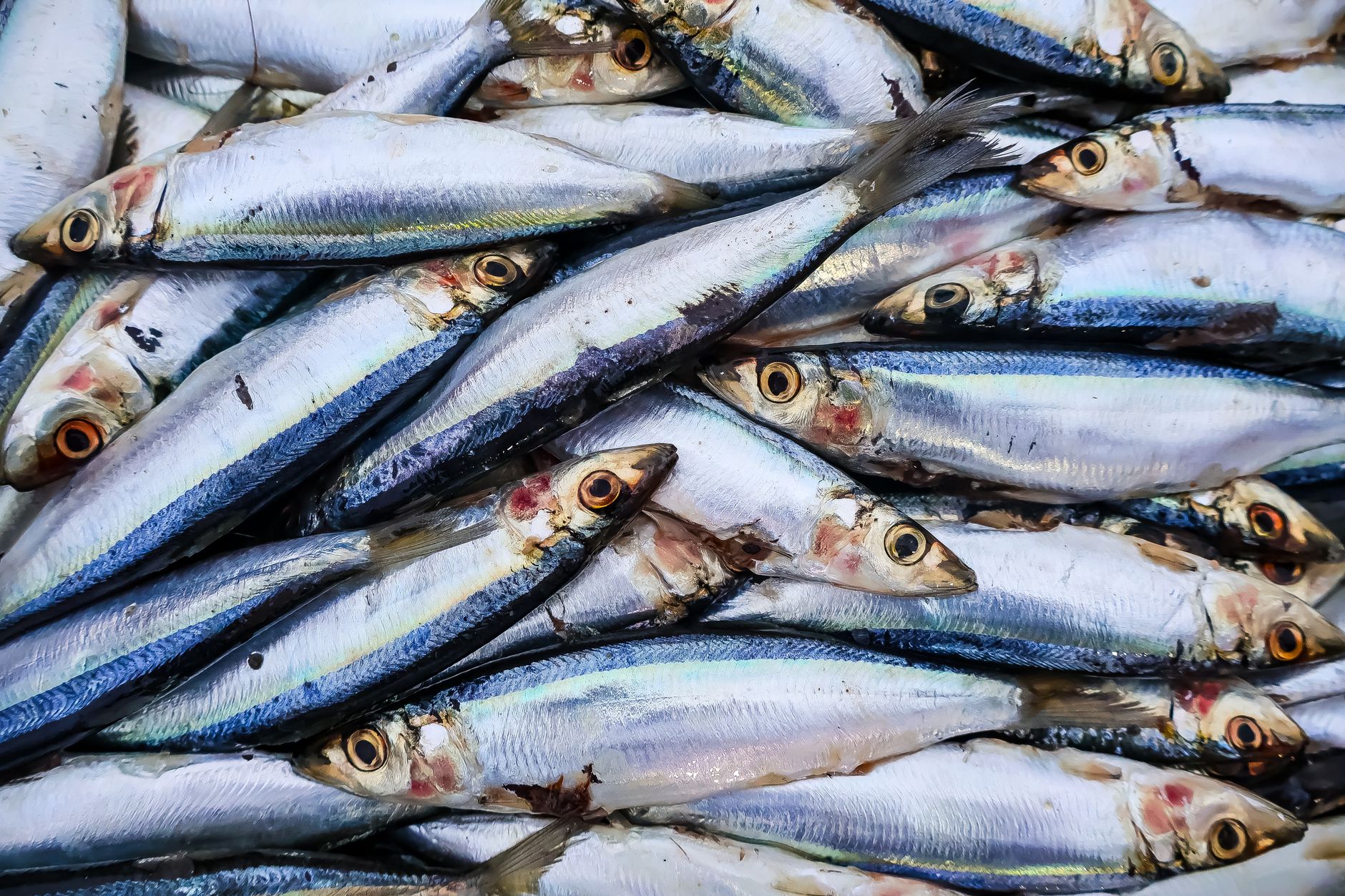
- Add Functional Freshness: Purchase a bag of frozen green beans and a tin of water-packed sardines this afternoon. Swap ten percent of the evening kibble for the green beans and add a single sardine to provide an instant boost of joint-protecting fatty acids and safe, filling volume.
Disclaimer: The content on Snoutbit.com is for informational and educational purposes only and is not intended to replace professional veterinary advice, diagnosis, or treatment. Always consult with your veterinarian before making significant changes to your dog’s diet, exercise routine, or health regimen.