The Dangerous Mistake Trail Runners Make: Why Upgrading Your Gear Is Mandatory
Gripping a standard nylon loop while trying to maintain a steady jogging pace is an absolute biomechanical nightmare. The constant asymmetrical arm swinging creates severe shoulder tension, while a sudden canine lunge toward a distraction practically guarantees a brutal face-plant on the pavement. The definitive solution to protecting the human body and securing the dog is upgrading to a waist-worn hands-free dog leash for running and hiking. By anchoring the dog directly to the runner's core center of gravity and utilizing a shock-absorbing bungee system, this specialized gear entirely eliminates shoulder strain and accidental drops. Investing in a hands-free system drastically improves running posture while keeping energetic dogs safely tethered to their handlers.
Why Do Standard Leashes Cause Severe Trail Injuries?
Running requires a highly specific, balanced arm swing to maintain forward momentum and conserve valuable aerobic energy. Forcing one arm to rigidly hold a leash completely paralyzes that side of the body, creating a dangerous rotational torque through the human spine. Over miles of neighborhood pavement or uneven dirt trails, this minor postural imbalance leads directly to severe lower back pain and chronic rotator cuff inflammation.
A classic behavioral consultation involved a powerful Golden Retriever whose sudden sprint after a squirrel dislocated the owner's shoulder on a steep hiking incline. Because the owner was utilizing a standard handheld leash, the massive pulling force was entirely concentrated on the weakest joint in the human arm. Upgrading that specific owner to a core-anchored running belt completely redistributed the dog's pulling power to the human hips, instantly preventing future upper-body injuries.
When a muscular dog lunges horizontally, the extended human arm acts as a massive lever that instantly yanks the runner off balance. A hands-free dog leash for running and hiking relocates that exact anchor point directly to the runner's pelvis, utilizing the body's heaviest, most stable core mass. This specific physiological shift means a sudden pull from the dog simply rotates the runner's hips slightly rather than violently dragging them down to the ground.
🚨 Vet Fact: A dog's delicate neck is incredibly vulnerable to sharp, sudden jerks caused by an erratic runner's arm swing. Attaching a hands-free bungee leash to a heavily padded, Y-shaped body harness completely protects the canine trachea from devastating crushing injuries during sudden stops.
What Makes The Best Hands-Free Dog Leash For Running And Hiking?
Not all waist-worn belts are manufactured with the same safety standards or intended athletic purpose. Grabbing a cheap, static nylon waist belt creates a terrifying whiplash effect for both the human spine and the dog's ribcage during sudden stops. The absolute safest gear requires a progressive tension bungee system that actively stretches and absorbs the kinetic shock before it ever reaches the runner.

An advanced, frequently overlooked aspect of athletic dog gear is perfectly matching the bungee's resistance level to the specific breed's weight. A heavy-duty, ultra-stiff bungee designed for a massive Mastiff will not stretch at all when pulled by a tiny Frenchie, rendering the shock absorption totally useless. Conversely, putting a lightweight bungee on a powerful Staffy results in the leash bottoming out instantly, creating a highly dangerous tripping hazard.
Manufacturers list precise weight ratings on bungee cores for a critical biological reason, and ignoring them completely negates the safety benefits of the leash.
Why Is The Sliding D-Ring Crucial For Trail Safety?
Many generic running belts feature a single, sewn-in attachment clip located directly over the human belly button. This fixed point forces the leash to tangle awkwardly between the runner's legs the exact second the dog decides to switch sides on the trail. The ultimate gear upgrade involves selecting a waist belt featuring a free-floating, sliding D-ring mechanism.
- A sliding ring glides smoothly along the waist belt webbing, tracking the dog's exact movements.
- The dog can seamlessly cross from the left hip to the right hip strictly behind the runner's back.
- This specific mechanical feature completely prevents the leash from wrapping dangerously around human ankles during fast-paced descents.
🐾 Snoutbit Pro-Tip: Never attach a hands-free bungee leash directly to a dog's standard flat collar. The repetitive stretching and snapping of the elastic core delivers massive micro-concussions directly to the cervical spine, requiring a heavy-duty chest harness for safe athletic distribution.
How To Train A Dog For Hands-Free Running?
Clipping a high-energy dog to a waist belt and immediately sprinting down the street is a guaranteed recipe for a tangled, deeply frustrating disaster. Dogs do not naturally understand how to pace themselves perfectly alongside a jogging human without cutting dangerously across their knees. The canine brain must be meticulously conditioned to yield to waist pressure before ever attempting a fast-paced cardiovascular workout.
Professional behaviorists utilize a highly specific pre-run protocol to teach spatial awareness to enthusiastic athletes like Blue Heelers or Australian Kelpies. Begin by attaching the waist leash inside a quiet, distraction-free hallway and simply walking forward at a painfully slow, deliberate pace. The split second the dog moves to cross in front of the human's knees, stop completely and become an immovable brick wall.
Consider a recent behavioral case involving a rescued Kelpie that repeatedly clotheslined runners by darting sideways on dense bush trails. By abandoning running completely for two weeks to enforce strict spatial boundaries at a walking pace, the dog successfully learned to flawlessly yield to the runner's hip pressure. When running finally resumed on the trails, the Kelpie stayed locked in a focused trot without ever causing a single trip or tangled line.
What Is The Pre-Run Leash Yield Technique?
This technique establishes absolute physical boundaries, teaching the dog that crossing the runner's path instantly halts all forward progress.
- Wait for the dog to actively step back into the designated "heel" position beside the hip.
- Once the leash goes entirely slack, mark the behavior with a verbal "Yes!" and resume walking.
- Repeat this exact sequence hundreds of times at a slow walking pace before ever introducing a light jogging stride.
🚨 Vet Fact: Puppies possess highly fragile growth plates that do not fully fuse and harden until they reach twelve to eighteen months of age. Forcing a young puppy into repetitive, high-impact running on hard pavement actively destroys these soft plates, causing permanent, crippling orthopedic deformities.
How Does Climate Dictate Trail Running Safety?
Local environmental extremes act as massive, hidden multipliers for athletic injury and canine physical distress. During the brutal, sweltering heat of an Australian outback summer or a highly humid US August, a dog's cardiovascular system is pushed to the absolute limit. Dogs cannot sweat through their skin to cool down, making intense aerobic running during peak daytime heat incredibly dangerous.
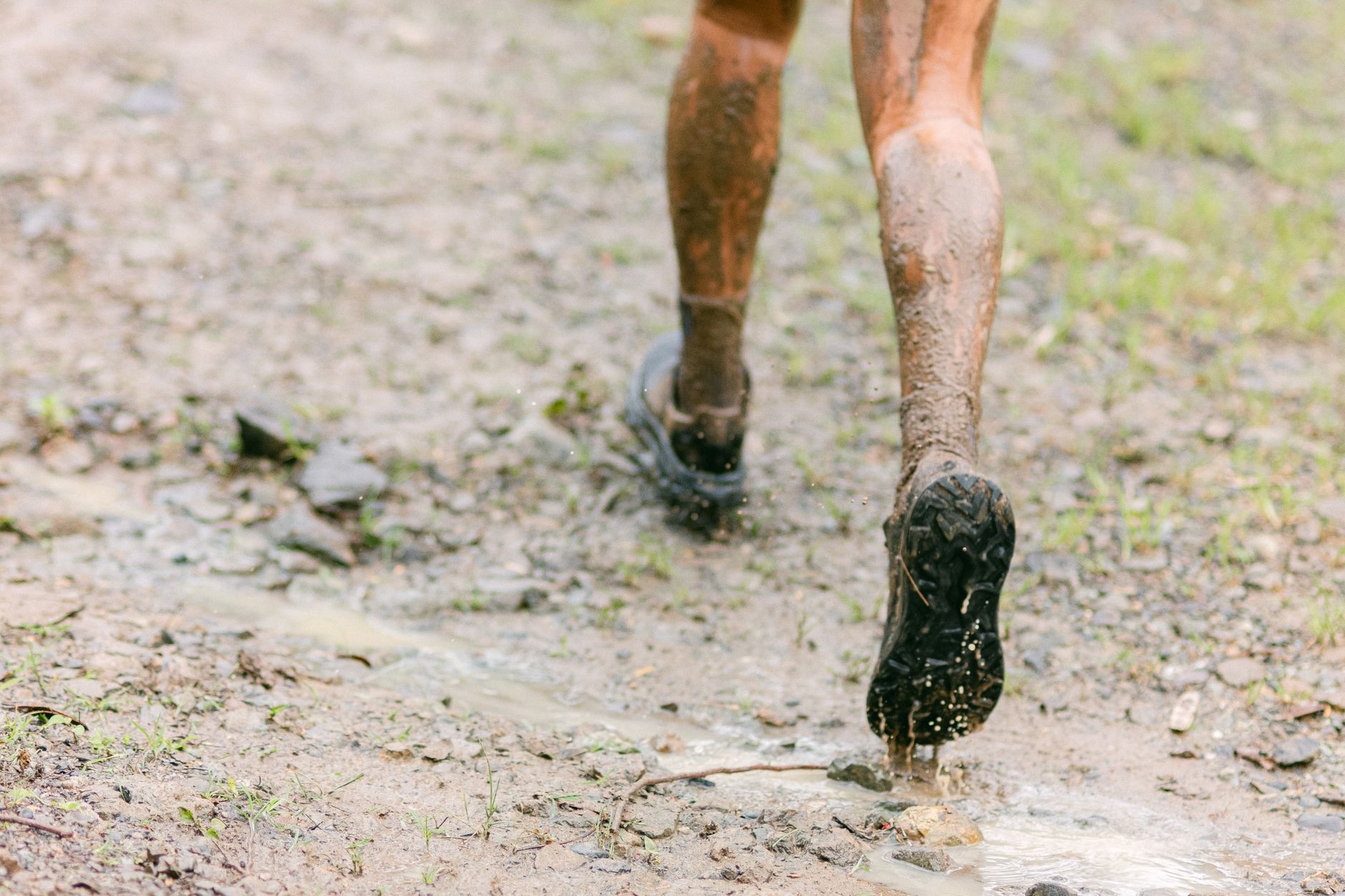
Running must be strictly reserved for the coolest hours of early dawn, utilizing highly reflective waist belts and LED leash attachments for maximum visual safety. Flat-faced breeds simply do not possess the respiratory capacity to safely manage sustained cardiovascular runs in warm weather. Adjusting the pace and stopping for frequent hydration breaks keeps the canine entirely comfortable and biologically safe from heatstroke.
Navigating Tick Season On The Trails
Trail running through dense coastal brush exposes athletic dogs to severe, regional tick seasons and dangerous vector-borne diseases. A hands-free dog leash for running and hiking is phenomenal for maintaining balance on rocky terrain, but it forces the dog to run extremely close to tall, infested grasses. Maintaining strict, veterinary-approved oral tick preventatives is an absolute non-negotiable requirement for dogs navigating uncleared nature paths.
🐾 Snoutbit Pro-Tip: Asphalt absorbs and aggressively radiates solar heat, frequently reaching temperatures exceeding 140 degrees Fahrenheit on a sunny summer afternoon. If the back of a human hand cannot rest comfortably on the pavement for seven full seconds, it will instantly burn a dog's sensitive paw pads.
Can Hands-Free Leashes Fix Severe Leash Reactivity?
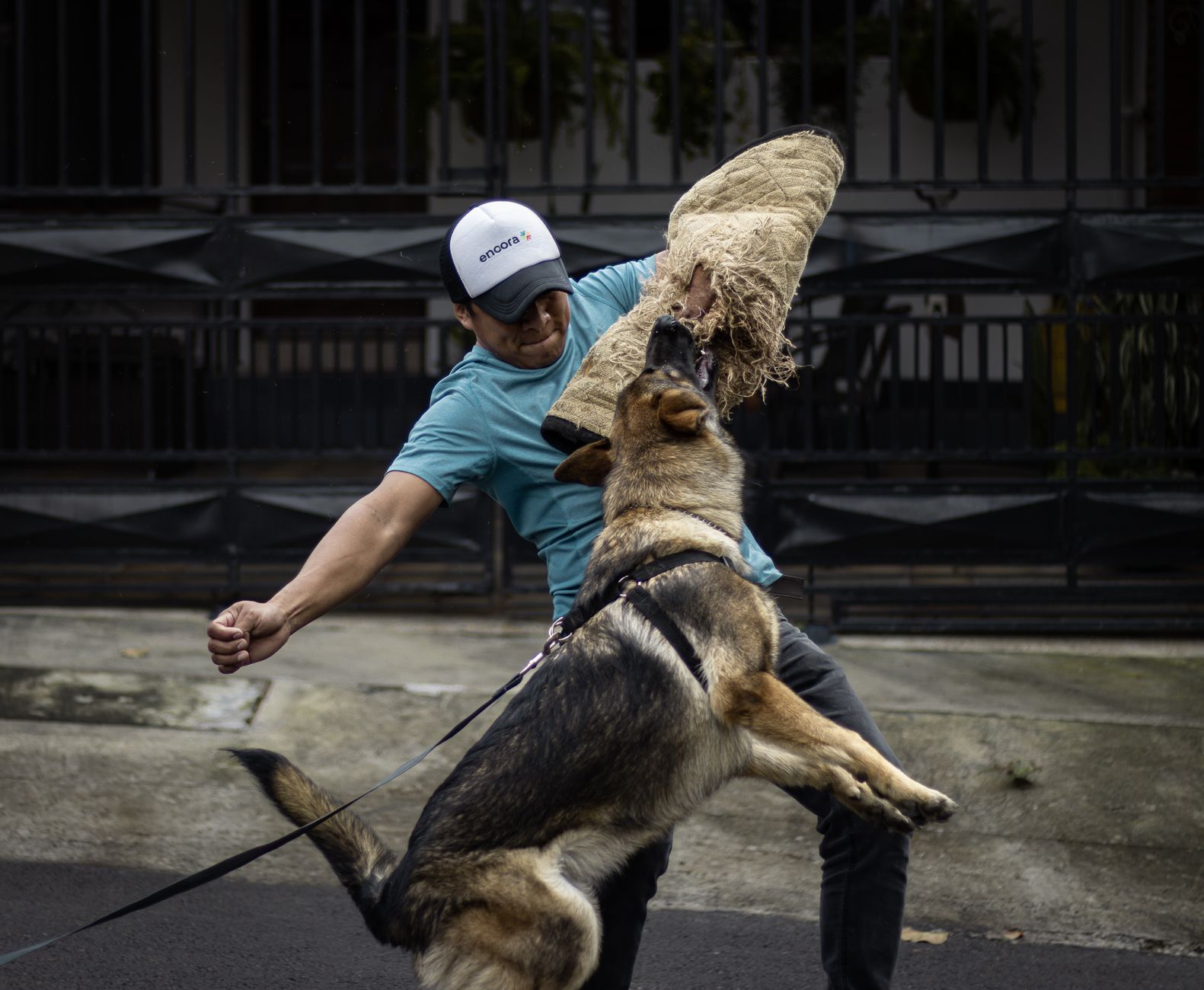
Many frustrated pet parents mistakenly believe that strapping a reactive dog to their waist will magically cure intense lunging behaviors. While a waist belt provides significantly better physical leverage against a lunging dog, it does absolutely nothing to address the underlying psychological fear causing the reaction. Tethering a highly aggressive, reactive dog directly to the human core can quickly result in the owner being violently dragged into a dangerous dog fight.

A dog must possess a solid foundation of basic obedience, trigger desensitization, and impulse control before participating in fast-paced human sports. Building that foundational emotional stability ensures the outdoor experience remains relaxing and physically beneficial for both species. Hands-free gear is strictly a tool for athletic conditioning, never a replacement for dedicated, positive reinforcement reactivity training.
What To Do Next
Achieving the perfect, synchronized morning run requires abandoning outdated equipment that actively harms human posture and jeopardizes canine safety. Upgrading to a specialized, shock-absorbing waist system completely revolutionizes cardiovascular training, turning chaotic, arm-jerking walks into a seamless athletic partnership.
Here are two simple, immediate steps to take today to upgrade the daily run:
- Audit The Running Harness: Inspect the dog's current body harness and ensure it features a Y-shaped chest plate that does not restrict natural shoulder movement. If the harness runs horizontally across the dog's front chest, throw it away and purchase an ergonomically safe athletic harness today.
- Practice Indoor Yielding: Order a high-quality bungee waist leash featuring a sliding D-ring this afternoon and practice walking around the living room coffee table tonight. Reward the dog heavily with high-value treats every single time they choose to walk beside the hip without crossing in front of the knees.
Disclaimer: The content on Snoutbit.com is for informational and educational purposes only and is not intended to replace professional veterinary advice, diagnosis, or treatment. Always consult with your veterinarian before making significant changes to your dog’s diet, exercise routine, or health regimen.