Shelter Dog Reunion: How a Real Name Brought Kano Home
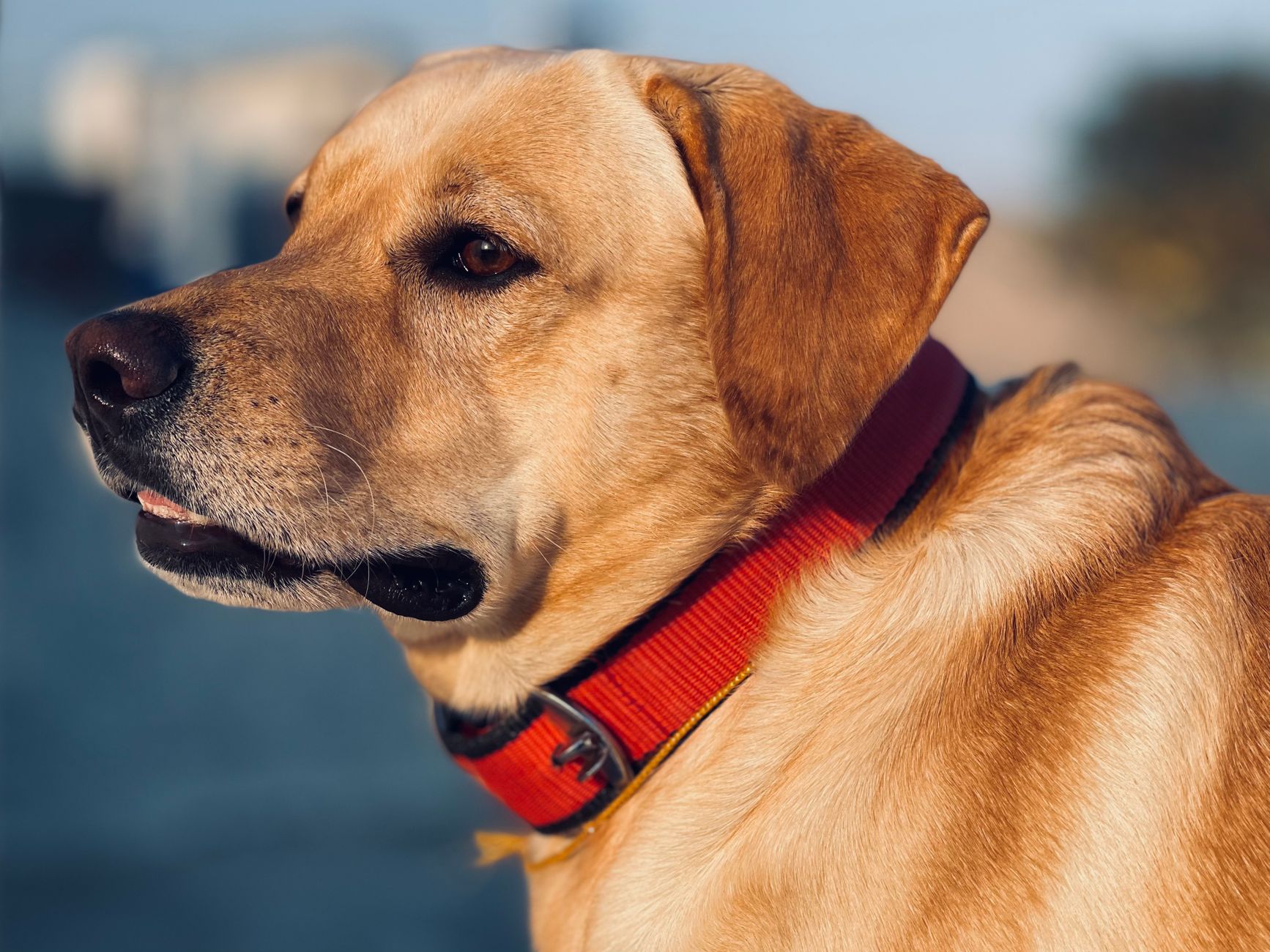
When a dog ends up in a shelter, staff often give them a new name—a fresh start, a clean slate. But for one dog in Georgia, the name he was given wasn't the one that made his heart leap. For five long months, a dog known as Skillet waited in a shelter, his true identity hidden. Then one day, a woman called him by his real name—Kano—and everything changed. This is the heartwarming story of a shelter dog reunion that proves dogs never forget the people who love them.
Kano's Journey: From Shelter to Reunion
Kano's story began in the Blue Ridge Mountains, where his original owner raised him from a puppy. But life took an unexpected turn when the owner enlisted in the Army. Difficult family circumstances forced the owner's mother—Kano's 'grandmother'—to make the heartbreaking decision to rehome him. Not long after, Kano went missing, and his family was devastated.
Somehow, Kano ended up at DeKalb County Animal Services in Georgia, where he stayed for five months. The shelter was overcrowded, and due to space limitations, Kano was transferred to LifeLine Animal Project's adoption center in Atlanta. There, he was given the name Skillet, and staff and volunteers grew fond of him. But no one knew the name he truly answered to—until his grandmother spotted his photo on the shelter's website. Something about his eyes, his expression, called out to her. She had an intuitive sense that she needed to look for him, and when she saw that face, she knew.
She contacted the shelter and arranged to meet him. The moment she called him by his real name, Kano whipped his head around in recognition. Volunteers were moved to tears as they watched him instantly reconnect with his family. LifeLine Animal Project later announced the reunion on Facebook: 'Kano, formerly known as Skillet to his shelter family, has found his way home! He found the best outcome; being reunited with his family!' It was a joyful ending that no one saw coming.
The Moment of Recognition: Hearing His Real Name
There are few things more powerful than the sound of your own name—especially when you're a dog who has lost everything. For five months, Kano had been called Skillet. He had grown used to it, perhaps, but it wasn't him. Then, in a moment that will melt even the coldest heart, his grandmother called out 'Kano!' and his head whipped around. In that instant, the shelter dog known as Skillet disappeared, and Kano—the beloved family pet—resurfaced.
Volunteers who witnessed the reunion were overcome with emotion. They had cared for Skillet, walked him, fed him, and grown attached. But seeing him transform at the sound of his true name was something else entirely. It was a testament to the enduring memory of dogs and the depth of their bonds with their people. Kano didn't just recognize his name; he recognized his person. His grandmother later shared, 'I knew in my soul he needed me; it’s like he was calling me somehow. I tell him every day I’m sorry I was doing the best I could do at the time and I love him so much.'
That moment of recognition wasn't just about a name—it was about identity, love, and belonging. It was a reminder that our dogs know us, remember us, and wait for us, even when circumstances tear us apart. For Kano, hearing his real name was the first step back to the life he was meant to live.
The Power of Intuition and Persistence
Kano's grandmother didn't stumble upon his photo by accident. She had been searching, driven by a feeling she couldn't ignore. 'I just had an intuitive sense that I needed to look for him,' she said. That inner voice led her to the shelter's website, where she saw the dog listed as Skillet. She knew immediately it was Kano. It was a reunion that might never have happened if she hadn't trusted her gut.
Her persistence paid off in the most beautiful way. After five months in the shelter system, Kano was finally going home. The volunteers at LifeLine Animal Project were overjoyed, though sad to see him go. They had grown to love Skillet, but they knew that Kano belonged with his family. The reunion was a bright spot in the often heartbreaking world of animal rescue—a reminder that happy endings do happen.
Kano's story also highlights the importance of microchipping and updating contact information, though in this case, it was a photo and a grandmother's intuition that saved the day. It's a testament to the power of not giving up, even when the odds seem insurmountable. For anyone who has ever lost a pet, Kano's tale offers hope: sometimes, against all odds, they find their way back to us.
A Happy Ending: Kano's New Life
Today, Kano lives with his grandmother, who has a house with a fenced yard—a safe haven where he can run and play without fear. It's a far cry from the crowded shelter where he spent five months. His owner, who is still serving in the Army, hasn't been able to reunite with him in person due to deployment, but they connect through FaceTime. Even from afar, the bond remains unbroken.
Kano's grandmother is making up for lost time, showering him with love and apologizing for the circumstances that led to their separation. 'I tell him every day I’m sorry I was doing the best I could do at the time and I love him so much,' she said. It's clear that Kano is exactly where he belongs.
His story is a beautiful reminder that shelter dogs are not blank slates—they have histories, families, and names that matter. Kano's journey from the Blue Ridge Mountains to a Georgia shelter and back home again is a testament to the power of love, intuition, and never giving up. It's a story that will warm the hearts of dog lovers everywhere and inspire anyone who has ever lost hope.
How to Keep Your Own Dog Safe and Identified
Kano's reunion was a miracle, but you don't have to rely on luck to keep your dog safe. Here are practical steps every dog owner should take:
- Microchip your dog and keep your contact info updated. A microchip is only as good as the information linked to it. If you move or change phone numbers, update your registry immediately. As Kano's story shows, even without a microchip, a photo and intuition can work—but a microchip makes it far easier. Consider The Microchip Trap to avoid common pitfalls.
- Use a GPS collar or smart tag. Technology like a GPS Dog Fence can alert you if your dog leaves a safe zone, giving you a head start on finding them.
- Keep recent photos. A clear, current photo is often the key to identifying a lost dog, as it was for Kano's grandmother.
- Train a solid recall. A dog who comes when called—by name—is safer in emergencies. If you're traveling, check out How To Travel With A Dog On A Plane for tips on keeping your dog secure during trips.
- Consider an emotional support animal letter if you need housing accommodations. For those facing housing challenges, How To Get A Legitimate Emotional Support Animal Letter can help you keep your dog by your side legally.
Why Dogs Remember Their Names
Dogs are highly social animals with impressive memory skills. They associate their name with positive experiences—treats, praise, affection. When Kano heard 'Kano,' he didn't just hear a sound; he heard his identity, his family, his home. This is why naming your dog and using it consistently is so important. It's not just a label; it's a bond.
If you're adopting a shelter dog, you might be tempted to give them a new name. That's perfectly fine—many dogs adapt quickly. But if you know their original name, using it can ease their transition and help them feel secure. Kano's story is a powerful example of how a name can be a lifeline.
Creating a Comfortable Home for a Rescue Dog
Bringing a rescue dog home is a joyful experience, but it comes with responsibilities. Kano now enjoys a fenced yard, but indoor comfort matters too. A supportive bed can make a huge difference, especially for older dogs or those who've spent months on hard shelter floors. If you're wondering whether a specialized bed is worth it, read Are Orthopedic Dog Beds Worth It? to make an informed choice.
Beyond bedding, establish a routine, provide plenty of exercise, and give your new dog time to decompress. Rescue dogs often need patience and gentle encouragement. Kano's grandmother showered him with love and apologies—you can do the same by offering a stable, loving environment.
Frequently Asked Questions
Q: Do dogs really remember their names after months in a shelter? A: Yes, as Kano's story shows. Dogs have long-term memory for important associations, especially their name and the people who used it lovingly.
Q: What should I do if my dog goes missing? A: Act immediately. Post flyers, contact local shelters, use social media, and check microchip registries. Persistence and intuition, like Kano's grandmother's, can lead to a happy reunion.
Q: Should I rename a shelter dog? A: It's a personal choice. If the dog responds well to a new name, go ahead. But if you know their original name, using it can provide comfort and continuity.
Q: How can I prevent my dog from getting lost? A: Secure your yard, use a leash, microchip your dog, and consider a GPS tracker. Training a reliable recall is also essential.
Final Thoughts
Kano's shelter dog reunion is more than a heartwarming tale—it's a reminder of the unbreakable bond between dogs and their people. Whether you're adopting a rescue or have a dog at home, take steps to keep them safe and loved. And if you ever lose hope, remember Kano: sometimes, all it takes is someone calling your name.
Source: iHeartDogs