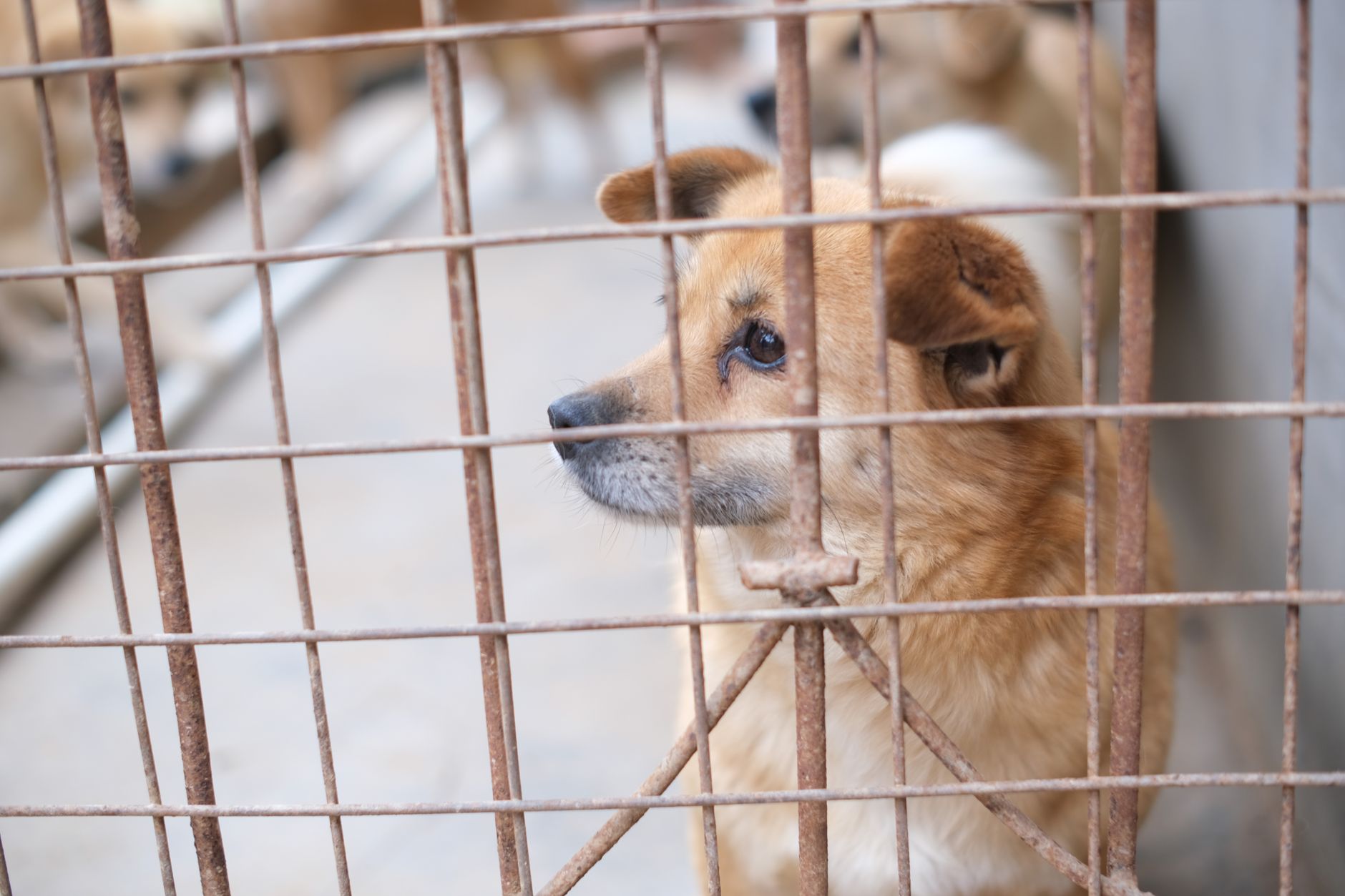
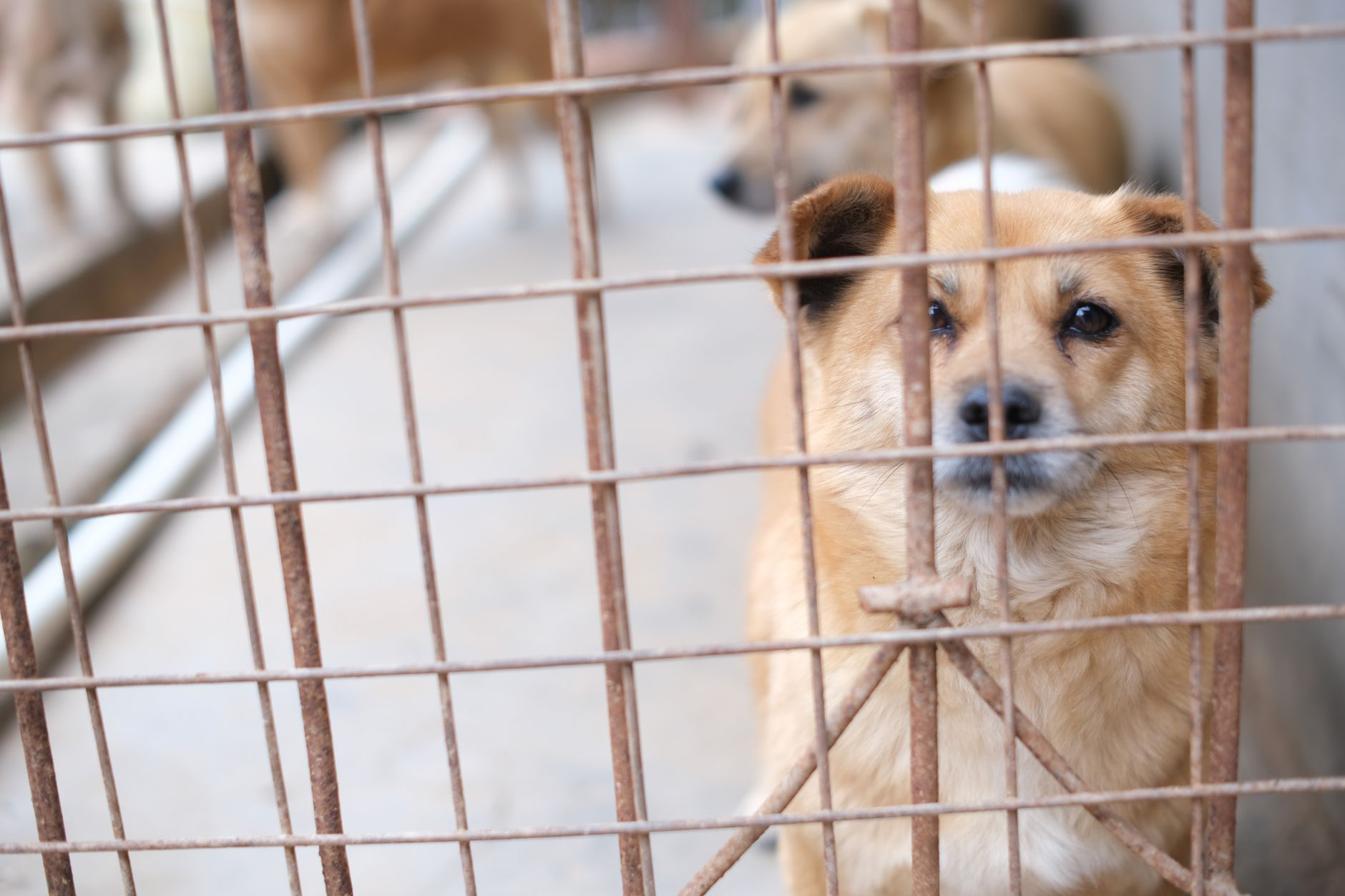
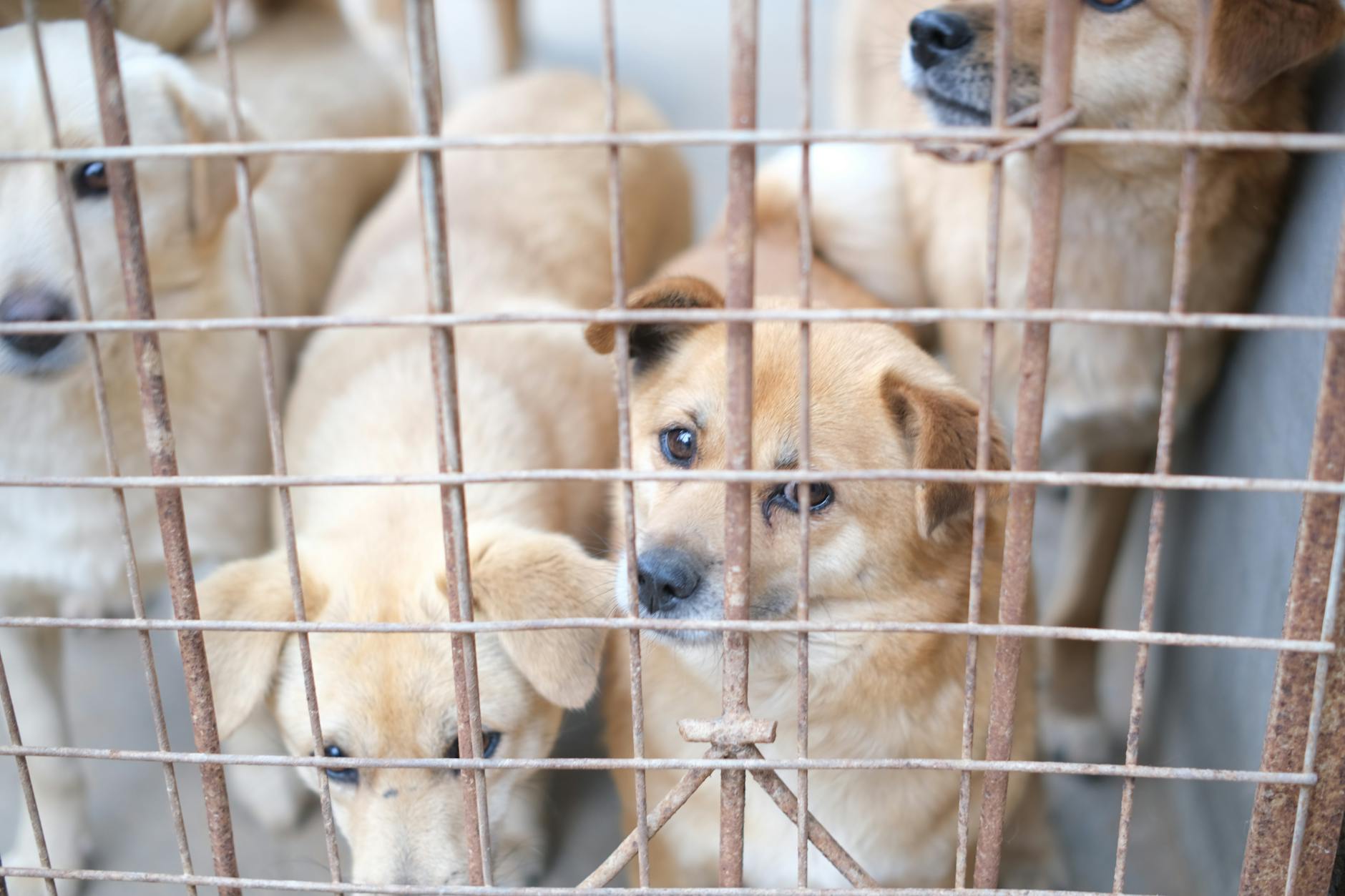
Service Dog Lost, Adopted Out: Family Refuses to Return Him
For many people, a service dog is far more than a pet—it's a lifeline. That's certainly true for LaTonya Everhart, whose dog Mr. Tipps has been by her side for over a decade and is registered as her service dog. But in March, a tragic series of events separated them, and despite her desperate efforts, Mr. Tipps remains with another family who refuses to return him. This heart-wrenching story, reported by iHeartDogs, raises important questions about lost pets, microchips, and the legal limits of service dog protections.
How Mr. Tipps Went Missing: A Funeral, an Open Door, and a Search
Mr. Tipps went missing on March 13, a day that was already steeped in sorrow for Everhart. Her family was in town for the funeral of her mother, and in the midst of the commotion, someone accidentally left the door open. Mr. Tipps slipped out and disappeared. According to iHeartDogs, the dog was not microchipped, which would later complicate efforts to identify him and reunite him with Everhart.
Determined to find her beloved companion, Everhart launched a tireless search. She visited nearby shelters, searched online, and made signs. Her breakthrough came when she saw a Facebook post about a dog that matched Mr. Tipps's description. The post led her to Friends for Animals of Metro Detroit, a shelter in Dearborn, Michigan. Everhart rushed to the shelter, hopeful that her decade-long companion had been found. But what she encountered there left her disheartened. She described the shelter employees as "kind of cold, like they really didn't care" when she arrived and was told it was too late—Mr. Tipps had already been adopted by another family.
The timing was devastating. Mr. Tipps had been taken in by the shelter, held for the legal stray-hold period, and then put up for adoption. By the time Everhart found him, he was already in a new home. The search that had given her hope had ended in heartbreak, and the family that had adopted Mr. Tipps was unwilling to give him back. (iHeartDogs)
The Shelter's Position: Legal Stray Hold and Adoption Process
Friends for Animals of Metro Detroit followed the letter of the law, according to Kim Cross, CEO of the shelter. In a statement to Click on Detroit, Cross explained: "We did everything legally. We held the dog for the legal amount of time, we looked for the owners, and then once the dog is adopted out there's really nothing we can do." The shelter held Mr. Tipps for the required stray-hold period before making him available for adoption. During that time, they presumably made efforts to locate his owner, but because Mr. Tipps was not microchipped and no one had come forward, he became eligible for adoption.
The shelter's actions highlight a common dilemma faced by animal shelters: balancing the need to find homes for stray animals with the desire to reunite lost pets with their families. Stray-hold laws are designed to give owners a reasonable window to reclaim their pets, but once that window closes, shelters are often legally obligated to proceed with adoption. In Mr. Tipps's case, the shelter adopted him out to another family, who later refused to return him after learning he had an existing family, according to Click on Detroit.
Everhart's experience at the shelter was painful. She said employees were "kind of cold, like they really didn't care" when she rushed in and was told it was too late. While the shelter maintains it acted legally, the emotional toll on Everhart is undeniable. The CEO's statement underscores the shelter's position that once an adoption is finalized, there is little they can do to reverse it—even when the original owner is found. (iHeartDogs)
Why Service Dog Status Didn't Guarantee Return: Microchips and the Law
One might assume that because Mr. Tipps is a registered service dog, he would be legally required to be returned to Everhart. However, according to the article, that is not the case. Despite being a registered service dog, Mr. Tipps is not legally required to be returned to Everhart. This legal reality may come as a shock to many pet owners who rely on service animals for their health and safety.
The absence of a microchip played a significant role in the situation. Had Mr. Tipps been microchipped, the shelter could have scanned him and immediately contacted Everhart when he arrived. Instead, without that identification, Mr. Tipps was treated as a stray, and the shelter followed the standard stray-hold procedures. Microchips are a permanent form of identification that greatly increase the chances of a lost pet being reunited with its owner. They are especially crucial for service dogs, who may wander off during moments of distress or confusion.
For Everhart, Mr. Tipps's service dog status is not just a legal label—it's a matter of health. She relies on Mr. Tipps to alert her when her blood sugar is off. She explained: "When my sugar would go high he would know before I would. He would lay on my feet, you know, and keep nudging me with his nose." This crucial task makes Mr. Tipps more than a pet; he is a medical necessity. Yet, the law does not automatically prioritize a service dog's return over an adoption that has already been completed. The article points out that even registered service dogs are not guaranteed return if they are not microchipped and are adopted out through legal channels. (iHeartDogs)
The Adoptive Family's Refusal and Everhart's Offer
The family that adopted Mr. Tipps has chosen to keep him, despite learning about Everhart's situation. According to Click on Detroit, the family refused to return Mr. Tipps after learning he had an existing family. Everhart was willing to go to great lengths to bring Mr. Tipps home. She offered to pay the adoption fee for the adoptive family to adopt a different dog, but they declined, she said on Facebook. This offer demonstrates Everhart's desperation and her willingness to accommodate the other family's desire for a dog, if only they would return her service animal.
The adoptive family's decision has left Everhart bewildered and heartbroken. She said, "I just don't understand it. I don't understand it at all." For Everhart, the refusal is incomprehensible, especially given the bond she and Mr. Tipps share and the critical role he plays in managing her health. As of the article's publication, Mr. Tipps remains with the other family. There is no indication that the situation will change, leaving Everhart without her service dog and the adoptive family with a dog that is legally theirs but emotionally belongs to someone else. (iHeartDogs)
What This Means for Pet Owners: Prevention and Advocacy
This story serves as a cautionary tale for all pet owners, especially those with service animals. The most important takeaway is the importance of microchipping. Mr. Tipps was not microchipped, and that single fact set off a chain of events that led to his loss. A microchip is a simple, permanent form of identification that can make all the difference in a lost pet scenario. It is also crucial to ensure that your contact information is up to date with the microchip registry.
Additionally, pet owners should be aware of local stray-hold laws and understand how shelters operate. Knowing the timeframe within which you must reclaim a lost pet can help you act quickly. Everhart's search was thorough—she visited shelters, searched online, made signs, and followed a Facebook lead—but it still wasn't enough because the legal process had already moved forward. Advocacy for stronger protections for service dogs may also be necessary. While service dogs are protected under the Americans with Disabilities Act in public spaces, those protections do not automatically extend to lost-and-found situations. Raising awareness about this gap could help prevent similar heartbreaks in the future.
Finally, this story underscores the emotional bond between humans and their pets. Mr. Tipps was more than a service dog; he was a constant companion for over a decade. Everhart's plea—"I just don't understand it. I don't understand it at all"—resonates with anyone who has loved a pet. As pet owners, we can honor Everhart's experience by taking proactive steps to protect our own animals and by supporting efforts to educate others about the importance of microchipping and legal awareness. (iHeartDogs)
Frequently Asked Questions
Q: Can a service dog be adopted out legally? A: Yes, if the dog enters a shelter as a stray and the owner does not reclaim him within the stray-hold period, the shelter may legally adopt him out—even if he is a registered service dog. Service dog status does not automatically override adoption laws.
Q: What should I do if my service dog goes missing? A: Immediately contact local shelters, animal control, and post on social media. Visit shelters in person with a photo. If your dog is microchipped, ensure your contact information is current. Act quickly because stray-hold periods can be short.
Q: How can I prevent my dog from being adopted out? A: Microchip your dog and keep your contact information up to date. Use a collar with ID tags. Train your dog to stay away from open doors, and consider a GPS tracker for extra security.
Q: What are the first steps after adopting a dog? A: Give your new dog time to adjust. Establish a routine, provide a safe space, and schedule a vet visit. For more guidance, see 7 Brutal Truths: What to Expect First 30 Days After Adopting a Dog.
Q: How can I help a stray dog I find? A: Approach calmly and safely. Check for ID tags and a microchip. Contact local animal control or a shelter. For tips on assessing a stray's behavior, read 7 Silent Signals: Signs a Stray Dog is Friendly and Approachable.
Summary Table: Key Facts
| Fact | Detail |
|---|---|
| Dog's name | Mr. Tipps |
| Owner | LaTonya Everhart |
| Service dog task | Alerts to high blood sugar |
| Missing date | March 13 |
| Shelter | Friends for Animals of Metro Detroit |
| Microchipped? | No |
| Adoptive family's stance | Refuses to return |
| Everhart's offer | Pay adoption fee for another dog |
Source: iHeartDogs