Senior Dog Care Guide: The Hidden Mobility, Cognitive, and Routine Rules for Aging Dogs
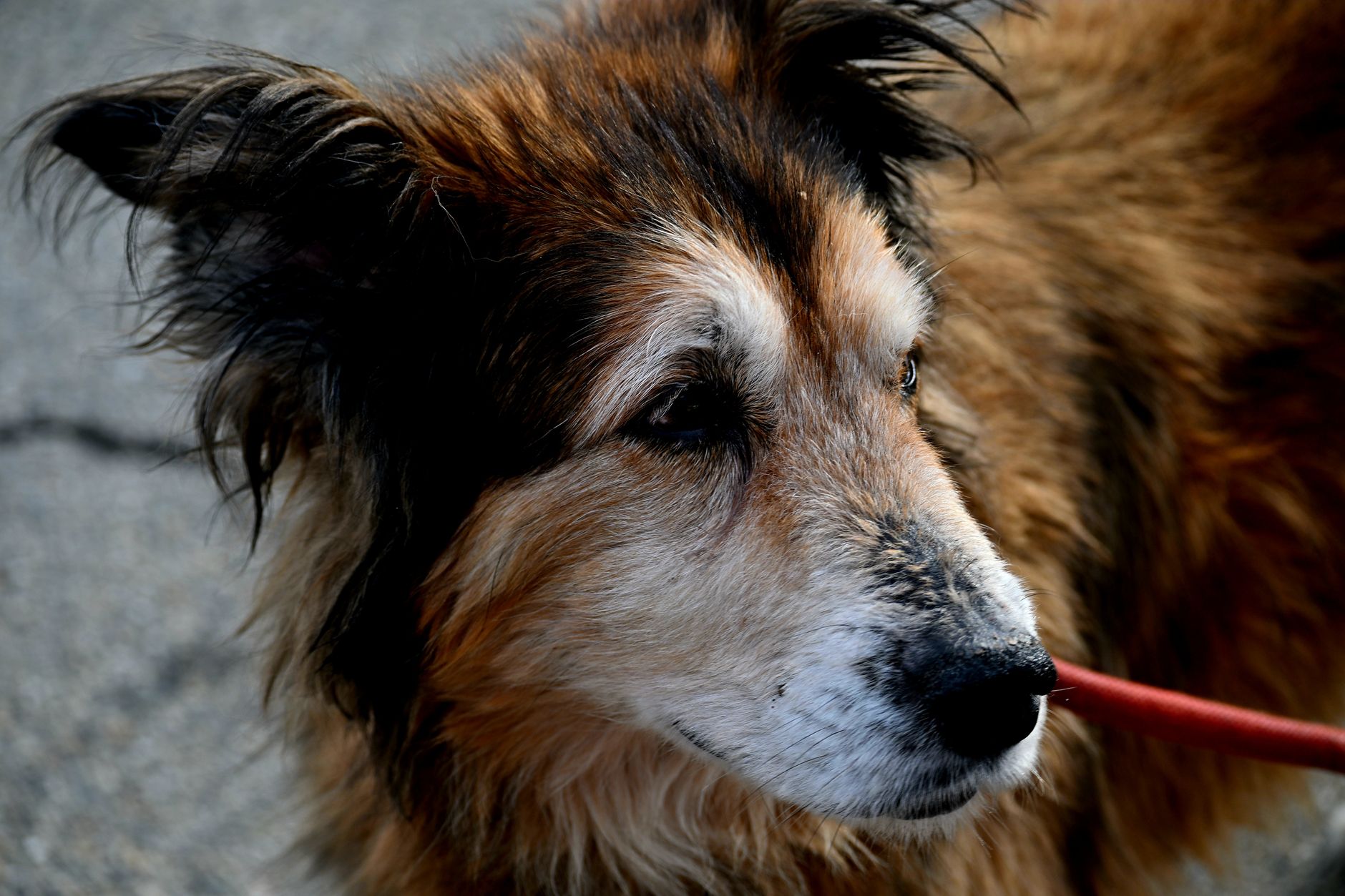
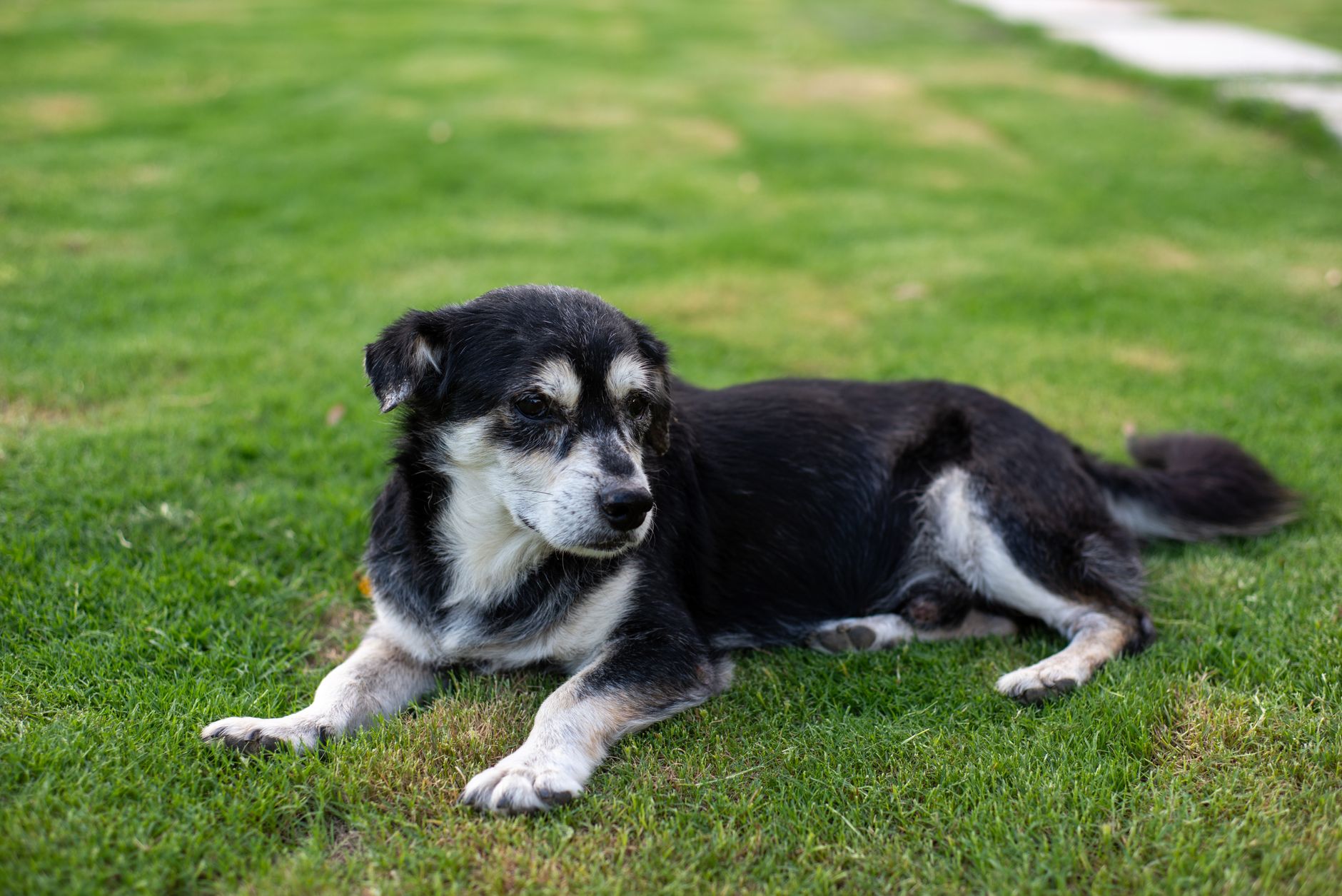
The graying muzzle is undeniably adorable, but the sudden hesitation before jumping onto the couch is entirely heartbreaking. Owners watch their vibrant companions slow down, stumble on hardwood floors, and sleep through the afternoon, assuming this painful decline is simply an unavoidable part of aging. Accepting this decline as "normal" robs aging dogs of years of vibrant, pain-free living.
The absolute biggest takeaway in senior dog care is that aging is not a disease; it simply requires abandoning standard adult routines to focus entirely on environmental traction, proactive cognitive enrichment, and forced hydration. To truly extend a dog's golden years, owners must immediately alter the physical landscape of the home, introduce brain-fueling puzzles to fight canine dementia, and fundamentally change how water is delivered.
To instantly visualize this critical shift in daily care, here is a quick overview mind map.
🧠 Overview Mind Map: The Senior Care Matrix
- The Mobility Hack: Arthritis pain is severely amplified by slippery floors; adding environmental traction is mandatory.
- The Brain Fuel: Senior dogs need daily cognitive enrichment and scent work to fight Canine Cognitive Dysfunction (dementia).
- The Hydration Shift: Aging dogs lose their natural thirst drive, requiring moisture-rich diets and elevated water stations.
- The Sleep Equation: High-density orthopedic beds are not a luxury; they are a medical necessity for joint offloading.
Advanced Insight #1: The Floor Traction Crisis
Most pet parents immediately request heavy pain medications when an older dog begins heavily limping or struggling to stand. While joint supplements and vet-prescribed anti-inflammatories are crucial, medication cannot fix a purely environmental hazard. The modern home is absolutely covered in slippery hardwood, sleek tile, and smooth laminate flooring.
For a senior dog losing vital muscle mass, walking on bare hardwood feels exactly like walking on a frozen ice rink. Every single step requires intense, exhausting micro-adjustments just to stay upright. The constant fear of falling actually causes the dog to tense their muscles constantly, massively exacerbating their existing arthritis pain.
🐾 Snoutbit Pro-Tip: Never assume a dog is just "slowing down" because of old age. Lay down a continuous pathway of cheap, rubber-backed yoga mats or carpet runners through the dog's most heavily trafficked routes in the house to instantly restore their mobility confidence.
The Suburban Golden Retriever Case Study
Consider a twelve-year-old Golden Retriever living in a sprawling, open-concept home in suburban Ohio. The owners recently renovated, completely replacing their carpet with trendy luxury vinyl plank flooring. Within three weeks, the Golden Retriever completely stopped walking into the kitchen and refused to leave the living room rug.
The owners assumed the dog's hips had finally failed, sadly anticipating a devastating quality-of-life decision. A visiting behaviorist immediately identified the slick floor as the true culprit, not the dog's hips. Once the owners laid down secure, non-slip runner rugs from the living room directly to the food bowl, the dog began happily trotting through the house again within ten minutes.
Advanced Insight #2: Canine Cognitive Dysfunction (CCD)
Physical decline is heavily monitored by owners, but the aging canine brain is frequently entirely neglected. Canine Cognitive Dysfunction (CCD) is essentially dog dementia, and it affects a massive percentage of senior dogs over the age of eleven. Symptoms include getting trapped behind furniture, staring blankly at walls, and catastrophic changes to their sleep-wake cycles.

Owners often mistakenly attribute these subtle neurological shifts to stubbornness or simple hearing loss. A dog pacing the hallways and heavily panting at 3 AM is not acting out; they are experiencing severe neurological confusion and anxiety in the dark. Fighting CCD requires actively exercising the brain daily to create new, healthy neural pathways.
🚨 Vet Fact: A senior dog's brain requires immense energy to function, but their biological ability to metabolize standard glucose drops drastically with age. Supplementing their diet with veterinarian-approved Medium Chain Triglycerides (MCTs) provides an alternative energy source that directly fuels the aging brain and combats cognitive decline.
The Mental Workout Regimen
To keep an older dog sharp, physical walks must become significantly shorter, but the mental workouts must dramatically increase. Ditch the standard metal food bowl entirely for an aging dog. Instead, feed every single meal out of a slow-feeder puzzle, a snuffle mat, or a heavily stuffed, frozen rubber toy.
Forcing the dog to sniff, lick, and solve a basic puzzle to access their dinner provides massive mental stimulation. This simple daily enrichment tires the brain out safely without putting any additional stress on failing joints or a weak heart. A mentally exhausted senior dog is far less likely to pace the house anxiously in the middle of the night.
Advanced Insight #3: The Silent Hydration Trap
As dogs transition deeply into their senior years, a dangerous biological shift occurs right under the owner's nose. The natural, biological thirst drive heavily diminishes. An aging dog simply forgets to drink enough water, leading to a state of chronic, low-grade dehydration.
Dehydration is absolutely catastrophic for an older, fragile body. It strains failing kidneys, thickens the blood, and entirely dries out the vital cartilage required to cushion arthritic joints. A dehydrated senior dog looks visibly lethargic, suffers from severe constipation, and acts significantly older than their true age.
🐾 Snoutbit Pro-Tip: To instantly test a senior dog for silent dehydration, gently pinch the loose skin on the back of their neck and pull it up like a tiny tent. If the skin stays in a tent shape and creeps back down very slowly, the dog is dangerously dehydrated and requires immediate fluid intervention.
The Florida Boxer Dehydration Reality
An eleven-year-old Boxer living in a sunny Florida home began acting incredibly lethargic during the mild winter months. The owners noticed the dog's communal water bowl in the kitchen was barely touched, but the dog refused to walk over and drink. The core issue was purely structural.

The water bowl was sitting directly on the kitchen floor, forcing the Boxer to painfully crane his highly arthritic neck downward just to take a sip. The owners purchased an elevated, raised watering station and placed it directly next to the dog's primary orthopedic bed. By removing the physical pain of bending down and closing the walking distance, the Boxer's daily water intake tripled overnight.
Elevating the Sleep Experience
A cheap, poly-fill dog bed from a generic pet store is entirely insufficient for a senior body. When an older dog lies on a thin bed, their elbows, hips, and shoulders sink completely through the fluff and rest directly on the hard floor. This creates highly painful pressure points that make standing up the next morning excruciating.
True senior care requires a massive upgrade to high-density, medical-grade orthopedic foam. The bed must be thick enough that a human can kneel on it without their knee ever touching the floor beneath. Additionally, the bed should not have high, bolstered sides that force the dog to painfully step up and over to get inside.
🚨 Vet Fact: Extremely long, overgrown nails completely alter the physical geometry of a dog's foot. When the nails constantly click on the floor, it physically pushes the dog's toes backward, causing excruciating joint pain and destroying their balance on smooth surfaces.
The Temperature Regulation Failure
Senior dogs drastically lose muscle mass and subcutaneous body fat as they age. This physical loss completely destroys their biological ability to regulate their internal body temperature. A house kept at a perfectly comfortable 68 degrees for humans might leave an aging Chihuahua violently shivering on the couch.
Shivering burns massive amounts of calories and causes already sore muscles to tense up painfully. Owners must actively assist the dog's failing internal thermostat throughout the changing seasons. Provide heated, low-voltage orthopedic pads during the winter and highly breathable, elevated cooling cots during the sweltering summer months.
Applying a fleece sweater during a crisp autumn walk is no longer just a cute fashion statement for a senior dog. It is a strict medical necessity to keep their aging joints warm and fluid. Protecting their core temperature prevents severe stiffness and massive mobility setbacks.
What To Do Next
- Assess the Walking Paths: Stand in the living room and physically trace the dog's exact path to their food bowl and the back door. Immediately order non-slip runner rugs or heavily textured yoga mats to cover any sections of bare hardwood along that specific route.
- Audit the Water Stations: Check the exact height and location of the dog's current water bowl today. Purchase an elevated bowl stand that reaches the dog's chest height, and add a second water station directly next to their primary sleeping area to encourage effortless hydration.
Disclaimer: The content on Snoutbit.com is for informational and educational purposes only and is not intended to replace professional veterinary advice, diagnosis, or treatment. Always consult with your veterinarian before making significant changes to your dog’s diet, exercise routine, or health regimen.