Man Discovers Talent for Photographing Dogs in Midair
Introduction
Sometimes the smallest moments lead to the most unexpected discoveries. For José Juan Medina, a simple desire to take pictures of his own dog turned into a passion that has since captivated dog lovers everywhere. Medina adopted his dog Drogo four years ago, and what began as a hobby quickly evolved into a specialized craft: photographing dogs in midair, with all four paws off the ground. According to iHeartDogs, Medina works as a manual laborer, and photography is not his profession. Yet his dedication and natural eye have produced a stunning collection of images that celebrate the joy and athleticism of dogs.
What makes Medina's story so compelling is not just the quality of his photographs, but the path that led him to them. He did not attend photography school, serve an apprenticeship under a professional, or set out with ambitions of building a portfolio. Instead, a single adoption decision—bringing home a little dog named Drogo—set in motion a chain of events that would redefine how he spends his free time and, eventually, how audiences around the world see his work. His journey illustrates something many hobbyists discover only in retrospect: passion often arrives before expertise, and curiosity can be a more powerful teacher than formal training.
In this article, we explore how Medina's journey began, the techniques he uses to capture such fleeting moments, the unique character each dog brings to the camera, and why the best photographs come from dogs simply being themselves. Whether you're a dog owner, an aspiring photographer, or simply a dog lover, Medina's story is a heartwarming reminder that inspiration can come from the most familiar places.
The Accidental Photographer: How One Dog Inspired a Passion
José Juan Medina never set out to become a photographer. According to iHeartDogs, he works as a manual laborer, and photography is not his job. But four years ago, he adopted a little dog named Drogo, and that decision changed everything. Medina bought a camera specifically to take photos of Drogo (iHeartDogs). What started as a way to document his own pet's life soon grew into something much bigger.
As his interest deepened, Medina began visiting dog parks and agility competitions to photograph other dogs (iHeartDogs). These settings offered him a steady supply of willing subjects and unpredictable action—exactly the conditions in which a photographer can sharpen his instincts. He also started investing in better equipment as his passion grew (iHeartDogs), a natural progression for anyone who moves from casual snapshots to a more serious pursuit.
This organic progression—from casual snapshots of a beloved pet to a dedicated pursuit of canine photography—is a testament to how a single dog can spark a lifelong hobby. Medina's story resonates with anyone who has ever picked up a camera to capture their dog's antics. It shows that you don't need formal training or a professional background to discover a talent. All it takes is curiosity, a willing subject, and the drive to keep learning. Medina's journey from manual laborer to acclaimed dog photographer is proof that following your heart can lead to extraordinary places.
There is also a practical lesson embedded in his story. Many people assume that better photographs require better gear before anything else, but Medina's path suggests the opposite order: first came the motivation—a dog he loved—then came the practice, and only then came the equipment upgrades. The camera was a tool in service of an interest that already existed, not the source of the interest itself. For aspiring photographers, that sequence matters. It is far easier to learn the technical side of photography when you already have a subject you care about photographing every day.
Capturing the Perfect Moment: Techniques for Photographing Dogs in Midair
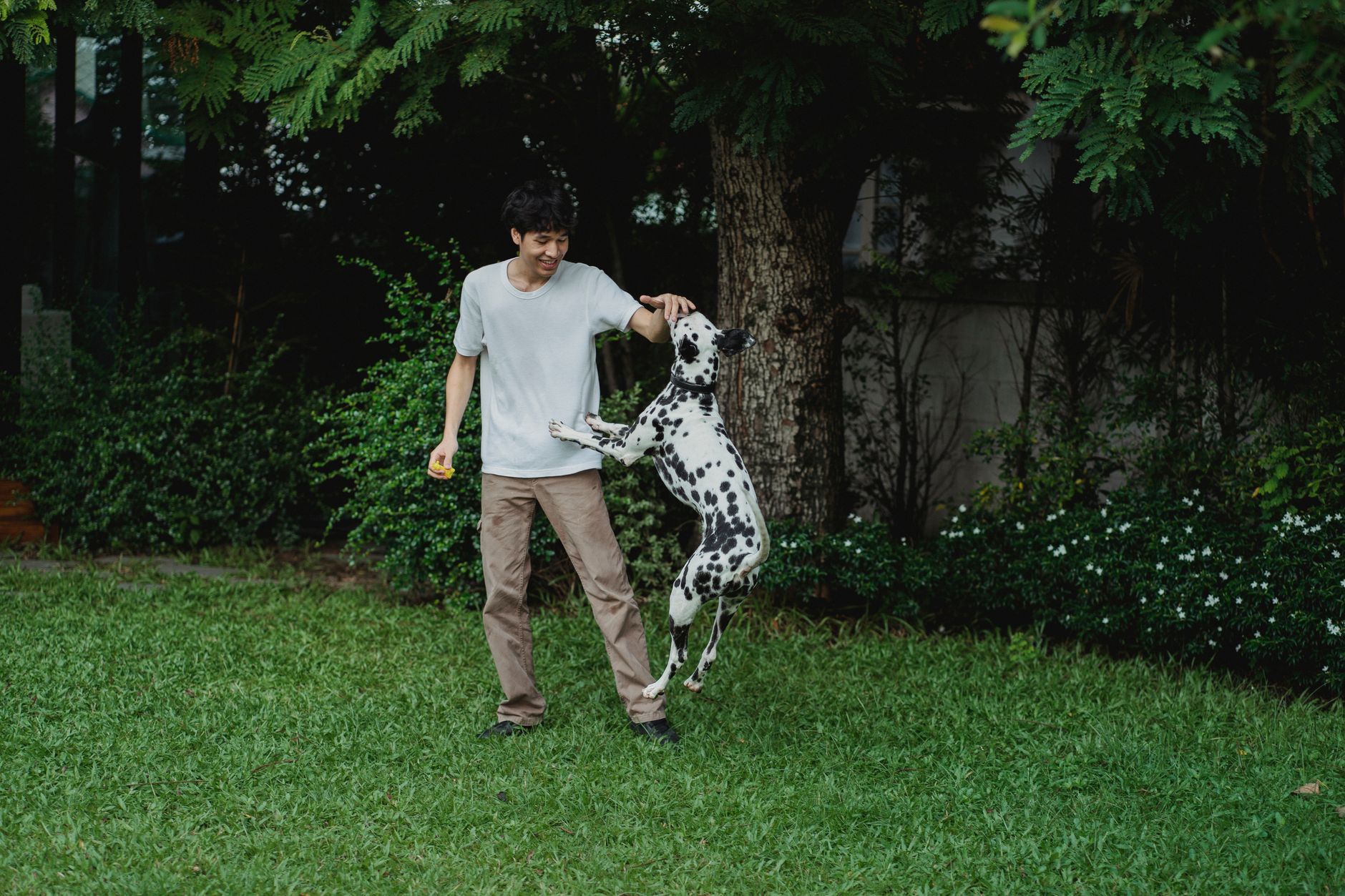
Photographing dogs in midair is no easy feat. It requires timing, patience, and a deep understanding of canine movement. Medina specializes in capturing dogs with all four paws off the ground (iHeartDogs). This signature style freezes a split second of pure joy and athleticism, resulting in images that are both dynamic and heartwarming.
To achieve such shots, Medina frequents dog parks and agility competitions, where dogs naturally leap and bound (iHeartDogs). These environments provide endless opportunities to practice and perfect his craft. As his interest grew, Medina invested in better equipment (iHeartDogs), which undoubtedly helps him capture sharp, high-quality images even in fast-moving situations. But equipment alone isn't enough—Medina has also shared a video revealing his working process with canine subjects (iHeartDogs). This behind-the-scenes glimpse offers valuable insight into how he interacts with dogs to get the shots he wants.
While the specific techniques aren't detailed in the source, it's clear that Medina's approach involves building trust and being attuned to each dog's behavior. For aspiring pet photographers, Medina's example highlights the importance of spending time observing dogs in action, upgrading gear as needed, and never stopping the learning process. Capturing a dog in midair is challenging, but with dedication and the right mindset, it's a skill that can be developed—just as Medina has shown.
It is worth considering why the midair shot is such a difficult target. A dog at full leap is airborne for only a fraction of a second, and the peak of the jump—the moment when all four paws are clearly off the ground—is the briefest part of that arc. Anticipating the launch, rather than reacting to it, is essential. That is precisely why Medina's habit of frequenting parks and competitions matters so much: repetition builds the kind of anticipation that no amount of reading about photography can replace. The more time spent watching dogs run, turn, and jump, the more predictable their movements become to the person behind the lens.
If you're looking to practice in a controlled environment, consider private dog park rentals where you can safely let dogs run and leap without crowds. And if you're curious about capturing dog behavior from a different angle, a dog collar camera guide explores the viral POV trend—though for midair action, a traditional camera with fast shutter speed remains key.
Every Dog Brings Something Different to the Camera
No two dogs are alike, and that individuality shines through in Medina's photographs. According to iHeartDogs, Medina forms a real bond with the dogs he photographs. This connection is likely what allows him to capture such authentic moments. Whether he's working with his own dog Drogo or dogs he meets at parks and competitions, Medina takes the time to understand each animal's personality. That bond translates into images that feel personal and alive, rather than stiff or posed.
Medina's appreciation for dogs' naturalness is evident in his words: "They don't try to put on a front. They're just being themselves, and they always look great" (iHeartDogs). This philosophy is at the heart of his work. By letting dogs be dogs, he captures their true essence—whether they're soaring through the air or simply enjoying the moment.
Each dog brings its own energy, movement style, and expression to the camera, making every photo session unique. A cautious dog may leap differently than a bold one; a small dog may arc through the air in a way a larger dog never could. For dog owners, this is a reminder that the best photos of your pet come from allowing them to act naturally. You don't need elaborate setups or forced poses. Instead, observe your dog's favorite activities and be ready to snap the shutter when their personality shines through. Medina's ability to connect with each dog and highlight its individuality is a key ingredient in his success.
Understanding canine behavior is central to this approach. Just as a dog trainer learns to read subtle body language, a photographer benefits from noticing the signals that precede a jump or a sprint. Patience and observation—skills emphasized in our dog toothbrush guide—apply equally to photography: let the dog set the pace, and the best moments will come.
The Best Photographs Come From Dogs Being Themselves
In a world full of curated images and perfect poses, Medina's work stands out for its authenticity. He doesn't rely on elaborate costumes or contrived scenarios. Instead, he celebrates dogs exactly as they are. As he told iHeartDogs, "They don't try to put on a front. They're just being themselves, and they always look great." This simple yet profound observation is the foundation of his photography.
By allowing dogs to be their natural, playful selves, Medina captures moments of pure joy and uninhibited movement. The result is a collection of images that resonate with viewers on an emotional level. Dog owners know that their pets are at their most beautiful when they're doing what they love—whether that's chasing a ball, leaping over an obstacle, or simply running with abandon. Medina's specialization in midair shots with all four paws off the ground (iHeartDogs) is a perfect example of this philosophy in action. He freezes those fleeting seconds of exuberance, creating images that feel both dynamic and genuine.
For anyone looking to improve their own pet photography, the takeaway is clear: let your dog be a dog. Don't force poses or expect perfection. Instead, create opportunities for natural behavior, be patient, and be ready to capture the magic when it happens. Medina's work is a beautiful reminder that the best photographs often come from the simplest approach—just letting dogs be themselves.
Quick Tips for Photographing Your Own Dog in Midair
- Start with a fast shutter speed. To freeze a leaping dog, you need a shutter speed of at least 1/1000 second, ideally faster in low light.
- Anticipate, don't react. Watch for the crouch or wind-up before a jump, and press the shutter just before the peak.
- Use continuous autofocus. Tracking modes help keep moving subjects sharp.
- Choose open spaces. Parks and agility fields give dogs room to run and leap naturally.
- Practice often. The more you observe your dog's movement, the better you'll predict the perfect moment.
- Upgrade gear only when needed. A better lens or camera body can help, but only after you've mastered timing with what you have.
These tips align with Medina's experience: he started with a simple camera, practiced at parks and competitions, and gradually invested in better equipment as his skills grew (iHeartDogs).
Frequently Asked Questions
What camera settings work best for photographing dogs in midair? Use a fast shutter speed (1/1000s or faster), continuous autofocus, and a high frame rate. Adjust ISO to maintain exposure.
Do I need professional gear to capture midair shots? No. Medina began with a basic camera and upgraded later (iHeartDogs). Skill and timing matter more than equipment.
How can I get my dog to jump naturally? Use toys, agility obstacles, or play with other dogs in a safe, enclosed area. Let your dog initiate the action.
What if my dog is shy or cautious? Be patient and build trust. Medina emphasizes bonding with each dog (iHeartDogs). Start with low-pressure activities and reward calm behavior.
Can I photograph dogs at public parks? Yes, but always respect other park users and local rules. Private rentals offer more control.
Conclusion
José Juan Medina's story is a heartwarming reminder that talent can emerge from the most ordinary moments. By photographing his dog Drogo, he discovered a passion for capturing dogs in midair—a skill that has brought joy to countless dog lovers. His approach—built on patience, observation, and a genuine bond with dogs—offers valuable lessons for anyone hoping to improve their pet photography. Whether you're a seasoned photographer or a complete beginner, the best place to start is with the dog right in front of you. Let them be themselves, and the magic will follow.
Source: iHeartDogs