
How to Tell if a Dog is in Pain: The Secret Signs Owners Miss
Watching a dog suddenly slow down or turn away from their favorite toy creates a heavy sense of dread. Most owners wait to hear a yelp or a cry before they suspect an injury, but by that time, the dog is likely in extreme agony. This delay in recognition allows silent killers like osteoarthritis or dental rot to thrive, causing the dog unnecessary, prolonged suffering while the owner remains unaware.

The definitive solution is mastering the "Canine Pain Scale" and observing the dog's micro-behaviors during their most relaxed moments. The biggest takeaway is that dogs are "stoic" by nature, a survival trait inherited from their wild ancestors to hide weakness from predators. Telling if a dog is in pain requires looking for subtle physical cues like a lowered tail, a "hollow" look in the eyes, or a sudden refusal to jump onto the sofa.
The Canine Pain Indicator: Overview Mind Map
- Mobility Shifts: Stiffness when rising, a shorter stride, or "bunny hopping" up the stairs.
- Facial Expressions: Tightened brow, flattened ears, or the presence of the "Grimace Scale" (orbital tightening).
- Behavioral Red Flags: Sudden resource guarding, excessive panting while at rest, or obsessive licking of a specific joint.
- Physiological Signs: Increased heart rate, shallow breathing, and shivering even in a warm environment.
The Stoicism Trap: Why Dogs Don't Always Cry Out
In the wild, a dog that whimpers or limps is a target for rivals. This genetic legacy remains deeply embedded in the domestic dog's DNA, making them masters of disguise when it comes to physical discomfort. Many owners assume that because the dog is still wagging their tail or eating their dinner, they cannot possibly be hurting.
This "Stoicism Trap" is the leading cause of late-stage medical diagnoses in senior pets. A dog might still fetch a ball because their "drive" to please the owner overrides their perception of pain, but they will pay for it with hours of silent stiffness later that evening. True advocacy requires looking past the tail wag to see the tension held in the rest of the body.
🚨 Vet Fact: Chronic pain in dogs triggers a biological process called "Wind-Up," where the nervous system becomes hyper-sensitized to even minor stimuli. If left untreated, the brain begins to perceive normal touch as painful, making the dog's eventual recovery significantly more difficult and complex.
Advanced Insight 1: The Canine Grimace Scale
While most generic articles focus on limping, elite behaviorists utilize the "Canine Grimace Scale" to detect internal or soft-tissue pain. A dog in pain will physically "harden" their facial features in ways that are nearly invisible to the untrained eye.
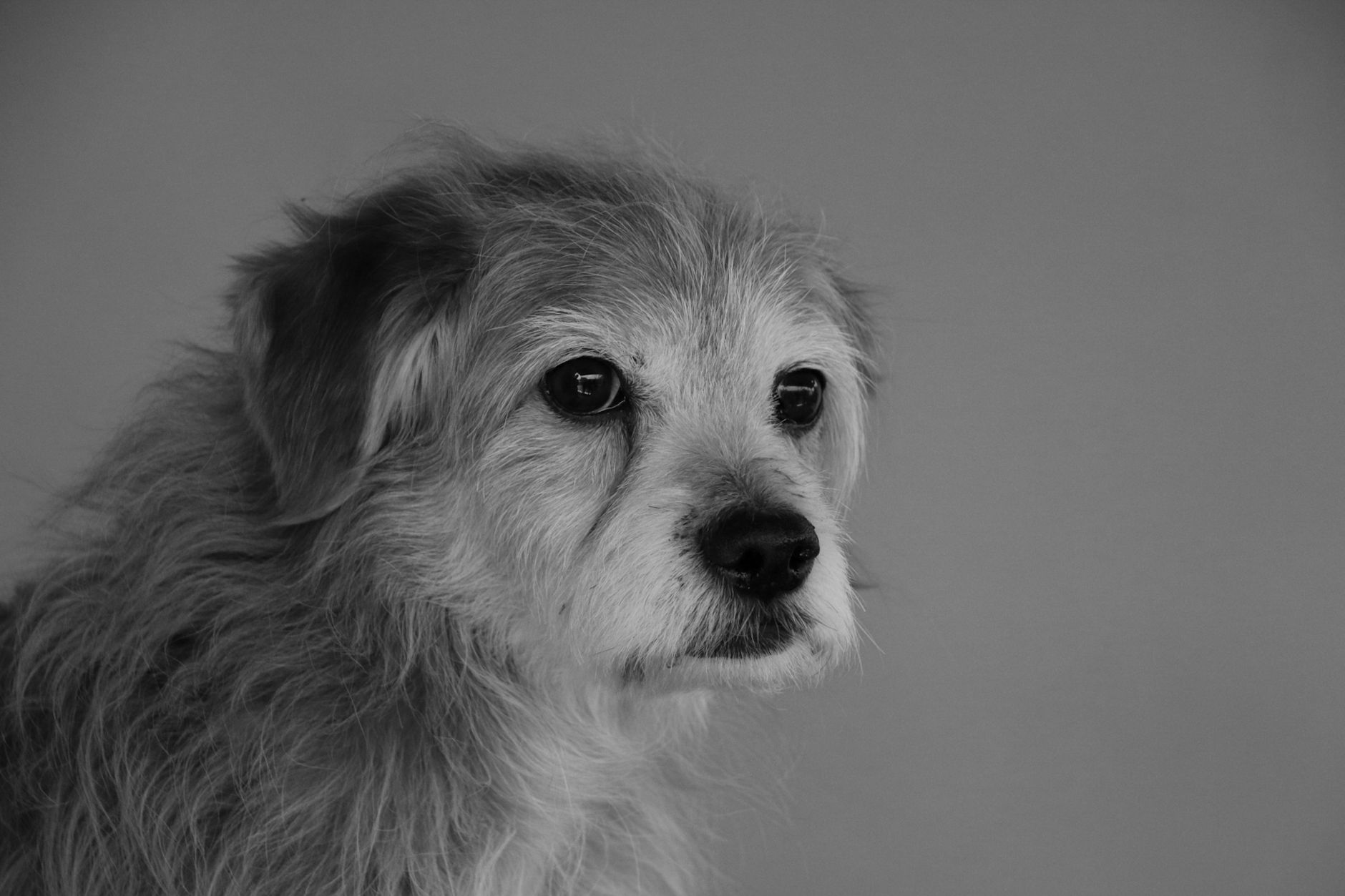
- Orbital Tightening: The eyes appear smaller or squinted, often with a "worried" furrow in the brow.
- Muzzle Tension: The lips may be pulled back slightly, or the dog may look like they are "smiling" in a tense, unnatural way.
- Ear Position: Ears that are usually upright or perky may rotate outward or flatten against the skull for long periods.
Consider the case of an older Labrador in Virginia that suddenly started growling when the grandchildren approached. The owners feared a behavioral aggression issue, but a closer look at the dog’s face revealed constant orbital tightening and a rigid muzzle. A veterinary exam confirmed severe, bilateral hip dysplasia; the dog wasn't being mean, they were terrified of being accidentally bumped in their most painful area.
Advanced Insight 2: The "Night Pacing" Phenomenon
One of the most reliable indicators of orthopedic or internal pain is a sudden shift in nocturnal behavior. If a dog is unable to find a comfortable position and spends the night constantly circling, repositioning, or "pacing" on hard floors, they are likely struggling with a high pain load. This behavior is often accompanied by "heavy sighing" or licking the air, which are self-soothing mechanisms for physical distress.
Owners often mistake this for simple restlessness or "getting older," but it is a massive red flag for joint inflammation or spinal pressure. When a dog lies down, gravity increases the pressure on their joints; if they are constantly popping back up, it is because the pressure has become unbearable.
🐾 Snoutbit Pro-Tip: Use a home security camera or a pet monitor to record the dog’s behavior between 2:00 AM and 5:00 AM. Show this footage to a veterinarian; seeing the dog’s natural, unmasked movements during the quietest part of the night provides more diagnostic value than a ten-minute physical exam in a stressful clinic environment.
Advanced Insight 3: The "Purring" Pant
Every owner knows that a dog pants when they are hot or after a long run in the park. However, heavy, rhythmic panting while the dog is resting in a cool, air-conditioned room is a classic "pain signal" that is frequently ignored. This is often called "stress panting" or "purring" because it is a shallow, rapid breath used to cope with a spiking heart rate.
If the panting is accompanied by a "distant" look in the eyes—as if the dog is staring at something far away—they are likely experiencing an episode of acute internal pain. This can be caused by anything from gastrointestinal distress to a ruptured ligament. The key is the context: if there is no physical or thermal reason for the panting, it is almost certainly a cry for help.
Take the anecdotal reality of a young Boxer in Arizona that started panting heavily while lying on the cool tile. The owner initially thought it was just the summer heat, but the dog also refused to eat a high-value treat. An emergency vet visit revealed a "foreign body" (a swallowed piece of a toy) that was causing a painful blockage; the panting was the dog's only way to communicate the internal crisis.
Behavioral "Shifting" and Exercise Intolerance
A dog in pain will often "shift" their weight frequently even when standing still. They may take longer to sit down or refuse to lie on one specific side. If a dog used to bolt for the door at the mention of a walk but now hesitates or stops halfway through the block, they are communicating that the physical cost of the movement has exceeded their desire to go.
- Subtle Limping: This often disappears once the dog "warms up," leading owners to think it’s not serious.
- Stair Hesitation: The dog may look up at the stairs and pause, or "bunny hop" with both back legs moving together to avoid putting full weight on a single hip.
- Avoiding Jumps: A sudden refusal to get into the car or onto the bed is rarely "stubbornness"—it is a calculated decision to avoid an impact that will hurt.
🚨 Vet Fact: Senior dogs often suffer from "Spondylosis," a condition where bone spurs form along the vertebrae. This causes a stiff, "wooden" gait and makes it painful for the dog to turn their head or neck quickly to catch a ball or look at their owner.
When Irritability Becomes a Symptom
Pain fundamentally changes a dog's personality. A previously social dog may suddenly become "grumpy" or hide in a quiet closet to avoid interaction. This social withdrawal is a protective mechanism; the dog knows they cannot defend themselves or move quickly if a person or another pet approaches them.

If a dog snaps when being groomed or when their collar is being put on, do not immediately assume it’s a training failure. It is highly likely that the physical touch is hitting a "trigger point" of referred pain. Always rule out a medical cause before attempting a behavioral modification program for sudden-onset irritability.
🐾 Snoutbit Pro-Tip: Gently run a hand down the dog's spine and across their large muscle groups while they are relaxed. If you notice a "twitch" in the skin (cutaneous trunci reflex) or if the dog suddenly turns to look at your hand, you have identified a localized area of inflammation that needs professional attention.
What To Do Next
- Perform a "Mobility Audit" Today: Record a thirty-second video of the dog rising from a nap and walking toward a food bowl. Watch it in slow motion; if the dog is "offloading" weight to their front legs or if their hips are swaying excessively, schedule a veterinary orthopedic check-up immediately.
- Audit the Resting Heart Rate: While the dog is deeply asleep tonight, gently place a hand on their chest and count their heartbeats for fifteen seconds, then multiply by four. A resting heart rate that is significantly higher than the dog's normal average (typically 60–100 bpm for most breeds) is a strong physiological indicator of hidden, systemic pain.
Disclaimer: The content on Snoutbit.com is for informational and educational purposes only and is not intended to replace professional veterinary advice, diagnosis, or treatment. Always consult with your veterinarian before making significant changes to your dog’s diet, exercise routine, or health regimen.


