How To Cool Down A Dog In Summer: The Elite Guide To Preventing Heatstroke
The sweltering US summer sun turns a simple backyard play session into a life-threatening emergency within minutes. As the mercury climbs, a dog's panting becomes increasingly frantic, their tongue turns a dark, angry red, and their energy levels crater. This is a moment of high-stakes panic for any pet owner, as the window between "overheated" and "critical heatstroke" is dangerously narrow.
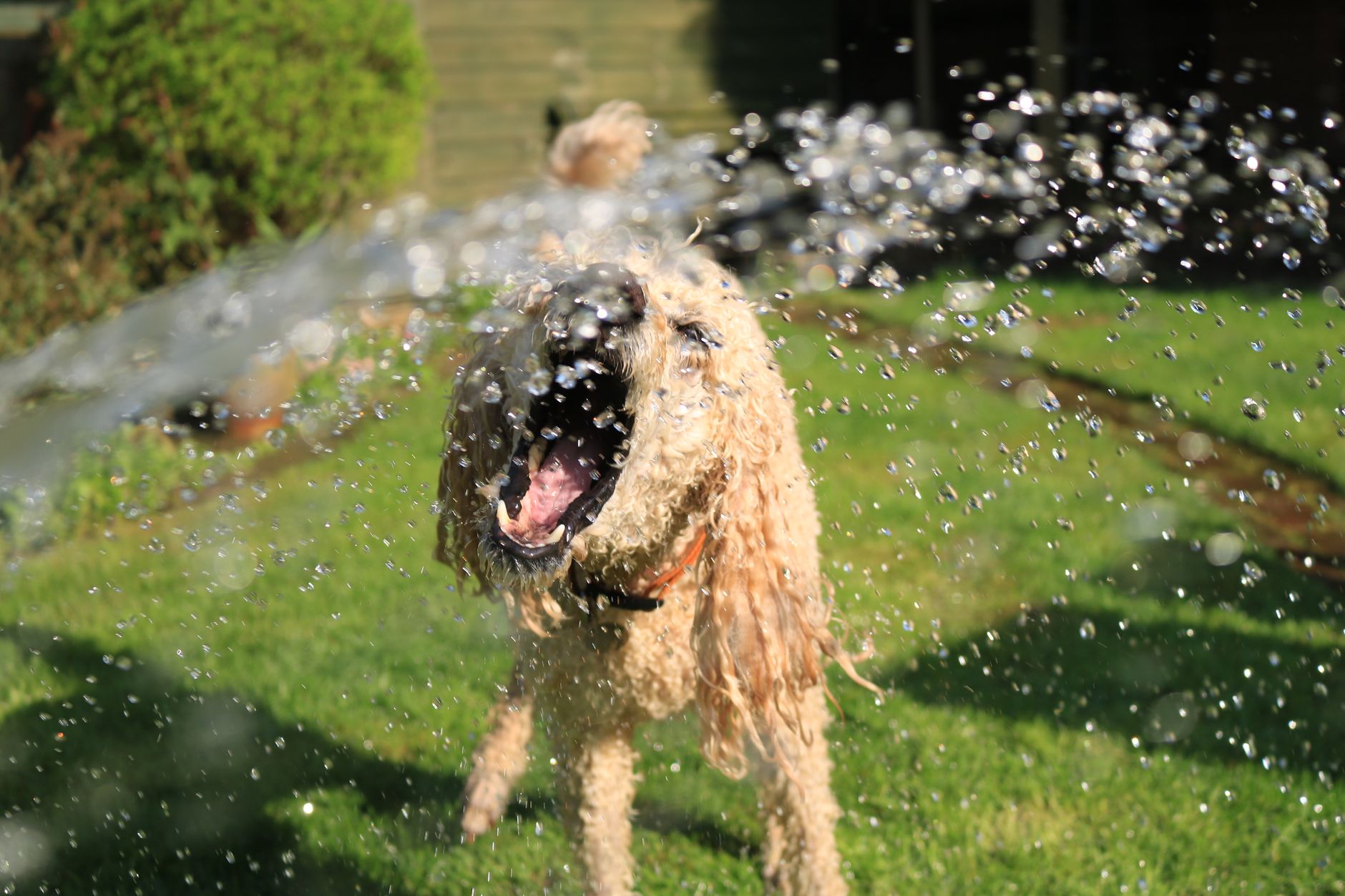
Traditional methods like spraying a dog with a garden hose often fall short because they fail to target the biological mechanisms that actually release heat. The definitive solution is a science-backed approach to canine thermoregulation that prioritizes cooling the bloodstream directly. By understanding how dogs physically exchange heat with their environment, pet parents can implement immediate, life-saving cooling strategies.
The Canine Cooling Mind Map
- Internal Regulation: Managing hydration and using "blood chilling" water strategies.
- External Cooling: Utilizing thermal windows and evaporative cooling vests.
- Environmental Management: Strategic airflow, shade placement, and ground temperature checks.
- Signs of Crisis: Recognizing the shift from heavy panting to clinical heatstroke.
The Biological Reality: Why Dogs Struggle in Heat
Dogs are biologically disadvantaged when it comes to extreme temperatures. While humans possess millions of sweat glands across their entire body surface, canines are limited to a microscopic number of glands in their paw pads. Their primary method of cooling is evaporation through the tongue and respiratory tract during panting.
When the ambient humidity is high, this evaporation process slows down significantly. This means a dog can become dangerously overheated even in temperatures that feel manageable to a human. The core temperature of a dog should ideally stay between 101°F and 102.5°F; once it exceeds 104°F, the dog has entered the danger zone of heat exhaustion.
🚨 Vet Fact: Dark-colored coats absorb significantly more solar radiation than light-colored ones. A black Labrador can have a coat surface temperature up to 20°F higher than a yellow Labrador standing in the exact same sunlight, making them far more susceptible to rapid overheating.
Advanced Insight 1: Targeted Cooling of "Thermal Windows"
Most people instinctively pour water over a dog's back or head when they see them panting. While this feels logical, it is actually the least efficient way to lower a dog's core temperature because the thick fur on the back acts as a heavy layer of insulation, trapping heat against the skin.
To cool a dog down fast, focus entirely on the "thermal windows." These are the areas where the skin is thinnest and the blood vessels are closest to the surface:
- The Groin and Inner Thighs
- The Armpits
- The Belly
- The Paw Pads
By applying cool, wet towels or a gentle stream of water specifically to these areas, the blood is cooled before it circulates back to the heart and brain. This "blood chilling" effect is the fastest way to drop a dangerous core temperature without causing the dog to go into shock.
Advanced Insight 2: The Ice Cube and Cold Water Myth
A common, dangerous mistake is using ice-cold water or ice baths to treat an overheated dog. When a dog is submerged in ice-cold water, the blood vessels in the skin immediately constrict (vasoconstriction). This creates a biological "insulation" layer that actually traps the high heat inside the dog's core organs.
Instead of the heat escaping through the skin, the constriction forces it deeper into the body, which can accelerate organ failure. Always use cool or room-temperature water. The goal is a steady, gradual reduction in temperature rather than a violent shock to the system.

Consider the reality of a high-drive Border Collie playing frisbee at a park in Florida. The dog suddenly collapsed after a particularly intense run, and the owner’s first instinct was to dump a bag of ice from a cooler onto the dog's back. A nearby trainer intervened, moved the dog to the shade, and used cool water only on the belly and paws while fanning the dog vigorously. This gradual approach saved the dog from the potential "rebound" heat spike caused by vasoconstriction.
🐾 Snoutbit Pro-Tip: If a dog is conscious and able to swallow, offer cool water with a few drops of low-sodium chicken broth. The salt and minerals encourage the dog to drink more, ensuring they stay hydrated from the inside out, which is vital for maintaining the moisture needed for effective panting.
Advanced Insight 3: The Physics of Strategic Airflow
Air movement is the secret weapon of summer safety. A dog sitting in a 90°F room with a high-velocity fan is significantly safer than a dog in an 85°F room with stagnant air. This is due to convective cooling, where moving air carries the heat away from the body more efficiently than still air.
When a dog is wet, a fan creates "evaporative cooling," which mimics the human sweating process. For maximum effect, place the fan at ground level. Cold air is heavier than warm air and sinks; by placing fans on the floor, the dog receives the coolest possible air directly against their belly and chest.
Equally important is the type of ground the dog is standing on. Asphalt and dark concrete can reach temperatures of over 140°F in direct sunlight, which is hot enough to cause second-degree burns on paw pads in under sixty seconds. Always use the "five-second rule": if a human hand cannot be held comfortably against the pavement for five seconds, it is too hot for a dog to walk on.
Anecdotal Authority: The Beach Day Disaster
A family in Southern California took their French Bulldog to the beach on a seemingly breezy 80°F day. Because of the breeze, the owners didn't realize the sand was reflecting massive amounts of heat directly onto the dog’s underbelly. Within twenty minutes, the Frenchie—a brachycephalic breed already prone to respiratory issues—stopped walking and began gasping for air.

The owners immediately moved the dog into the shade of a pier, placed the dog on a wet towel, and used a portable battery-operated fan. They avoided the temptation to pour ice-cold water from their cooler onto the dog's head, instead dabbing cool water on the groin and paws. The dog's breathing stabilized within fifteen minutes, but the event served as a stark reminder that even "mild" days can be lethal for certain breeds.
🚨 Vet Fact: Brachycephalic breeds (Pugs, Bulldogs, Boxers) have shortened nasal passages that make panting incredibly inefficient. These dogs can suffer heatstroke in temperatures as low as 75°F if the humidity is high or if they are engaging in physical activity.
Effective Cooling Tools: Vests and Mats
The pet industry has developed several highly effective tools to assist with summer heat, but they must be used correctly.
- Evaporative Cooling Vests: These work by holding water and allowing it to evaporate slowly, pulling heat away from the dog. These are excellent for dry climates but are less effective in high-humidity areas like the US Southeast, where evaporation is naturally slower.
- Pressure-Activated Cooling Mats: These contain a specialized gel that absorbs body heat. They are superior to standard beds because they don't require electricity or water and provide a cool surface for the dog's "thermal windows" to rest against.
- Elevated Beds: These allow for 360-degree airflow around the dog, preventing heat from getting trapped between the dog's body and the floor.
🐾 Snoutbit Pro-Tip: If a cooling vest is not available, a wet cotton t-shirt can serve as a DIY version. Ensure the shirt stays damp; if it dries out, it will act as an extra layer of insulation and actually make the dog hotter.
Recognizing the Stages of Heatstroke
Success in the summer requires knowing exactly when "hot" turns into a "medical emergency."
- Early Signs: Excessive panting, drooling, and seeking shade.
- Intermediate Signs: Bright red gums, rapid heart rate, and a "glazed" look in the eyes.
- Critical Signs: Vomiting, diarrhea, stumbling (ataxia), and eventually, collapse or seizures.
If any of the intermediate or critical signs are observed, the cooling process must begin immediately while someone else calls the nearest emergency veterinarian. Do not wait for the dog to "rest it off." Once the internal temperature reaches 106°F, the proteins in the dog's body literally begin to cook, leading to irreversible brain damage and blood clotting disorders.
What To Do Next
- Perform a "Thermal Window" Audit: Tonight, when the house is cool, find the areas on the dog's belly and groin where the fur is thinnest. Familiarize yourself with these spots so that in an emergency, you can immediately target them with cool water and towels without hesitation.
- Setup a "Ground-Level" Cool Zone: Place a pressure-activated cooling mat or an elevated bed in the quietest, most shaded part of the home. Point a floor fan directly at this spot and keep a bowl of fresh, cool water nearby, creating a designated "safe haven" for the dog during peak afternoon heat.
Disclaimer: The content on Snoutbit.com is for informational and educational purposes only and is not intended to replace professional veterinary advice, diagnosis, or treatment. Always consult with your veterinarian before making significant changes to your dog’s diet, exercise routine, or health regimen.