Finding The Best Puppy Training Schools Near Me Before Bad Habits Set In
Living with a brand new puppy often feels exactly like managing a sleep-depriving, needle-toothed tornado inside the house. The endless indoor potty accidents, destroyed shoes, and relentless ankle-biting quickly drain the joy out of bringing a new dog home. Ignoring these early, highly frustrating behavioral red flags guarantees these minor puppy issues will permanently mutate into severe, highly unmanageable adult dog reactivity.
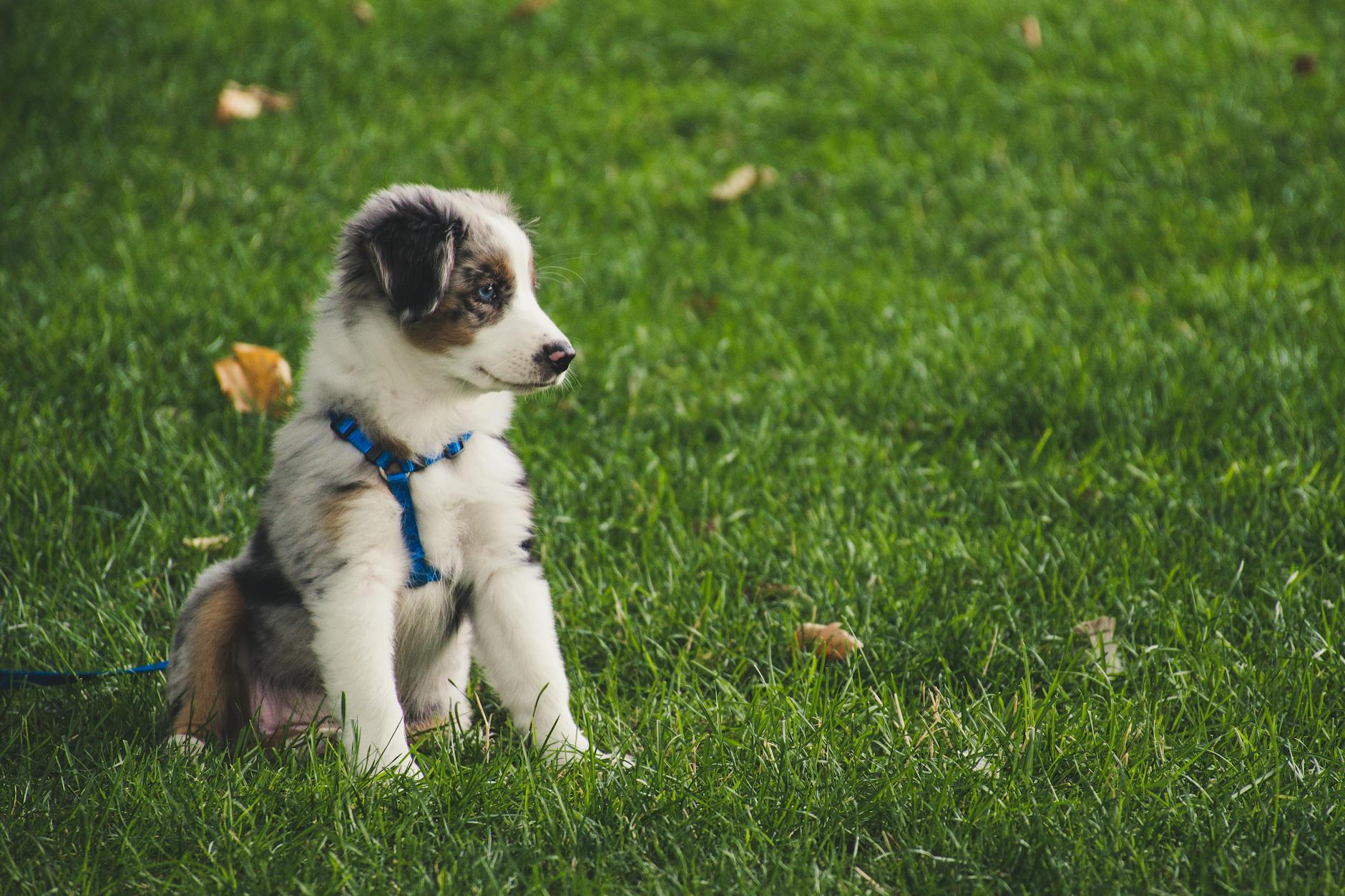
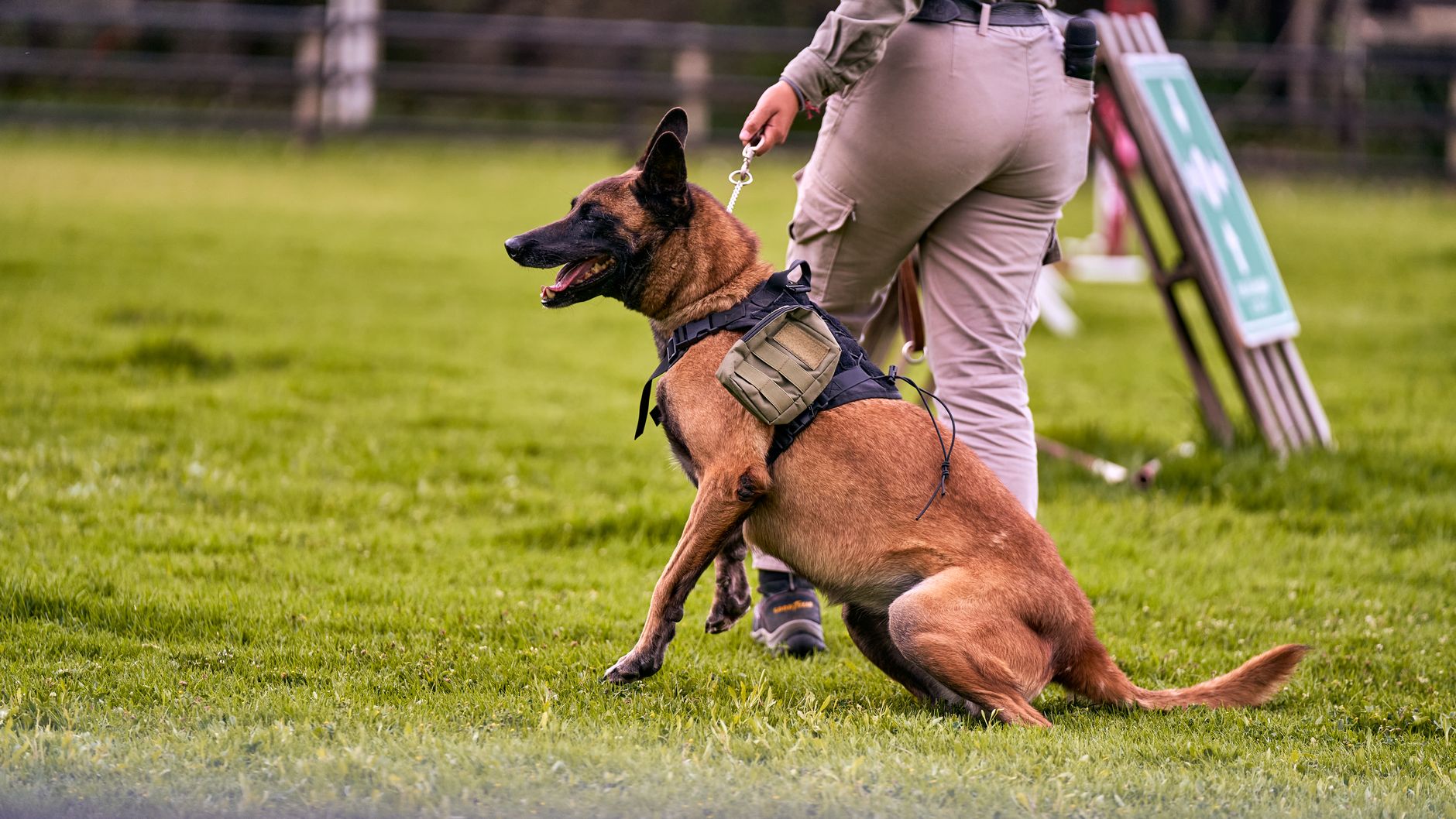
The absolute fastest, most effective way to restore household peace is enrolling the dog in a highly vetted, local puppy kindergarten. The main takeaway for any owner searching for a facility is to strictly demand a CPDT-KA certified trainer utilizing entirely positive reinforcement. Securing a spot in a sanitized facility before the puppy reaches sixteen weeks old permanently shapes their adult brain for lifelong success.
What actually happens in a modern puppy training class?
Many owners incorrectly assume that early training classes focus entirely on strict, military-style obedience commands like perfect heel walking. In reality, elite puppy kindergartens focus almost exclusively on building extreme environmental confidence and intense handler engagement. The curriculum safely exposes the fragile young brain to novel surfaces, strange noises, and proper handling techniques.
A flawlessly executed class teaches the puppy that the human handler is the absolute most rewarding thing in the entire room. This early foundational focus completely prevents resource guarding, intense leash pulling, and severe separation anxiety from ever taking root. It fundamentally teaches the dog how to learn, setting the stage for advanced obedience later in life.
🐾 Snoutbit Pro-Tip: Do not feed the puppy a massive bowl of kibble immediately before heading to a training class. A slightly hungry dog is infinitely more motivated to work for high-value food rewards, keeping their attention sharply focused on the handler despite massive classroom distractions.
Advanced Insight 1: The "Master Trainer" Deception
The canine training industry remains entirely unregulated and largely unmonitored within the United States. Absolutely anyone can legally buy a cheap domain name, print glossy business cards, and declare themselves a "Master Canine Behaviorist" without possessing a single hour of formal education. This dangerous, terrifying lack of oversight leaves desperate owners highly vulnerable to outdated, incredibly punitive training methods.
Never hand a leash over to a local trainer who cannot provide verifiable, independent credentials from a recognized scientific governing body. Always specifically look for trainers holding a CPDT-KA (Certified Professional Dog Trainer-Knowledge Assessed) or a KPA CTP (Karen Pryor Academy Certified Training Partner) designation. These rigorous, highly demanding certifications guarantee the instructor thoroughly understands modern, science-based canine learning theory.
Why is positive reinforcement strictly mandatory?
Using physical leash corrections, heavy prong collars, or loud shaker cans on a highly impressionable puppy is a catastrophic behavioral mistake. These punitive, outdated tools rely entirely on creating physical fear to suppress a specific behavior temporarily. While a terrified puppy might suddenly stop jumping on guests, the underlying anxiety remains completely unresolved and frequently mutates into fear-based aggression.
Consider a frustrated family in Chicago struggling with a highly energetic, relentlessly nipping Goldendoodle. They initially hired a heavily marketed "balanced" trainer who utilized sharp leash corrections, which immediately caused the confused puppy to begin violently resource-guarding its toys out of sheer panic. Once the family fired that trainer and switched to a certified positive reinforcement school, the dog happily learned impulse control through highly rewarding trade games, completely extinguishing the aggression.
🚨 Vet Fact: The critical socialization window for a puppy permanently closes at approximately sixteen weeks of age. Any novel sights, sounds, or experiences introduced after this strict biological deadline are processed with significantly higher suspicion and innate fear.
Advanced Insight 2: The Myth of the Puppy Play-Date
A massive, glowing red flag to watch out for is any facility that advertises an unstructured, chaotic "puppy free-for-all" play session. Throwing ten highly aroused puppies into a fenced room to endlessly wrestle teaches them absolutely terrible leash manners and impulse control. It actively conditions the young dog to falsely believe that every single canine they see on the street is an immediate playmate.

Elite puppy schools completely redefine the modern concept of early socialization. True socialization is about teaching the dog complete, calm neutrality in the presence of massive, highly stimulating novel distractions. The ultimate goal is for the puppy to observe a chaotic room full of other barking dogs and actively choose to focus entirely on their human handler.
How to evaluate a training facility's hygiene protocols
Before a young puppy finishes their complete core vaccination series, exposure to deadly environmental pathogens like Canine Parvovirus is a massive, terrifying risk. Reputable training schools deeply understand this biological threat and enforce incredibly strict, non-negotiable floor sanitation protocols. Never enroll a vulnerable puppy in a class held in a public park or a standard pet store aisle where unknown, unvaccinated dogs constantly frequent.
- Shoe Sanitation: Elite facilities require owners to utilize a bleach footbath or slip on protective booties before stepping onto the training floor.
- Medical Verification: The school must strictly demand physical proof of a negative fecal exam and age-appropriate vaccinations days before the class begins.
- Clinical Disinfectants: The floors must be meticulously mopped between every single class utilizing veterinary-grade, virus-killing chemicals like Rescue.
If a facility casually allows older, completely unknown dogs to mingle in the exact same indoor space immediately prior to the puppy class, walk away immediately.
🐾 Snoutbit Pro-Tip: Heavily observe the flooring material inside the training facility. Highly polished, slick concrete floors cause rapidly growing puppy joints to splay dangerously, whereas heavy-duty, textured rubber matting provides safe, essential traction.
Advanced Insight 3: The "Drop-Off" Training Trap
Board-and-train facilities aggressively market themselves as a magical, entirely effortless solution for busy pet owners. The promise of dropping off a chaotic puppy and picking up a perfectly behaved citizen two weeks later is highly alluring. However, this expensive model fundamentally fails because dog training is actually about teaching the human, not just the animal.
A dog is highly contextual and will easily perform flawless obedience for a professional trainer inside a highly sterile kennel environment. When that exact same puppy returns to their familiar, chaotic living room, they quickly realize the owners do not possess the same strict timing or clear communication. The bad habits instantly return, creating massive household frustration and entirely wasting thousands of dollars.
Group classes force the owner to do the actual, physical mechanical work under the watchful eye of a professional coach. This builds massive, unbreakable handler confidence that translates flawlessly to the real world.
How do classes handle highly fearful rescue puppies?
Adopting a mixed-breed puppy directly from a loud, highly chaotic rescue shelter introduces incredibly unique behavioral challenges to the classroom environment. These puppies frequently missed out on crucial early maternal corrections and often suffer from severe, deeply ingrained environmental overstimulation. Placing them directly into a crowded, noisy room without a buffer can trigger intense fear responses.
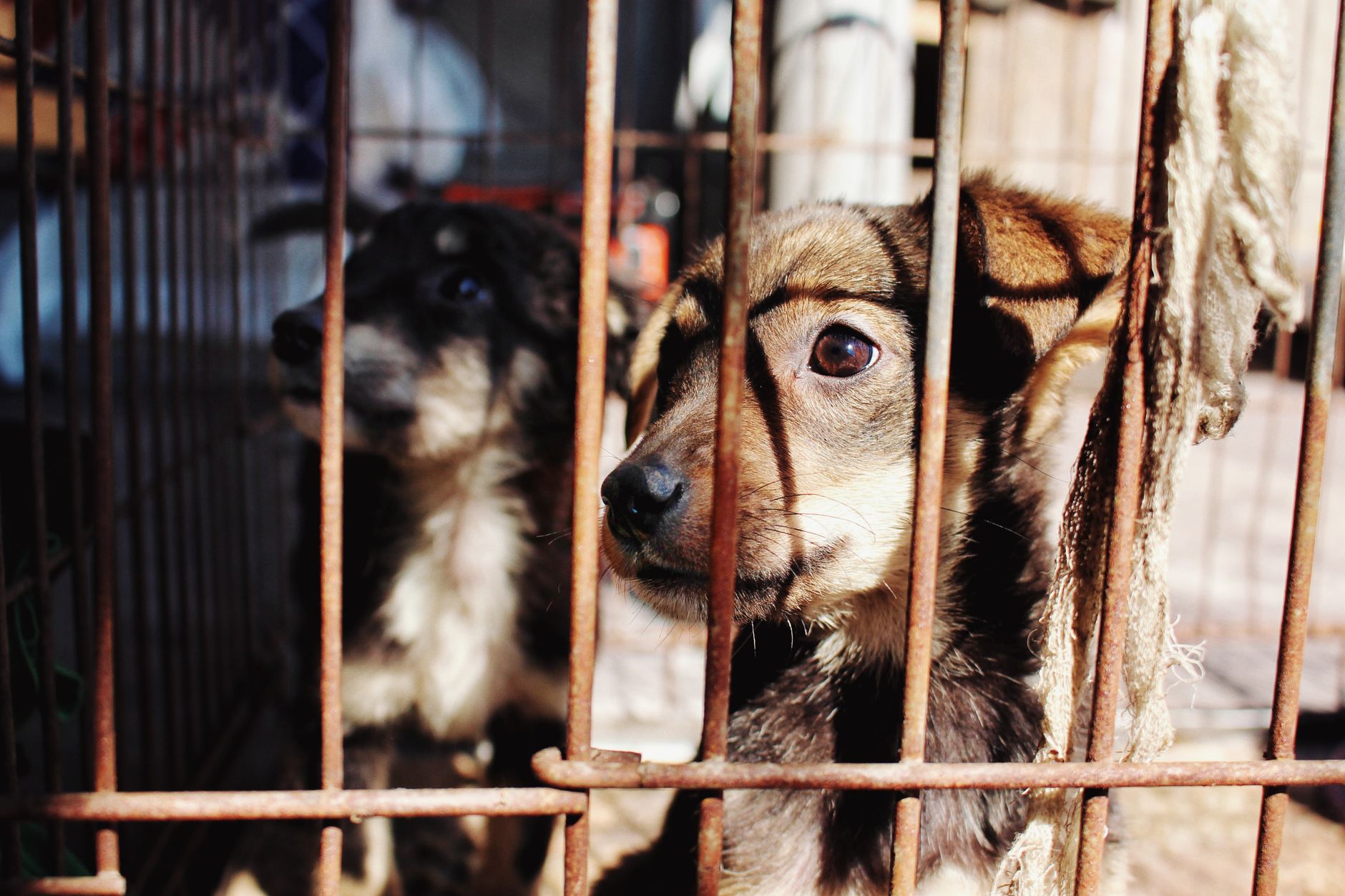
A highly skilled, certified trainer will immediately recognize an overwhelmed rescue pup and provide temporary visual barriers to help them decompress. Take the real-world example of a young Staffy mix in Texas that spent the first two classes hiding terrified behind the owner's legs. By allowing the dog to process the room safely behind a partition, the trainer slowly built the dog's confidence until it happily joined the main group without shivering.
🚨 Vet Fact: Puppies possess incredibly short attention spans and highly fragile growing joints. A properly structured, safe training class should never exceed forty-five minutes, heavily incorporating frequent mental breaks to prevent severe cognitive exhaustion and physical burnout.
Should older dogs attend a puppy kindergarten?
Puppy-specific classes are biologically and psychologically designed strictly for young dogs under five months of age. The specific curriculum entirely targets the unique developmental fear periods that occur exclusively during this early timeframe. Placing a massive, ten-month-old adolescent dog into a room full of fragile, twelve-week-old puppies is highly inappropriate and physically dangerous.
Older, un-trained dogs absolutely require a dedicated basic obedience or specific canine manners class. These older cohorts focus heavily on breaking deeply ingrained bad habits and safely managing the massive hormonal shifts of canine adolescence. Always ensure the chosen facility accurately separates classes strictly by both biological age and overall canine temperament.
Maximizing the training investment at home
Attending a single one-hour class every Saturday will absolutely never train a dog if the owner completely ignores the weekly homework. The facility merely provides the architectural blueprint; the owner must physically build the behavioral house during the week. Success absolutely requires integrating tiny micro-training sessions seamlessly into the daily household routine.
Instead of feeding from a standard metal bowl, utilize the dog's daily kibble ration exclusively for high-repetition training rewards. Practice strict impulse control at every single doorway, demand a calm sit before tossing a tennis ball, and heavily reward quiet behavior when the dog settles on their mat. Consistency outside the classroom completely dictates the speed of the puppy's overall behavioral success.
What To Do Next
- Verify Local Credentials: Open a web browser right now and search the official online directories for the Certification Council for Professional Dog Trainers (CCPDT) or the Karen Pryor Academy. Input the local zip code to instantly locate a scientifically vetted, strictly positive-reinforcement trainer operating nearby.
- Audit A Class Solo: Call the top-choice facility today and ask for explicit permission to silently observe an ongoing puppy class without bringing a dog. Watching the instructor's body language, assessing the room's noise level, and verifying the cleanliness of the floors provides undeniable proof of the school's actual quality.
Disclaimer: The content on Snoutbit.com is for informational and educational purposes only and is not intended to replace professional veterinary advice, diagnosis, or treatment. Always consult with your veterinarian before making significant changes to your dog’s diet, exercise routine, or health regimen.