Don't Buy a Dog Harness Until You Read This
Meta Description: The Walking Gear Master Plan
- The Core Problem: Restrictive horizontal chest straps pin the shoulder blades, dangerously altering natural canine gaits.
- The Daily Agitation: Chronic friction causes agonizing armpit chafing, while improper back clips activate the sled-pulling reflex.
- The Ultimate Solution: Invest strictly in Y-shaped, front-clip designs that protect the fragile airway and allow free joint mobility.
Did you know the popular walking gear you just purchased could permanently alter your dog’s skeletal structure? Yes, you must stop using horizontally strapped harnesses immediately, as they cause severe joint friction and orthopedic pain. Do not buy a dog harness until you completely understand canine shoulder biomechanics and the absolute necessity of a Y-shaped design.
You just want a safe, choke-free walk without dragging your dog down the neighborhood sidewalk. However, falling for clever marketing instead of veterinary science guarantees a miserable experience and costly orthopedic bills. By securing a structurally sound design, you instantly protect their fragile anatomy and regain total physical control.
The Problem: The Hidden Medical Risks of Bad Designs
Many pet store shelves are packed with heavily padded, horizontal-strap designs that look incredibly comfortable to the human eye. The reality is that these specific designs act exactly like a biological straightjacket for your dog's front limbs. They physically trap the shoulder blades, forcing the dog to completely alter how they naturally walk and run.
The Biomechanics of Canine Shoulders
Unlike humans, dogs do not possess a true collarbone locking their front limbs securely to their skeleton. Their shoulder blades rely entirely on a complex network of muscles and ligaments to execute a full, forward extension during a stride. A horizontal chest strap directly pins these muscles down, restricting their necessary range of motion by up to thirty percent.
Joint Damage and Hip Dysplasia Risks
When a dog cannot naturally extend their front legs, they aggressively shorten their stride to avoid sudden physical pain. This unnatural, shortened gait forces their rear legs to overcompensate, creating immense friction in their back joints. Over time, this biomechanical nightmare severely accelerates early-onset arthritis and exacerbates preexisting hip dysplasia.

Agitating the Struggle: Wasted Money and Ruined Walks
You are actively burning your hard-earned money on expensive equipment that your dog genuinely hates wearing. If your puppy immediately runs under the table when you grab their walking gear, they are anticipating physical discomfort. Forcing a dog into poorly designed equipment shatters their trust and turns a simple neighborhood stroll into a massive behavioral battle.
Severe Friction Burns and Chafing
Heavy, non-breathable fabrics sitting tightly directly behind the front legs create an agonizing, highly painful friction zone. As the dog walks, the rigid nylon webbing constantly rubs against the sensitive, thin skin of their armpits. This repetitive scraping quickly causes raw friction burns, extreme hair loss, and painful secondary bacterial skin infections.
The Deadly Escape Artist Threat
Poorly designed equipment frequently lacks multiple points of adjustment, resulting in a dangerously loose overall fit. If a terrified dog suddenly slams on the brakes and violently backs up, they will slip completely out of a horizontal strap in seconds. A loose fit is a fatal liability near busy roads or when encountering off-leash, aggressive dogs in your neighborhood.
The Danger of Incorrect Sizing by Breed
The size and genetic power of your specific dog dictate exactly how catastrophic the wrong equipment will be. You must evaluate the mechanical leverage a heavy-duty harness provides against your own physical body weight. A setup that perfectly protects a tiny lap dog will fail spectacularly on a massive, heavy-boned working breed.
Crushing the Trachea in Toy Breeds
Toy breeds possess incredibly fragile respiratory systems that are highly susceptible to sudden, lethal tracheal collapse. If the chest piece of their gear rides up even an inch, it violently crushes their unprotected windpipe during a pull. You must guarantee the fabric sits incredibly low on their chest, anchoring all physical force directly onto the hard breastbone.

Managing the Power of Giant Breeds
If you own a massive, hundred-pound guardian breed, a flimsy back-clip setup turns them into an unstoppable freight train. These large dogs generate immense kinetic energy, requiring heavy-duty, reinforced nylon stitching and solid metal connection rings. Choosing cheap plastic buckles for giant breeds practically guarantees the hardware will violently shatter during an explosive lunge.
The Solution: Selecting Medically Sound Equipment
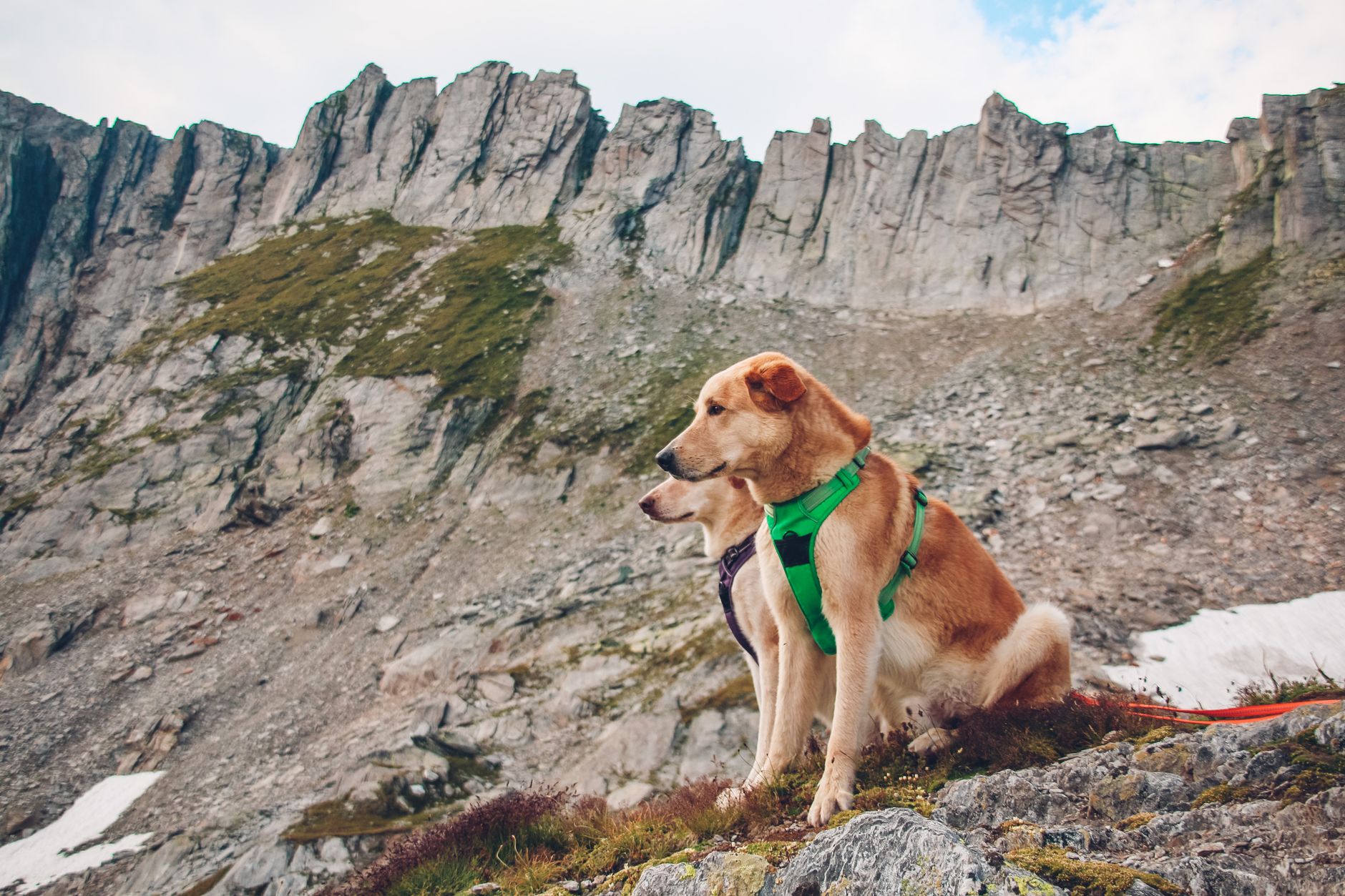
You must immediately trash the restrictive gear and replace it with equipment designed around actual canine anatomy. The definitive, vet-approved solution is purchasing a heavy-duty, Y-shaped harness featuring a secure front-clip attachment point. This specific geometric design completely bypasses the fragile neck and leaves the shoulder joints entirely free to rotate.
The Superiority of the Y-Shape
A proper Y-shaped design features a vertical strap that passes directly between the dog's front legs. This structure securely anchors the equipment entirely on the hard, protective sternum rather than the soft throat. By keeping the shoulder blades completely unobstructed, your dog can execute a full, pain-free stride over any terrain.
Mastering Front-Clip Mechanics
If you own a highly driven sporting breed naturally bred for retrieving, attaching a leash to their back is a catastrophic mistake. Back-clip attachments trigger their hardwired opposition reflex, explicitly commanding their brain to dig in and pull you like a sled. A front-clip attachment gently redirects their forward momentum back toward your body, instantly stopping the lunging without crushing their airway.

Proper Fitting and Hygiene Protocols
Even the most expensive, scientifically designed equipment will fail spectacularly if you do not adjust it correctly. You must dedicate ten uninterrupted minutes to properly sizing every single strap before you ever leave your living room. A perfectly customized fit ensures absolute physical safety while preventing the agonizing chafing that ruins outdoor adventures.
Executing the Two-Finger Rule
You must utilize the strict two-finger rule to guarantee the webbing is both secure and highly comfortable. Once the gear is buckled, you should only be able to slide exactly two flat fingers underneath any given strap. If you can fit your entire hand beneath the fabric, it is dangerously loose; if you cannot fit one finger, you are cutting off their circulation.
To guarantee a safe, structurally sound fit, follow this exact adjustment checklist:
- Center the sternum ring: Ensure the front attachment ring sits squarely on the hard breastbone, never riding up onto the soft windpipe.
- Clear the armpit zone: Position the main girth strap at least two inches behind the front legs to eliminate severe friction.
- Test the escape tension: Gently pull the harness straight forward over the dog's head to ensure the neck hole is tight enough to prevent slipping backward.
Mandatory Coat and Skin Maintenance
You must never leave this equipment on your dog permanently while they are relaxing inside the house. If your dog possesses a dense, double-layered waterproof coat, leaving wet nylon strapped to their body traps massive amounts of bacteria. This trapped moisture completely destroys their natural skin barrier, triggering agonizing hot spots and highly foul-smelling yeast infections.
Always remove the gear the exact millisecond you return indoors to allow their epidermis to finally breathe. Hand wash the fabric weekly using hot water and a pet-safe, hypoallergenic detergent to kill embedded bacteria and eliminate odors. Consistent hygiene and a proper anatomical fit will instantly transform your daily walks into a safe, pain-free bonding experience.
Disclaimer: This article is for informational purposes only and does not constitute veterinary medical advice. Always consult with a licensed veterinarian before altering your pet's diet, starting a new training regimen, or addressing health concerns.