Dog Training for Reactive Dogs: The Trigger-Stacking Secret to Stop Leash Lunging Fast
The leash violently snaps taut, the barking is deafening, and neighbors immediately cross the street in fear. Walking a reactive dog transforms a simple daily chore into an exhausting, hyper-vigilant military operation. The constant dread of encountering another dog, a passing bicycle, or a loud truck isolates families and completely destroys the joy of pet ownership.
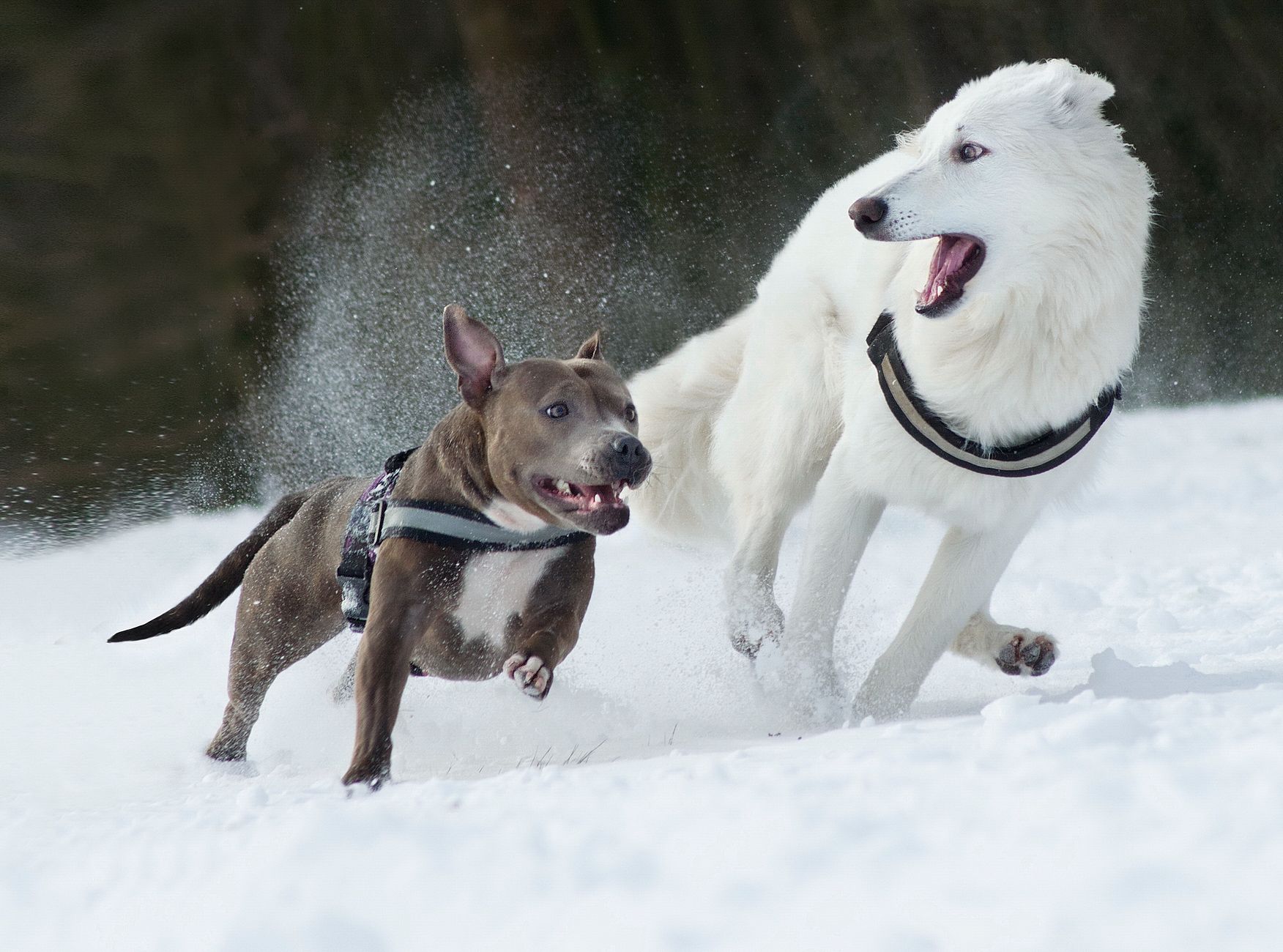
The ultimate solution is never a tighter leash, a harsher correction, or a physical alpha roll. The absolute secret to training a reactive dog is identifying their exact "threshold distance," completely avoiding forced interactions, and utilizing the Engage-Disengage game to rewire their panic response into positive anticipation. True rehabilitation requires stopping the daily rehearsal of the lunging behavior by controlling the physical environment and heavily rewarding calm observation.
To instantly visualize this complex behavioral strategy, here is a quick overview mind map.
🧠 Overview Mind Map: The Reactive Dog Matrix
- The Root Cause: Reactivity is almost always driven by deep fear, insecurity, or leash frustration, not inherent aggression.
- The Threshold: The exact physical distance where the dog notices a trigger but can still eat a treat and disengage.
- The Golden Rule: Never punish a bark or a growl; punishing the warning only increases the dog's underlying terror.
- The Core Strategy: Desensitization and Counter-Conditioning (DS/CC) paired with massive environmental management.
- The Safety Gear: A properly fitted front-clip harness paired with a standard six-foot nylon leash.
Advanced Insight #1: The 72-Hour Cortisol Vacation
Generic training advice tells owners to simply "expose them to more dogs" to get them used to the triggers. This terrifying strategy, known clinically as flooding, causes massive psychological damage to a reactive dog. Every single time a dog barks and lunges on a walk, their brain is flooded with a massive, highly toxic dose of cortisol and adrenaline.
These stress hormones do not magically vanish when the dog returns to the safety of the living room. It takes up to 72 hours for a major cortisol spike to completely leave a canine's bloodstream after a severe lunging episode. If a dog reacts violently on Monday, taking them for another neighborhood walk on Tuesday guarantees an even worse explosion because their system remains primed for a fight.
The most advanced intervention is the "Cortisol Vacation." After a severe reactive episode, completely halt all neighborhood walks for three full days. Replace the physical walks with intense indoor mental enrichment, such as frozen puzzle toys and complex scent-work games, to allow the nervous system to biologically reset.
🚨 Vet Fact: Chronic stress from daily reactive episodes severely suppresses a dog's immune system. Dogs living in a constant state of hyper-arousal are significantly more prone to recurring ear infections, severe gastrointestinal distress, and chronic, itchy skin allergies.
Understanding the Threshold Distance Bubble
Every reactive dog possesses an invisible bubble around them known as their critical threshold. Outside this physical bubble, the dog can see a trigger, like a passing Golden Retriever, and remain completely calm. Inside this bubble, the dog's brain instantly flips into "fight or flight" mode, and all rational learning completely stops.
The exact size of this bubble changes daily based on exactly how much stress the dog has previously endured. If the dog is under threshold, they will readily accept high-value treats and easily look up at the handler. If they refuse premium roast beef and their body goes completely rigid, they have crossed the threshold and are actively panicking.
Training can only occur entirely outside the threshold bubble. If the dog is already barking and thrashing at the end of the leash, the training opportunity is completely dead for that moment. The only goal at that precise second is immediate physical management and rapidly creating massive distance from the trigger.
Advanced Insight #2: The Emergency U-Turn Strategy
Most owners naturally freeze when an unexpected dog suddenly turns the corner. They tighten the leash, hold their breath, and tense their shoulders while waiting for their dog to explode. This immense physical tension travels straight down the leash, instantly communicating total panic to the dog.
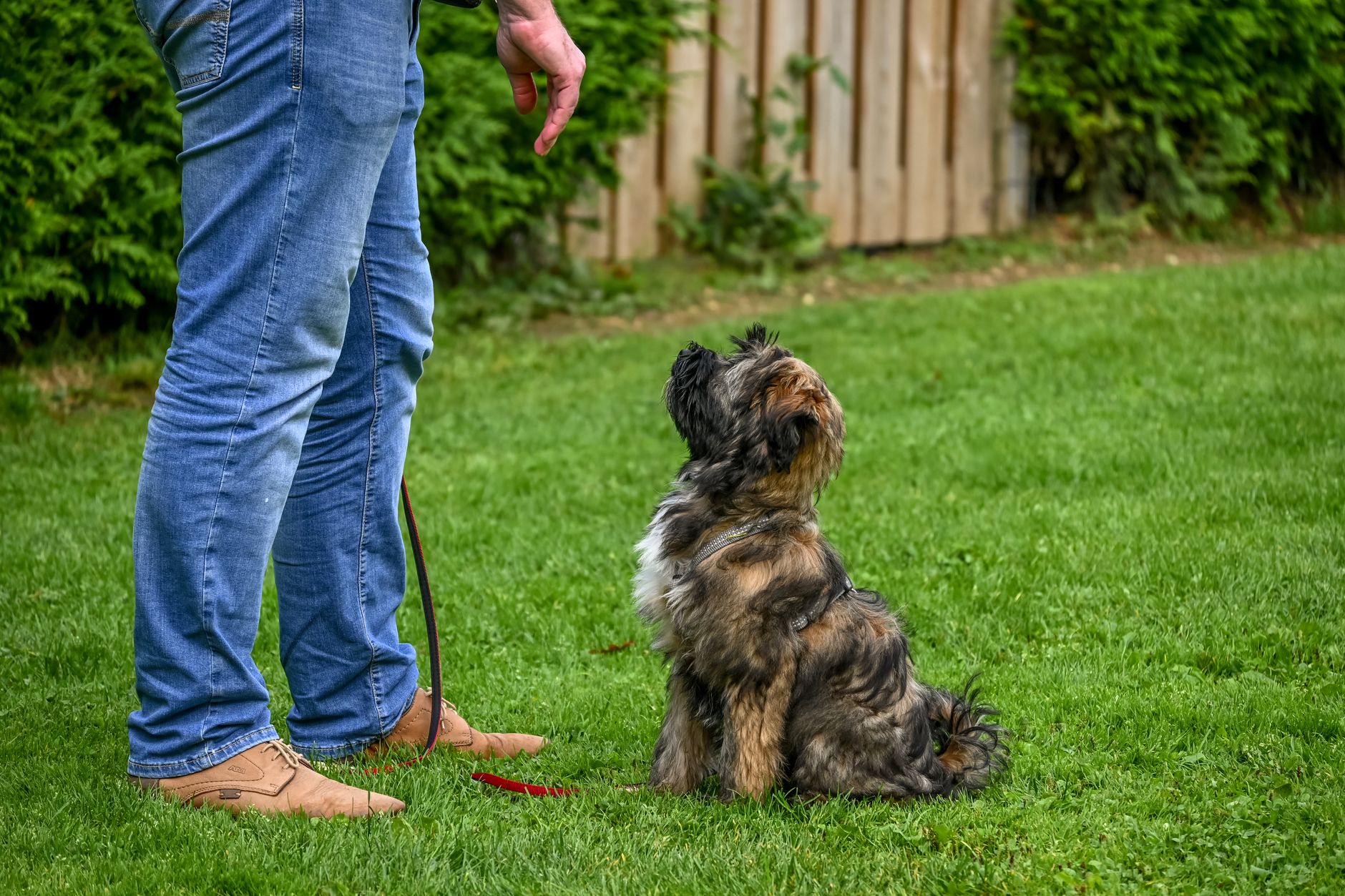
Elite behaviorists teach the "Emergency U-Turn" as a heavily rehearsed, highly rewarding evasion game. Before ever trying this maneuver around actual triggers, practice endlessly in a completely empty hallway or a quiet backyard. The handler cheerfully says a bright cue word like "Let's Go!" and immediately turns 180 degrees, briskly walking in the opposite direction.

The precise second the dog turns and follows the handler, they are showered with massive verbal praise and a jackpot of premium treats. The goal is to build an automatic, undeniable muscle memory response to that specific verbal cue. When a trigger suddenly appears on a real walk, the handler simply executes the U-turn, pivoting the dog away from danger before the brain ever has a chance to react.
🐾 Snoutbit Pro-Tip: Immediately throw away all retractable flexi-leashes when dealing with a reactive dog. These leashes actively teach a dog to pull against constant tension and offer absolutely zero physical control when a dog suddenly lunges at a passing bicycle.
The Chicago Frenchie Rehabilitation
Consider an energetic French Bulldog living in a bustling Chicago apartment complex with constant street traffic. The dog developed severe reactivity toward skateboards, frantically lunging and screaming every time one rolled past the local park. The owner originally tried forcing the dog into a strict, stationary "sit" as the skateboards passed, which only amplified the Frenchie's terror of feeling physically trapped.
The behavioral rehabilitation strategy required abandoning the stationary "sit" command entirely. The owner began utilizing the Emergency U-Turn the exact second the grinding wheels of a skateboard were heard in the distance. By constantly moving away and rewarding the dog heavily for following, the Frenchie learned that skateboards were simply the cue to turn around and get paid with fresh chicken.
Eventually, the Frenchie began voluntarily turning away from the skateboards to look at the owner without any verbal prompting required. The perceived threat was completely neutralized through fluid movement and distance management rather than forced, highly stressful confrontation.
Decoding Pre-Reaction Body Language
Dogs possess a highly sophisticated language of discomfort long before a reaction ever occurs. Reactivity is incredibly rarely an instantaneous, completely unpredictable explosion. Handlers simply miss the subtle, polite canine warnings entirely until it is too late to intervene.
The warning ladder starts with silent, anxious signals like rapid lip licking, "whale eye," and a suddenly closed, tight mouth. If those initial signals are ignored, the dog's posture becomes rigidly stiff, leaning their body weight forward toward the trigger. Once the weight shifts entirely to the front paws and the ears pin hard forward, a violent explosion is guaranteed within seconds.
Recognizing these subtle micro-signals allows handlers to execute an Emergency U-Turn long before the dog crosses the emotional threshold. Waiting for the dog to start low-growling means the window for easy redirection has already permanently closed. Always watch the dog's ears, tail base, and mouth tension for the earliest signs of environmental stress.
🚨 Vet Fact: Undiagnosed physical pain is a massive, hidden trigger for sudden-onset reactivity in adult dogs. If a historically peaceful dog suddenly begins lunging at strangers, demand a comprehensive veterinary orthopedic exam and a full thyroid panel to rule out silent agony.
Advanced Insight #3: Fear Reactivity vs. Frustration Reactivity
Treating all reactivity exactly the same is a massive clinical error that heavily delays rehabilitation. A dog lunging at the end of a leash is not always doing so out of sheer terror or aggression. Many highly social breeds suffer from "barrier frustration," which looks identical to aggressive fear but stems from a completely different underlying emotion.
A frustrated greeter actually desperately wants to play with the other dog or person across the street. However, the physical restriction of the leash prevents them from acting out their natural canine greeting behaviors. This immense physical frustration builds up rapidly and boils over into frantic barking, spinning, and lunging.
Fear reactivity, conversely, is a desperate attempt to create immediate distance from a terrifying threat. The dog barks aggressively to scream, "Stay away from me!" Knowing exactly which core emotion is driving the outward behavior dictates the entire training protocol, reward system, and recovery timeline.
The Engage-Disengage Game
The ultimate weapon in the behaviorist toolkit is the Engage-Disengage game. This science-backed protocol completely changes the dog's underlying emotional response to their absolute worst triggers. It requires absolute control over the physical environment and incredibly high-value treats, like boiled chicken or freeze-dried liver.
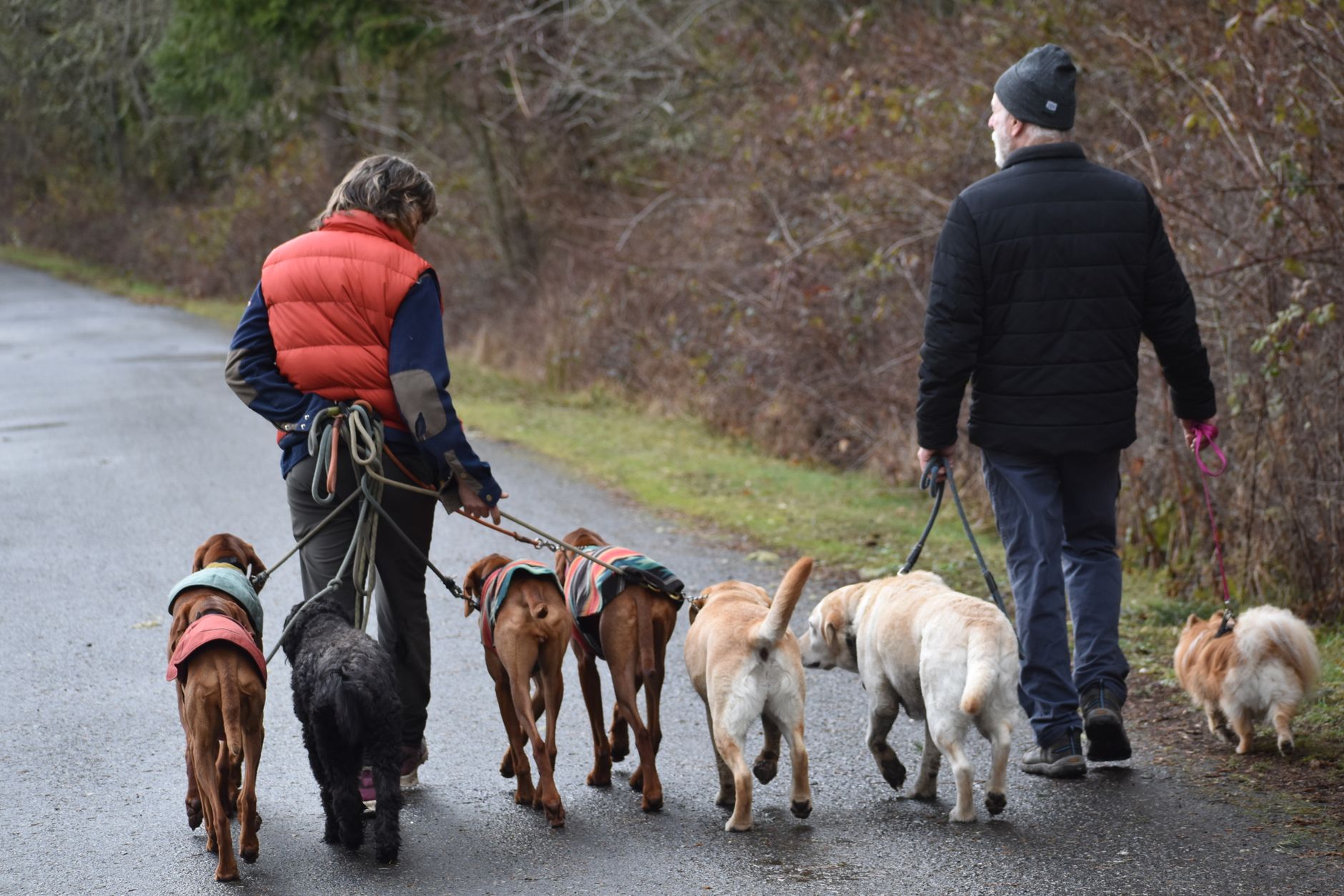
Find a highly controlled environment, like the far corner of a massive, empty park, where triggers can be seen safely from hundreds of feet away.
- Step 1: The exact moment the dog notices the trigger in the distance, immediately click a training clicker or use a sharp verbal marker like "Yes!".
- Step 2: Within one second, hand the dog a premium, highly pungent treat.
- Step 3: Repeat this exact process every single time the dog chooses to look at the trigger from a safe distance.
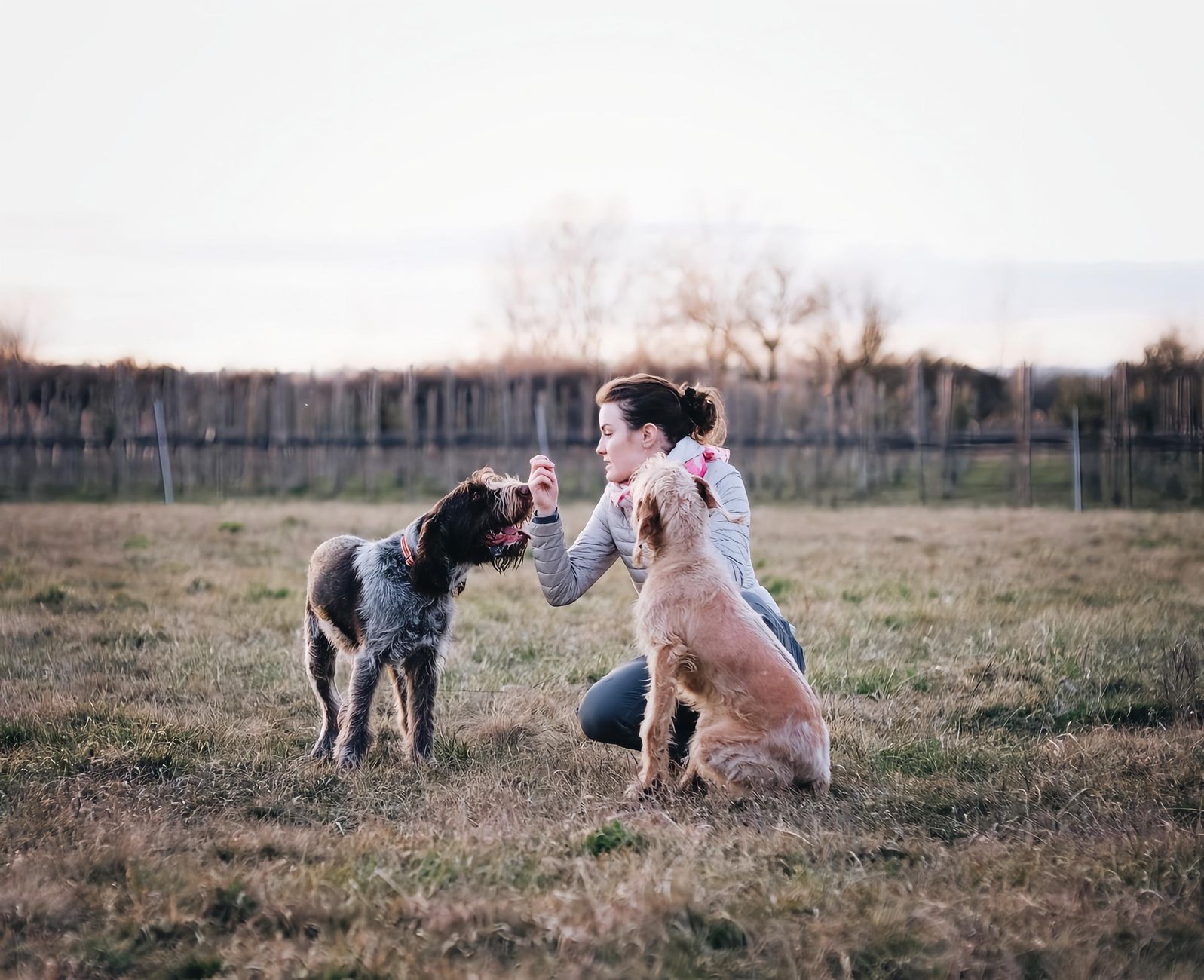
The dog's brain quickly learns that the scary object magically produces premium snacks. Soon, the dog spots the trigger and voluntarily snaps their head back to the handler in eager anticipation of the massive reward. The trigger has successfully transformed from a terrifying threat into a highly profitable, highly positive cue.
The Seattle Golden Retriever Success
A rescued Golden Retriever living in a dense Seattle neighborhood suffered from intense fear reactivity toward men wearing large hats. The dog would panic and thrash violently at the end of the leash whenever a construction worker or delivery driver walked by. The owners felt completely trapped inside their own home, unable to safely walk their dog during daylight hours.
They implemented a strict Engage-Disengage routine from the safety of their elevated front porch, sitting far enough back that the dog felt completely secure. Every time a person in a hat walked down the distant sidewalk, it rained hot dog pieces directly onto the porch floor. The Golden Retriever's brain slowly rewired, firmly associating the terrifying hats with an avalanche of delicious, free food.
Within three months of consistent, heavily distance-managed counter-conditioning, the dog's threshold bubble shrank dramatically. The owners could finally walk the dog down the busy suburban sidewalk without a single lunging episode or panicked retreat.
What To Do Next
- Implement a Cortisol Vacation: If the dog had a severe lunging episode today, immediately cancel all neighborhood walks for the next 72 hours. Replace the outdoor exercise with indoor scent games, obedience drills, and frozen stuffed puzzle toys to allow their highly stressed nervous system to completely reset.
- Upgrade the Walking Gear: Ditch the standard neck collar and retractable leash immediately. Purchase a heavy-duty, front-clipping harness and a standard six-foot nylon leash to guarantee total physical control without causing dangerous, irreversible damage to the dog's trachea during a sudden lunge.
Disclaimer: The content on Snoutbit.com is for informational and educational purposes only and is not intended to replace professional veterinary advice, diagnosis, or treatment. Always consult with your veterinarian before making significant changes to your dog’s diet, exercise routine, or health regimen.