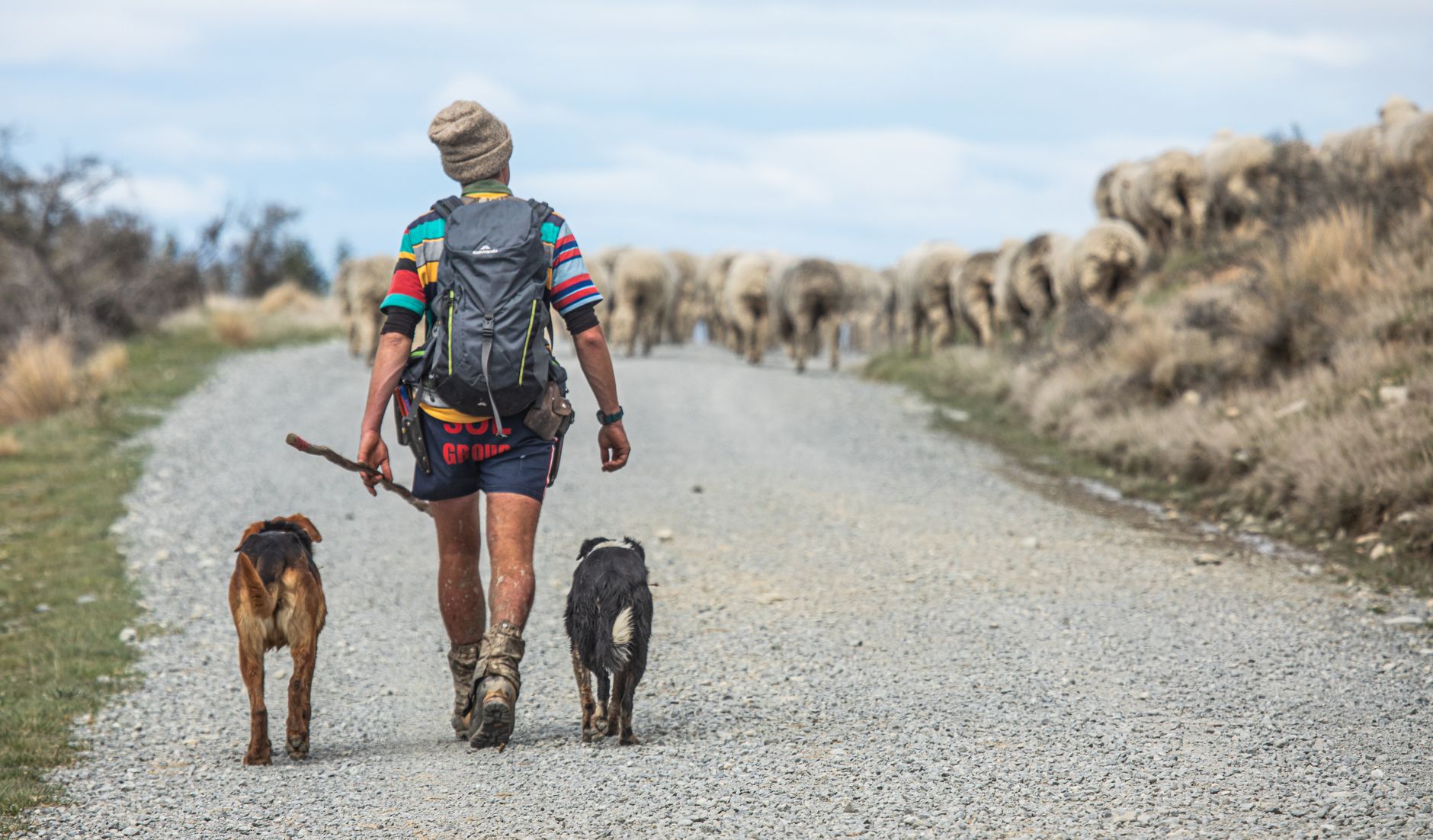
13 Dog Breeds Happiest With a Purpose: Working Breeds That Thrive
Introduction
Some dogs aren't content with a leisurely stroll around the block. Working breeds often possess intelligence, energy, determination, and instincts developed through generations of herding, guarding, retrieving, tracking, or assisting people (iHeartDogs). These dogs were bred to do a job, and when they don't have one, they can become bored, restless, and even destructive.
The good news? You don't need a farm or a police badge to give your dog a sense of purpose. From herding balls to scent work, there are countless ways to channel your dog's natural talents. In this article, we'll explore 13 breeds that truly come alive when they have a job to do. We'll look at herding and livestock breeds, guardian and protection breeds, retrieving and sporting breeds, and one remarkable northern endurance breed. You'll also learn practical tips for giving your dog a purpose through activities, training, and routines. Whether you're a seasoned dog owner or considering one of these breeds, understanding their working roots is the key to a happy, fulfilled companion.
Why Working Breeds Need a Purpose
Working breeds were developed over generations to perform specific tasks. Their intelligence, energy, determination, and instincts are not accidental—they are the result of selective breeding for herding, guarding, retrieving, tracking, or assisting people (iHeartDogs). When these dogs are given a job, they flourish. Without one, they can become frustrated and engage in unwanted behaviors.
The key is to provide structured physical and mental engagement that mimics the work they were born to do. This doesn't mean you need to own livestock or join the military. It means finding activities that tap into your dog's natural drives. For example, a herding breed might enjoy agility or trick training, while a retriever might thrive with scent work or fetching games. The specific activity matters less than the opportunity to use their instincts.
Working breeds are problem-solvers; they want to think, move, and cooperate with their humans. By understanding your dog's heritage, you can create a fulfilling life that keeps their body and mind active. In the sections that follow, we'll meet 13 breeds that are happiest when they have a purpose, and we'll explore the activities that bring out their best.
Herding and Livestock Breeds
Herding breeds were developed to control livestock, and they possess incredible stamina, intelligence, and responsiveness. These dogs thrive when given a job that challenges their minds and bodies.
Border Collie
Border Collies have an extraordinary reputation for intelligence and work ethic, traits developed through generations of controlling livestock. They flourish with herding, agility, obedience, disc games, scent work, or advanced trick training (iHeartDogs). If you share your life with a Border Collie, you'll quickly learn that a simple walk isn't enough. They need to think, learn, and move with purpose. Herding is their first love, but if livestock isn't available, agility or advanced trick training can satisfy their need to work. Their focus and drive make them stars in canine sports.
Australian Shepherd
Australian Shepherds were developed for demanding ranch work and possess stamina, responsiveness, agility, and strong problem-solving abilities. They enjoy herding, obedience, agility, hiking, trick training, and interactive games (iHeartDogs). These dogs are versatile and eager to please, making them excellent partners for active families. They need both physical and mental challenges to stay happy.
Australian Cattle Dog
Australian Cattle Dogs were developed to move cattle across difficult Australian terrain, requiring tremendous stamina, confidence, intelligence, toughness, and decision-making ability (iHeartDogs). They are independent thinkers who can handle tough jobs. Without a purpose, they can become bored and creative in ways you might not appreciate. Give them a job—herding, agility, or even advanced obedience—and they'll shine.
Shetland Sheepdog
Shetland Sheepdogs were developed to work around farms in the Shetland Islands and thrive with agility, obedience, herding, rally, trick training, and interactive games (iHeartDogs). Despite their smaller size, they have big hearts and a strong work ethic. They are sensitive and responsive, making them wonderful companions for owners who enjoy training and playing together.
Guardian and Protection Breeds
Guardian breeds were developed to protect people and property. They are confident, powerful, and highly trainable. They need a job that challenges their minds and bodies.
German Shepherd
German Shepherds were developed as versatile working dogs and succeed in police work, military service, search and rescue, detection, assistance work, obedience, tracking, and protection activities (iHeartDogs). Their intelligence and versatility make them invaluable partners in many fields. For pet owners, obedience, tracking, and protection sports can provide a sense of purpose.
Belgian Malinois
Belgian Malinois are intensely driven working dogs with speed, intelligence, stamina, agility, and responsiveness. They require far more structured physical and mental engagement than casual exercise alone (iHeartDogs). These dogs are not for the faint of heart. They need a job—whether it's protection sports, scent work, or advanced obedience—and they need it daily. Without it, they can become overwhelming.
Doberman Pinscher
Doberman Pinschers were intentionally developed as personal protection dogs and excel in obedience, tracking, scent work, agility, and structured protection sports with qualified training (iHeartDogs). They are elegant, athletic, and deeply loyal. With proper training, they make outstanding companions for owners who are committed to giving them a purpose.
Retrieving and Sporting Breeds
Retrieving breeds were developed to work closely with humans, retrieving game and assisting with various tasks. They are eager to please and thrive on cooperation.
Labrador Retriever
Labrador Retrievers were originally developed to assist with retrieving work around water and combine athleticism, trainability, enthusiasm, a capable nose, and a natural desire to carry objects (iHeartDogs). Their friendly nature and work ethic make them perfect for families. They excel in retrieving games, scent work, and obedience.
Golden Retriever
Golden Retrievers' retrieving background encouraged cooperation, responsiveness, endurance, gentle carrying ability, and willingness to work closely with people. They succeed in assistance work, therapy, search activities, obedience, scent work, and canine sports (iHeartDogs). Their gentle nature and eagerness to please make them wonderful therapy dogs and active companions.
English Springer Spaniel
English Springer Spaniels were developed to locate and flush game for hunters, demanding stamina, responsiveness, enthusiasm, scenting ability, and close cooperation with human partners (iHeartDogs). They are energetic and affectionate, thriving when they have a job to do. Scent work, agility, and obedience are great outlets.
Northern and Endurance Breeds
Some breeds were developed to travel long distances in harsh conditions. They possess exceptional endurance and a love for movement.
Siberian Husky
Siberian Huskies were developed to pull light loads across long distances in harsh northern conditions, giving them exceptional endurance, athletic ability, teamwork instincts, and enthusiasm for sustained movement (iHeartDogs). These dogs are born to run. They need plenty of exercise and a job that challenges their stamina. Canicross, bikejoring, or simply long hikes can help satisfy their need for movement.
How to Give Your Dog a Purpose: Activities, Training, and Routines
Giving your dog a purpose doesn't require a farm or a uniform. It's about tapping into their natural instincts and providing structured activities that challenge their mind and body. Here are some ideas based on the breeds we've covered:
- Herding breeds (Border Collie, Australian Shepherd, Australian Cattle Dog, Shetland Sheepdog) thrive with herding, agility, obedience, rally, trick training, disc games, scent work, hiking, and interactive games (iHeartDogs).
- Guardian breeds (German Shepherd, Belgian Malinois, Doberman Pinscher) excel in obedience, tracking, scent work, agility, protection sports, police work, military service, search and rescue, detection, and assistance work (iHeartDogs).
- Retrieving breeds (Labrador Retriever, Golden Retriever, English Springer Spaniel) enjoy retrieving games, scent work, obedience, assistance work, therapy, search activities, and canine sports (iHeartDogs).
- Northern breeds (Siberian Husky) need sustained movement like running, hiking, or pulling sports (iHeartDogs).
Beyond specific activities, establish routines that include daily training, problem-solving games, and physical exercise. Remember, working breeds need more than just physical exertion—they need mental engagement. A tired dog is a good dog, but a mentally satisfied dog is a happy dog.
Summary Table: Breed Groups and Suggested Activities
| Breed Group | Example Breeds | Suggested Activities |
|---|---|---|
| Herding | Border Collie, Australian Shepherd, Australian Cattle Dog, Shetland Sheepdog | Herding, agility, obedience, rally, trick training, disc games, scent work, hiking, interactive games |
| Guardian | German Shepherd, Belgian Malinois, Doberman Pinscher | Obedience, tracking, scent work, agility, protection sports, police/military work, search and rescue, detection, assistance work |
| Retrieving/Sporting | Labrador Retriever, Golden Retriever, English Springer Spaniel | Retrieving games, scent work, obedience, assistance work, therapy, search activities, canine sports |
| Northern/Endurance | Siberian Husky | Running, hiking, canicross, bikejoring, pulling sports |
Frequently Asked Questions
Q: Do all working breeds need a "job"? A: While not every individual dog will exhibit the same drive, breeds developed for specific tasks generally have a strong need for mental and physical stimulation. Providing a purpose helps prevent boredom and destructive behaviors.
Q: Can I give my working breed a job without livestock or a farm? A: Absolutely. Activities like agility, obedience, scent work, trick training, and interactive games can satisfy their instincts. Even a structured daily routine with problem-solving tasks can make a difference.
Q: How much exercise does a working breed need? A: It varies by breed and individual, but most working breeds need at least 1-2 hours of vigorous exercise daily, plus mental challenges. Breeds like Border Collies and Belgian Malinois may need more.
Q: What are signs my dog is bored? A: Destructive chewing, excessive barking, digging, pacing, and ignoring commands can indicate boredom. Increase mental and physical stimulation to address these behaviors.
Q: Are working breeds good for first-time owners? A: Some can be, but they require commitment to training and exercise. Breeds like Labrador Retrievers and Golden Retrievers are often more forgiving, while Belgian Malinois and Border Collies may be better suited to experienced owners.
Conclusion
Working breeds are extraordinary partners when their needs are met. By understanding their heritage and providing appropriate outlets, you can help your dog live a happy, fulfilled life. Whether you choose a herding breed, a guardian, a retriever, or a northern endurance dog, remember that a purpose-driven life is the key to their well-being. For more tips on keeping your dog engaged, check out our guides on puzzle feeders for dogs and hands-free dog leash for running.
This article was written by Angeline Docot and published on September 11, 2026, on iHeartDogs.com (iHeartDogs).
Source: iHeartDogs


