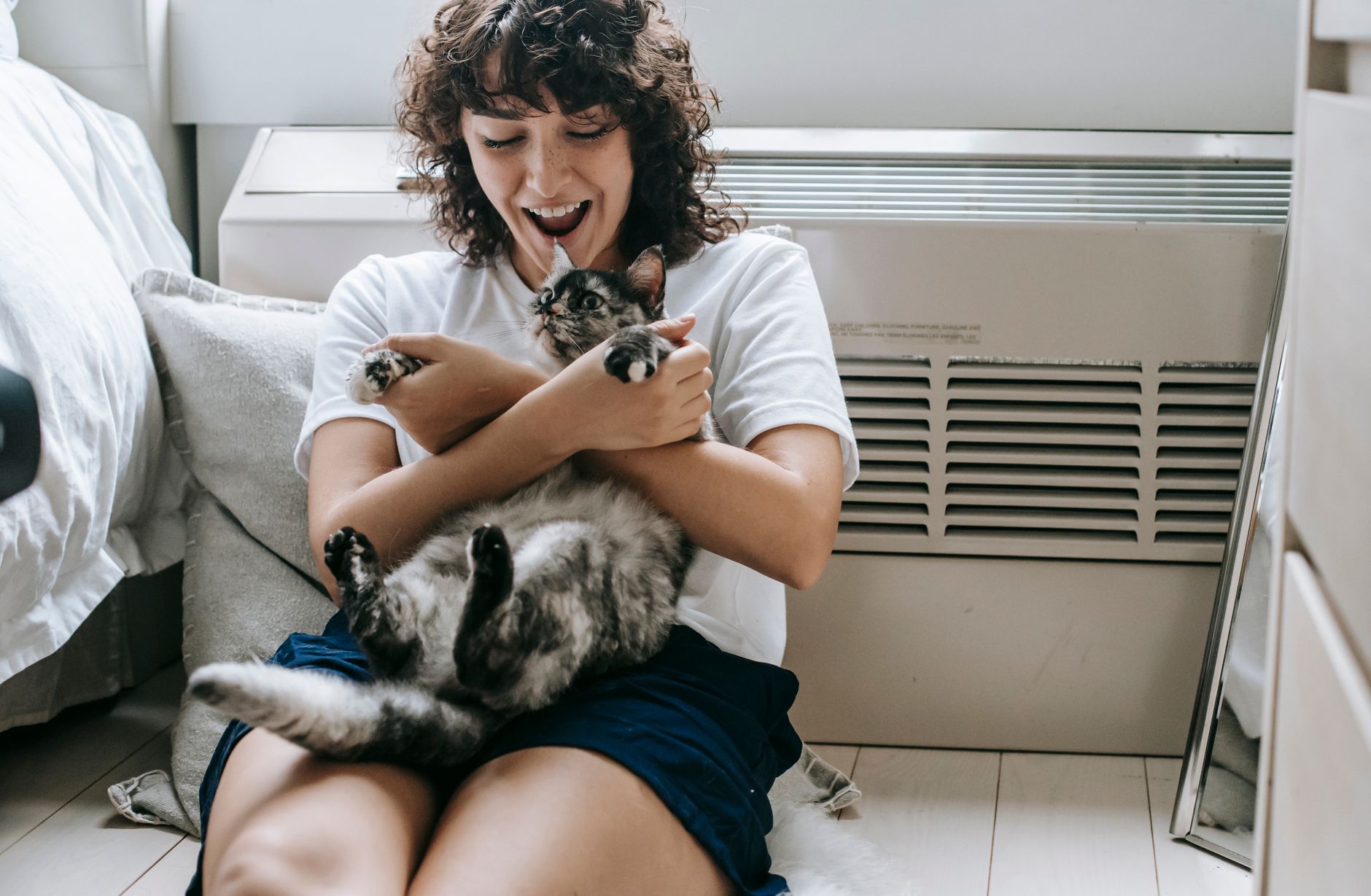
Does Your Pet Ruin Your Home’s Air? How Air Purifiers Fix Dander and Odors
Living with pets brings immense joy, but it also introduces unique challenges when it comes to maintaining a clean and healthy home environment. Pet dander, fur, odors, and potential allergens can significantly impact indoor air quality. Portable air purifiers designed specifically for pet owners, coupled with effective home cleaning strategies, are essential tools for mitigating these issues and creating a comfortable and safe space for both humans and animals. This article explores the latest advancements in portable air purifiers, best practices for pet-related home cleaning, and strategies for optimizing life with pets while minimizing the impact on indoor air quality and overall household cleanliness.
Understanding the Impact of Pets on Indoor Air Quality and the Role of Portable Air Purifiers
Pets significantly contribute to indoor air pollution. Their dander, saliva, and urine contain allergens that can trigger allergic reactions and respiratory issues in sensitive individuals. Additionally, pets track in dirt, pollen, and other outdoor contaminants, further compromising air quality. Portable air purifiers, particularly those equipped with HEPA filters and activated carbon filters, play a crucial role in removing these pollutants.
The Science Behind Air Purification for Pet Owners
High-Efficiency Particulate Air (HEPA) filters are the cornerstone of effective air purification. They are designed to capture at least 99.97% of particles 0.3 microns in diameter, including pet dander, dust mites, pollen, and mold spores. Activated carbon filters, on the other hand, excel at absorbing odors, volatile organic compounds (VOCs), and gases released from pet accidents, cleaning products, and other household sources.
- HEPA Filtration: The effectiveness of HEPA filters depends on their ability to trap microscopic particles. Look for air purifiers that use true HEPA filters, as opposed to "HEPA-type" or "HEPA-like" filters, which may not meet the same stringent standards. Some advanced HEPA filters are also infused with antimicrobial agents to further inhibit the growth of bacteria and mold.
- Activated Carbon Filtration: The quality and quantity of activated carbon used in the filter significantly impact its odor-absorbing capabilities. Granular activated carbon (GAC) filters are generally more effective than carbon cloth filters, as they offer a larger surface area for adsorption. Some air purifiers also incorporate specialized activated carbon filters infused with zeolites or other materials to enhance their ability to remove specific odors, such as ammonia from pet urine.
- Pre-Filters: Many portable air purifiers include a pre-filter to capture larger particles like pet hair and dust. This helps to extend the life of the HEPA and activated carbon filters by preventing them from becoming clogged prematurely. Regular cleaning or replacement of the pre-filter is crucial for maintaining optimal air purifier performance.
- CADR Ratings: The Clean Air Delivery Rate (CADR) is a standardized metric that indicates how quickly an air purifier can clean a room of a specific size. It measures the volume of clean air that the purifier produces per minute. When selecting an air purifier, choose one with a CADR rating that is appropriate for the size of the room in which it will be used. Higher CADR ratings indicate faster cleaning and are generally recommended for larger spaces or homes with multiple pets.
Choosing the Right Air Purifier for Your Needs
Selecting the best portable air purifier for a home with pets requires careful consideration of several factors:
- Room Size: Determine the square footage of the room(s) where the air purifier will be used. Consult the manufacturer's specifications to ensure that the purifier is appropriately sized for the space. Using an undersized air purifier will result in inadequate air cleaning, while using an oversized purifier may be unnecessarily expensive.
- Filter Type: Opt for an air purifier that combines HEPA and activated carbon filtration for comprehensive air cleaning. Consider models with specialized filters designed to target specific pet-related odors and allergens.
- Noise Level: Air purifiers can generate noise, especially at higher fan speeds. Look for models with a low noise rating, particularly if you plan to use the purifier in a bedroom or other quiet space.
- Features: Some air purifiers offer additional features such as automatic mode, which adjusts the fan speed based on the detected air quality, and sleep mode, which operates the purifier at a low speed and dims the lights.
- Maintenance: Consider the ease of filter replacement and cleaning. Choose models with readily available replacement filters and simple maintenance procedures. Filter replacement frequency will vary depending on the air quality and the frequency of use, but it is generally recommended to replace HEPA filters every 6-12 months and activated carbon filters every 3-6 months.
Advanced Air Purification Technologies
Beyond HEPA and activated carbon filtration, some air purifiers incorporate advanced technologies to further enhance their cleaning capabilities:
- UV-C Light: Ultraviolet-C (UV-C) light is a germicidal technology that can kill bacteria, viruses, and mold spores. Some air purifiers use UV-C lamps to disinfect the air as it passes through the filter. However, the effectiveness of UV-C light depends on the intensity of the lamp and the duration of exposure.
- Ionizers: Ionizers release negatively charged ions into the air, which attach to airborne particles and cause them to clump together and fall to the ground. While ionizers can help to remove particles from the air, they may also produce ozone, a respiratory irritant. It is crucial to choose ionizers that produce very low levels of ozone or that are certified as ozone-free.
- PECO Technology: Photo Electrochemical Oxidation (PECO) technology uses a combination of UV light and a catalyst to break down pollutants at the molecular level. PECO technology is claimed to be effective at removing a wider range of pollutants than traditional HEPA and activated carbon filters, including VOCs and odors.
Effective Home Cleaning Strategies for Pet Owners
While portable air purifiers help to improve indoor air quality, they are not a substitute for regular home cleaning. Implementing effective cleaning strategies is essential for controlling pet dander, odors, and other allergens.
Regular Vacuuming: The First Line of Defense
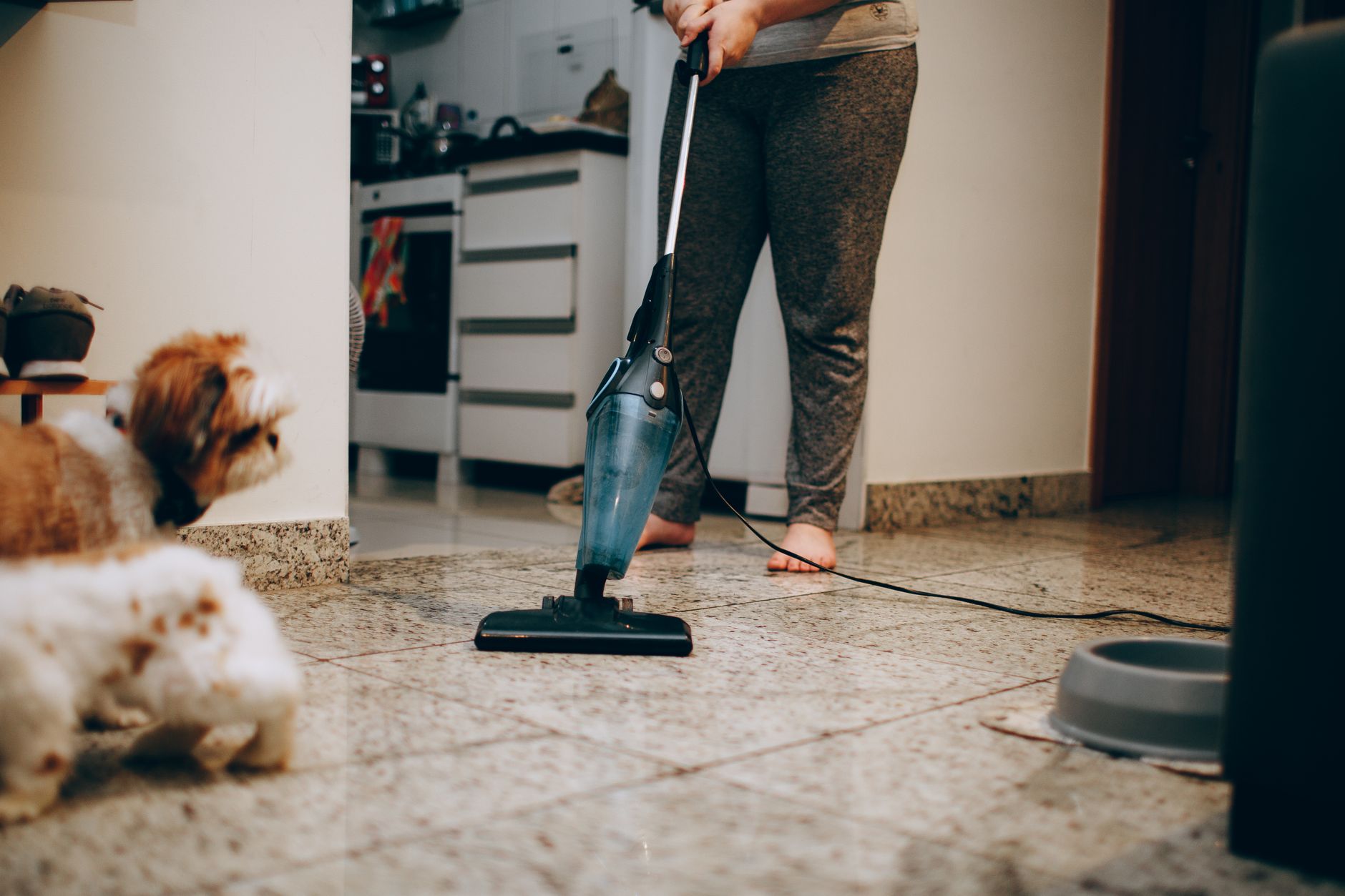
Vacuuming is the most important cleaning task for pet owners. It removes pet hair, dander, and other debris from carpets, rugs, and upholstery.
- Choose the Right Vacuum: Opt for a vacuum cleaner with a HEPA filter to trap allergens and prevent them from being released back into the air. Consider a vacuum with a motorized brush head for effective cleaning of carpets and rugs.
- Frequency: Vacuum high-traffic areas and pet bedding at least twice a week. Vacuum the entire house at least once a week.
- Specialized Tools: Use crevice tools and upholstery attachments to reach tight spaces and clean furniture thoroughly.
Controlling Pet Odors
Pet odors can be a persistent problem in homes with pets. Addressing the source of the odor is crucial for effective odor control.
- Clean Up Accidents Immediately: Accidents happen. Clean up urine, feces, and vomit immediately to prevent odors from becoming ingrained in carpets and upholstery. Use an enzymatic cleaner specifically designed for pet stains and odors. These cleaners contain enzymes that break down the organic compounds that cause odors.
- Wash Pet Bedding Regularly: Pet bedding can accumulate dander, dirt, and odors. Wash pet bedding at least once a week in hot water with a pet-safe detergent.
- Air Out the House: Open windows and doors to ventilate the house and remove stale air.
- Baking Soda: Baking soda is a natural odor absorber. Sprinkle baking soda on carpets and upholstery, let it sit for several hours, and then vacuum it up.
- Activated Carbon: Place bowls of activated carbon in areas where pet odors are prevalent. The activated carbon will absorb odors from the air. Replace the activated carbon regularly.
Surface Cleaning and Disinfection
Regular surface cleaning and disinfection are essential for removing pet dander, allergens, and germs.
- Dusting: Dust surfaces regularly to remove pet dander and dust. Use a damp cloth to avoid spreading dust into the air.
- Mopping: Mop floors regularly to remove dirt, spills, and pet messes.
- Disinfecting: Disinfect surfaces that are frequently touched by pets, such as food bowls, water bowls, and toys. Use a pet-safe disinfectant.
Minimizing Pet Dander
Pet dander is a major allergen for many people. Reducing the amount of pet dander in the home can significantly improve air quality and reduce allergy symptoms.
- Regular Grooming: Brush your pet regularly to remove loose hair and dander. Grooming outdoors can help to prevent dander from spreading throughout the house.
- Bathing: Bathe your pet regularly to remove dander and allergens from their skin and fur. Use a pet-safe shampoo that is designed to control dander.
- Designated Pet Areas: Limit your pet's access to certain areas of the house, such as bedrooms, to reduce the spread of dander.

Optimizing Life with Pets While Maintaining a Clean and Healthy Home
Living with pets should be a source of joy, not stress. By implementing effective cleaning strategies and utilizing portable air purifiers, you can create a healthy and comfortable home environment for both you and your furry companions.
Choosing Pet-Friendly Furnishings and Materials
The materials you choose for your home can significantly impact the ease of cleaning and the accumulation of pet hair and dander.
- Flooring: Hardwood floors, tile, and laminate are easier to clean than carpets. Consider using area rugs that can be easily washed or replaced.
- Upholstery: Choose upholstery fabrics that are resistant to stains and odors, such as microfiber or leather. Avoid fabrics with intricate textures that can trap pet hair.
- Paint: Use washable paint on walls to make it easier to clean up pet messes.
Establishing a Consistent Cleaning Routine
Creating a consistent cleaning routine is essential for maintaining a clean and healthy home.
- Daily Tasks: Quick daily tasks, such as wiping up spills, emptying litter boxes, and spot-cleaning pet messes, can help to prevent odors and stains from becoming ingrained.
- Weekly Tasks: Weekly tasks, such as vacuuming, mopping, dusting, and washing pet bedding, can help to control pet dander and allergens.
- Monthly Tasks: Monthly tasks, such as deep cleaning carpets and upholstery, can help to remove stubborn stains and odors.
Training Your Pet
Training your pet can help to reduce messes and damage in the home.
- Potty Training: Potty train your pet to eliminate outdoors or in designated areas.
- Scratching Posts: Provide scratching posts for cats to prevent them from scratching furniture.
- Chew Toys: Provide chew toys for dogs to prevent them from chewing on furniture and other household items.
Investing in Pet-Friendly Products
A variety of pet-friendly products are available to help you keep your home clean and healthy.
- Pet-Safe Cleaning Products: Use cleaning products that are specifically designed for pet owners. These products are typically non-toxic and free of harsh chemicals that can harm pets.
- Automatic Litter Boxes: Automatic litter boxes can help to control odors and reduce the frequency of litter box cleaning.
- Pet Hair Removers: A variety of pet hair removers are available, such as lint rollers, rubber brooms, and pet hair vacuums.
Monitoring Air Quality
Consider using an air quality monitor to track the levels of pollutants in your home. This can help you to identify potential problems and adjust your cleaning and air purification strategies accordingly.
Seeking Professional Help
If you are struggling to maintain a clean and healthy home, consider seeking professional help. Professional cleaners can provide deep cleaning services that can remove stubborn stains and odors. Allergists can help you to identify and manage pet allergies.
Conclusion
Living harmoniously with pets requires a proactive approach to home cleaning and air quality management. Portable air purifiers equipped with HEPA and activated carbon filters are indispensable tools for removing pet dander, odors, and other allergens from the air. Regular vacuuming, surface cleaning, and odor control strategies are equally important for maintaining a clean and healthy home environment. By choosing pet-friendly furnishings, establishing a consistent cleaning routine, and training your pet, you can minimize messes and damage. Looking ahead, smart home integration with air purifiers along with AI-powered air quality monitoring will likely become more prevalent, enabling more automated and responsive home environments. Ultimately, the goal is to create a comfortable and safe space for both humans and their beloved animal companions, ensuring they can thrive together in a clean and healthy home.