Chained Dog Rescue: Why Chained Dogs Bite & How to Help
Introduction
Imagine a dog who has spent his entire life at the end of a chain, never knowing kindness, never feeling a gentle touch. Alex, a German Shepherd, was labeled a 'killer guard dog' and was always chained outside (iHeartDogs). His owner no longer approached him due to the danger of being bitten and ripped apart over time (iHeartDogs). When a man discovered Alex's confinement, he volunteered to liberate the dog (iHeartDogs). But as soon as the man walked onto the yard, Alex went into combat mode, charging and trying to bite him (iHeartDogs). What happened next is a powerful lesson about the trauma of chaining dogs and the resilience of the canine spirit. This article explores Alex's story, the rescue attempt, his remarkable transformation, and the psychological toll of chaining dogs. It also explains why chained dogs are more likely to bite. By understanding these facts, we can become better advocates for dogs in need.
The Life of a Chained Dog: Alex's Story
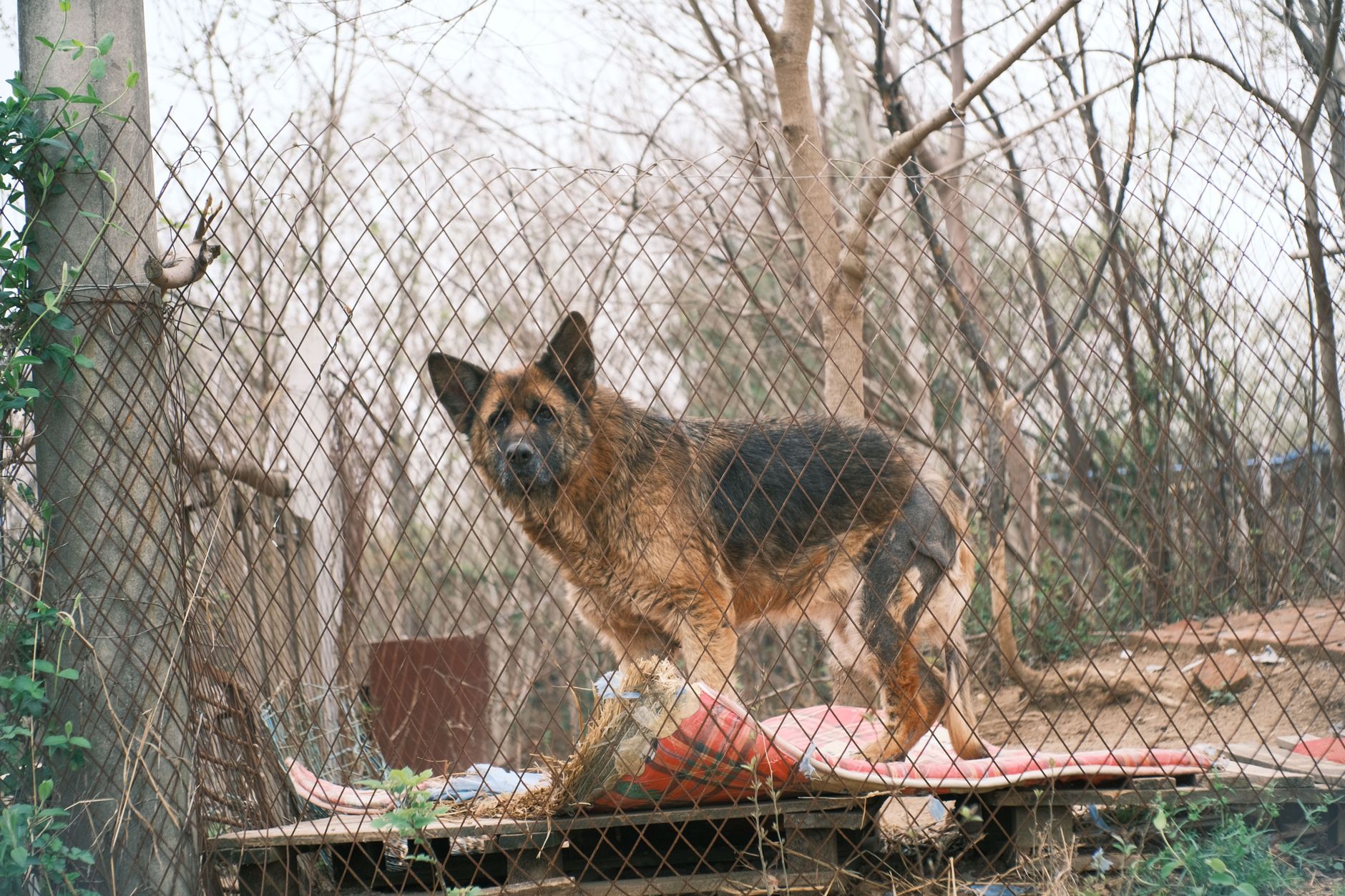
Alex's life was one of isolation and neglect. He was a German Shepherd, a breed known for its loyalty and intelligence, but he was labeled a 'killer guard dog' and was always chained outside his entire life (iHeartDogs). This meant he never had the chance to run, play, or bond with a family. Instead, he lived at the end of a chain, exposed to the elements and deprived of social interaction. His owner no longer approached him due to the danger of being bitten and ripped apart over time (iHeartDogs). This suggests that Alex's behavior had become so defensive that even his owner feared him. The chain became a symbol of his confinement and his growing mistrust of humans. Chaining or cage-training dogs causes significant psychological trauma (iHeartDogs). For Alex, this trauma manifested as aggression—a desperate attempt to protect himself in a world that had given him nothing but pain. His story is not unique; countless dogs suffer similarly, hidden from view. But Alex's life took a turn when a man discovered his confinement and volunteered to liberate him (iHeartDogs). That act of compassion would set the stage for a dramatic and heartwarming transformation.
The Rescue Attempt: Aggression and Breakthrough
When the man arrived to free Alex, he knew it wouldn't be easy. As soon as he walked onto the yard, Alex went into combat mode, charging and trying to bite him (iHeartDogs). This wasn't a dog who understood kindness; he saw every human as a threat. The man had to think quickly. He enticed Alex into a cage with a blanket, then locked him in his car and drove off (iHeartDogs). It was a risky move, but it was the only way to get Alex out of that yard. The man didn't give up, even when faced with such fierce resistance. He understood that Alex's aggression was born from fear and years of trauma, not from a truly vicious nature. What happened next astonished everyone. Only 25 minutes later, Alex walked out of the crate and allowed his rescuer to pet him for the first time (iHeartDogs). In just a short car ride, the dog who had lunged at him began to show a different side. This breakthrough moment highlights the incredible resilience of dogs. It also shows that even the most fearful animals can begin to heal when they are removed from a stressful environment. The man's patience and willingness to take a risk paid off in a way no one could have predicted.
From Aggression to Affection: Alex's Transformation
Alex's transformation continued to unfold. By the following morning, the dog had lost all of his 'aggression' and only wanted hugs and cuddles (iHeartDogs). The same dog who had charged at his rescuer just hours earlier was now seeking affection. This dramatic change is a testament to the power of removing a dog from a traumatic situation. Alex had spent his entire life chained outside, labeled a 'killer guard dog' (iHeartDogs). But once he was free from the chain, he was able to let down his guard. The aggression he displayed was not a permanent part of his personality; it was a survival mechanism. As soon as he felt safe, his true nature emerged—a dog who craved love and companionship. This story is a powerful reminder that behavior is often a product of environment. Chaining or cage-training dogs causes significant psychological trauma (iHeartDogs), and that trauma can manifest as aggression. But when that trauma is addressed with patience and care, dogs can recover. Alex's journey from a lunging, fearful dog to a cuddle-seeking companion is nothing short of miraculous. It also underscores the importance of giving dogs a chance. Many dogs labeled as 'aggressive' are simply scared and in pain. With the right approach, they can become loving pets.
The Psychological Toll of Chaining Dogs
Alex's story is a stark illustration of the psychological toll that chaining takes on dogs. Chaining or cage-training dogs causes significant psychological trauma (iHeartDogs). When a dog is constantly confined, they are deprived of social interaction, exercise, and mental stimulation. This can lead to anxiety, depression, and aggression. Alex was always chained outside his entire life, and he was labeled a 'killer guard dog' (iHeartDogs). That label was likely a result of his desperate attempts to cope with his miserable existence. His owner no longer approached him due to the danger of being bitten and ripped apart over time (iHeartDogs). This shows how the cycle of trauma can escalate: the dog becomes aggressive, the owner becomes fearful, and the dog becomes even more isolated. The psychological damage is profound and often irreversible without intervention. Fortunately for Alex, a man discovered his confinement and volunteered to liberate him (iHeartDogs). That act of kindness broke the cycle. But many dogs are not so lucky. They remain chained, suffering in silence, their psychological wounds growing deeper each day. As dog owners and advocates, we must recognize that chaining is not just a physical restriction—it's a form of cruelty that damages a dog's mind and spirit.
Why Chained Dogs Are More Likely to Bite
One of the most important lessons from Alex's story is that chained dogs are more likely to bite. According to iHeartDogs, chained dogs are more likely to bite and are less able to defend themselves against a predator threat while chained. This is a critical point for dog owners and communities to understand. When a dog is chained, they are in a constant state of stress. They cannot escape from perceived threats, so they may resort to aggression as a defense mechanism. Alex exemplified this: as soon as the man walked onto the yard, Alex went into combat mode, charging and trying to bite him (iHeartDogs). That wasn't because Alex was evil; it was because he was terrified and had no way to flee. Chaining also makes dogs vulnerable to predators, as they cannot run away. This dual risk—to humans and to the dogs themselves—makes chaining a dangerous practice. The psychological trauma of chaining (iHeartDogs) further exacerbates the problem. A chained dog's world is small and frightening, and their behavior reflects that. By keeping dogs chained, we not only harm them but also create a public safety hazard. Alex's rescue shows that when a dog is removed from the chain, their behavior can improve dramatically. Only 25 minutes after being freed, Alex allowed his rescuer to pet him (iHeartDogs). By the next morning, he only wanted hugs and cuddles (iHeartDogs). This transformation highlights that the aggression associated with chained dogs is often situational, not inherent. It's a call to action: let's break the chains and give dogs the lives they deserve.
How to Help a Chained Dog in Your Neighborhood
If you see a dog living on a chain, you can make a difference. First, document the situation with photos or video, noting the date, time, and conditions. Then, contact local animal control or a reputable rescue organization. Avoid confronting the owner directly, as this can escalate tensions and put the dog at greater risk. If the dog appears in immediate danger—such as lacking food, water, or shelter—call emergency services. You can also support legislation that limits or bans tethering. Many communities have ordinances that restrict how long a dog can be chained. By speaking up, you become part of the solution. Remember Alex: a single act of compassion changed his entire life. Your actions could do the same for another dog.
Preventing the Cycle: Responsible Ownership
Before bringing a dog into your home, consider the lifelong commitment. What To Know Before Getting A Dog is essential reading for any potential owner. Dogs are social animals that need companionship, exercise, and mental stimulation. Chaining a dog is never a substitute for proper training or containment. If you're looking for a guard dog, know that 7 Low-Maintenance Guard Dogs for Families can be effective without being tethered. Breeds like German Shepherds are intelligent and sensitive; 15 Dog Breeds More Sensitive Than You Think explains why harsh confinement is especially damaging to them. Providing a safe, comfortable space—such as a Bedsure Calming Dog Bed Review—can help anxious rescues adjust. And for those who need emotional support, Are Emotional Support Dogs Legitimate? explores the legitimate healing power of dogs. By choosing responsible ownership, we can prevent stories like Alex's from happening in the first place.
Conclusion
Alex's journey from a lunging, fearful dog to a loving companion is a powerful testament to the resilience of dogs and the importance of compassion. His story began with a life of isolation, labeled a 'killer guard dog' and always chained outside (iHeartDogs). But a man's decision to volunteer to liberate him (iHeartDogs) changed everything. Despite Alex's initial aggression, the man persisted, and within minutes, Alex began to show affection. By the next morning, he only wanted hugs and cuddles (iHeartDogs). This transformation underscores the psychological toll of chaining, which causes significant trauma (iHeartDogs), and the fact that chained dogs are more likely to bite and are less able to defend themselves (iHeartDogs). Alex's story is a reminder that every dog deserves a chance to be loved. Let's work together to end the practice of chaining and give dogs like Alex the happy endings they deserve.
Source: iHeartDogs