Can Dogs Eat Tomatoes? The Toxic Green vs. Safe Red Rule Explained
The salad prep is in full swing, and a rogue cherry tomato rolls off the kitchen counter. A hungry Golden Retriever swoops in and swallows it whole before anyone can blink. Panic sets in instantly. Tomatoes are part of the notorious nightshade family, so does that mean a frantic trip to the emergency vet is required?
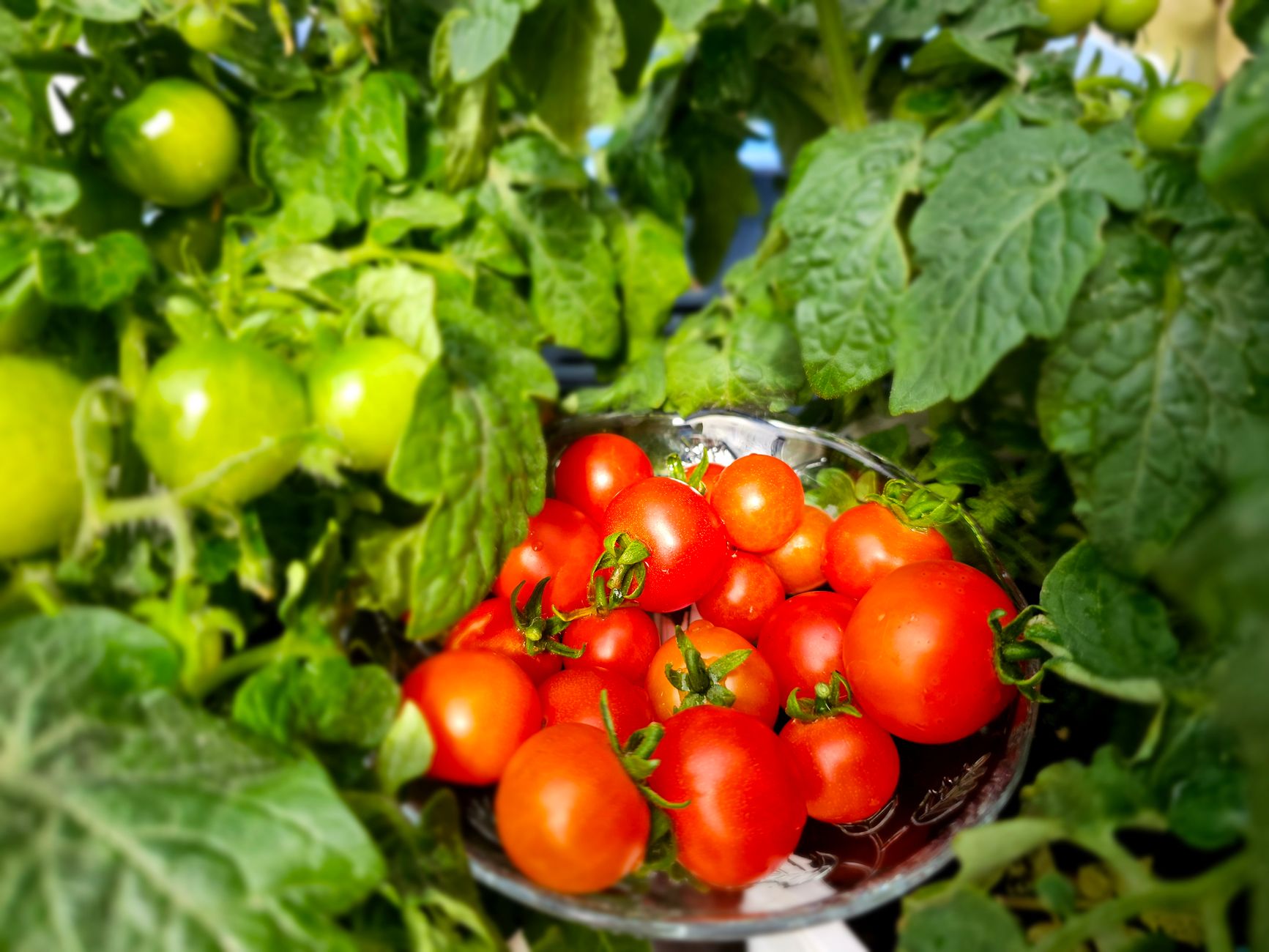
Here is the definitive answer: Dogs can safely eat fully ripe, red tomatoes in moderation. However, unripened green tomatoes, along with the plant's leaves and stems, are toxic and must be avoided. The bright red flesh offers harmless hydration, but the green parts contain dangerous alkaloids.
To make this complex topic instantly clear, here is a quick overview mind map of tomato safety for dogs.
🍅 Overview Mind Map: Tomato Safety Matrix
- 100% Safe: Plain, raw, fully red tomatoes (flesh and seeds).
- High Risk: Unripe green tomatoes, garden vines, stems, leaves.
- Toxic Danger: Tomato sauces (garlic/onion toxicity), ketchup (xylitol/sugar risk), salsa.
- Key Toxin: Tomatine (found only in the green parts of the plant).
The Nightshade Family: Understanding the Danger
Tomatoes belong to the Solanaceae family, commonly known as nightshades. This plant family includes safe edibles like eggplants and bell peppers, but also deadly plants like belladonna. The primary defense mechanism of these plants is a chemical designed to deter animals from eating them before the fruit is ready to drop its seeds.

For tomatoes, this chemical defense is called tomatine. When a tomato is green and growing on the vine, tomatine levels are exceptionally high. This compound is toxic to dogs, cats, and even humans if consumed in massive quantities.
However, nature has a brilliant design. As the fruit ripens and turns red, the tomatine metabolizes and nearly disappears. By the time a tomato is bright red and squishy, the toxic threat has vanished entirely.
🐾 Snoutbit Pro-Tip: Never let a dog eat the green "hat" (the calyx) of a strawberry or a tomato. Even if the fruit itself is perfectly ripe, the tiny green stem and leaves still harbor concentrated traces of tomatine.
Advanced Insight #1: The Tomatine Degradation Timeline
Most top-ranking guides simply say "green is bad, red is good." Yet, canine behaviorists and botanists track a more nuanced timeline. The danger does not disappear overnight.
A tomato that is "turning" (pale orange or slightly firm) still retains moderate levels of tomatine. Dogs with sensitive stomachs or compromised immune systems can react poorly to these transitional fruits. Always wait for the fruit to reach a deep, uniform color and a soft texture before offering a slice.
Additionally, cherry tomatoes ripen faster than large beefsteak varieties. If sharing a garden haul, stick to the small, completely red cherry varieties to guarantee the lowest possible alkaloid content.
The Aussie Backyard Hazard: A Real-World Warning
Consider the typical Australian summer. The heat is relentless, and the backyard vegetable patch is a tempting, shaded oasis for a thirsty dog. A bored Staffordshire Bull Terrier (Staffy) resting near the garden beds might start chewing on foliage to pass the time.
In one recent case in Queensland, an energetic Staffy chewed up a sprawling tomato vine while the owners were at work. The dog did not eat the fruit; it merely destroyed the stems and leaves. Within hours, the dog exhibited severe drooling, loss of coordination, and an abnormally slow heart rate.
The diagnosis was severe tomatine poisoning. Because the plant's leaves hold the highest concentration of the toxin, chewing the vines is infinitely more dangerous than eating a green tomato. Secure fencing around summer garden beds is absolutely non-negotiable for pet safety.
🚨 Vet Fact: Tomatine poisoning disrupts the nervous system and the digestive tract simultaneously. If a dog consumes tomato vines, do not wait for symptoms to peak; immediate veterinary decontamination (inducing vomiting or activated charcoal) is often required.
Identifying Tomatine Toxicity
If a dog breaches the garden fence or gets into a box of unripened green tomatoes, act fast. Recognizing the clinical signs of tomatine poisoning can save vital minutes. Watch for these distinct symptoms:
- Gastrointestinal Distress: Explosive diarrhea and severe vomiting.
- Neurological Signs: Muscle weakness, tremors, or a staggering gait.
- Cardiac Changes: An unusually slow heart rate (bradycardia) or arrhythmias.
- Pupil Dilation: Enlarged pupils and hypersensitivity to light.
While fatal tomatine poisoning is rare because dogs usually vomit before absorbing a lethal dose, the experience is incredibly painful. Small breeds, puppies, and senior dogs are at the highest risk of severe complications from the toxin.
Advanced Insight #2: The Hidden Acid Reflux Trap
Even when a tomato is perfectly ripe, red, and free of toxins, it poses a secondary, often ignored threat: severe acidity. Tomatoes are highly acidic fruits that can dramatically alter the pH balance of a dog's stomach.
Breeds prone to gastrointestinal issues, such as French Bulldogs or Pugs, often struggle to process this acidity. Feeding these breeds red tomatoes can trigger acute episodes of acid reflux. Symptoms include lip smacking, excessive swallowing, licking the air, and regurgitating bile.
If a dog already suffers from inflammatory bowel disease (IBD) or sensitive digestion, skip the tomatoes entirely. The minor nutritional benefits are simply not worth the risk of an acid flare-up.
🐾 Snoutbit Pro-Tip: If offering a dog a slice of red tomato for the first time, limit it to a single bite-sized piece. Wait 24 hours to monitor their stool and behavior. If they show signs of gas, lip-smacking, or loose stools, their stomach cannot handle the acidity.
The Pizza Stealer: Why Sauces Are The Real Enemy
A common misconception is that cooked tomatoes are safer than raw ones. While cooking does neutralize remaining alkaloids, humans rarely cook tomatoes plain. The danger lies in the recipe, not the fruit.
Take the case of a mischievous Blue Heeler in Chicago. The dog managed to pull a half-empty jar of premium marinara sauce off the counter and licked it clean. The tomatoes were fully cooked and perfectly safe. However, the sauce was packed with minced garlic and onion powder.
Onions and garlic destroy a dog's red blood cells, leading to a life-threatening condition called hemolytic anemia. The dog required an emergency blood transfusion. The tomatoes took the blame, but the alliums were the true culprits.
Toxic Tomato Products to Ban from the Bowl
Keep these common pantry items far away from any dog:
- Pasta Sauces: Loaded with toxic garlic, onions, and heavy oils.
- Ketchup: High in sugar, sodium, and sometimes sweetened with deadly xylitol.
- Salsa: Contains onions, garlic, and spicy jalapeños that will ravage a dog's gut.
- Canned Tomatoes: Often packed with excessive sodium and chemical preservatives.
- Sun-Dried Tomatoes: Frequently stored in heavy oils and heavily salted.
Safe Ways to Share Red Tomatoes
If a dog genuinely loves the flavor of a fresh tomato, there are safe ways to incorporate it as a rare, high-value treat. They should never make up more than 10% of a daily caloric intake.
- Wash Thoroughly: Always wash store-bought tomatoes to remove agricultural pesticides and chemical waxes.
- Slice and Dice: Cut large tomatoes into manageable, bite-sized cubes to prevent choking, especially for fast eaters.
- Serve Plain: Never add salt, pepper, olive oil, or dressings to a dog's portion.
- Remove the Core: Slice away the hard, fibrous core and discard any attached stems.
When served correctly, red tomatoes offer a small boost of Vitamin C, Vitamin K, and potassium. They also contain lycopene, a powerful antioxidant that supports cellular health.
🚨 Vet Fact: Lycopene is structurally beneficial for dogs, but canines produce their own Vitamin C naturally. Therefore, feeding fruits purely for Vitamin C is unnecessary and often introduces too much sugar into their diet.
Advanced Insight #3: The Solanine Accumulation Factor
Tomatoes also contain trace amounts of another glycoalkaloid called solanine, primarily found in the green parts. Solanine is notoriously difficult for a dog's liver to metabolize.
If a dog repeatedly grazes on slightly underripe tomatoes over several weeks, the solanine can accumulate in their system. This slow buildup leads to chronic, low-grade inflammation. Owners might notice their dog becoming lethargic or exhibiting stiff joints, entirely unaware that the garden snacks are the root cause.
This is why strict garden management is crucial. A dog should never have unsupervised access to a fruiting vegetable patch.
Garden Security for Pet Parents
During the peak of tick season in the US or the blistering summer months in Australia, dogs spend hours lounging in the yard. Securing the garden is a critical step in pet-proofing the home.
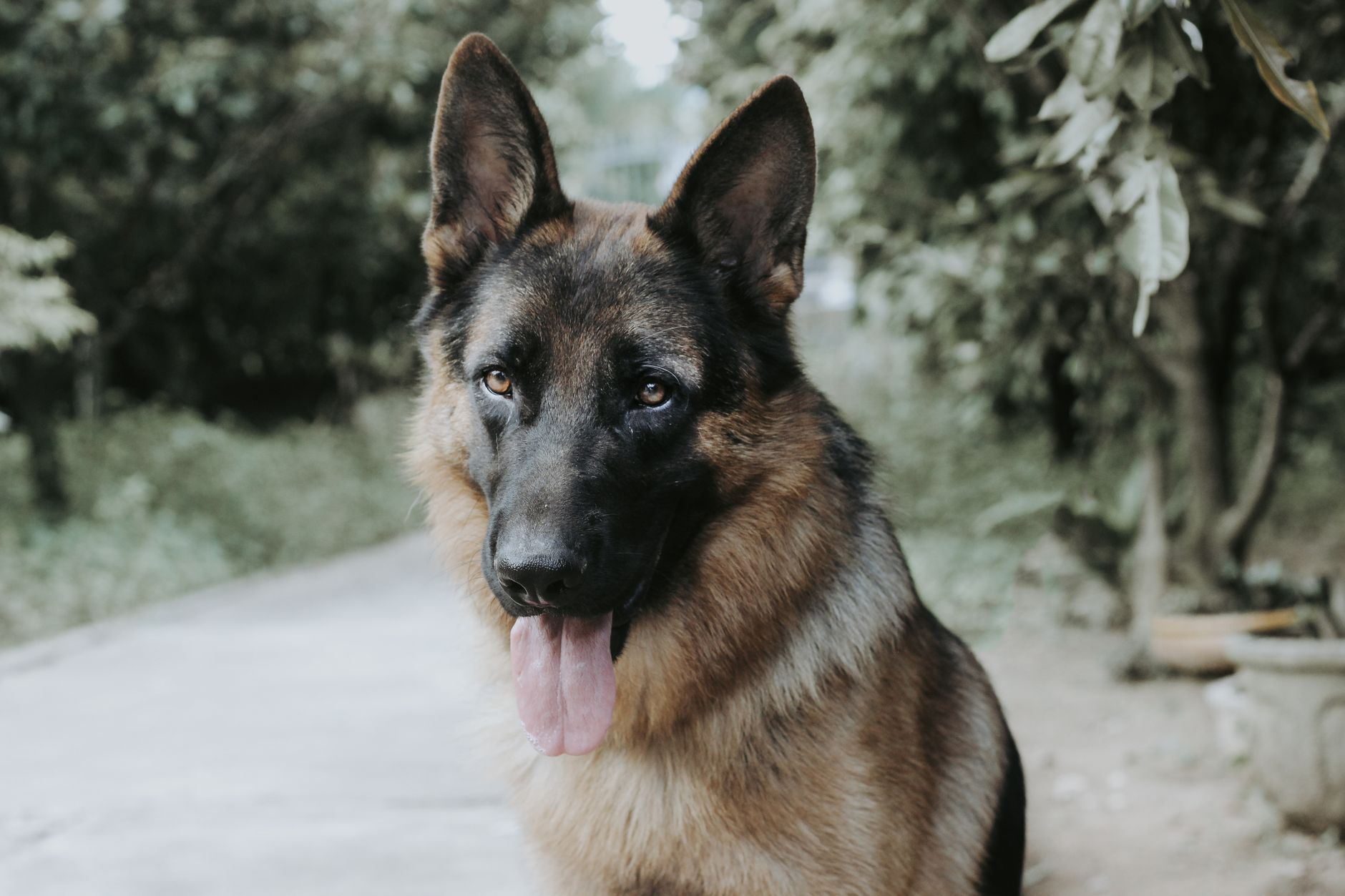
Consider installing raised garden beds to keep low-hanging fruit out of reach. Use sturdy chicken wire or decorative fencing to create a physical barrier around tomato plants, eggplants, and potato vines.
Finally, train a reliable "Leave It" command. Dropping a green tomato during harvest is inevitable; a well-trained dog that ignores dropped food is the best line of defense against accidental poisoning.
What To Do Next
- Audit the Yard: Walk through the backyard today and identify any nightshade plants (tomatoes, potatoes, eggplants). Install a temporary barrier or fence to restrict access immediately.
- Update the Kitchen Rules: Inform all family members that sharing pizza crusts, pasta sauce, or ketchup with the dog is strictly prohibited due to toxic garlic and onion content.
Disclaimer: The content on Snoutbit.com is for informational and educational purposes only and is not intended to replace professional veterinary advice, diagnosis, or treatment. Always consult with your veterinarian before making significant changes to your dog’s diet, exercise routine, or health regimen.