Can Dogs Eat Eggshells? The Raw Calcium Truth Every Pet Parent Must Know
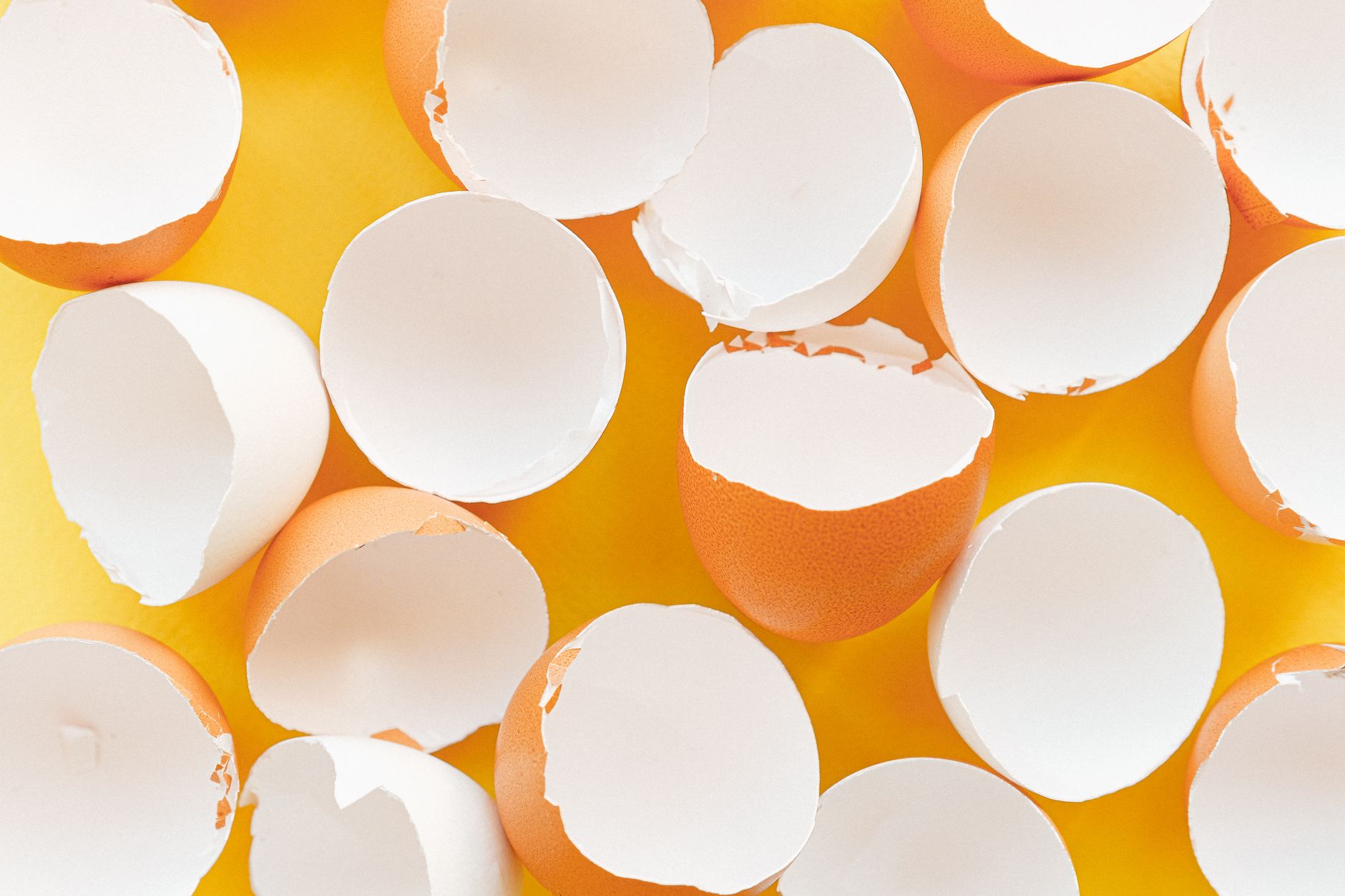
The skillet is hot, the eggs are cracked, and an empty shell accidentally rolls off the kitchen counter. A lightning-fast Golden Retriever catches it mid-air, swallowing the jagged pieces whole. Panic instantly sets in for the pet parent.
Will the sharp shards tear the dog's throat? Is salmonella poisoning a guaranteed outcome?

Here is the definitive answer: Yes, dogs can safely eat eggshells. They are a phenomenal, highly absorbable source of natural calcium. However, raw, unwashed shells pose a dangerous choking hazard and carry severe bacterial risks. To safely feed eggshells, they must be boiled, baked, and ground into a fine, dust-like powder.
To visualize this nutritional hack instantly, here is a quick overview mind map.
🥚 Overview Mind Map: Eggshell Safety Matrix
- Nutritional Powerhouse: Extremely high in pure calcium carbonate.
- Hidden Benefit: The thin inner membrane contains joint-supporting collagen.
- Dangerous Format: Raw, unwashed, large jagged shards (choking and tear hazard).
- Safe Format: Boiled, baked dry, and ground into a superfine powder.
- Toxin Risk: Chemical washes on commercial grocery store eggs.
The Anatomy of a Calcium Bomb
A dog's skeleton relies heavily on a steady stream of calcium to maintain bone density and dental health. Commercial kibble is carefully formulated to meet this requirement. For owners who cook fresh food or feed raw diets, balancing minerals becomes a critical daily task.
A single, standard chicken eggshell yields roughly one teaspoon of powder. That single teaspoon contains roughly 2,000 milligrams of elemental calcium. This makes it one of the most efficient, cost-effective supplements available in any kitchen.
However, tossing a raw shell into a food bowl is a recipe for disaster. Dogs do not chew their food thoroughly; they gulp. Large shards easily become lodged in the esophagus or cause severe irritation to the delicate stomach lining.
🐾 Snoutbit Pro-Tip: Never feed eggshells from boiled eggs that have been dyed with artificial food coloring, such as leftover Easter eggs. The chemical dyes offer zero nutritional value and can trigger intense allergic reactions or stomach upset in sensitive breeds.
The Jagged Edge Danger: A Real-World Warning
Consider a curious French Bulldog living in a busy suburban home. Left unsupervised, the dog managed to tip over a small kitchen trash can containing raw breakfast scraps. The dog eagerly wolfed down half-crushed, raw eggshells.
Because the Frenchie was a small breed with a narrow airway, a large, sharp shard became wedged in the back of its throat. The dog began violently gagging and pawing at its mouth. This required an emergency veterinary visit to carefully extract the shard under heavy sedation.
The nutritional value of the shell was completely negated by the dangerous format. Preparation is the only thing standing between a healthy supplement and a terrifying choking hazard.
Advanced Insight #1: The Membrane Miracle
Most generic pet health guides tell owners to wash the eggshells thoroughly. Unfortunately, many owners aggressively scrub the shells, entirely washing away the thin, papery inner membrane. This is a massive nutritional mistake.
That translucent film inside the shell is packed with naturally occurring glycosaminoglycans. This includes hyaluronic acid, chondroitin, and collagen. These are the exact same compounds found in premium, expensive canine joint supplements.
When preparing shells for a dog, rinse the outside gently, but leave the inner membrane completely intact. Once the shell is baked and ground, that membrane becomes a powerful, anti-inflammatory powder that supports aging joints and cartilage health.
Advanced Insight #2: The Chemical Wash Trap
Sourcing matters incredibly when feeding eggshells to a dog. In the US, commercial grocery store eggs are heavily mandated to be washed with chemical sanitizers before hitting the shelves. These harsh detergents strip the egg's natural protective coating and can leave residual chemicals on the porous shell.
In contrast, Australian grocery eggs are often unwashed to preserve the natural "bloom" that prevents bacterial intrusion. However, during the intense Australian summer heat, unwashed eggs left out on a counter can rapidly breed dangerous surface bacteria.
For ultimate safety, source organic, pasture-raised eggs directly from local farmers whenever possible. Regardless of origin, boiling the shells at home is absolutely mandatory to kill localized surface pathogens.
🚨 Vet Fact: Puppies and adult dogs have entirely different calcium requirements. Over-supplementing calcium in a growing, large-breed puppy (like a Great Dane or Mastiff) can trigger severe orthopedic deformities. Never add extra calcium powder to a puppy's bowl without strict veterinary calculation.
The Queensland Diet Crisis
An athletic Australian Kelpie was transitioning to a home-cooked diet on a remote Queensland property. The owner fed the dog high-quality muscle meats, organs, and fresh vegetables. However, they completely omitted bone content and calcium supplements.
Within months, the highly active Kelpie developed strange muscle tremors and extreme lethargy. Blood tests revealed a severe calcium deficiency. The dog's body was literally pulling calcium out of its own bones to keep its heart functioning.
The owner immediately learned to safely powder farm-fresh eggshells and mix them into the daily meat rations. The dog's energy rebounded entirely within two weeks, proving how vital this single mineral is for active working breeds.
Advanced Insight #3: The Crucial Calcium-Phosphorus Balance
Understanding why a dog needs eggshells requires understanding the dietary seesaw of calcium and phosphorus. Muscle meat, which is the foundation of canine diets, is extremely high in phosphorus but completely devoid of calcium.
If a dog eats a diet rich in meat without added calcium, the phosphorus floods the bloodstream. The body panics and attempts to balance the ratio by leaching calcium directly from the dog's skeleton. Over time, this causes bones to become brittle, hollow, and prone to sudden fractures.
Adding a carefully measured pinch of eggshell powder to a home-cooked meat meal instantly neutralizes this threat. It perfectly balances the ratio, ensuring the dog absorbs the meat's protein without sacrificing skeletal integrity.
🐾 Snoutbit Pro-Tip: Do not add eggshell powder to commercial, store-bought kibble unless explicitly directed by a canine nutritionist. Premium kibble is already perfectly balanced; adding extra calcium on top can cause painful bladder stones and calcification of the soft tissues.
Step-by-Step: Creating Safe Canine Calcium Powder
Turning kitchen waste into a premium pet supplement is incredibly simple. Follow these exact steps to ensure the final product is highly digestible and completely sterile.
- Save the Shells: After cooking eggs, give the shells a quick, gentle rinse with plain water. Leave the inner membrane attached.
- The Boiling Phase: Drop the empty shells into a pot of rolling, boiling water for exactly three minutes. This completely eradicates any trace of salmonella or surface bacteria.
- The Baking Phase: Spread the boiled shells on a baking sheet. Bake them at 200°F (90°C) for 15 minutes. This dries them out entirely, making them brittle and easy to crush.
- The Grinding Phase: Place the brittle shells into a clean coffee grinder or food processor. Pulse the machine until the shells turn into an ultra-fine, completely smooth dust.
- Storage: Store the powder in an airtight glass mason jar in the refrigerator for up to two months.
Understanding Daily Dosage Limitations
More is never better when dealing with mineral supplementation. Too much calcium causes severe constipation, chalky white stools, and kidney stress.
For an adult dog eating a completely un-supplemented, home-cooked diet, the general guideline is one-half teaspoon of eggshell powder per pound of fresh meat fed.
For a rugged Staffy or a resilient Blue Heeler, this tiny pinch mixed into their dinner provides total skeletal support. Always mix the powder directly into wet food, yogurt, or a splash of canine bone broth so the dog does not inhale the dry dust and sneeze.
Safe Alternatives to Eggshells
If the process of boiling, baking, and grinding sounds too tedious, there are plenty of safer, easier ways to boost a dog's nutritional intake. Keep these healthy, bone-building alternatives stocked in the pantry.
- Plain Greek Yogurt: A fantastic source of calcium and gut-healing probiotics. Ensure it is entirely free of xylitol or artificial sweeteners.
- Canned Sardines (In Water): These tiny fish contain highly digestible, safe, and soft bones. They are a massive boost of both calcium and Omega-3 fatty acids for a glossy coat.
- Goat’s Milk: Highly digestible for dogs with sensitive stomachs. Serve a small splash over their evening meal during peak summer heat for extra hydration.
Protecting the Scavenging Dog
Dogs are opportunistic scavengers by nature. The smell of raw egg residue in a kitchen trash bin is incredibly tempting for any food-motivated breed.
During tick seasons or rainy weather when dogs are stuck indoors, they often hunt for entertainment in the kitchen. Securing the environment is the first line of defense against accidental ingestion of sharp shards.
Invest in a heavy-duty, step-pedal trash can with a locking lid. Never leave breakfast prep materials unattended on low counters, and immediately wipe up any raw egg spills from the floor to prevent bacterial growth.
What To Do Next
- Audit the Supplements: Check the pantry today. If feeding a home-cooked diet, verify exactly how the calcium-to-phosphorus ratio is being balanced to prevent long-term bone density loss.
- Secure the Kitchen: Upgrade to a locking trash can to ensure scavenging dogs cannot access raw, jagged eggshells or other dangerous cooking scraps while unsupervised.
Disclaimer: The content on Snoutbit.com is for informational and educational purposes only and is not intended to replace professional veterinary advice, diagnosis, or treatment. Always consult with your veterinarian before making significant changes to your dog’s diet, exercise routine, or health regimen.