
Can Dogs Eat Cooked Eggs? The Hidden Kitchen Dangers Explained
Sizzling eggs in the frying pan instantly draw a hopeful, drooling dog to the kitchen floor. Tossing a piece of leftover weekend breakfast seems harmless, but feeding eggs cooked in heavy butter, salt, or toxic garlic powder creates massive gastrointestinal distress. The immediate relief is knowing dogs can absolutely eat cooked eggs safely, provided owners follow strict, plain preparation rules.

The biggest takeaway is that eggs must be served completely plain, either hard-boiled or scrambled without a single drop of cooking oil. When prepared correctly, a cooked egg is a nutritional powerhouse that provides a perfect biological source of highly digestible protein. Keeping the preparation strictly simple guarantees the dog receives massive health benefits without risking a high-cost emergency clinic visit.
Why are cooked eggs a nutritional powerhouse for dogs?
Eggs are widely considered the gold standard of biological protein for both humans and canines. They contain every single essential amino acid a dog’s body requires to build dense muscle tissue and repair cellular damage. This highly digestible protein profile makes plain eggs the ultimate, stomach-soothing meal for dogs recovering from severe gastrointestinal illnesses.
Beyond massive protein benefits, eggs are absolutely packed with vital nutrients like Vitamin A, Riboflavin, and Folate. They naturally contain rich amounts of fatty acids that actively nourish the canine skin barrier directly from the inside out. A dog consuming the occasional plain, cooked egg will quickly develop a brilliant, noticeably softer coat.
🐾 Snoutbit Pro-Tip: Hard-boil half a dozen eggs at the start of the week and keep them unpeeled in the fridge. This simple meal prep provides instant, mess-free access to a high-value protein reward that can be easily chopped up for intense obedience training sessions.
Can dogs eat raw eggs or runny yolks?
A dangerous, lingering internet myth suggests that raw eggs perfectly mirror a wild canine diet and provide superior nutrition. In reality, raw eggs carry a massive, terrifying risk of Salmonella and E. coli contamination. A dog contracting a severe bacterial infection will suffer from explosive diarrhoea, violent vomiting, and extreme, life-threatening dehydration.
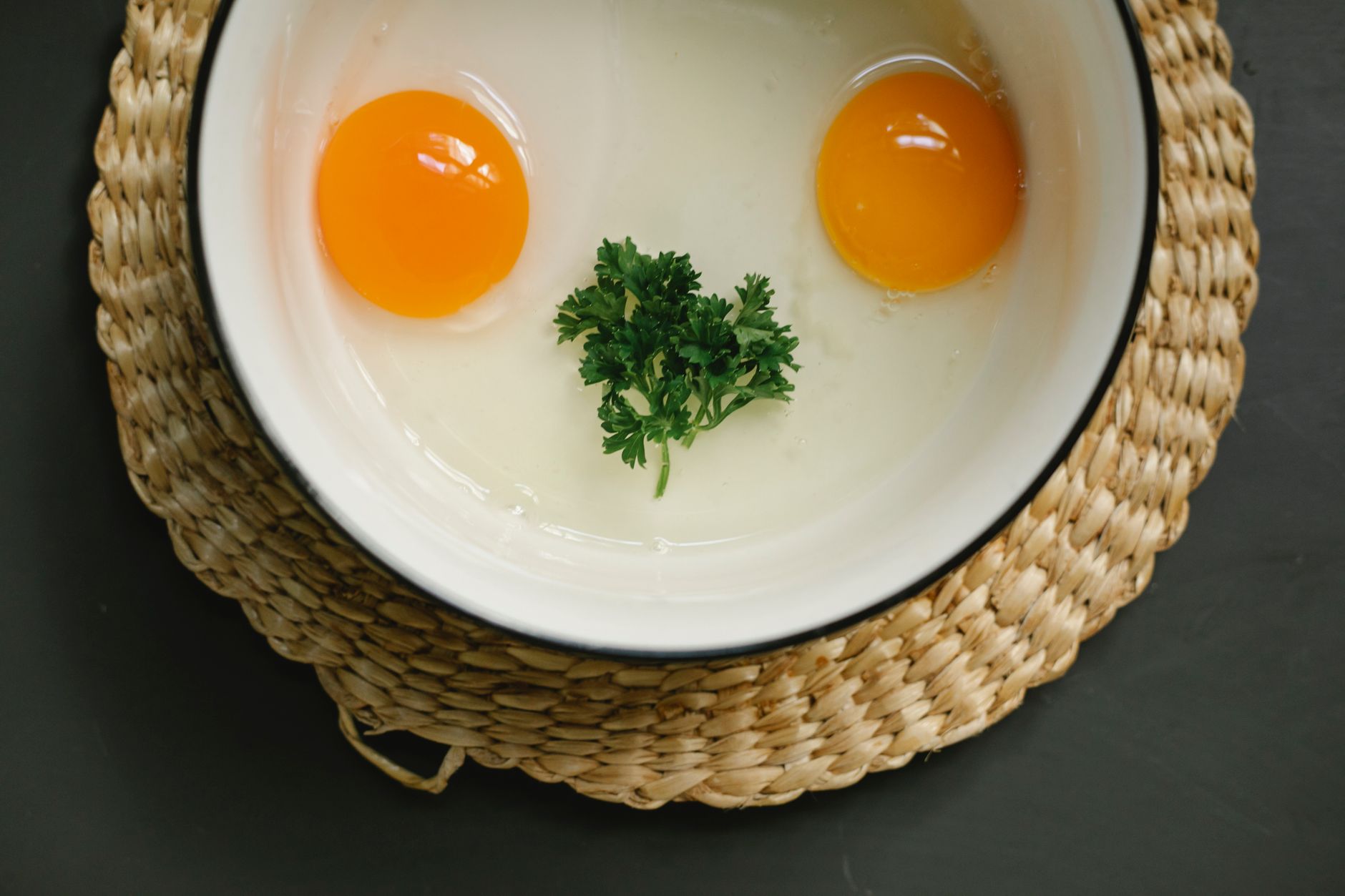
Furthermore, raw egg whites contain a specific, problematic enzyme called avidin. Avidin acts as a chemical binder, aggressively attaching itself to biotin (Vitamin B7) inside the dog's digestive tract and completely preventing cellular absorption. Chronic feeding of raw egg whites leads directly to severe biotin deficiency, causing alarming hair loss and painful skin lesions.
The simple act of cooking the egg completely destroys the avidin enzyme, instantly neutralising this hidden biological threat. Always boil or scramble the egg until both the white and the rich yolk are entirely firm.
What are the hidden dangers of sharing human breakfasts?
The classic Aussie weekend breakfast is a culinary delight for humans but an absolute toxic minefield for canines. Eggs fried in leftover bacon grease or heavy butter deliver a massive, dangerous payload of concentrated fat. A canine pancreas simply cannot handle this sudden influx of rich lipids without becoming severely inflamed.
Consider a robust Australian Staffy in Queensland that eagerly consumed a plate of leftover scrambled eggs from a family brunch. Because the eggs were heavily seasoned with salt, pepper, and cooked in bacon fat, the dog spent three days in the veterinary hospital. The dog suffered acute pancreatitis, requiring intensive intravenous fluids and transforming a fun morning into a terrifying financial nightmare.
Never share eggs cooked with onions, garlic, or chives under any circumstances. The allium botanical family contains toxic compounds that aggressively destroy canine red blood cells, leading to fatal anaemia.
🚨 Vet Fact: A single whole large egg contains roughly seventy calories and significant amounts of dietary cholesterol. While cholesterol does not cause canine heart disease the way it affects humans, the extra calories easily cause rapid weight gain in sedentary, indoor dogs.
How many cooked eggs can a dog eat daily?
Treats and dietary toppers, including fresh eggs, must never exceed ten percent of a dog's total daily caloric intake. Overfeeding rich proteins completely disrupts the carefully balanced vitamin profile of their primary commercial kibble. Portion control remains the absolute deciding factor between a healthy supplement and dangerous canine obesity.
For extra-small toy breeds, a thin slice of a hard-boiled egg twice a week is the absolute maximum safe limit. Medium breeds, like a highly active Kelpie, can safely consume half an egg every few days without gastrointestinal upset. Large working dogs and giant breeds can handle one entire cooked egg, heavily dependent on their daily physical exertion level.
Always introduce this new protein incredibly slowly to carefully monitor the dog's faecal consistency. If loose stools occur the following day, drastically reduce the portion size or eliminate the egg entirely.
Do local Australian climates alter dietary needs?
Extreme weather heavily dictates how a dog’s internal organs handle sudden dietary stress and dense protein processing. During the blazing heat of an Australian summer, dogs naturally lose massive amounts of cellular hydration simply through constant panting. Feeding a severely dehydrated dog a massive influx of dense protein heavily taxes their renal system, requiring excess water to properly flush the metabolic waste.
Always ensure the dog has access to large bowls of fresh, cool water when increasing their dietary protein intake during a January heatwave. Conversely, during the damp, freezing winters in Victoria or Tasmania, active dogs burn significantly more calories just to maintain their core body temperature. Adding a warm, freshly boiled egg to their evening meal provides crucial, fast-acting calories that physically help thick-coated breeds stay fully insulated and energised.
What are three advanced expert secrets for feeding eggs?
Generic pet forums often stop at "boil the egg," but elite canine nutrition requires highly specific, advanced preparation strategies. Implementing these three expert-level insights drastically elevates the health benefits of this common household staple.
- The Eggshell Membrane Hack: When peeling a hard-boiled egg, meticulously save the thin, translucent membrane clinging to the inside of the shell. This delicate film is absolutely packed with naturally occurring glucosamine, chondroitin, and hyaluronic acid. Tossing this membrane into a senior dog’s dinner bowl provides incredible, highly bioavailable joint support to proactively combat osteoarthritis.
- The Thermal Olfactory Trick: Senior dogs often lose their appetite due to a naturally declining sense of smell. Lightly scrambling an egg without oil and serving it slightly warm massively amplifies the food's aromatic profile. The rich, savoury steam acts as an irresistible biological trigger, instantly encouraging a picky, ageing dog to consume their entire meal.
- The High-Value Wash Strategy: Highly intelligent working breeds often become notoriously bored with their daily dry kibble. Crack a raw egg into a bowl, whisk it vigorously with a splash of warm water, pour it over the dry kibble, and microwave the entire bowl for forty seconds. The egg cooks directly onto the kibble pieces, creating a dry, mess-free, protein-encased meal that stops picky eating instantly.
🐾 Snoutbit Pro-Tip: Never use non-stick Teflon pans when scrambling eggs for dogs if the pan is visibly scratched or heavily worn. Flaking toxic chemicals easily mix into the plain egg, exposing the dog's sensitive digestive tract to dangerous synthetic compounds.
Are eggshells actually safe for dogs to consume?
The crunchy outer shell of an egg is an incredible, entirely natural source of essential calcium. However, tossing a raw, unwashed shell directly to a dog is a massive, often painful mistake. Commercial supermarket eggs are heavily sprayed with harsh chemical sanitisers to artificially prolong their shelf life.

Take the case of an energetic Border Collie in New South Wales refusing kibble after a long beach run. The owners tried to quickly boost the dog's calcium by feeding whole, raw eggs straight from the cardboard carton. The dog immediately suffered severe stomach cramping and explosive diarrhoea from the invisible chemical sanitiser coating the outer shell.
To safely prepare eggshells, completely rinse the empty shells and bake them in an oven at ninety degrees Celsius for ten minutes to destroy lingering bacteria. Grind the baked shells into a microscopic, ultra-fine powder using a completely clean coffee grinder. A tiny pinch of this sterilised powder sprinkled over wet food acts as a brilliant, highly bioavailable calcium supplement for growing pups.
What To Do Next
- Perform a Cookware Audit: Inspect the kitchen pans used for cooking dog-safe foods right now. Ensure the specific skillet used to scramble the dog's plain eggs is completely free of lingering grease, toxic spices, or dangerous flaking non-stick coatings.
- Prepare a Safe Weekend Topper: Boil two plain eggs tonight, leave the shells completely intact, and store them securely in the refrigerator. Use these ready-to-go, mess-free eggs to easily elevate the dog's standard weekend dinners without ever resorting to sharing dangerous human breakfast scraps.
Disclaimer: The content on Snoutbit.com is for informational and educational purposes only and is not intended to replace professional veterinary advice, diagnosis, or treatment. Always consult with your veterinarian before making significant changes to your dog’s diet, exercise routine, or health regimen.