Can Dogs Eat Apricots? The Hidden Pit Danger And Safe Feeding Rules
Staring down a drooling dog while snacking on a sweet summer apricot creates instant anxiety. Tossing the wrong part of this stone fruit can trigger a massive veterinary emergency, leaving owners paralyzed by the fear of making a fatal dietary mistake. The immediate relief is knowing that dogs can absolutely eat fresh apricots safely, provided owners follow a few non-negotiable preparation steps.
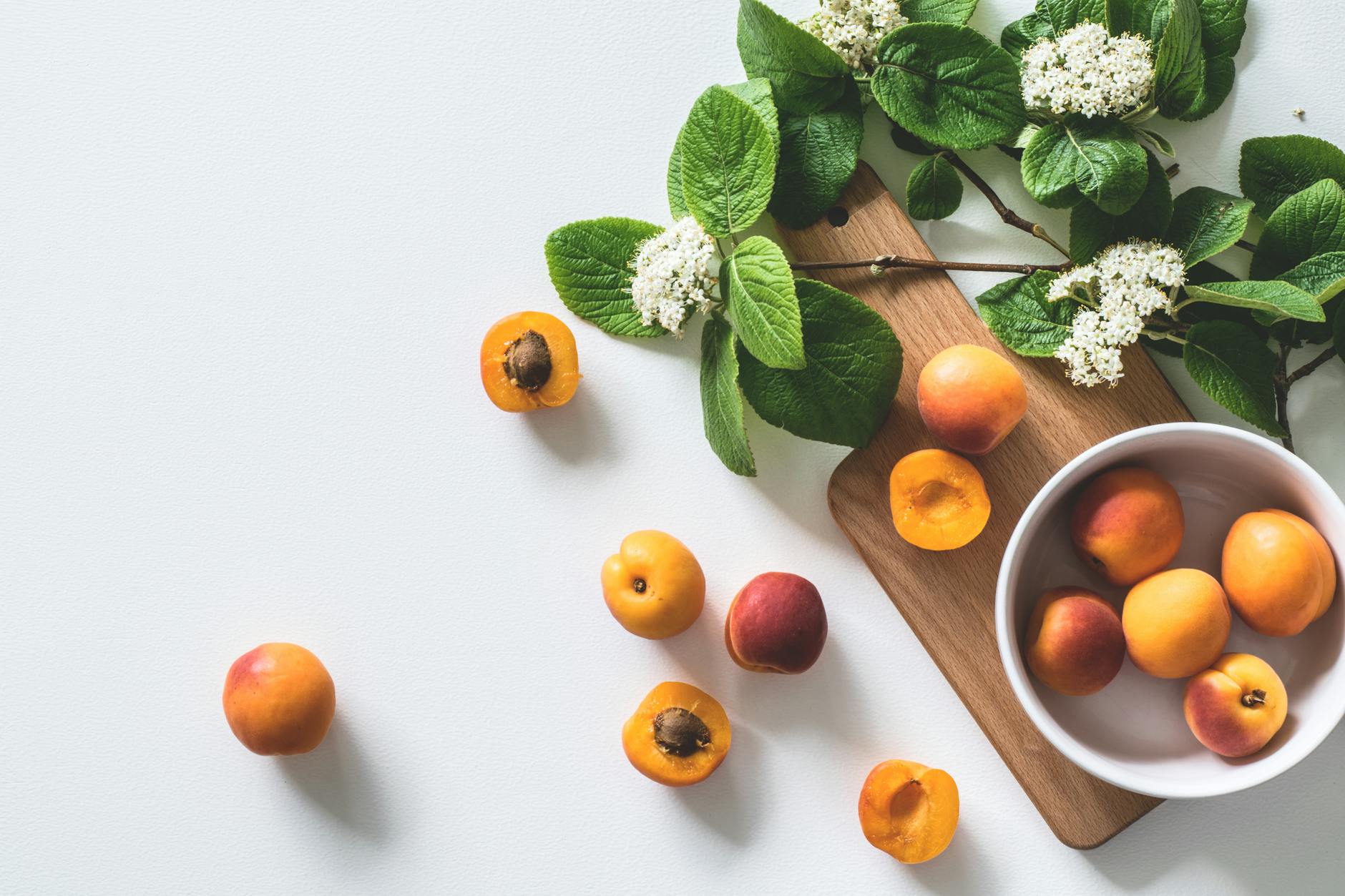
The absolute biggest takeaway is that the apricot pit, stem, and leaves are highly toxic and must be completely removed before feeding. The fresh flesh provides excellent hydration and essential vitamins, making it a fantastic summer reward. However, the inner stone contains cyanide and acts as a deadly biological cork in a canine intestine, meaning careless feeding is never an option.
Why are apricot pits so dangerous for dogs?
The hard inner stone of an apricot contains a specific biological compound called amygdalin. When a dog aggressively crushes these pits with their teeth and digests them, the amygdalin breaks down directly into hydrogen cyanide. This is a highly potent, rapidly acting chemical that disrupts the body's ability to carry oxygen through the bloodstream.

A single swallowed pit might not instantly poison a massive eighty-pound Golden Retriever. However, cyanide toxicity is cumulative in the body, meaning repeated exposure over months causes silent, long-term organ damage. For a tiny Chihuahua or a young puppy, even a small amount of a chewed seed can trigger an acute, life-threatening emergency.
🚨 Vet Fact: Cyanide toxicity from stone fruits prevents cellular oxygen absorption. Early warning signs include bright cherry-red gums, dilated pupils, heavy panting, and sudden collapse.
What happens if a dog swallows an apricot pit whole?
Beyond the chemical toxicity, the physical structure of the pit is incredibly dangerous. The stone is thick, highly abrasive, and entirely impossible for a dog's short digestive tract to break down. When a dog excitedly gulps down an entire apricot, the pit acts exactly like a dense barricade.
Consider a common scenario involving a family in California with an adult Golden Retriever. The dog discovered fallen, overripe apricots under a backyard tree and swallowed several whole, pits and all. The dog spent the entire weekend at an emergency clinic undergoing invasive abdominal surgery to remove the pits, which had created a complete, life-threatening bowel obstruction.
Always slice the fruit and throw the entire stone firmly into a secured trash can. If a dog accidentally swallows a pit, immediately contact an emergency veterinary clinic rather than waiting for severe vomiting or a painful, arched back to appear.
Can dogs eat dried apricots safely?
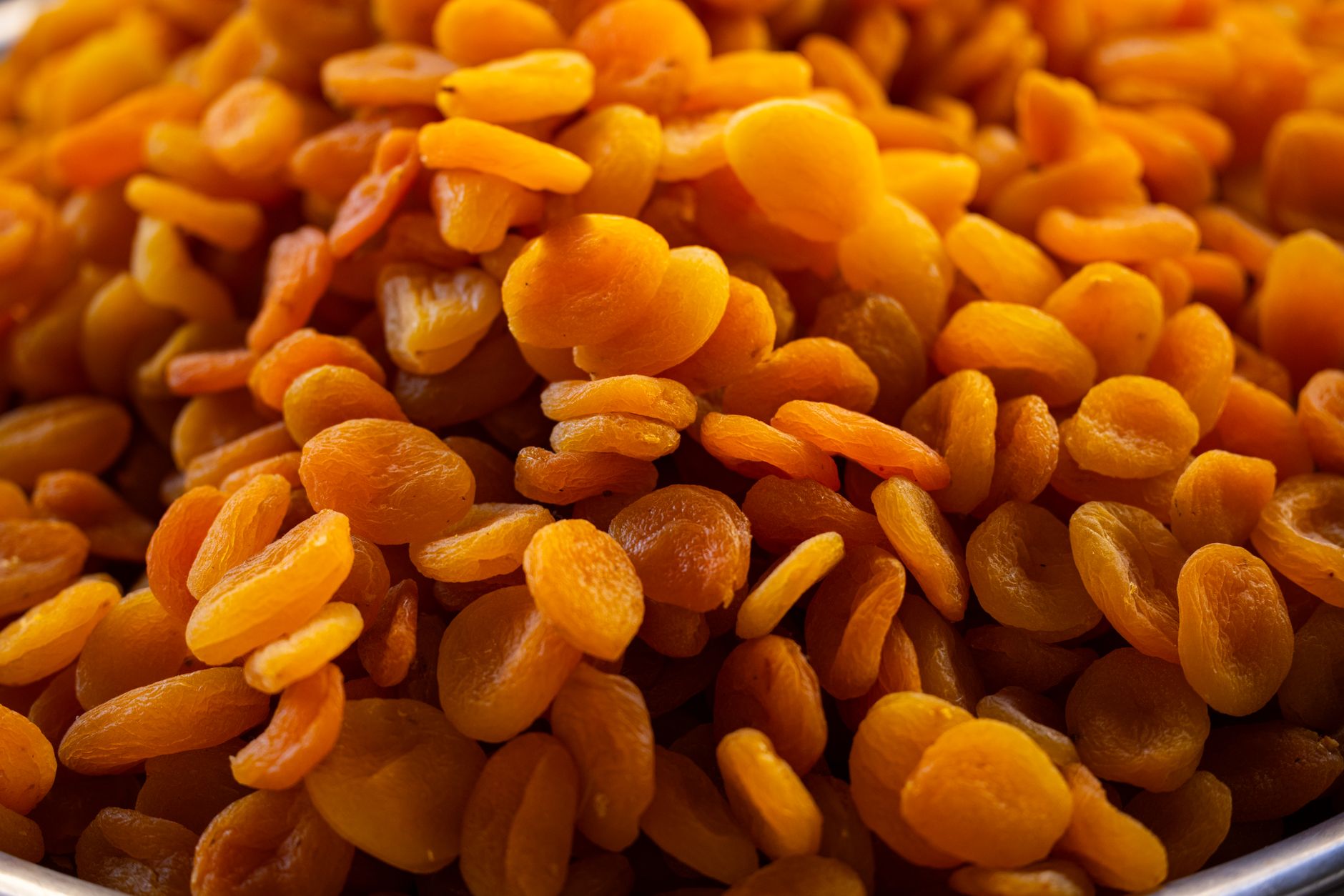
Never offer a dog dried apricots under any circumstances. The dehydration process entirely removes the water content, condensing the natural fructose into a massive, concentrated sugar bomb. A dog's digestive tract is not equipped to process this intense level of sugar, which instantly disrupts their delicate gut microbiome.
Feeding dried fruit almost always results in explosive diarrhea and severe stomach cramping. Furthermore, commercially dried apricots often contain sulfur dioxide as a preservative to maintain their bright orange color. This specific chemical compound can trigger severe asthmatic reactions and intense allergic responses in sensitive canines.
How do local climates impact how apricots are fed?
Environmental extremes dictate exactly how this fruit should be utilized for maximum health benefits. In the deep, humid heat of an Australian summer, a thick-coated breed loses massive amounts of moisture simply through constant panting. A working Kelpie running across a rural property requires immediate core-temperature reduction after intense physical exertion.

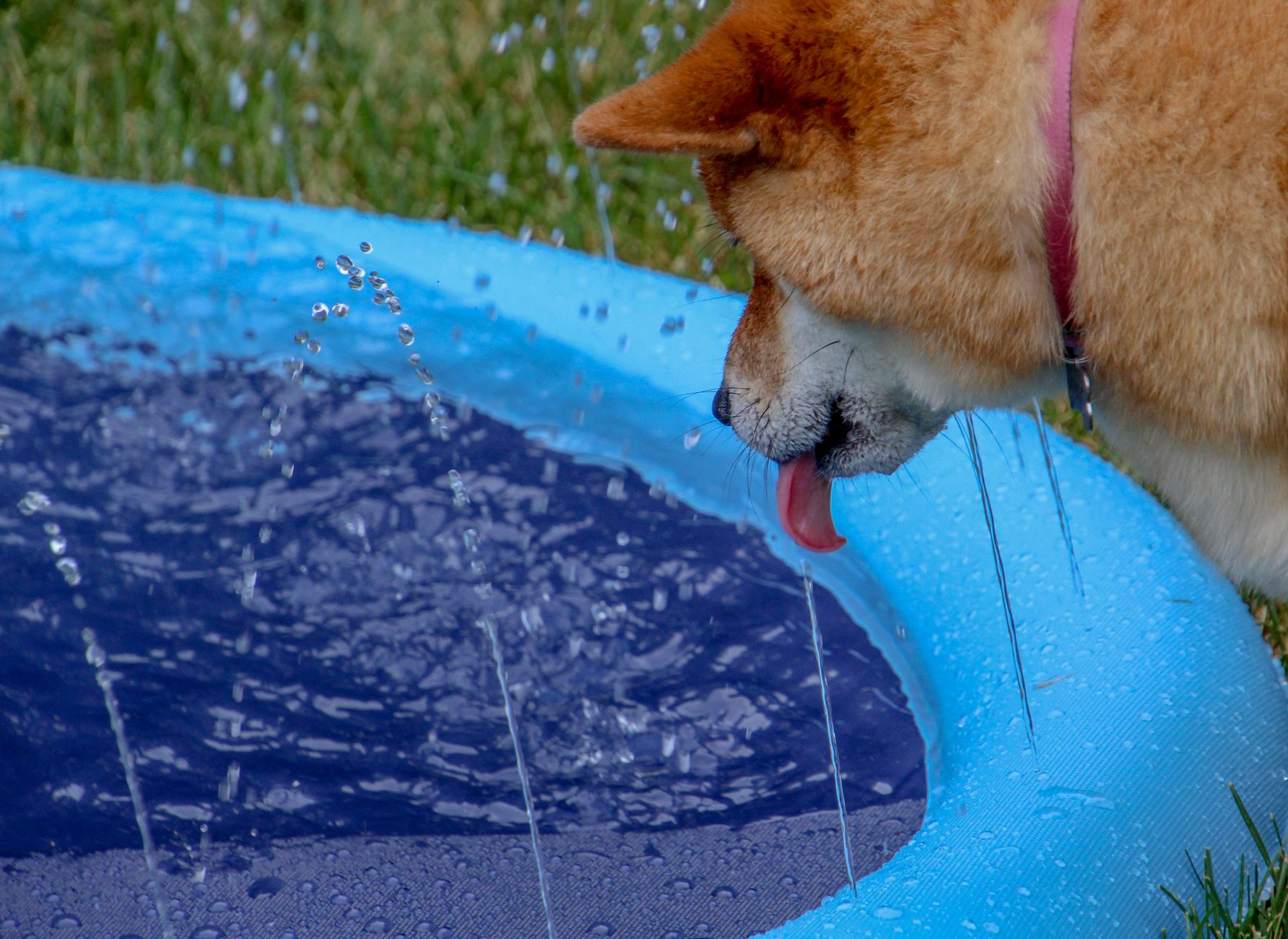
Mashing fresh, pit-free apricot flesh with sodium-free bone broth and freezing it creates a life-saving, ice-cold "canine popsicle" that safely cools the dog from the inside out. Conversely, freezing US winter drafts keep dogs cooped up inside, drastically lowering their daily caloric burn rate. For a dense, heavy-chested Frenchie spending winter on the couch, swapping high-fat commercial treats for low-calorie fresh apricot cubes prevents dangerous winter weight gain.
🐾 Snoutbit Pro-Tip: Freeze small apricot cubes and toss them directly into the dog's main water bowl during hot afternoons. The floating fruit acts like flavorful ice cubes, heavily encouraging reluctant drinkers to consume significantly more water.
What are the hidden health benefits of fresh apricots?
Beyond providing excellent hydration, this vibrant fruit is absolutely packed with bioavailable nutrients. Apricots serve as an incredibly rich source of beta-carotene, the powerful antioxidant responsible for the bright orange pigment. Beta-carotene safely converts into Vitamin A inside the canine body, actively supporting optimal vision and promoting a healthy, glowing coat.
Furthermore, apricots provide a healthy dose of soluble dietary fiber. This specific type of fiber feeds the beneficial bacteria located deep within the canine gut, leading to firmer, healthier stools. Because they are virtually fat-free, they serve as the ultimate, guilt-free training currency for obese dogs undergoing strict weight-loss regimens.
How does potassium support canine mobility?
Fresh apricots contain significant levels of natural potassium, an essential mineral for nerve function and muscle contraction. For highly active breeds like Staffies or Blue Heelers, maintaining proper potassium levels prevents painful muscle cramping after a long hike. This mineral actively supports cardiovascular health, ensuring an athletic dog's heart pumps efficiently during intense play.
What are advanced expert tips for feeding apricots?
Generic advice often stops at simply removing the pit, but elite pet care requires a much deeper understanding of canine health optimization. Implementing these three specific, advanced strategies drastically elevates the safety and benefits of this simple fruit.
- Avoid Orchard Floor Toxicity: Fallen apricots ferment incredibly quickly in the warm summer sun. When the natural sugars ferment, they convert directly into toxic ethanol. Dogs that eat rotting fruit off the ground can suffer from acute alcohol poisoning, resulting in dangerous drops in blood sugar, seizures, and respiratory failure.
- The Stone Fruit Cross-Reactivity: Dogs with known environmental allergies to specific tree pollens often exhibit a cross-reactive food allergy to stone fruits. When introducing apricot for the very first time, start with a piece no larger than a thumbnail and wait twenty-four hours. Watch the dog meticulously for sudden, obsessive scratching at the ears or bright red inflammation between the paw pads.
- The Puree Protocol For Seniors: Older dogs with advanced dental disease or missing teeth often swallow fruit whole out of sheer excitement. This behavior easily leads to severe intestinal blockages. Always puree the apricot flesh into a smooth liquid and freeze it inside a hollow rubber toy to ensure completely safe, choke-free consumption for geriatric pets.
🚨 Vet Fact: Choking on perfectly round, slippery foods is a leading cause of emergency airway obstructions in dogs. Never feed a whole, intact apricot; always slice it vertically to break the round, throat-blocking shape.
Can dogs eat canned apricots?
Never allow a dog to consume canned apricots from the grocery store baking aisle. These heavily processed products are absolutely saturated with artificial sugars and heavy fruit syrups that act like toxic sludge in a canine pancreas. The intense sugar spike will cause immediate gastrointestinal distress and accelerate long-term obesity risks.
Worse yet, many "sugar-free" canned fruits utilize a common artificial sweetener called xylitol. Xylitol is profoundly toxic to canines, triggering a massive insulin release that causes fatal hypoglycemia and irreversible liver failure within minutes. Always stick entirely to fresh, thoroughly washed fruit from the produce section.
How much apricot can a dog eat daily?
Treats, including fresh fruit, must never exceed ten percent of a dog's total daily caloric intake. Apricots are highly nutritious, but overfeeding them will completely disrupt the delicate bacteria balance in the dog's gut microbiome. Portion control is the only difference between a healthy snack and a messy carpet disaster.
- Extra Small Breeds (e.g., Chihuahuas): One-half of a sliced apricot maximum.
- Medium Breeds (e.g., Frenchies, Staffies): One whole apricot, sliced thinly.
- Large Breeds (e.g., Golden Retrievers, German Shepherds): Two whole apricots, chopped safely.
Can puppies safely eat apricots?
Puppies possess highly sensitive, rapidly developing gastrointestinal systems that are easily upset by novel foods. Introducing fruit too early can cause intense diarrhea, which quickly leads to life-threatening dehydration in small pups. Wait until the puppy is at least twelve weeks old and fully stabilized on their core kibble diet before introducing any fruit.
Once they reach the intense teething phase, frozen apricot slices become an absolute lifesaver. The rock-hard, icy texture safely numbs the puppy's inflamed, bleeding gums as their adult teeth push through the jawline. This provides massive, natural pain relief and successfully redirects their destructive chewing urges away from the household furniture.
What To Do Next
- Execute the Baking Soda Wash Today: Apricots often retain heavy agricultural pesticides on their delicate skin. Go to the refrigerator, pull out any fresh apricots meant for the dog, and soak them in a bowl of water mixed with one teaspoon of baking soda for ten minutes before thoroughly rinsing.
- Conduct a Yard Sweep: If an apricot tree grows in the backyard or along a favorite walking route, meticulously clear the ground of any fallen, rotting fruit. Ensure the dog is kept on a short leash in these specific areas to completely eliminate the risk of pit ingestion and alcohol toxicity.
Disclaimer: The content on Snoutbit.com is for informational and educational purposes only and is not intended to replace professional veterinary advice, diagnosis, or treatment. Always consult with your veterinarian before making significant changes to your dog’s diet, exercise routine, or health regimen.