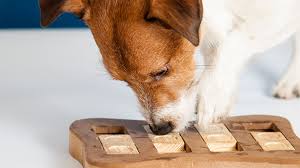
Handing a frantic pup a heavy bone is supposed to buy an hour of peace, but it frequently ends in a terrifying emergency vet visit. The absolute safest long-lasting dog chews completely avoid synthetic rawhides and rock-hard antlers, relying instead on fully digestible, single-ingredient animal parts like dehydrated beef tracheas and thick bully sticks. The biggest takeaway for immediate canine safety is utilizing the “Kneecap Rule”: if a treat is too dense to smack forcefully against a human knee without severe pain, it will absolutely fracture canine tooth enamel.
Protecting those vital teeth requires ditching mass-market pet store gimmicks for biologically appropriate, highly digestible animal proteins.
Why Are Traditional Rawhide Treats Dangerous For Dogs?
Walk down any pet store aisle, and the shelves are dominated by brightly colored, tightly knotted rawhide bones marketed as dental aids. What the packaging completely fails to disclose is that rawhide is a heavily processed byproduct of the leather industry, not the meat industry. To achieve that pristine white appearance, the hides are soaked in highly toxic bleach and chemical preservatives that are incredibly harsh on canine organs.
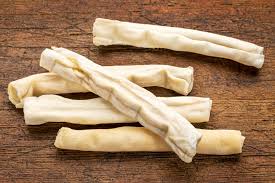
Beyond the chemical load, rawhide poses a massive, fatal risk of intestinal blockage, especially for robust breeds like Golden Retrievers that gulp their food. When swallowed in large, unchewed chunks, the rawhide absorbs stomach acids and swells massively, creating a completely indigestible physical plug in the intestines. Emergency surgical removal of these swollen rawhide knots is one of the most common, entirely preventable surgeries performed in veterinary hospitals today.
🐾 Snoutbit Pro-Tip: If a dog currently possesses a stash of commercial rawhide, throw it directly into the outdoor trash bin immediately. Replace them instantly with safe, highly digestible alternatives like dehydrated pork skin rolls or thick, natural beef tendons.
What Is The “Kneecap Rule” For Safe Dog Chews?
Veterinary dentists created the “Kneecap Rule” as a foolproof, physical test to determine if a chew toy will destroy expensive tooth enamel. Take the intended bone or hard chew and smack it forcefully against a bare human kneecap. If the impact causes immense, bruising pain, that product is entirely too dense and will eventually cause a devastating slab fracture on a dog’s back molars.
The canine jaw possesses immense crushing power, easily generating hundreds of pounds of pressure per square inch. When a powerful breed bites down on an unyielding object, the jaw muscles continue to contract, but the object refuses to give way. The force completely transfers back into the tooth, violently snapping the delicate enamel and exposing the agonizingly sensitive raw nerve root.
Do Elk Antlers And Hooves Cause Dental Fractures?
Antlers, cow hooves, and sterilized marrow bones are heavily marketed as “natural” and highly durable solutions for aggressive chewers. However, these specific items are universally despised by veterinary dental specialists because their density far exceeds the structural limits of a dog’s teeth. In our years of rehabilitating aggressive chewers, we frequently see households deal with multi-thousand-dollar extraction bills simply because they gave a Staffy a heavy elk antler.
One specific case involved a young rescue pup who shattered his back molar entirely within ten minutes of receiving a sterilized marrow bone, resulting in agonizing emergency surgery. While these products last forever, the financial and physical cost of broken teeth completely negates any temporary chewing enrichment they provide. The goal of chewing is to allow the teeth to sink in, scrape against a fibrous texture, and massage the gum line safely.
🚨 Vet Fact: A fractured carnassial tooth (the largest upper premolar) is not just a cosmetic issue; it creates a direct pathway for aggressive oral bacteria to enter the bloodstream. This massive bacterial load travels straight to the canine heart, actively damaging the delicate valves and causing fatal endocarditis over time.
What Are The Safest Long-Lasting Dog Chews?
Replacing dangerous commercial treats with single-ingredient, highly digestible animal parts is the ultimate upgrade for any canine household. These biological chews break down efficiently inside the highly acidic canine stomach, drastically reducing the risk of a terrifying intestinal blockage.
- Bully Sticks: High-protein, dense beef muscle that softens as the dog chews, providing incredible mechanical scraping action for dirty teeth.
- Dehydrated Beef Tracheas: Rich in naturally occurring glucosamine and chondroitin, making them phenomenal, joint-supporting treats for active, heavy-boned breeds.
- Beef Collagen Sticks: A safer, fully digestible alternative to rawhide that lasts remarkably long and actively supports a vibrant, shiny coat.
How Do You Prevent Choking On Small Chew Remnants?
Even the absolute safest, most digestible chew becomes a severe choking hazard once the dog works it down to a tiny, swallowable nub. High-drive working breeds are notorious for attempting to swallow the last two inches of a bully stick entirely whole. To prevent this terrifying airway emergency, always utilize a heavy-duty, locking chew holder designed specifically to grip the end of the treat.
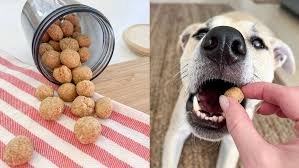
These specialized, hard rubber grips clamp onto the final inches of the chew, making it physically impossible for the dog to swallow the nub. Once the dog has chewed down to the rubber grip, simply unscrew the device and throw the small, slimy remnant into the trash.
🐾 Snoutbit Pro-Tip: Hydration plays a massive role in canine dental safety, especially when dogs consume high-protein, dehydrated animal parts. Always provide a massive bowl of fresh water directly beside the dog’s chewing mat to help wash the dense protein smoothly through the digestive tract.
How Does Australian Summer Heat Affect Dog Treats?
Local environmental extremes act as massive, hidden multipliers for canine frustration and completely alter how enrichment treats should be utilized. During the brutal, sweltering heat of an Australian outback summer or a highly humid US August, standard outdoor exercise becomes incredibly dangerous. When robust working breeds like Kelpies and Blue Heelers are trapped indoors for heat safety, their unspent energy rapidly turns into destructive anxiety.
This is precisely where high-value, safe chewing items transform into an absolute household lifesaver. We heavily recommend taking a hollow beef trachea, filling it completely with dog-safe peanut butter or mashed sweet potato, and freezing it solid. Giving this frozen, durable treat to a frustrated dog provides over an hour of intense, cooling mental enrichment while the pavement outside remains dangerously hot.
Furthermore, intense regional tick seasons frequently trap energetic dogs inside to avoid tall, infested coastal grasses. Frozen, complex chews flawlessly replace the intense mental stimulation lost when wooded hiking spots are temporarily off-limits.
What Is The “Treat Tax” For Weight Management?
A massive, advanced oversight in modern dog ownership is completely ignoring the incredibly dense caloric load of natural animal chews. A single twelve-inch bully stick can contain over two hundred calories, which is a massive nutritional spike for a small companion breed. Handing a stout Frenchie a massive chew every single day without reducing their dinner portion leads straight to rapid, life-shortening obesity.
To maintain a razor-thin body condition, households must implement a strict, mathematical “Treat Tax” for every single long-lasting chew provided. Calculate the approximate caloric value of the dehydrated treat, and immediately deduct that exact amount of kibble from the dog’s evening bowl. This elite strategy allows dogs to enjoy their vital chewing enrichment without carrying inflammatory excess weight on their fragile joints.
🚨 Vet Fact: Chewing acts as a massive biological stress-reliever for canines by actively triggering the release of serotonin and dopamine in the brain. A daily, twenty-minute chewing session is scientifically proven to lower a dog’s resting heart rate and reduce circulating cortisol levels effectively.
How Should Families Manage Resource Guarding With Treats?
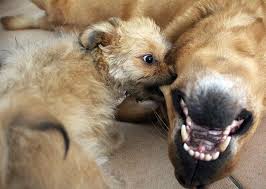
Introducing extremely high-value, meaty chews into a multi-dog household frequently triggers deeply ingrained, dangerous resource guarding behaviors. When a dog possesses something biologically incredible like a raw marrow bone, their ancestral instinct tells them to defend it aggressively from all perceived threats. We constantly see well-meaning families make the critical error of leaving high-value chews scattered freely in the living room, inviting intense competitive tension.
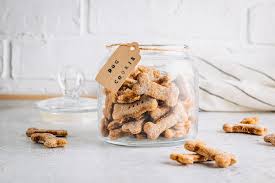
In a recent behavioral consultation, two bonded Golden Retrievers started violently fighting over a single bully stick because the social pressure became overwhelmingly intense. We consistently advise creating strictly designated, entirely separate “chew zones” using sturdy physical barriers like baby gates or closed bedroom doors. Removing the competitive social pressure prevents fighting entirely and allows both dogs to actually drop their guard and relax while chewing.
When Should A Dog Chew Be Thrown Away?
No chew is designed to last forever, and allowing a dog to harbor old, decaying animal parts is highly unsanitary. If a natural chew goes completely ignored for more than forty-eight hours, it has lost its novelty and should be discarded to prevent dangerous bacterial blooms. Furthermore, any chew that suddenly develops sharp, splintered edges during a session must be confiscated and thrown out instantly to protect the stomach lining.
What To Do Next
Providing safe, heavy-duty chewing outlets does not require risking massive veterinary dental bills or fatal intestinal blockages. By strictly avoiding dense antlers and toxic rawhides, pet parents can safely satisfy their dog’s deepest biological urges. Focus entirely on highly digestible, single-ingredient animal parts to keep those canine brains exhausted and those teeth perfectly intact.
Here are two simple, immediate steps to take today to upgrade the household treat stash:
- Conduct The Kneecap Test: Walk over to the dog’s toy bin right now, grab their favorite hard chew bone, and gently hit it against a bare knee. If it hurts the knee, throw it directly into the trash bin to prevent a devastating future tooth fracture.
- Prep A Frozen Trachea: Purchase a high-quality, dehydrated beef trachea from a reputable pet supply store this afternoon. Stuff the hollow center with mashed sweet potato, freeze it completely solid overnight, and serve it tomorrow for an hour of safe, cooling mental enrichment.
Disclaimer: The content on Snoutbit.com is for informational and educational purposes only and is not intended to replace professional veterinary advice, diagnosis, or treatment. Always consult with your veterinarian before making significant changes to your dog’s diet, exercise routine, or health regimen.