Does Dog Dental Powder Actually Work For Bad Breath?
Recoiling from a loving lick because a dog’s breath smells like rotting fish is a miserable experience for dedicated pet parents. Trying to brush those tartar-covered teeth usually devolves into a stressful wrestling match, leaving gums bleeding and both human and hound completely exhausted. The ultimate, stress-free solution for pristine oral health is high-quality dog dental powder.
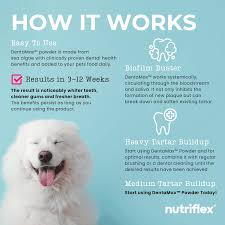
Dog dental powder absolutely works by utilizing a specific strain of brown kelp (Ascophyllum nodosum) to systemically alter the chemistry of canine saliva. Sprinkling this fine powder onto a daily meal actively softens existing plaque and prevents new tartar from hardening on the gum line. It is the single easiest way to eliminate foul breath and protect vital tooth enamel without ever touching a toothbrush.
How Do Seaweed Dental Powders Clean Dog Teeth?
Most commercial dental treats rely on mechanical scraping to remove surface grime from the teeth. Dental powders operate on an entirely different, microscopic level that makes them far more effective for long-term oral health. The magic lies entirely inside the specific type of seaweed harvested from cold North Atlantic waters.
When a dog consumes this specialized kelp powder, the natural compounds are rapidly absorbed directly into the bloodstream during digestion. These active ingredients are then secreted back out through the salivary glands, bathing the entire mouth in tartar-fighting enzymes around the clock. This constant wash of altered saliva physically breaks the bacterial bonds holding plaque to the tooth enamel.
Can Saliva Chemistry Break Down Canine Plaque?
This systemic salivary shift is an advanced biological process rarely explained on the back of standard pet store packaging. Unlike abrasive toothpastes that only work during the two minutes of active brushing, dental powder works twenty-four hours a day. The altered saliva turns rock-hard calculus into a soft, mushy paste that naturally flakes off while the dog chews regular food.
In years of rehabilitating highly anxious rescue dogs, forcing a toothbrush into a fearful mouth often destroyed months of hard-earned trust. One specific case involved a terrified Staffy mix with severe dental disease who would defensively snap at any hand near his face. Adding a pure kelp dental powder to his dinner bowl melted away the worst of the tartar within six weeks, requiring zero physical handling or stress.
🐾 Snoutbit Pro-Tip: Always wait to introduce dental powder until after a dog has fully finished teething, typically around six to seven months of age. The intense hormonal shifts and inflamed gums during puppy teething make it difficult to gauge if the powder is actually working effectively.
Are Dog Dental Powders Safe For Daily Use?
For the vast majority of healthy adult dogs, daily kelp supplementation is incredibly safe and highly beneficial for overall digestion. The naturally occurring vitamins and minerals in brown seaweed support a vibrant, shiny coat while simultaneously tackling the oral bacterial load. However, meticulous label reading is mandatory because the pet supplement industry remains highly unregulated.
Avoid any dental powders containing cheap fillers, artificial flavorings, or hidden sugars like maltodextrin. Sweeteners aggressively feed the exact same oral bacteria the powder is actively trying to destroy, completely neutralizing the product’s effectiveness. The ingredient panel should list 100% pure Ascophyllum nodosum or a blend of targeted, pet-safe probiotics, and absolutely nothing else.
What Is The Hidden Thyroid Risk In Kelp Powders?
Here is a critical, advanced medical insight that many generic pet blogs completely overlook when recommending daily seaweed supplements. Kelp is extraordinarily rich in naturally occurring iodine, a trace mineral that heavily influences canine thyroid function. Feeding massive scoops of dental powder can easily trigger an iodine overdose, severely disrupting the endocrine system over time.
This risk is particularly dangerous for specific breeds already prone to hypothyroidism, such as Golden Retrievers and Dobermans. Over-supplementation forces the thyroid gland to shut down natural hormone production, leading to rapid weight gain, extreme lethargy, and tragic hair loss. Sticking strictly to the microscopic dosage recommended on the bottle is an absolute requirement for total canine safety.
How To Use Dental Powder For Dogs Effectively?
Integrating this powerful supplement into a daily routine is remarkably simple, but correct application dictates the speed of the visual results. The fine green dust must be thoroughly mixed into the dog’s primary food source to ensure they consume the entire dose. Simply dumping dry powder over standard kibble often results in the heavy dust sinking to the bottom of the bowl, completely untouched.
For dry kibble feeders, adding a splash of warm bone broth or a spoonful of plain yogurt helps the powder stick directly to the biscuits. Wet food or raw diet feeders can simply stir the required dosage right into the meat mixture before serving. Consistency is the ultimate key; missing several days in a row allows the oral bacteria to immediately re-establish their rock-hard defenses.
🚨 Vet Fact: Canine periodontal disease is not just an isolated mouth problem; it is a severe systemic health crisis. The aggressive bacteria from infected, bleeding gums easily enter the bloodstream and actively damage the delicate valves of the canine heart over time.
Does Heat Destroy Dental Powder Enzymes?
A massive, frequent mistake observed in the pet community involves owners accidentally destroying the product before the dog even eats it. Many pet parents try to entice picky eaters by pouring boiling hot water or heated gravy over the food bowl. Applying intense heat directly to raw kelp completely denatures the fragile enzymes and probiotics required to soften the dental plaque.
The powder effectively becomes inert, expensive green dust offering zero tartar-fighting benefits. Always wait until heated foods or warm broths have cooled down to a safe, lukewarm room temperature before mixing in the dental supplement. This preserves the delicate biological integrity of the ingredients, ensuring maximum absorption inside the digestive tract.
Can Dental Powder Replace Brushing Entirely?
While oral supplements work absolute miracles on foul breath, they are not a magical, standalone cure for severe, rotting teeth. Dental powder acts exactly like mouthwash does in a human hygiene routine; it is a powerful preventative tool, not a complete replacement for friction. It excels at softening the plaque, but the dog still requires mechanical chewing action to physically wipe that softened paste away.
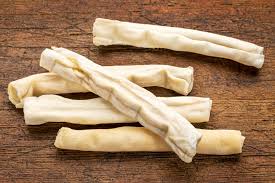
This is why combining a high-quality powder with strategic chewing enrichment creates the ultimate, flawless oral defense system. Providing durable, natural chews like dehydrated beef tracheas or raw, non-weight-bearing bones allows the dog to safely scrape their own teeth clean. During the brutal, sweltering heat of an Australian summer, freezing these chews offers vital cooling enrichment while safely knocking off the weakened tartar.
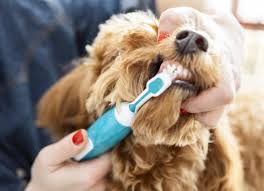
Robust working breeds like Kelpies and Blue Heelers often suffer from cracked teeth when given overly dense, sterilized marrow bones. Swapping rock-hard antlers for softer, digestible chews protects their enamel while letting the dental powder do the heavy lifting. The combination of systemic saliva changes and safe mechanical scraping virtually eliminates the need for traumatic, expensive veterinary dental scaling.
🐾 Snoutbit Pro-Tip: Take a clear, well-lit photograph of the dog’s back molars on the very first day of using the dental powder. Because the tartar softens and flakes off gradually over several weeks, having a baseline photo is the only reliable way to track the actual visual progress.
Are There Side Effects To Dog Dental Powder?
Introducing any new, highly concentrated supplement to a canine diet carries a slight risk of mild, temporary gastrointestinal upset. Pure seaweed extract is incredibly rich and can sometimes loosen the stools during the first few days of use. To avoid explosive diarrhea, smart owners introduce the powder at exactly half the recommended dose for the first week.
This agonizingly slow transition allows the canine gut microbiome to properly adjust to the influx of new marine minerals and fiber. If a dog develops chronic vomiting or severe itching after starting a kelp supplement, immediately discontinue use. This rare reaction often indicates a highly specific marine allergy, requiring a completely different approach to their oral healthcare routine.
Experienced trainers frequently witness owners abandoning the product entirely just because the dog initially turns their nose up at the oceanic smell. Frenchies, notoriously stubborn eaters, might simply refuse a bowl covered in unfamiliar, fishy-smelling green dust. Starting with a literal pinch of powder completely hidden inside high-value wet food quickly overcomes this temporary canine skepticism.
What To Do Next
Defeating horrific dog breath and protecting vital teeth no longer requires wrestling a terrified animal to the bathroom floor. By leveraging the advanced biological power of natural sea kelp, maintaining a pristine canine mouth becomes totally effortless. Protecting those canine teeth adds years of comfortable, pain-free life to a faithful companion.
Here are two simple, immediate steps to take today to stop the stinky breath:
- Audit The Current Treats: Immediately throw away heavily processed, starchy dental sticks that are loaded with wheat and sugar, as these actively feed plaque-causing bacteria.
- Start The Baseline Photo Test: Lift the dog’s upper lip right now and snap a clear picture of the stained back molars on a smartphone to officially document the starting line before ordering a pure Ascophyllum nodosumpowder.
Disclaimer: The content on Snoutbit.com is for informational and educational purposes only and is not intended to replace professional veterinary advice, diagnosis, or treatment. Always consult with your veterinarian before making significant changes to your dog’s diet, exercise routine, or health regimen.