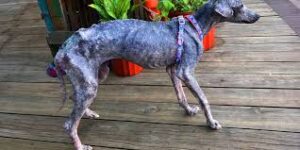
You bought a Chinese Crested expecting a low-maintenance, hypoallergenic purse dog, but instead, you are dealing with severe canine acne, relentless barking, and a dog that scales your furniture like a cat. Are Chinese Cresteds easy dogs to own? No, they require intense, specialized skin care, strict dental monitoring, and high-level behavioral enrichment to prevent destructive anxiety and physical discomfort. The biggest problem owners face is falling for the three most dangerous breed myths: that “hairless” means zero grooming, that the coated “Powderpuff” is a separate breed, and that they are fragile lap dogs with no drive.
In my 15 years as a pet behaviorist, working with clients from the sweltering apartments of Miami to the intense coastal climates of Sydney, Australia, I have seen these exact misconceptions destroy the human-animal bond. Here at Snoutbit, we are tearing down the fiction. Here is the veterinary-backed, behavioral truth you need to finally understand the brilliant, complex dog sitting in your living room.
Overview Mind Map: Chinese Crested Reality Check
- Core Issue: Treating a complex, primitive ratter like a passive fashion accessory.
- Myth 1: Hairless = Maintenance-Free. (Reality: Severe acne, blackheads, and sunburn risks).
- Myth 2: Powderpuffs are a Different Breed. (Reality: Born in the same litter, requiring double the grooming).
- Myth 3: They are Fragile Lap Dogs. (Reality: Highly athletic escape artists with unique “hare feet”).
Myth 1: “Hairless Means They Are Maintenance-Free”
I frequently consult with exhausted owners who surrendered their previous heavy-shedding dogs for a Hairless Chinese Crested, completely assuming a dog without fur is a dog without a grooming bill. The exact opposite is true. Without a protective coat, their bare skin is highly exposed to environmental allergens, brutal UV rays, and severe temperature fluctuations.
If you live in the sun-drenched US Sunbelt or face the intense UV index of Queensland, Australia, your dog’s skin is constantly under siege. Their skin operates remarkably like human skin; they sweat through their body, they get sunburned, and they are incredibly prone to severe cystic acne and blackheads.
Ignoring their skin routine leads to painful, weeping sores that require expensive veterinary antibiotics to cure. You must build a proactive, weekly skincare regimen to keep their lipid barrier intact.
Pro-Tip: The Canine Oil Cleansing Method
Do not use harsh human acne washes containing salicylic acid on your Crested; it completely destroys their natural acid mantle. Instead, use the “Canine Oil Cleansing Method.” Massage a few drops of organic, cold-pressed jojoba oil into their skin to gently dissolve stubborn blackheads before bathing them with a specialized, vet-approved chlorhexidine shampoo.

Do Chinese Crested Dogs Need Sunscreen?
Yes, absolutely. However, slathering them in cheap human sunscreen from the supermarket is a massive behavioral and medical mistake. Dogs lick themselves constantly, and the zinc oxide found in many human sunscreens is highly toxic to canines, leading to severe gastrointestinal distress and red blood cell damage.
You must purchase a dog-specific, lick-safe sunblock. Better yet, bypass the topical chemicals entirely and invest in UPF 50+ UV-blocking canine apparel. A lightweight, breathable sun-shirt provides guaranteed protection without clogging their highly sensitive pores.
How Do You Clear Up Chinese Crested Acne?
Canine acne in this breed is usually triggered by clogged hair follicles (from dead skin cells) and trapped environmental dirt. You must physically exfoliate them, but you cannot use harsh scrubbing brushes.
My proven Crested exfoliation routine:
- Soak the dog in a warm bath for five minutes to open the pores.
- Use a pair of textured, exfoliating “pimple mitts” (often sold for human faces) to gently massage their skin in circular motions.
- Follow up immediately with a lightweight, dog-safe moisturizer like pure coconut oil or a shea butter lotion to lock in hydration.
Myth 2: “The Powderpuff is a Completely Different Breed”
This is a massive point of confusion for new owners. You will often see a fully coated, long-haired dog advertised alongside a hairless one, leading people to believe they are two completely different breeds.
They are the exact same breed. In fact, a Hairless and a Powderpuff are almost always born in the exact same litter. The hairless trait is a dominant genetic mutation. However, the gene is “lethal homozygous,” meaning if a puppy inherits two copies of the hairless gene, it will not survive in the womb.
To keep the bloodlines healthy and viable, ethical breeders must constantly pair Hairless dogs with fully coated Powderpuffs.

Are Powderpuff Chinese Cresteds Hypoallergenic?
Many US and Australian families specifically seek out this breed hoping for a 100% hypoallergenic experience. While the Hairless variety drops virtually no hair, the Powderpuff is a different story.
They possess a very unique double coat. Unlike a Labrador that sheds its short hairs constantly, the Powderpuff has a long, silky outer coat and a dense, wooly undercoat. They do not shed heavily around your house, making them generally well-tolerated by allergy sufferers, but their loose hairs instantly become trapped against their body.
If you do not brush a Powderpuff every single day, that trapped undercoat will rapidly twist into agonizing, solid mats close to the skin.
Pro-Tip: The “Line-Brushing” Technique
You cannot just run a brush over the top of a Powderpuff’s coat; this completely misses the mats forming at the root. You must use “Line-Brushing.” Use one hand to push the long coat entirely up toward their spine, exposing the bare skin. Take a high-quality pin brush and pull down small, one-inch sections of hair at a time, ensuring you are brushing from the skin all the way to the tip.
Why Do Powderpuffs Require More Grooming?
The irony of the Chinese Crested is that the “hairy” version often requires significantly more daily physical labor than the hairless one. Their coat is incredibly fine and prone to breakage.
If they wear a standard nylon walking harness, the friction will quickly snap their delicate hairs, leaving them looking ragged and patchy. You must use specialized rolled-leather collars or friction-free, satin-lined harnesses to protect their intricate coats during your daily walks.

Myth 3: “They Are Fragile, Shivering Purse Dogs”
Because they weigh under 12 pounds and are frequently seen shivering in designer sweaters, pop culture has labeled them as fragile, passive accessories. This myth actively destroys their behavioral health.
Before they were internet famous, Chinese Cresteds served as elite ratters on ancient Chinese trading vessels. They were bred to hunt, chase, and kill disease-carrying rodents on moving ships. They are highly agile, fiercely intelligent working terriers trapped in a tiny, hairless body.
When you treat them like a fragile porcelain doll—refusing to walk them, carrying them everywhere, and denying them mental enrichment—they develop severe neurotic behaviors. A bored Crested will engage in relentless nuisance barking, destructive chewing, and intense separation anxiety.
Why Does My Chinese Crested Climb Furniture?
Here is a piece of advanced Information Gain that most standard training blogs completely miss: Chinese Cresteds possess a highly unique physical anatomy called “hare feet.”
Unlike most dogs with round, compact “cat feet,” Cresteds have exceptionally elongated toes. These long toes act remarkably like human fingers. They can actively grip toys, climb chainlink fences, and scale your living room bookshelves with terrifying agility.
They are vertical climbers. If you leave a plate of food on your kitchen counter, a determined Crested will easily figure out how to scale a barstool to get it. You must dog-proof your home vertically, not just horizontally.
Pro-Tip: Soft Treats for Missing Dentition
The genetic mutation that causes their hairlessness is directly linked to their dental development. Hairless Cresteds frequently have missing, peg-like, or forward-pointing teeth. Never use hard, crunchy kibble as a training reward; it is physically uncomfortable for them to chew. You must negotiate with soft, high-value rewards like plain hot dogs, boiled chicken, or liver paste.
Are Chinese Cresteds Hard to Train?
They are not hard to train, but they are incredibly sensitive to your tone and mood. Because they are a primitive breed, they do not respond to heavy-handed dominance training or loud scolding.
If you yell at a Chinese Crested, they will completely shut down, tuck their tail, and refuse to participate in the training session. You must use high-energy, positive reinforcement. Keep your training sessions strictly under five minutes to prevent them from getting bored and walking away.
What to Do Next to Master Your Chinese Crested
You now have the specialized, breed-specific knowledge required to bypass their behavioral quirks and protect their incredibly sensitive biology. Do not let outdated pop-culture myths dictate how you raise your best friend.
Your Actionable Next Steps:
- Audit Your Skincare Routine: Throw away the human sunscreen and harsh acne washes today. Purchase organic jojoba oil, a chlorhexidine veterinary shampoo, and a UPF 50+ sun-shirt to protect their skin barrier immediately.
- Upgrade Your Training Rewards: Check your treat pouch. Because of their genetic dental limitations, you must immediately switch from hard biscuits to soft, highly aromatic proteins to command their attention.
- Provide Vertical Enrichment: Acknowledge their “hare feet” and climbing instincts. Instead of scolding them for jumping on the sofa, build them a sanctioned, carpeted climbing ramp or provide complex puzzle toys that require them to use their paws to retrieve the food.
When you stop treating them like a fragile accessory and start respecting their athletic, rat-hunting heritage, your Chinese Crested will transform into the most entertaining, fiercely loyal companion you will ever own.
Disclaimer: This article is for informational purposes only and does not constitute veterinary medical advice. Always consult with a licensed veterinarian before altering your pet’s diet, starting a new training regimen, or addressing health concerns.