Is your Shiba Inu terrified of strangers or reactive with dogs? Discover vet-approved socialization secrets to fix fear-based aggression permanently.Did you bring home a fluffy puppy, only to end up with a dog that cowers at guests or lunges at other pets? Can you fix a poorly socialized Shiba Inu? Yes, but you must actively use counter-conditioning and systematic desensitization to rewrite their primitive fear responses. This ancient basal breed is genetically wired to be highly suspicious of novel things. If you miss their critical developmental window, that natural aloofness permanently hardwires into severe fear-based reactivity.
As a veterinary behavioral specialist, I see this heartbreak constantly. Whether you live in a busy American suburb or a quiet Australian coastal town, a terrified dog is a massive liability. Here is the exact blueprint to rebuild your dog’s confidence safely and effectively.
Overview Mind Map: Shiba Socialization Blueprint
- Core Problem: Hardwired primitive instincts and missed developmental windows.
- The Agitation: Fear-biting, social isolation, and extreme owner anxiety.
- Key Concept: Socialization means neutral exposure, not forced physical interaction.
- Immediate Action: Controlled desensitization using extremely high-value food rewards.
- Long-Term Goal: A neutral, calm dog that actively ignores triggers rather than reacting.
The Problem: Understanding The Primitive Canine Brain
To fix the fear, you must first completely understand canine neurology. Shiba Inus are not Golden Retrievers; they are a basal breed with DNA closely linked to wolves. Their survival historically depended on extreme caution and rapid threat detection in harsh environments.
Genetics Over Environment
This hyper-vigilance is a biological feature, not a behavioral bug. When your Shiba acts terrified of a harmless garbage can or a new neighbor, they are not being dramatic. Their brain is genuinely screaming that they are in immediate, mortal danger.
You cannot punish this fear out of them. Correcting a terrified dog physically will only confirm their suspicion that the world is a dangerous, unpredictable place.
The Critical Socialization Window
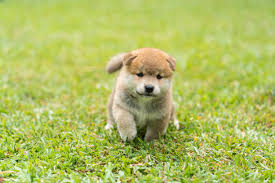
The canine socialization window is shockingly brief, firmly closing between 12 and 16 weeks of age. During this brief period, a puppy’s brain is highly elastic and desperately absorbing data about what is safe and what is a threat.
If they are not positively exposed to a massive variety of sights, sounds, and textures during this exact timeframe, their brain permanently defaults to fear. Bottom-line takeaway: A lack of early, positive exposure directly causes adult reactivity.
Navigating the Puppy Socialization Paradox
Many owners inadvertently cause adult reactivity by keeping their puppies completely isolated indoors. They do this out of a genuine, but misplaced, fear of deadly viruses like Parvovirus.
The Vaccine Wait Period Myth
Historically, veterinarians advised keeping puppies inside until they were fully vaccinated at 16 weeks. However, modern veterinary behavioral medicine has drastically updated this protocol. The American Veterinary Society of Animal Behavior explicitly states that the risk of death from behavioral issues vastly outweighs the risk of contracting Parvovirus in safe environments.
If you wait until 16 weeks to introduce your dog to the outside world, the socialization window is already slammed shut. You will be raising a dog that is terrified of everything outside its own living room.
Safe Exposure Strategies Before Full Vaccination
You must socialize your puppy creatively while still protecting their physical health. Avoid high-risk areas like public dog parks, pet store floors, or heavily trafficked hiking trails.
Carry your puppy in a sling to outdoor cafes so they can safely watch traffic and people. Take them on car rides, let them walk on clean concrete, and arrange private playdates with healthy, fully vaccinated adult dogs in secure backyards.
The Agitation: When Natural Aloofness Turns Into Reactivity
The real nightmare begins when owners mistake early signs of fear for a “cute, shy personality.” This ignorance allows the underlying anxiety to fester and multiply. Eventually, the dog’s subtle avoidance behaviors escalate into active, dangerous defense mechanisms.
The Danger of Fear-Biting
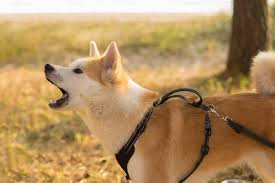
When a Shiba Inu feels cornered, their fight-or-flight response fully activates. If they are attached to a leash and cannot flee the situation, they will absolutely choose to fight. This results in devastating fear-bites directed at well-meaning strangers or children who try to pet them without permission.
A single bite incident fundamentally changes your life forever. It introduces massive legal liabilities, potential council restrictions, and forces you into a state of constant hyper-vigilance.
Isolation and Owner Frustration
In modern, dog-centric cultures across the US and Australia, having an aggressive dog is deeply isolating. You can no longer visit the beach, sit outside at local restaurants, or easily invite friends over for dinner.
The dog becomes a source of immense daily stress rather than a relaxing companion. Owners often feel trapped, resenting the pet they originally loved, while the dog remains trapped in a state of perpetual panic.
The Solution: Vet-Approved Counter-Conditioning
You must entirely reboot how your dog perceives the outside world. This is achieved through a strict, scientifically proven process called counter-conditioning. We are actively going to change their underlying emotional response from panic to anticipation.
Mastering Systematic Desensitization
Systematic desensitization involves exposing your dog to their exact triggers at a distance where they feel completely safe. If they are terrified of men wearing hats, you start your training by standing 100 feet away from a man in a hat.
As long as the dog remains calm and takes food, you slowly close the distance over weeks or months. If the dog barks, lunges, or refuses food, you have pushed them over their fear threshold and must immediately back away.
The Power of High-Value Reinforcement
To rewrite a deeply ingrained panic response, the reward must be utterly spectacular. Dry supermarket kibble will absolutely not work when your dog’s adrenaline is pumping. You must find their absolute favorite food and use it exclusively for socialization training.
Top-tier reward options for counter-conditioning:
- Fresh, boiled chicken breast pulled into tiny, easily swallowable shreds.
- Plain, cooked hot dogs cut into pea-sized pieces.
- Dog-safe peanut butter squeezed directly from a silicone travel tube.
- Small, soft cubes of mild cheddar cheese.
Managing Adult Shiba Inu Socialization
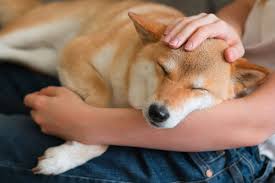
Rehabilitating a fearful adult dog takes significantly longer than properly training a blank-slate puppy. Their neural pathways are firmly established, meaning you are fighting against years of deeply ingrained habits. Extreme patience and consistency are your only paths forward.
Realistic Expectations for Basal Breeds
You must set realistic, achievable goals for this specific breed type. A successfully rehabilitated Shiba Inu will likely never be a social butterfly that actively seeks out hugs from strangers. Success looks like a dog that can calmly walk past a busy cafe without panicking, growling, or lunging. The ultimate goal is complete neutrality, not overwhelming friendliness. They should learn to simply ignore the things that used to terrify them completely.
Safe Introductions to New Dogs
Never force your Shiba into a crowded, chaotic dog park to “socialize” them. This reckless strategy often results in immediate fights and sets your behavioral training back by months. Introduce them to other dogs using controlled, parallel walking techniques.
Walk both dogs on leashes in the exact same direction, keeping about 20 feet of safe distance between them. Slowly close the gap over the course of a structured 30-minute walk. This removes the intense pressure of direct eye contact and allows them to safely assess each other through scent.
If you manage their environment strictly, fiercely advocate for their personal space, and heavily reward brave behavior, you can slowly transform a terrified Shiba into a calm companion.
Disclaimer: This article is for informational purposes only and does not constitute veterinary medical advice. Always consult with a licensed veterinarian before altering your pet’s diet, starting a new training regimen, or addressing health concerns.