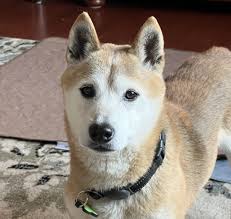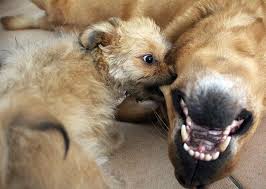
Did your internet-famous, fluffy puppy suddenly start growling at your guests or snapping when you take their toys? You are experiencing a terrifying reality shock. Can you fix a highly aggressive Shiba Inu? Yes, but you must identify their exact triggers and implement strict counter-conditioning immediately. Shibas are a primitive, basal breed, meaning their wild survival instincts dictate their behavior. Treating them like an eager-to-please toy breed will only force them to escalate their violence. You cannot punish the aggression out of them without causing permanent psychological damage.
This veterinary and behavioral guide provides a clear roadmap to decoding your dog’s dangerous behavior. We will show you exactly how to defuse these explosive situations safely.
Overview Mind Map: Shiba Reactivity Action Plan
- Core Problem: High genetic prey drive and deep-rooted resource guarding.
- The Agitation: Bites, social isolation, and potential local council restrictions.
- Trigger Identification: Mapping out “trigger stacking” and fear thresholds.
- Management: Basket muzzle training and strict environmental control.
- Medical Intervention: Fluoxetine or Gabapentin prescribed by a vet behaviorist.
The Problem: Understanding Primitive Canine Aggression
The root of most Shiba Inu aggression is rarely dominance or spontaneous malice. The problem is fundamentally based on intense fear and an overwhelming need to control vital resources.
They possess a highly reactive nervous system. When they feel threatened, their brain bypasses logical thought and instantly triggers a fight-or-flight response. Because they are often cornered in a house or attached to a leash, “fight” becomes their only option.
Decoding Resource Guarding in the Home
Resource guarding is the most common and dangerous behavioral issue in this breed. Your dog will aggressively protect high-value items like bones, their food bowl, a stolen sock, or even a specific sleeping spot.
Never physically rip an item out of a guarding dog’s mouth. This entirely validates their fear that you are a thief, guaranteeing they will bite harder the next time. They are operating on an ancient survival mechanism that tells them losing food means starvation.

The Danger of Trigger Stacking
Aggression rarely happens without warning; it is usually the result of “trigger stacking.” This occurs when multiple minor stressors pile up until the dog finally explodes over something seemingly trivial.
Perhaps a loud truck drove by, then a strange dog barked at the fence, and then a toddler hugged them too tightly. The final trigger—you reaching to pet them—results in a severe bite. Bottom-line takeaway: You must learn to read their subtle body language to intervene before they reach their breaking point.
Early warning signs of an impending bite:
- Hard staring and suddenly freezing in place.
- “Whale eye” (showing the whites of their eyes).
- Lip licking, yawning, or suddenly flicking their tongue.
- A low, sustained growl with stiff, forward-pointing ears.
The Agitation: When Growling Turns to Real Danger
Ignoring these early warning signs is a catastrophic mistake. The agitation occurs when owners hope the dog will simply “grow out of it,” only to end up with a severe bite wound requiring emergency surgery.
A dog that learns biting successfully makes scary things go away will use that strategy permanently. Your world will rapidly shrink as you stop inviting friends over and start walking your dog at midnight to avoid the public.
The Threat to Australian Wildlife and Pets
A reactive Shiba Inu with an unmanaged prey drive is a lethal threat to local wildlife and neighborhood cats. Their predatory sequence is lightning fast and deeply ingrained in their DNA.
If they redirect their frustration onto a smaller animal, the results are often fatal. This causes immense emotional trauma for the owner and creates massive legal liabilities. You are financially and legally responsible for any damage your dog causes to other animals.
Navigating Local Council Legalities
In Australia, a severe bite incident can result in your dog being formally declared a “Dangerous Dog” or “Menacing Dog” by your local council. This declaration triggers incredibly strict legal requirements.
You may be legally forced to build specialized enclosures, use a muzzle in all public spaces, and pay heavily inflated registration fees. In the absolute worst-case scenario involving severe injury to a human, the council may mandate euthanasia. Early intervention is literally a matter of life and death for your dog.
The Solution: Vet-Approved Behavioral Modification
You must entirely abandon the concept of being an “alpha” or physically dominating your dog. The solution relies entirely on science-based behavioral modification.
Your goal is to change their underlying emotional response to the things that terrify them. We achieve this through systematic desensitization and targeted counter-conditioning.
Implementing Strict Muzzle Training
A muzzle is not a punishment; it is a critical safety tool that buys you the time needed to train safely. Every reactive dog must be conditioned to wear a bite-proof basket muzzle.
The process must be incredibly slow and intensely rewarding.
- Step 1: Smear dog-safe peanut butter inside the muzzle and let the dog voluntarily lick it out while holding it in your hand.
- Step 2: Gently slip the straps over their ears for one second, reward heavily, and remove it immediately.
- Step 3: Slowly increase the duration over several weeks until they happily associate the muzzle with premium treats.
Winning the “Trade Game”
To cure resource guarding, you must teach your dog that giving things up is the most lucrative game in the world. This is known as the “Trade Game.”
If your Shiba steals a shoe, calmly walk over holding a piece of extremely high-value food, like boiled chicken breast. Toss the chicken a few feet away. When the dog drops the shoe to eat the chicken, calmly pick up the shoe and completely ignore the dog.
You are teaching them that relinquishing control safely results in a massive jackpot.
Professional Support and Medical Interventions
Severe behavioral issues cannot be fixed by watching internet videos. You are dealing with complex neurochemistry and deep-rooted psychological trauma.
If your dog has already broken skin, you must immediately seek professional help. Do not hire a standard obedience trainer who uses shock collars; they will only suppress the behavior until it explodes violently.
Consulting a Veterinary Behaviorist
A Veterinary Behaviorist is the canine equivalent of a human psychiatrist. They are fully licensed veterinarians who have completed years of specialized, post-doctorate training in animal psychology.
They will conduct a massive, multi-hour evaluation of your dog’s environment, genetics, and triggers. They are the only professionals legally qualified to prescribe the psychiatric medications often required to save reactive dogs.

Utilizing Anti-Anxiety Medications
Sometimes, a dog’s brain is so flooded with cortisol and adrenaline that learning is biologically impossible. In these cases, behavioral medication is a completely necessary medical intervention.
Veterinarians frequently prescribe daily SSRIs like Fluoxetine (Prozac) to lower the dog’s baseline anxiety. We may also use situational medications like Gabapentin or Trazodone before highly stressful events, like thunderstorms or vet visits.
Medication does not turn them into zombies; it simply lowers their panic threshold enough so that your behavioral training can actually penetrate their brain. With immense patience, strict safety management, and professional guidance, you can help your Shiba Inu live a safe, peaceful life.
Disclaimer: This article is for informational purposes only and does not constitute veterinary medical advice. Always consult with a licensed veterinarian before altering your pet’s diet, starting a new training regimen, or addressing health concerns.