6 Reasons Why It Is True That Miniature Dachshunds Are The Most Stubborn Dogs to Train
You are standing in your living room, staring at a fresh puddle on your expensive rug, wondering why your highly intelligent Miniature Dachshund absolutely refuses to pee outside. If you are currently questioning your sanity, let me validate your frustration right now.
It is entirely true that Miniature Dachshunds are among the hardest dogs to train because centuries of selective breeding for independent badger-hunting gave them a fierce, stubborn streak, while their small bladders and long spines create unique physical barriers to standard obedience.
I promise you, your dog is not broken, and they are not acting out of spite. They just operate on a completely different neurological frequency than a Golden Retriever. Here are the six exact reasons why your Mini Dachshund is ignoring you, and the behavioral hacks you need to outsmart them.
Reason 1: Their Badger-Hunting DNA Makes Them Independent Thinkers
People often look at a Miniature Dachshund and see a cute, comical lap dog. However, beneath that adorable, elongated exterior beats the heart of a fierce, subterranean hunter. They were originally engineered in Germany to dig into dark, dangerous burrows and fight angry badgers completely on their own.
Because they had to make life-or-death decisions underground without their human handler, they were bred to be highly independent thinkers. When you give a Mini Dachshund a command to "sit" or "come," they do not blindly obey to please you. They actively evaluate the situation, weigh the value of your reward, and decide if complying is worth their effort.
You cannot force this breed into submission using heavy-handed training methods or harsh corrections. If you try to physically dominate a Dachshund, they will dig their heels in, completely shut down, and tune you out.
Pro-Tip: The "Scent-Break" Recall Hack
When a Mini Dachshund locks onto an interesting smell in the yard, shouting their name is useless; their brain actually tunes out their ears to focus on their nose. Instead of yelling, try "Scatter Feeding." Toss a handful of high-value, smelly treats (like dried liver) directly into the grass near your feet. You are hijacking their natural foraging instinct, pulling their focus away from the distraction and back to you.
Reason 2: The Notorious Potty Training Battle
If we had to create a master list of breeds that are incredibly difficult to housebreak, the Miniature Dachshund would easily claim the top spot. Physically, they have incredibly small bladders, meaning young puppies simply cannot hold their urine for more than a few hours.
However, the biggest hurdle is their absolute disdain for inclement weather. Because their bellies are just inches off the ground, a morning dew in Seattle or a chilly Melbourne winter frost feels like a freezing bath against their bare skin. They will happily hold their bladder outside, only to sneak back into your climate-controlled living room to relieve themselves behind the sofa.
To beat this, you must set up an environment where failure is impossible. You have to go outside with them every single time, keeping them on a leash so they cannot wander off and pretend to pee.

Reason 3: Their Built-In Alarm System (Excessive Barking)
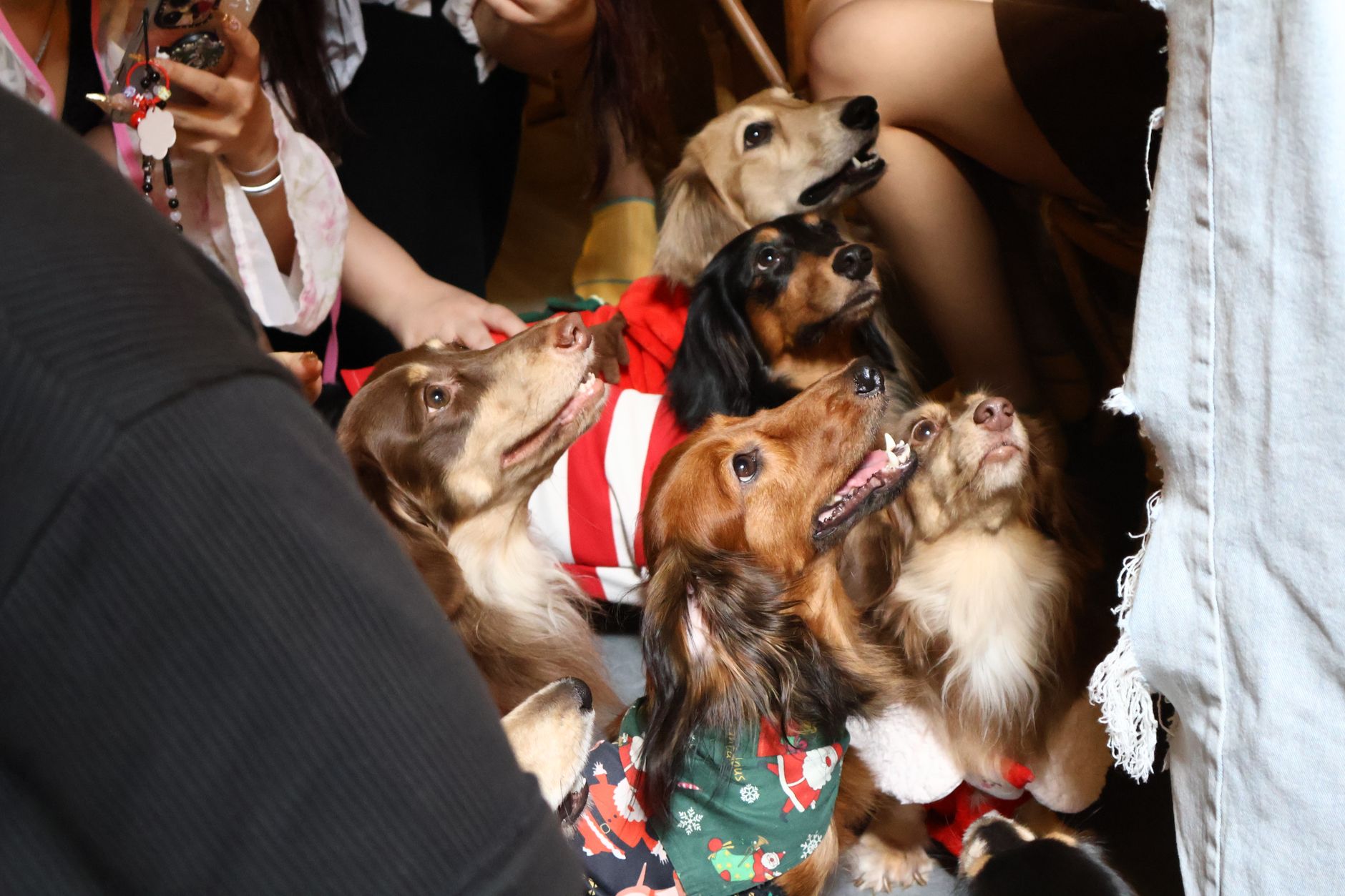
Do Miniature Dachshunds bark a lot? Yes, their bark is legendary, and it is shockingly loud for a dog of their size. Part of their original hunting duty was barking loudly underground so their owners could track their location from the surface.
This means Dachshunds are natural, genetically hardwired barkers who will sound the alarm at every delivery driver, falling leaf, or passing dog. Living in a tight US apartment complex or a shared Australian duplex can quickly become a nightmare if this instinct goes unchecked.
You cannot train the bark completely out of a hound, but you can teach an "off switch." Many owners accidentally reinforce barking by yelling "Quiet!" which the dog interprets as you simply barking along with them.
Pro-Tip: The "Thank You" Protocol for Barking
When your Dachshund barks at the window, calmly walk over, look out the window, and say, "Thank you, I see it." Then, immediately walk to the kitchen and open the fridge. Most Dachshunds are highly food-motivated and will immediately stop barking to follow you. Over time, you acknowledge their "warning" and immediately redirect their brain to a quiet, food-seeking behavior.
Reason 4: They Possess a Massive Prey Drive
Because they are hounds, their prey drive is lightning-fast and deeply ingrained. If they spot a squirrel, a rabbit, or even a fast-moving neighborhood cat, their recall training will instantly vanish from their brain. They will bolt after the animal with zero regard for oncoming traffic or their own safety.
This intense drive makes off-leash walking highly dangerous, especially in areas with unique wildlife. In Australia, a loose Dachshund chasing a blue-tongue lizard or a snake can easily end in a tragic veterinary emergency.
You must heavily manage their environment and utilize long-line leashes to give them freedom safely. Never assume that a perfectly trained Dachshund in the living room will be perfectly trained in an open park.
Reason 5: The "Velvet-Wrapped" Separation Anxiety
Miniature Dachshunds are fiercely loyal to their families, often bonding intensely to one specific person in the household. While this makes them incredibly affectionate "Velcro dogs," it also sets the stage for severe separation anxiety.
When their favorite human leaves the house, that loyalty rapidly morphs into deep panic. They may express this anxiety through destructive chewing, prolonged howling, or suddenly forgetting all their potty training.
Treating separation anxiety requires slow, methodical desensitization to your departure cues (like picking up your keys or putting on shoes). You cannot simply lock a panicked Dachshund in a crate and let them "cry it out," as this will permanently traumatize them.
Pro-Tip: The "Boring Departure" Rule
The biggest mistake owners make is throwing a guilt-ridden, emotional goodbye party before leaving the house. This spikes the dog's anxiety before you even touch the doorknob. Make your departures and arrivals incredibly boring; ignore your dog for the first five minutes after you walk inside to teach them that you coming and going is a totally normal, non-eventful routine.
Reason 6: When Stubbornness is Actually Silent Pain (IVDD)
In my behavioral practice, I constantly evaluate "stubborn" Mini Dachshunds who suddenly refuse to use the stairs, sit on command, or walk on a leash. More often than not, this is not behavioral defiance; it is a profound medical crisis.
Miniature Dachshunds are highly prone to Intervertebral Disc Disease (IVDD), a genetic condition where their spinal discs prematurely calcify and rupture. Because dogs inherently hide their pain to survive, the only symptom you might see is a sudden, extreme reluctance to move.
If your dog stands with a hunched, roached back, or shivers inexplicably, stop all obedience training immediately. Pushing a dog through spinal pain will lead to permanent hind-leg paralysis and a $10,000 emergency surgery bill.
Always consult your vet immediately if your Dachshund suddenly changes their mobility habits; early diagnosis is critical for IVDD recovery.
What to Do Next to Master Your Mini Dachshund's Training
You now know that your Mini Dachshund is not trying to make your life difficult; they are simply operating on centuries of hound genetics and a unique physical structure. You must stop trying to train them like a compliant Golden Retriever and start negotiating with them like the smart, independent hunters they are.
Your Actionable Next Steps:
- Upgrade Your Treats: Ditch the dry kibble during training sessions. You must use incredibly high-value, smelly rewards to command a hound's attention. I recommend tiny shreds of boiled chicken, freeze-dried liver, or dog-safe peanut butter in a squeeze tube.
- Invest in Ramps, Not Stairs: Protect their fragile spines immediately by purchasing high-quality, non-slip ramps for your beds and sofas.
- Create a "Wet Weather" Potty Plan: If you live in a rainy climate, buy a pop-up canopy or a large golf umbrella. Set up a dry "potty station" in the grass before it rains so your dog has a comfortable, dry patch of turf to use when the weather turns miserable.
Training a Miniature Dachshund requires immense patience, a great sense of humor, and absolute consistency. If you respect their intelligence and protect their physical limitations, that stubborn badger-hunter will transform into the most loyal, entertaining companion you will ever own.
Disclaimer: This article is for informational purposes only and does not constitute veterinary medical advice. Always consult with a licensed veterinarian before altering your pet's diet, starting a new training regimen, or addressing health concerns.