11 Bearded Dog Breeds With Faces Full of Character (2026 Guide)
Why Bearded Dogs Have So Much Character
Bearded dog breeds are instantly recognizable. That fringe of facial hair—sometimes wiry, sometimes silky—gives them an unmistakable look that ranges from wise and serious to mischievous or adorably grumpy. But those whiskers and beards aren't just for show. They developed alongside working histories that include hunting, herding, guarding, and companionship, giving each breed an unforgettable appearance.
In this guide, we'll meet 11 bearded breeds: the Miniature Schnauzer, Standard Schnauzer, Giant Schnauzer, Scottish Terrier, Bearded Collie, Airedale Terrier, Wirehaired Pointing Griffon, Soft Coated Wheaten Terrier, Brussels Griffon, German Wirehaired Pointer, and Bouvier des Flandres. Each one brings a unique personality and a face full of character. Whether you're drawn to a compact ratter or a substantial farm dog, there's a bearded breed to suit your lifestyle. We'll also cover the grooming these coats require—because those distinctive furnishings need consistent maintenance to stay tangle-free and clean.
Before choosing any breed, it's wise to consider what to know before getting a dog, since these companions are a long-term commitment.
The Schnauzer Family: Miniature, Standard, and Giant
Miniature Schnauzer
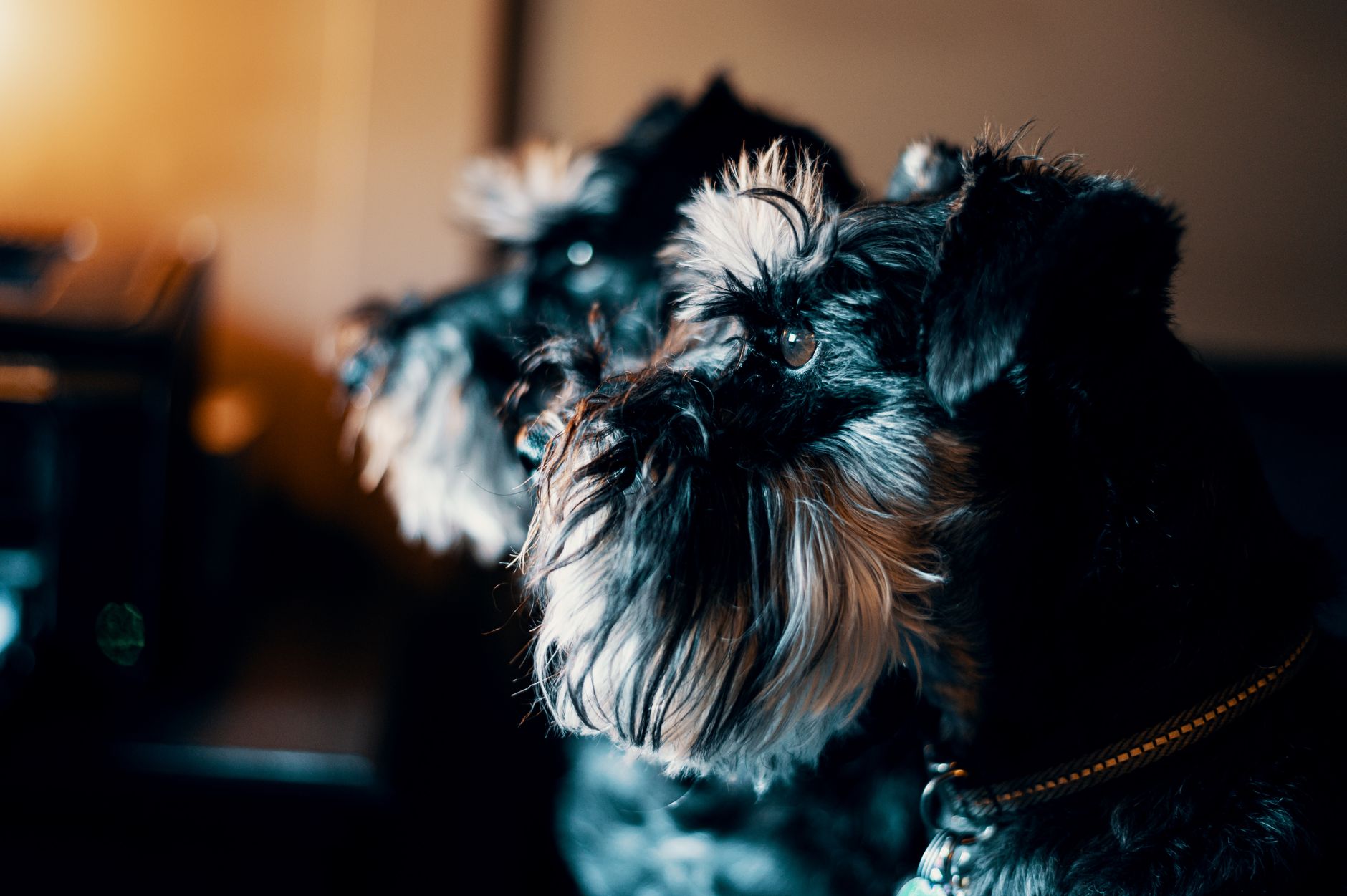
Developed in Germany as versatile farm dogs and skilled ratters, Miniature Schnauzers pack a lot of personality into a small package. Their beard contributes to the classic Schnauzer silhouette, giving them a distinguished look that belies their feisty nature. These dogs are intelligent, spirited, and make excellent companions for active families. They are also among the hypoallergenic large dog breeds that don't shed — though the Miniature is small, the coat type is similar.
Standard Schnauzer
The Standard Schnauzer is the original member of the Schnauzer family. Historically valued in Germany for farm work, guarding, driving livestock, and controlling vermin, this breed is a true all-rounder. Their bearded face reflects their serious, capable nature, and they thrive when given a job to do. Standard Schnauzers are known for their loyalty and protective instincts, making them wonderful watchdogs. They can be low-maintenance guard dogs for families when properly trained.
Giant Schnauzer
Giant Schnauzers were originally used around farms and later valued for guarding and other demanding duties. Their dramatic beard adds character to their powerful, athletic body, creating a striking and imposing presence. Despite their size, they are gentle with family and highly trainable. They need plenty of exercise and mental stimulation to stay happy and healthy. Their large build means they benefit from a supportive Bedsure orthopedic dog bed review for joint comfort.
All three Schnauzer varieties require regular grooming to maintain their facial furnishings and prevent tangles, mats, or debris accumulation. Whether you choose a Miniature, Standard, or Giant, you'll have a devoted companion with a face full of expression.
Terriers with Beards: Scottish, Airedale, and Soft Coated Wheaten
Scottish Terrier
Scottish Terriers were originally developed to pursue vermin in challenging terrain. They pack remarkable confidence into compact bodies, and their bearded faces give them a distinctive, no-nonsense expression. These independent thinkers are loyal to their families but can be reserved with strangers. Their grooming needs are moderate, but regular brushing is essential to keep their coat and beard in good shape.
Airedale Terrier
The Airedale Terrier is the largest of the terriers and was developed in England as a versatile working dog capable of hunting and performing numerous practical tasks. Their bearded face is both intelligent and playful, reflecting their energetic and sometimes mischievous nature. Airedales are known for their courage and adaptability, making them excellent companions for active owners. They need plenty of exercise and consistent training to channel their boundless enthusiasm.
Soft Coated Wheaten Terrier
Soft Coated Wheaten Terriers were originally developed as versatile Irish farm dogs, handling responsibilities including controlling vermin, guarding property, and helping around farms. They bring a gentler interpretation to the bearded look with silky hair, surrounding their expressive face with abundant silky hair rather than harsher furnishings. This gives them a softer, more approachable appearance. Wheatens are friendly, affectionate, and love being part of family life. Their silky coat requires regular grooming to prevent mats and tangles.
Each of these terriers has a unique personality, but all share the spirited, determined nature that defines the group. Their beards add to their charm and character, making them unforgettable companions.
Herding and Sporting Breeds: Bearded Collie, Wirehaired Pointing Griffon, and German Wirehaired Pointer
Bearded Collie
Bearded Collies were developed as an energetic herding breed in Scotland. Their name proudly announces their defining feature—a long, shaggy beard that frames a bright and inquisitive face. These dogs are intelligent, playful, and full of energy. They thrive when given a job to do, whether it's herding, agility, or simply being an active family companion. Their coat requires regular grooming to keep it free of tangles and debris.
Wirehaired Pointing Griffon
The Wirehaired Pointing Griffon was developed as a versatile hunting companion. They have one of the most wonderfully scruffy faces in the sporting dog world, with a beard that adds to their rugged charm. These dogs are known for their friendly, eager-to-please nature and work well with owners who enjoy outdoor activities. Their wiry coat needs regular brushing to maintain its texture and keep the beard clean.
German Wirehaired Pointer
German Wirehaired Pointers were developed to handle challenging outdoor work, with athletic bodies supporting stamina for hunting, retrieving, tracking, and other active pursuits. They have rugged facial furnishings that suit their reputation as energetic sporting dogs. Their bearded faces are both functional and full of character, giving them a distinguished look. These dogs need plenty of exercise and mental stimulation to stay happy and healthy. Regular grooming is essential to keep their coat and beard in top condition.
These herding and sporting breeds are perfect for active owners who want a dog that can keep up with their lifestyle. Their beards add to their working-dog heritage and make them stand out in any crowd.
Companion and Working Breeds: Brussels Griffon and Bouvier des Flandres
Brussels Griffon
Brussels Griffons were originally associated with controlling rodents around stables in Belgium before becoming cherished companion dogs. They may be small, but their beards give them enough visual character to compete with dogs many times their size. Their expressive faces, often with a mischievous or serious look, make them irresistible to many dog lovers. Griffons are affectionate, lively, and make wonderful lap dogs, but they still retain a bit of their terrier-like tenacity. They can be quite clingy dog breeds and often serve as emotional support dogs for their owners. Their coat requires regular grooming to keep their beard and facial furnishings neat.
Bouvier des Flandres
The Bouvier des Flandres was developed in the Flanders region as a versatile farm dog capable of driving cattle, pulling carts, and helping with demanding agricultural work. They have a magnificent, rugged beard that complements their substantial body, giving them a powerful and imposing appearance. Despite their size, Bouviers are gentle and devoted to their families. They are intelligent and trainable, but they need consistent guidance and plenty of exercise. Their thick coat and beard require regular grooming to prevent matting and keep them looking their best. Like other large breeds, they have dog breeds with giant paws that support their sturdy frame.
Both of these breeds showcase the incredible diversity of bearded dogs. From the tiny Brussels Griffon to the massive Bouvier, each brings a unique blend of character and charm.
Grooming and Care for Bearded Breeds
All breeds require regular grooming to maintain facial furnishings and prevent tangles, mats, or debris accumulation. Regular grooming helps prevent tangles and keeps food or debris from lingering around their distinctive whiskers. Depending on the breed, this may mean daily brushing, regular trims, and occasional professional grooming. Bearded dogs often look wise, serious, mischievous, or adorably grumpy, but keeping that character means staying on top of their coat care. Without regular attention, their beards can become matted and uncomfortable, leading to skin issues and a scruffy appearance that's less than charming.
In addition to grooming, bearded breeds need proper nutrition, exercise, and veterinary care to thrive. Their distinctive facial furnishings developed alongside working histories that include hunting, herding, guarding, and companionship, giving each breed an unforgettable appearance. By understanding their needs, you can ensure your bearded companion stays healthy, happy, and full of character for years to come.
If you're considering a smaller breed, you might also wonder about average lifespan of a Mini Dachshund as a comparison. And for apartment dwellers, some bearded breeds are among the easiest dog breeds to potty train for apartments.
Quick Comparison Table
| Breed | Size | Grooming Needs | Temperament |
|---|---|---|---|
| Miniature Schnauzer | Small | Moderate (regular brushing) | Spirited, intelligent |
| Standard Schnauzer | Medium | Moderate | Loyal, protective |
| Giant Schnauzer | Large | High (regular grooming) | Gentle, trainable |
| Scottish Terrier | Small | Moderate | Independent, confident |
| Airedale Terrier | Large | Moderate | Courageous, playful |
| Soft Coated Wheaten Terrier | Medium | High (silky coat) | Friendly, affectionate |
| Bearded Collie | Medium | High (shaggy coat) | Energetic, playful |
| Wirehaired Pointing Griffon | Medium | Moderate | Friendly, eager to please |
| German Wirehaired Pointer | Large | Moderate | Energetic, rugged |
| Brussels Griffon | Small | Moderate | Affectionate, lively |
| Bouvier des Flandres | Large | High (thick coat) | Gentle, devoted |
Frequently Asked Questions
Are bearded dog breeds hypoallergenic? Some are, such as Schnauzers and Wirehaired Pointing Griffons, because they shed less. However, no breed is truly hypoallergenic. See our guide to hypoallergenic large dog breeds that don't shed for more.
Do bearded breeds need professional grooming? Yes, most benefit from professional grooming every 6–8 weeks, plus regular brushing at home.
Are bearded breeds good with children? Many are, especially Bouviers and Bearded Collies, but always supervise interactions and train both dog and child.
Which bearded breed is best for apartments? Smaller breeds like Miniature Schnauzer and Brussels Griffon adapt well, but they still need daily walks. Check our tips on easiest dog breeds to potty train for apartments.
How long do bearded breeds live? Lifespan varies: small breeds like Miniature Schnauzer live 12–15 years, while large breeds like Bouvier live 10–12 years. For a comparison, see average lifespan of a Mini Dachshund.
Are bearded breeds sensitive? Some can be sensitive to harsh handling or changes in routine. Learn more about dog breeds more sensitive than you think.
Conclusion
Bearded dog breeds offer a unique blend of character, history, and charm. From the spirited Miniature Schnauzer to the gentle Bouvier des Flandres, each breed has its own personality and grooming needs. By understanding their requirements, you can choose the perfect bearded companion for your lifestyle. Remember that regular grooming, proper nutrition, and plenty of exercise are key to keeping your bearded friend happy and healthy.
Source: iHeartDogs